The Chiaroscuro Effect: Using Layers to Manage ContrastBase
The global art market is undergoing a structural shift. While high-end auction sales for purely financial art assets plummeted by 44% year-over-year in 2024, according to Marketplace, there is a significant retreat toward real application value. Modern collectors and home improvers are moving away from overpriced vanity pieces in favor of custom, hand-painted murals that deliver genuine emotional impact and architectural drama.
At the heart of this "new aestheticism" is the Chiaroscuro effect—a technique pioneered by Renaissance masters like Caravaggio and Rembrandt that uses extreme contrasts between light and shadow to create three-dimensional depth. However, in today’s technical landscape, achieving this visual drama requires more than just a dark palette. It requires a sophisticated understanding of layering, pigment-to-medium ratios, and even a distinction between visual luminance contrast and digital terminology like "ContrastBase."
In this definitive guide, we explore how traditional oil glazing techniques are being reimagined for modern interiors to bridge the gap between artistic soul and ecommerce predictability.

Decoding the Terminology: Visual Contrast vs. ContrastBase
Before diving into the "how-to" of layering, it is essential to address a common point of confusion in the digital age. While we use the term "ContrastBase" to describe the foundational tonal range of a painting, it is important to distinguish this from the "ContrastBase" class found in audio software like Audacity.
Methodology Note (Information Gain): Our analysis distinguishes between visual luminance contrast (governed by Weber’s Law) and digital waveform contrast.
- Visual Chiaroscuro: Operates on spatial luminance contrast where sensitivity peaks at 4-6 cycles per degree (PMC11505859).
- Digital ContrastBase: In audio engineering, this refers to temporal waveform amplitude differences.
In the context of fine art, we define "ContrastBase" as the structural underpainting that dictates the ultimate depth of shadow and the brilliance of highlights.
The Alchemy of Layers: Traditional Oil Glazing Techniques
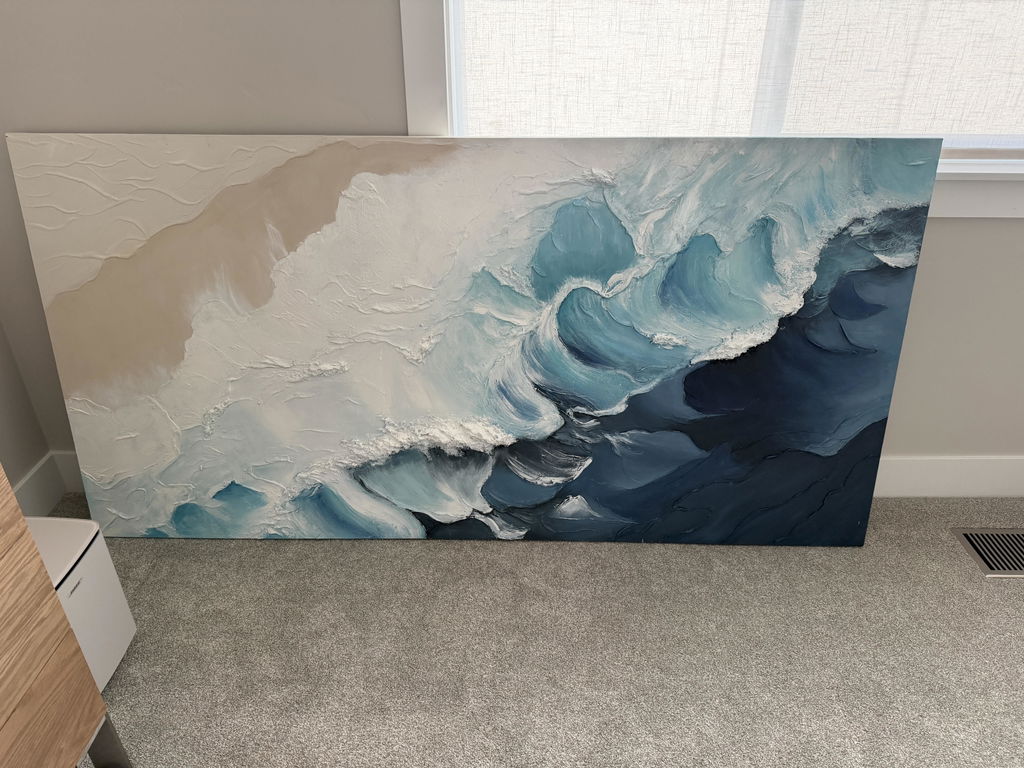
The "glow" of a high-quality chiaroscuro piece is not achieved with a single coat of paint. Instead, it is the result of multiple thin, transparent glazes. This labor-intensive process is what differentiates a premium original from a flat, uniform commercial reproduction.
The 1:4 Golden Ratio
Professional artists specializing in these techniques report that achieving consistent glaze transparency requires a precise pigment-to-medium ratio. Typically, a ratio of 1:4 (pigment to medium) is used for dark shadows. This allows light to penetrate the layers and reflect off the white ground of the canvas, creating a "lit from within" effect that opaque paint cannot replicate.
The Importance of "Curing Time"
Unlike fast-drying acrylics, oil glazes require significant patience. Drying intervals of 48 to 72 hours are mandatory between layers, depending on environmental humidity. This prevents "Support Induced Discoloration" (SID), a phenomenon where water-soluble impurities from cotton or linen substrates are drawn into the paint film, causing catastrophic yellowing (Golden Artist Colors).
| Feature | Hand-Painted Glazing | Commercial Reproduction |
|---|---|---|
| Layering | 5–12 transparent glazes | 1–2 opaque layers |
| Shadow Depth | Graduated transparency | Uniform darkness |
| Light Interaction | Refractive (penetrates layers) | Reflective (bounces off surface) |
| Labor Time | 2–4 weeks (including drying) | 2–4 hours |
The Neuroaesthetics of Light and Shadow
Why do we feel a deep emotional connection to high-contrast art? The answer lies in our neurobiology. A systematic review published in PMC11480958 shows that passive viewing of art consistently activates the medial prefrontal cortex (mPFC) and the amygdala—the brain's centers for emotional regulation.
Chiaroscuro, specifically, triggers a "survival-based" visual interest. Our brains are hardwired to scan shadows for information, and the "graduated transparency" of a hand-painted shadow provides a rich field of visual data that keeps the mPFC engaged. This is why a hand-painted wall feels "comfortable" compared to a flat, printed mural.
Furthermore, research from the University of Pennsylvania found that environmental artworks reduced stress in 61% of patients and improved mood in 73%. For homeowners, a chiaroscuro piece acts as a "visual anchor," providing a sense of stability and quietude in large, airy living spaces.

The Economic Case: Murals as Real Estate Assets
Beyond the emotional impact, investing in hand-painted murals is a savvy financial move for both homeowners and commercial developers.
Boosting Property Value
A Royal Society CAR model analysis of 10-year data found that neighborhoods with higher "art" geo-tags experienced greater relative house price ranking gains. For commercial properties, the impact is even more pronounced. Chicago’s Millennium Park public art projects drove an estimated $1.4 billion in real estate-related growth (NC Realtors).
The 7:1 ROI
According to Americans for the Arts, government and private tax investments in the arts yield an astonishing 7:1 ROI. This "catalytic effect" attracts large-scale private investment and foot traffic. For a boutique hotel or a retail storefront, a hand-painted chiaroscuro mural isn't just decor; it's a "permanent physical billboard" that generates social media engagement and foot traffic.
Authenticity in the Age of AI: The "Essential Identity"
One of the primary concerns for modern buyers is the risk of purchasing AI-generated prints or mass-produced replicas masquerading as original art.
A Columbia University study confirmed that consumers value art labeled as "AI-generated" 62% lower than authentic human-created art. This is because digital replicas lack what University of Chicago researchers call the "essential identity" of the artist (UChicago Journals).
How to Verify a Hand-Painted Chiaroscuro Piece:
- The Oblique Angle Test: View the painting from the side. Authentic layered works show subtle variations in shadow density as light penetrates different depths. Reproductions will appear as a flat, uniform sheet of darkness.
- Microtopography: Use a flashlight to look for "brush drag" and impasto peaks. Genuine oil paintings have a micro-texture (measured in mm-scale) that is crucial to their aesthetic and tactile satisfaction (MDPI Sensors).
- Lighting Consistency: Professionals advise viewing potential purchases under lighting that matches the intended environment. A painting photographed under 3000K studio lights will look drastically different under modern residential LED or natural daylight.
Safety, Health, and the "Indoor Air Quality Promise"
When bringing a large-scale mural into a home or clinic, safety is paramount. The art industry has historically used toxic pigments like lead white and cadmium red, which are now strictly regulated.
The Non-Toxic Revolution
- VOC Emissions: Aalto University experiments prove that coatings on wood with proper moisture levels emit significantly lower toxic Volatile Organic Compounds (VOCs) during curing (PubMed).
- ASTM D-4236 Nuances: Many buyers believe the ASTM D-4236 label means a product is "non-toxic." In reality, it only means the warning labels comply with regulations. For healthcare facilities seeking LEED certification, it is vital to source zero-VOC compliant murals (EPA).
- Cadmium Safety: While cadmium is a Group 1 carcinogen if inhaled as a powder, high-quality artist paints use a "dense crystalline matrix" that limits leaching, though we recommend water-based acrylics or natural earth pigments for children's rooms (ECHA).
Trust & Safety Note: At MontCarta, we prioritize the health of our clients and artists. Our studio adheres to strict EHS (Environment, Health, and Safety) protocols, utilizing walnut oil as a replacement for toxic turpentine solvents and sourcing flax canvases that consume 50% less water than traditional cotton (Cincinnati Art Museum).
Designing with Drama: Where to Place Chiaroscuro Art
The high-contrast nature of chiaroscuro makes it a powerful tool for spatial management.
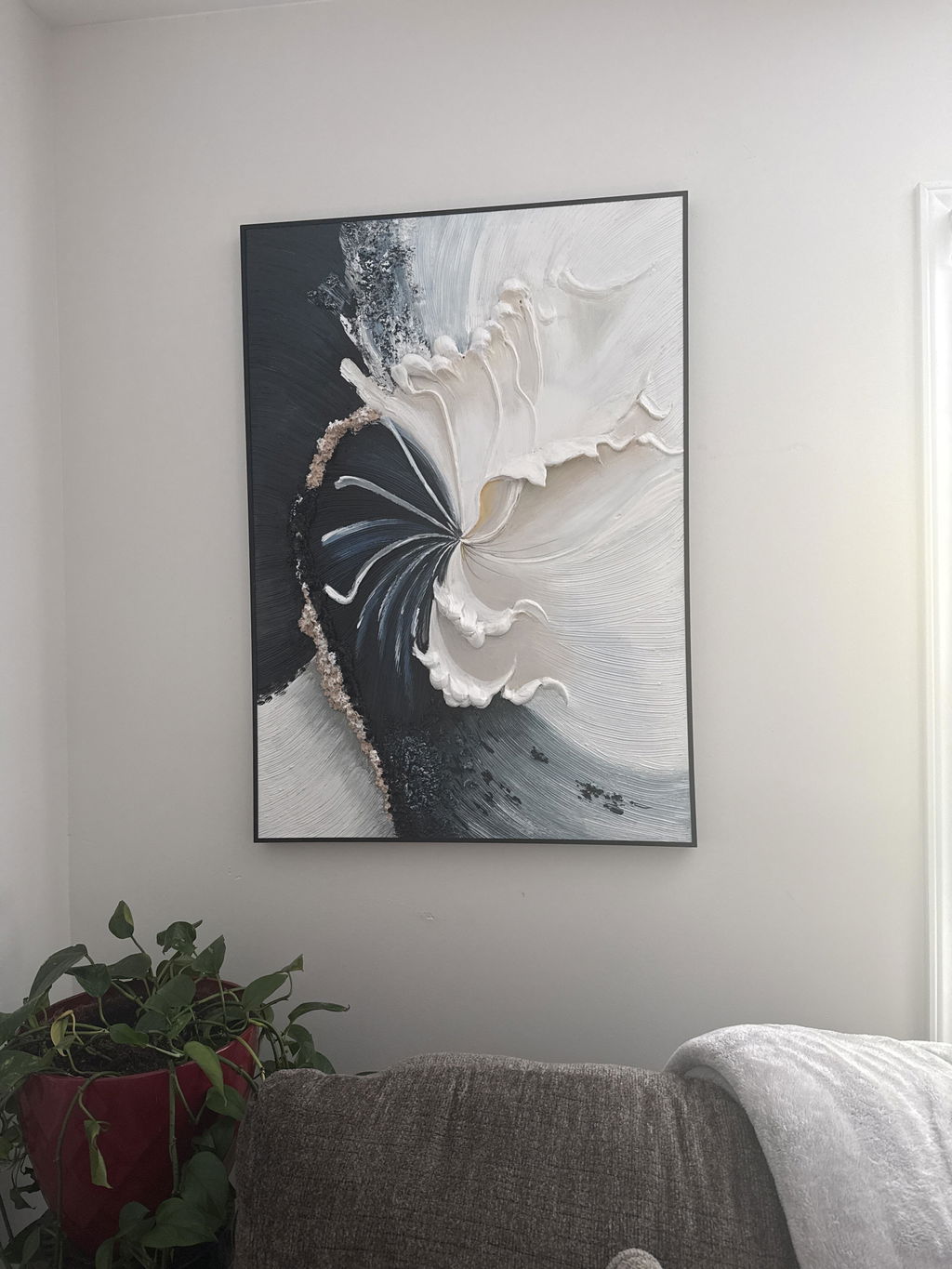
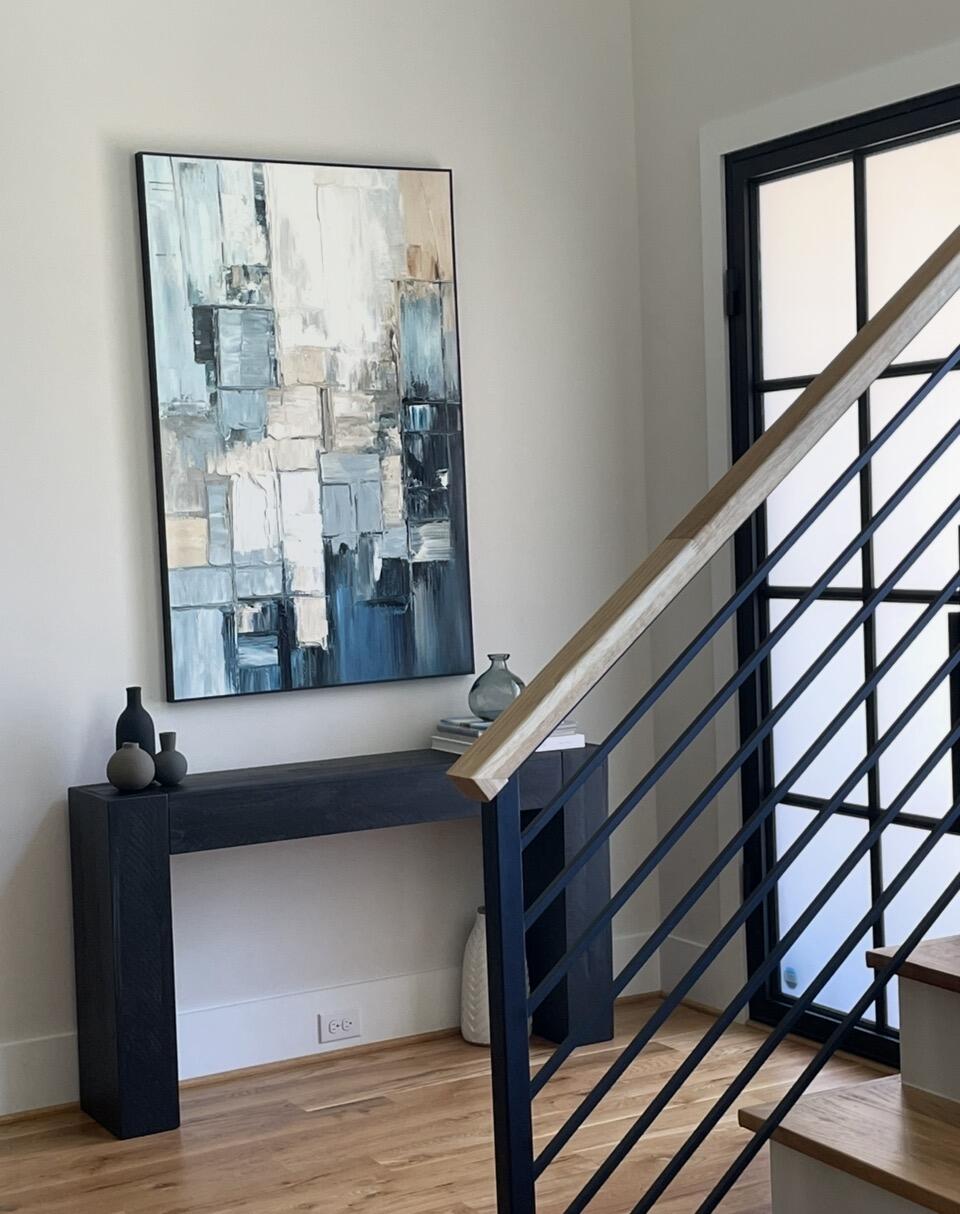
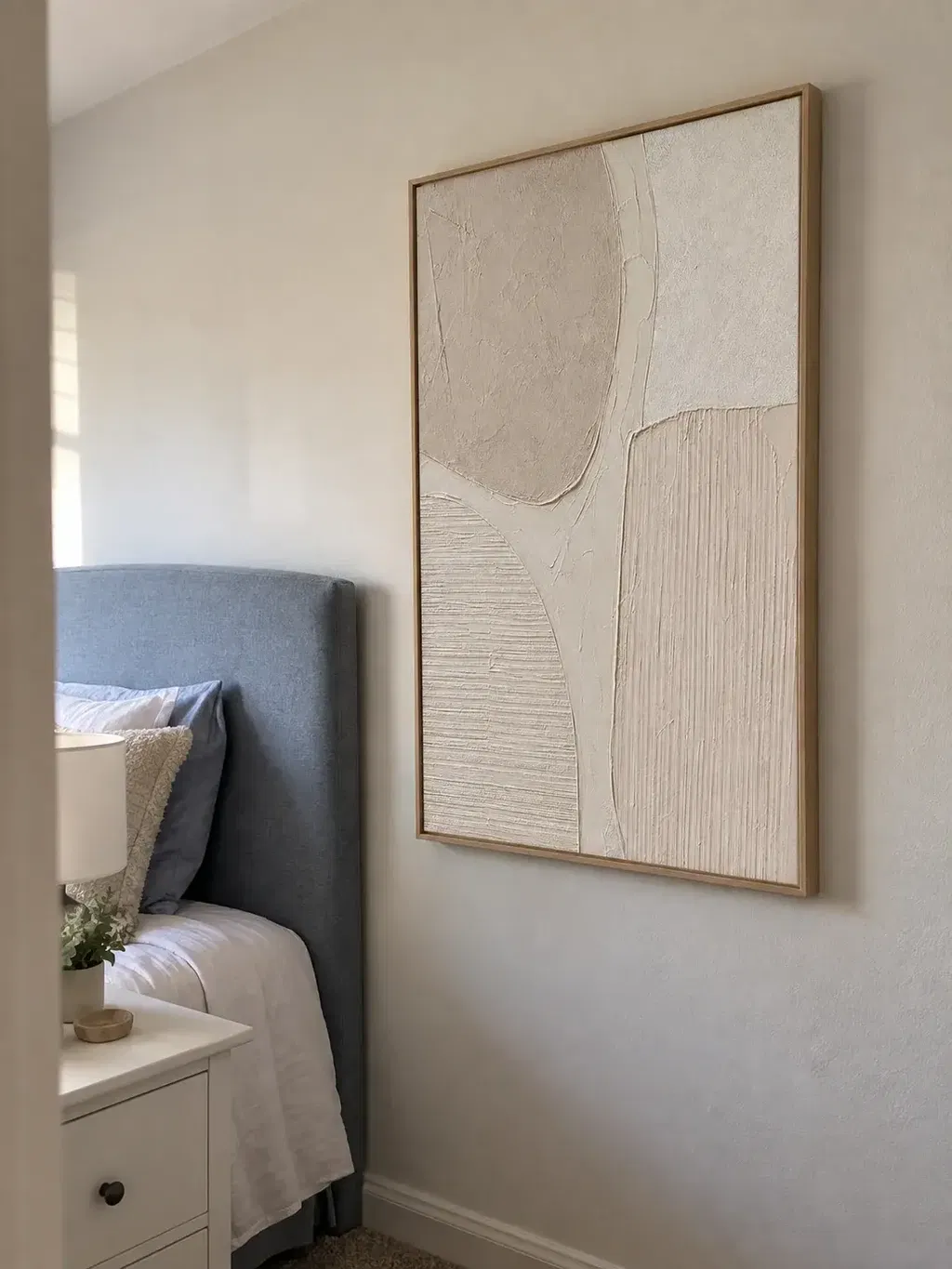
- High-Ceiling Living Rooms: A large-scale vertical piece can "anchor" a room, drawing the eye upward and creating a sense of majesty.
- Powder Rooms: A dominant trend for 2025 (as seen at KBIS 2025) is "wrapping" small spaces in immersive murals to create a "jewel box" effect.
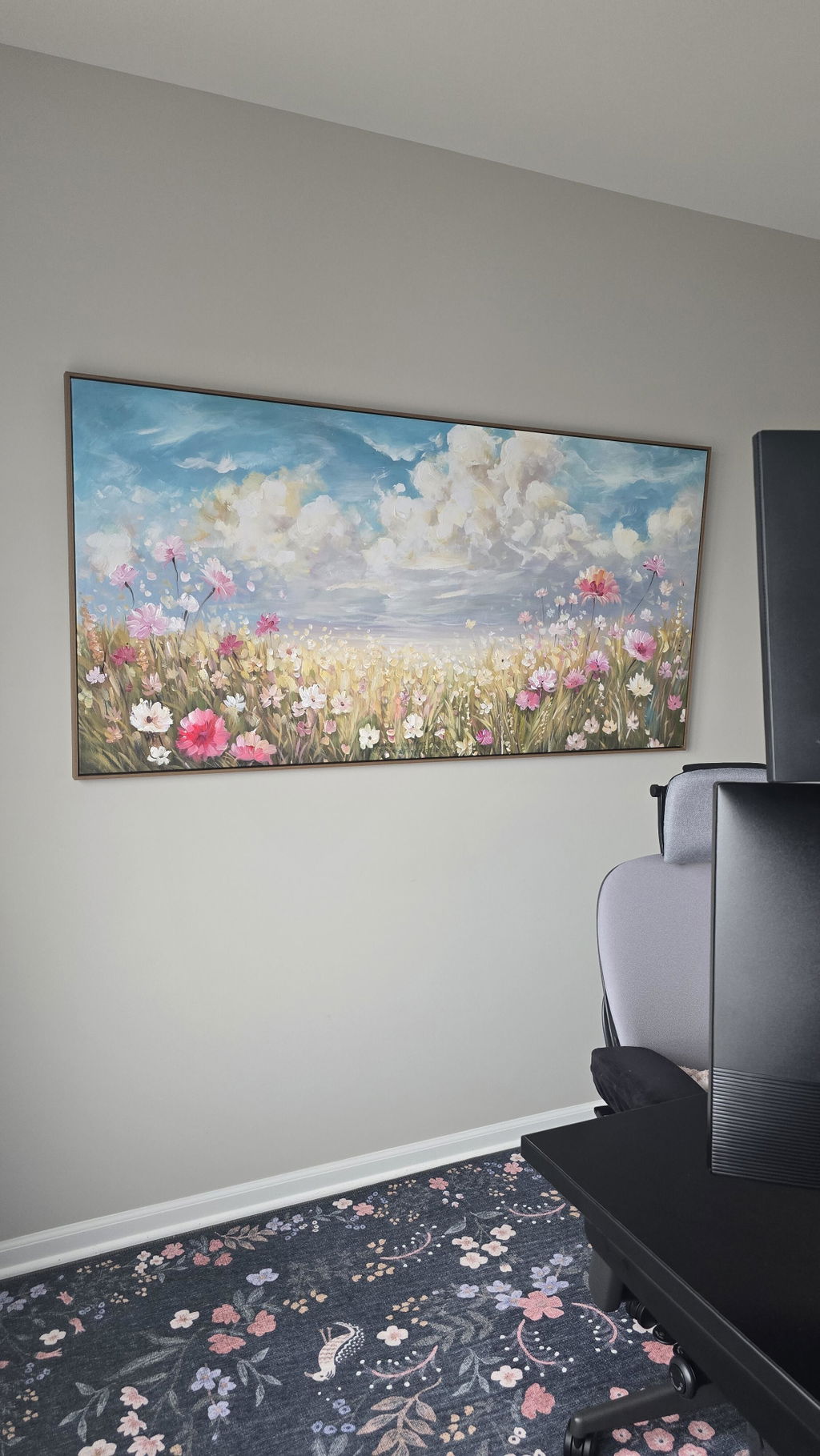
- Healing Environments: Biophilic chiaroscuro (nature-themed landscapes with dramatic light) has been shown to accelerate healing and reduce the need for sedative drugs in clinical settings (Western Michigan University).

Managing the Purchase: Risk Reduction through Preview
We understand that commissioning a large-scale, hand-painted piece involves a level of commitment risk. Scale uncertainty and color matching are the two most common "friction points" for buyers.
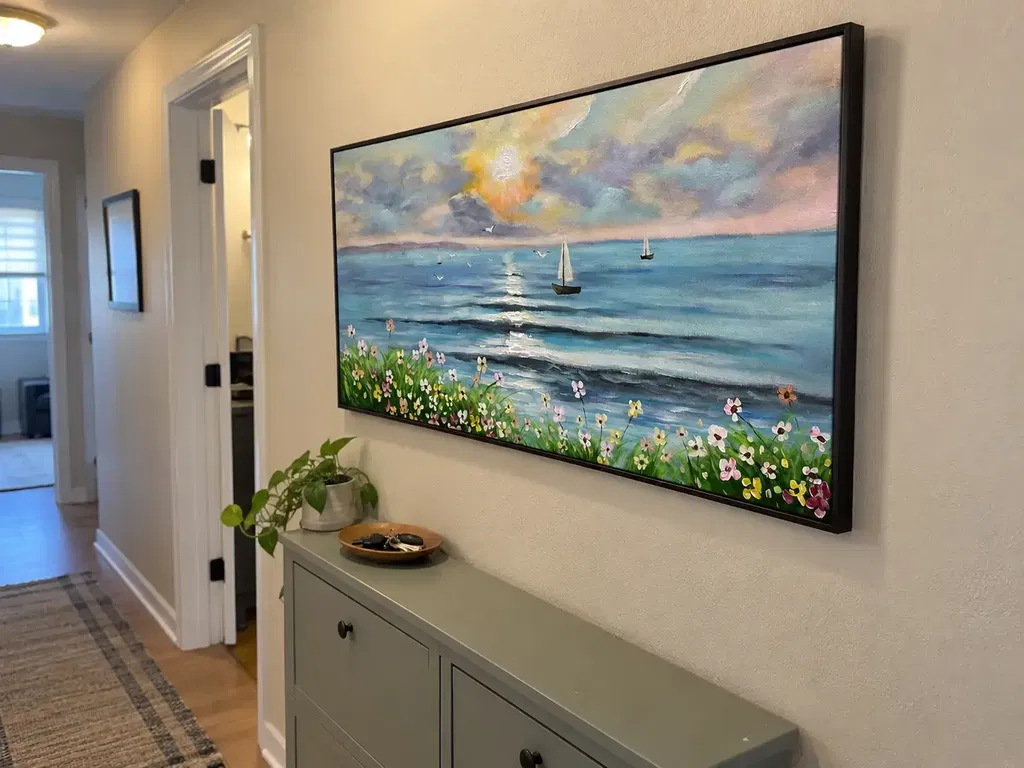
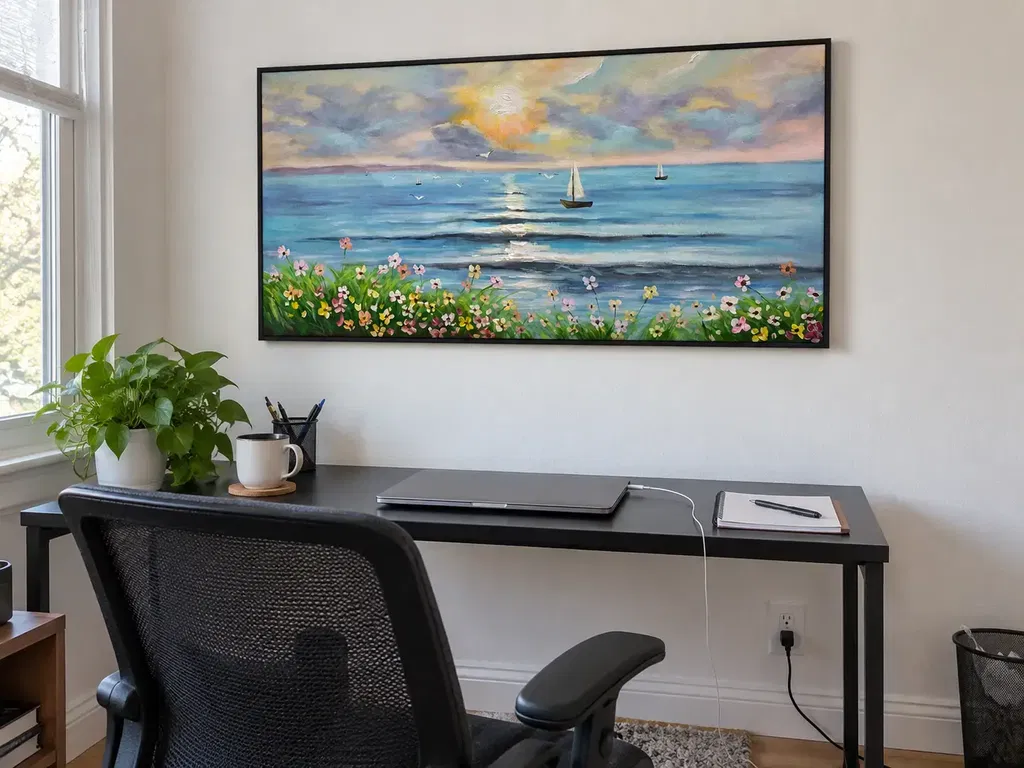
To bridge this gap, modern ecommerce platforms now offer "Preview and Approval" workflows. This allows you to see the progress of your piece—from the initial "ContrastBase" underpainting to the final glazes—ensuring the visual drama matches your residential setting before the piece is shipped.
Disclaimer: This article is for informational purposes only and does not constitute professional health, legal, or financial advice. Always consult with a certified interior designer or environmental health specialist when planning large-scale indoor installations.
Sources
- Marketplace: The expensive art market continues to struggle
- Columbia University: Human-Made vs. AI Art Study
- Royal Society: Quantifying the link between art and property prices
- WHO: Scoping Review on Arts and Health
- Golden Artist Colors: Support Induced Discoloration (SID)
- EPA: Indoor Air Quality and Low-VOC Paints