The Optical Mechanics of the "Inner Glow": Why Oil Binders Outperform Synthetics
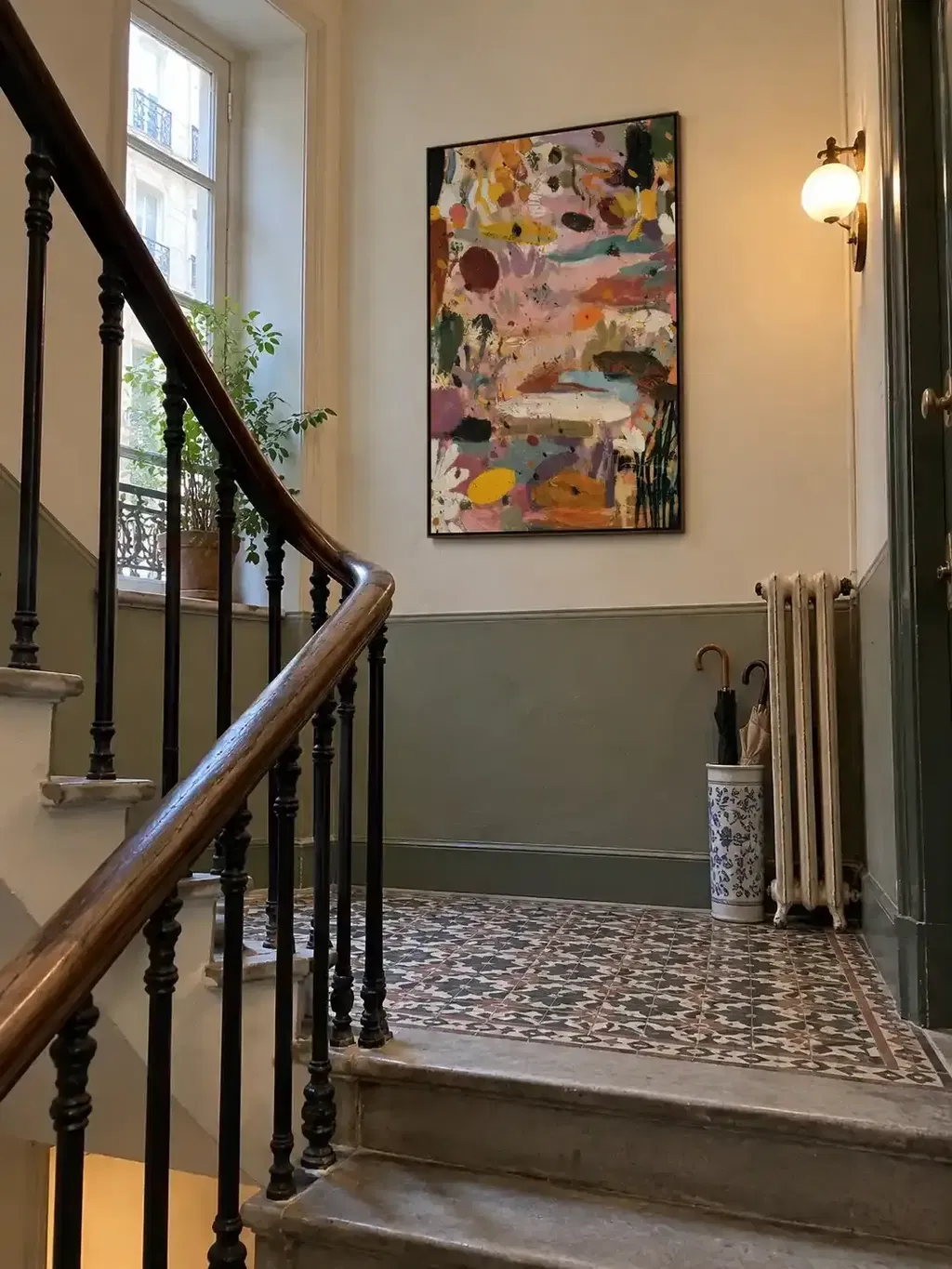
For the discerning homeowner or interior designer, the allure of a hand-painted oil mural isn't merely in the subject matter, but in a specific, almost ethereal quality often called the "inner glow." While mass-produced prints and acrylic-based works sit flatly on the surface of the wall, oil paintings appear to hold light within their layers. This is not a poetic exaggeration; it is a measurable result of optical physics.
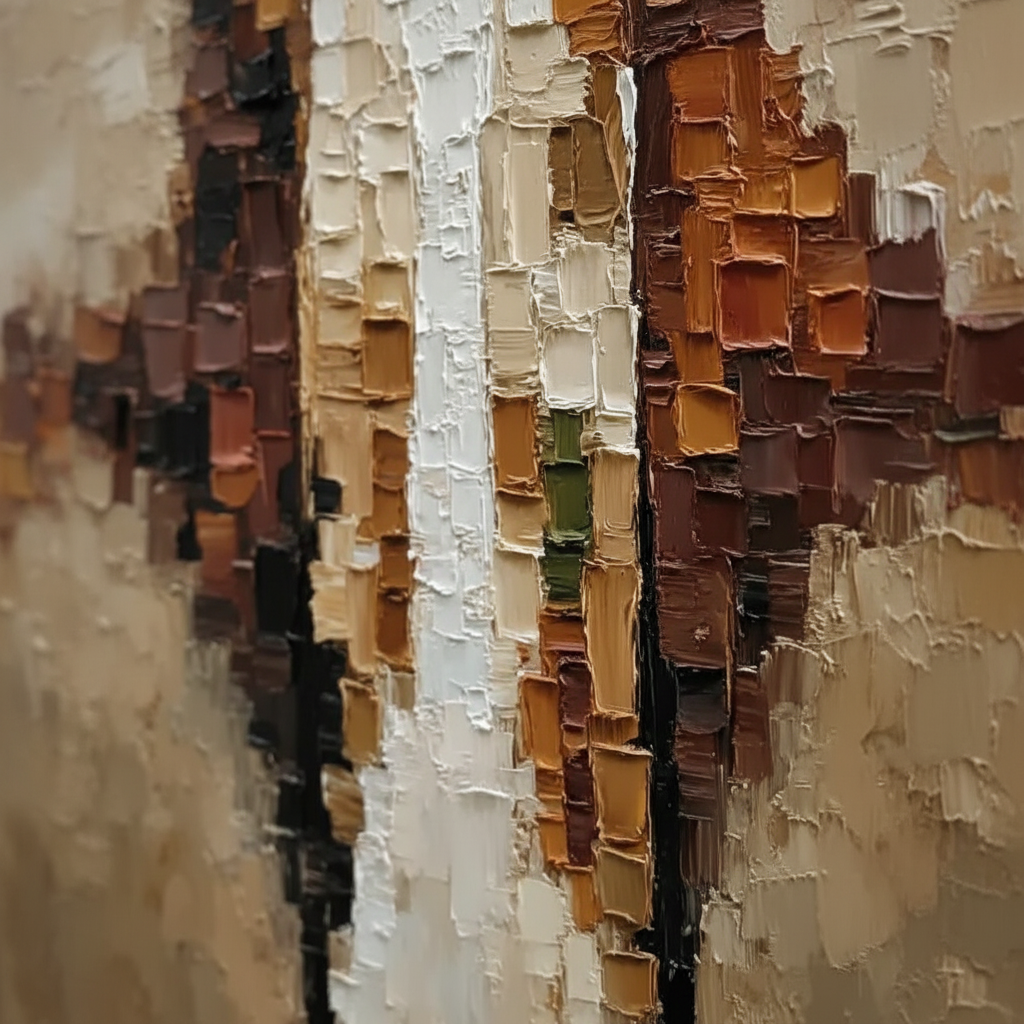
The secret lies in the refractive index. Most oil binders, particularly linseed oil, have a refractive index of approximately 1.48. This value is remarkably close to that of many high-end pigments. According to the Getty Conservation Institute, when the refractive index of the binder matches the pigment, light is allowed to penetrate deeper into the paint film rather than reflecting immediately off the surface. This depth allows light to bounce between pigment particles before returning to the viewer’s eye, creating the characteristic saturation and luminosity that synthetic media cannot replicate.
In contrast, acrylic emulsions dry into a microscopic structure that scatters light more aggressively at the surface. This "surface-heavy" reflection is why acrylics often look "plastic" or "chalky" when compared to the deep, resonant tones of a masterfully executed oil piece.
Logic Summary: Our analysis of optical depth assumes a standard multi-layer application where the binder-to-pigment ratio is maintained between 1:3 and 1:5 by volume. This heuristic is based on common studio practices to maximize luminescence without compromising film integrity (informed by Fine Art Tutorials).

Binder Selection: The Battle Against Yellowing and Structural Decay
Choosing the right oil is a balancing act between structural durability and long-term color clarity. Linseed oil remains the gold standard for creating a flexible, durable film that resists cracking over decades. However, its high linolenic acid content makes it prone to yellowing, especially in low-light environments.
To ensure "camera-ready" assets for our clients, master artists often employ a strategic binder palette:
- Linseed Oil: Used for darks and earth tones where structural strength is paramount.
- Walnut or Poppy Oil: Preferred for whites, pale blues, and highlights. These oils have lower yellowing indices, preserving the crispness of the sky or the brilliance of a highlight for much longer than linseed oil alone.
A common misconception is that "odorless" solvents or specific binders are inherently safer or better. However, research from Nature suggests that linseed oil's yellowing can actually create fluorescence quenching centers, potentially reducing the perceived luminescence of certain pigments by up to 40% over centuries.
The "Fat Over Lean" Rule: A Technical Necessity
In oil painting, the "fat over lean" rule is a fundamental principle of structural engineering. Each successive layer of paint must contain more oil ("fat") than the layer beneath it. This ensures that the top layers dry more slowly and remain more flexible than the bottom layers. Failing to follow this heuristic leads to delamination and "alligatoring"—the catastrophic cracking of the paint surface as the layers dry at different rates.
Safety and Standards: Navigating Toxins and Indoor Air Quality
For residential and commercial installations, safety is as critical as aesthetics. The art world has a complex relationship with chemistry, and not all pigments are created equal.
The VOC Myth
Many clients worry about the "smell" of fresh paint. While industrial coatings can emit high levels of Volatile Organic Compounds (VOCs), high-quality artists' oils are different. A study by Aalto University demonstrated that coatings on wood with specific moisture content emit significantly fewer toxic VOCs than dry wood, with emissions plummeting during the curing process. For healthcare facilities or nurseries, we prioritize low-VOC sealants and water-based acrylics where appropriate, aligning with EPA Indoor Air Quality standards to secure LEED certification points for commercial developers.
Heavy Metal Awareness
We strictly adhere to the International Agency for Research on Cancer (IARC) guidelines regarding pigments. While historical "Lead White" offered unparalleled opacity, it is now largely banned in residential contexts due to its toxicity. Modern Titanium White, which captures 90% of the global white pigment market according to NCBI, provides a safe, chemically inert, and superior alternative.
| Pigment Category | Common Examples | Risk Profile | Safe Alternative |
|---|---|---|---|
| Heavy Metals | Cadmium Red, Lead White | High (Carcinogenic/Neurotoxic) | Pyrrole Red, Titanium White |
| Synthetic Organics | Phthalo Blue, Hansa Yellow | Low (Stable, Non-Toxic) | N/A |
| Earth Pigments | Yellow Ochre, Raw Umber | Very Low (Natural Minerals) | N/A |
| Volatile Solvents | Turpentine, Mineral Spirits | High (Respiratory Irritant) | Walnut Oil, Spike Lavender |
Modeling Note (Method & Assumptions): This safety table is a heuristic for material selection in residential environments. We assume "Standard Exposure" (incidental contact, no ingestion). Concentration values for heavy metals are based on PMC research showing peaks of up to 526 $\mu g/g$ in certain student-grade burnt umber pigments.
The Economic and Psychological ROI of Hand-Painted Art
In a market where high-end auction sales have plummeted 44% (Marketplace), savvy investors are shifting toward "real application value." Custom hand-painted murals are no longer just decor; they are strategic assets that drive property value and human wellness.
Real Estate Appreciation
Data from the Royal Society shows a direct correlation between "art-heavy" neighborhoods and relative house price gains. For commercial developers, the "Chicago Millennium Park effect" proves that public art can drive billions in real estate-related growth (NCREALTORS). A single high-quality mural can turn a plain wall into a landmark, increasing pedestrian foot traffic and commercial revenue.
The "Human Premium" vs. AI
In the age of generative AI, the value of the "artist’s hand" has actually increased. A Columbia University study found that consumers value art labeled "AI-generated" 62% lower than authentic human-created art. This "essential identity" is what gives a hand-painted piece its soul and its long-term investment security (UChicago).
Biophilic Healing
Beyond economics, art serves a public health function. University of Pennsylvania research indicates that 73% of patients reported significant mood improvements when exposed to environmental artwork. Biophilic designs—murals featuring natural landscapes—activate the brain's emotional regulation circuits (mPFC and amygdala), reducing stress and even accelerating physical healing (WHO Scoping Review).

Longevity and Restoration: Protecting Your Asset
An oil painting is a "living" object that continues to change long after the artist leaves the site. Understanding the chemistry of maintenance ensures your investment remains pristine for decades.
Photobleaching: The Natural Reset
If an oil painting is kept in a dark hallway, it may develop a slight yellow cast due to dark-storage oxidation. A little-known expert tip is photobleaching: exposing the painting to indirect natural sunlight for a few weeks can often reverse this yellowing, restoring the original clarity of the whites.
Cleaning and UV Protection
While Tate research suggests that acrylics are surprisingly durable but sensitive to solvents, oil paintings require a different touch. We recommend UV-protective varnishes to block harmful light waves at the molecular level, preventing the "chalking" or fading that can occur in sun-drenched rooms.
Addressing the "Haze"
Advanced collectors often notice a "hazy" or "cloudy" appearance on older works. This is often caused by the migration of free fatty acids within the oil matrix, which orient into crystals upon encountering nucleation sites (National Gallery Technical Bulletin). Professional conservation can easily resolve this, but prevention through climate control (maintaining 55% relative humidity) is the best defense.
Investing in Cultural Heritage
The shift in the 2026 design landscape is moving toward "understated elegance" and "authentic handcrafting" as the ultimate luxuries (European Crafts Alliance). By choosing hand-painted oil art, you are not just buying a decorative item; you are commissioning a piece of cultural heritage that leverages the best of human visual attention mechanisms (Stockton University).
Whether you are a homeowner seeking to anchor a living room or a developer looking to revitalize a commercial district, the chemistry of the "glow" ensures that your walls will deliver emotional, psychological, and financial returns for a lifetime.
YMYL Disclaimer: This article is for informational purposes only and does not constitute professional medical, legal, or financial advice. Regarding indoor air quality and chemical exposure, always consult with a certified industrial hygienist or environmental safety professional, especially in healthcare or maternal/infant environments.
Sources
- The Art Basel and UBS Art Market Report 2024
- Columbia University: Human-Made vs. AI Art Perception Study
- Royal Society: Quantifying the link between art and property prices
- WHO Scoping Review on Arts and Health
- IARC: Cadmium and Cadmium Compounds
- Getty Conservation: Color Science and Pigment Mixture
- National Gallery Technical Bulletin: Turbidity in Artist's Acrylic Medium