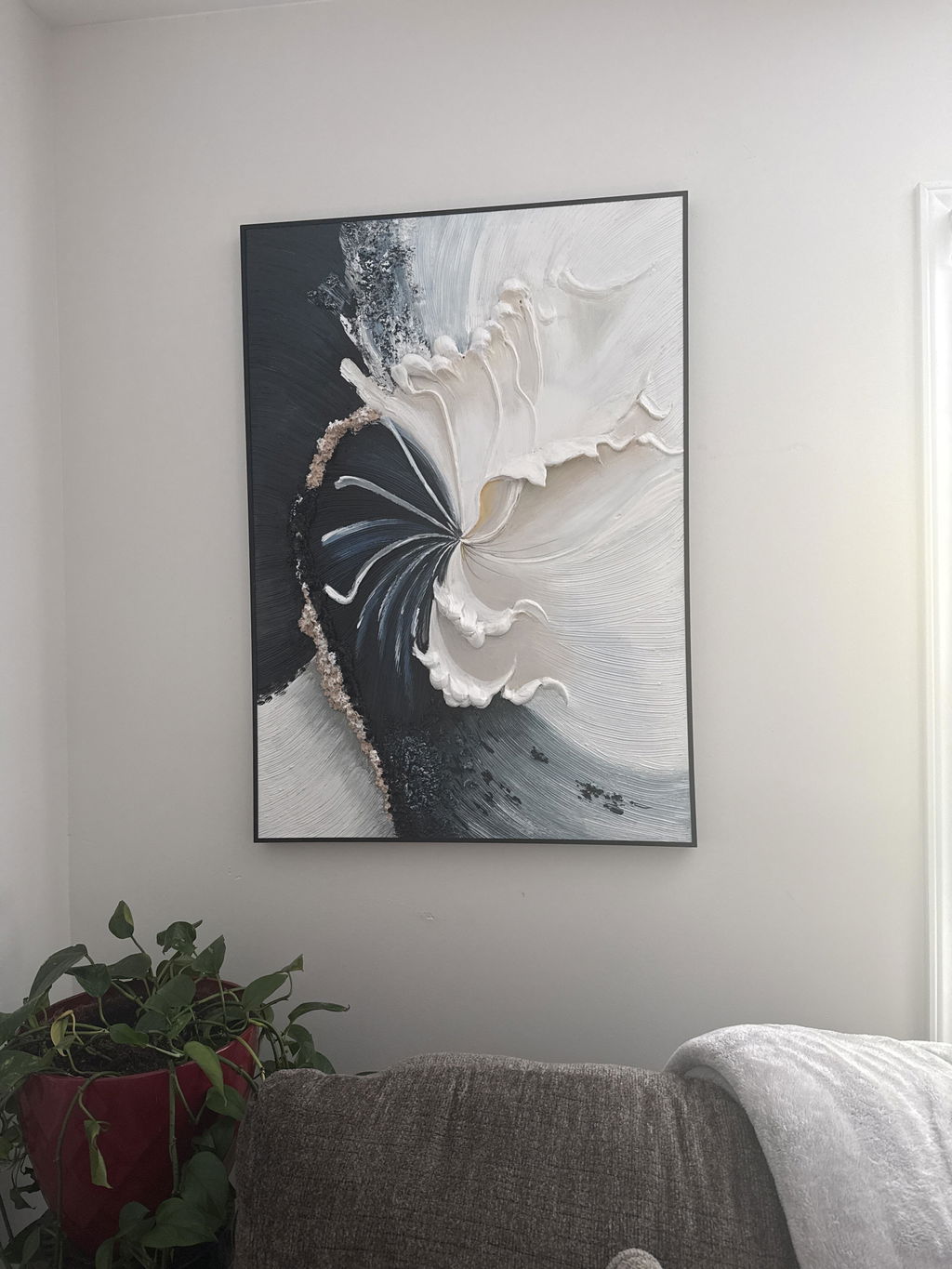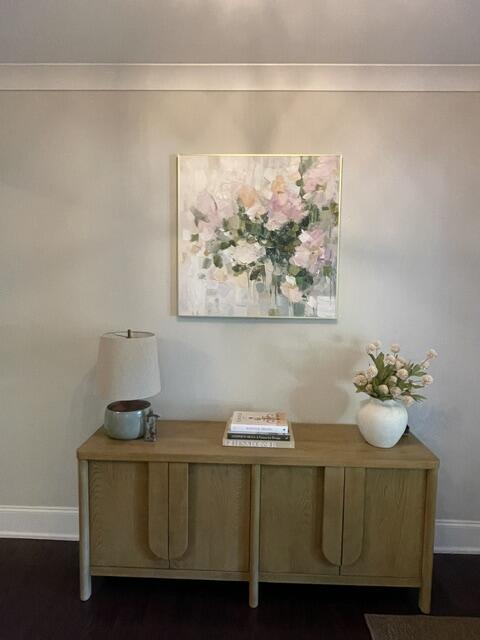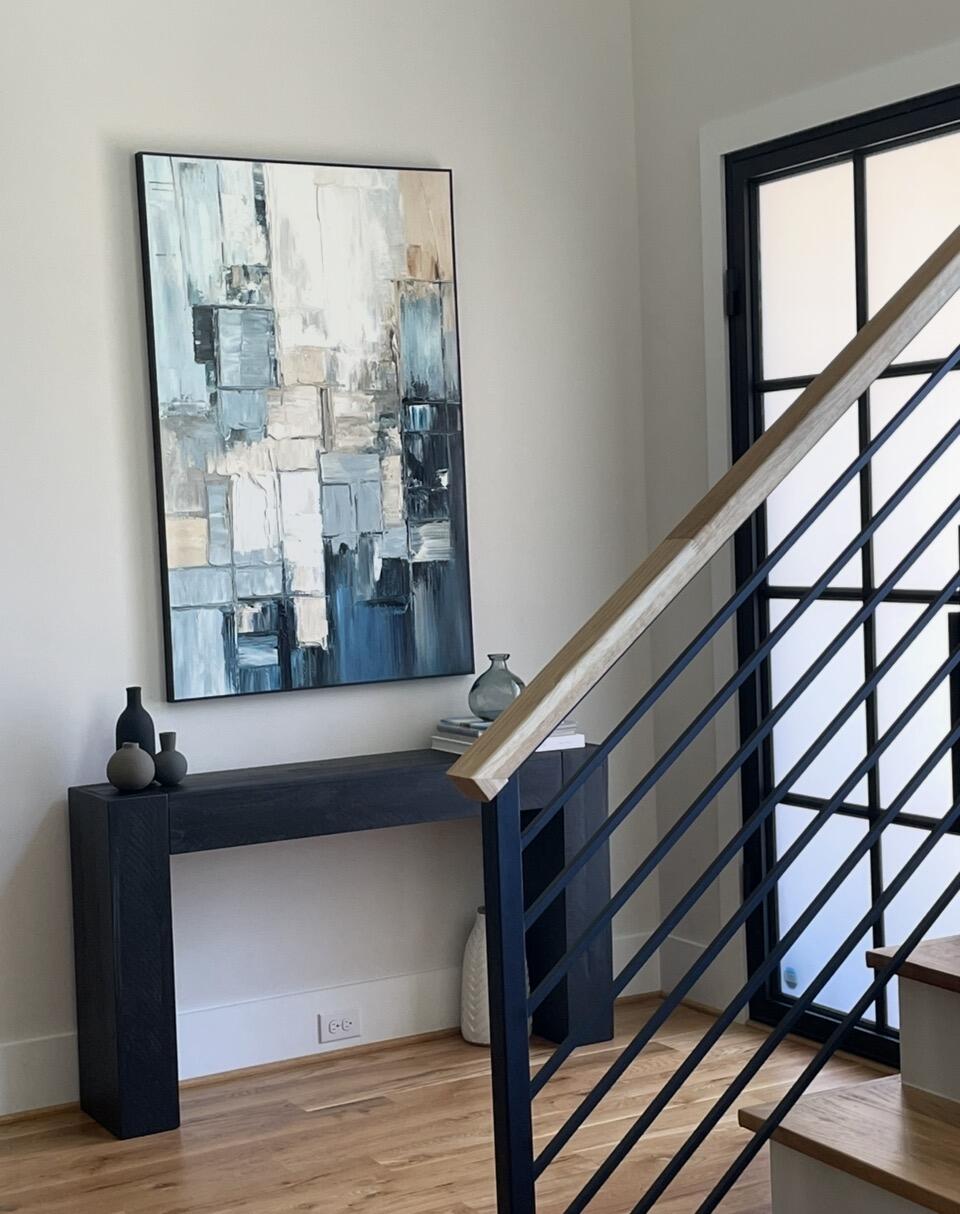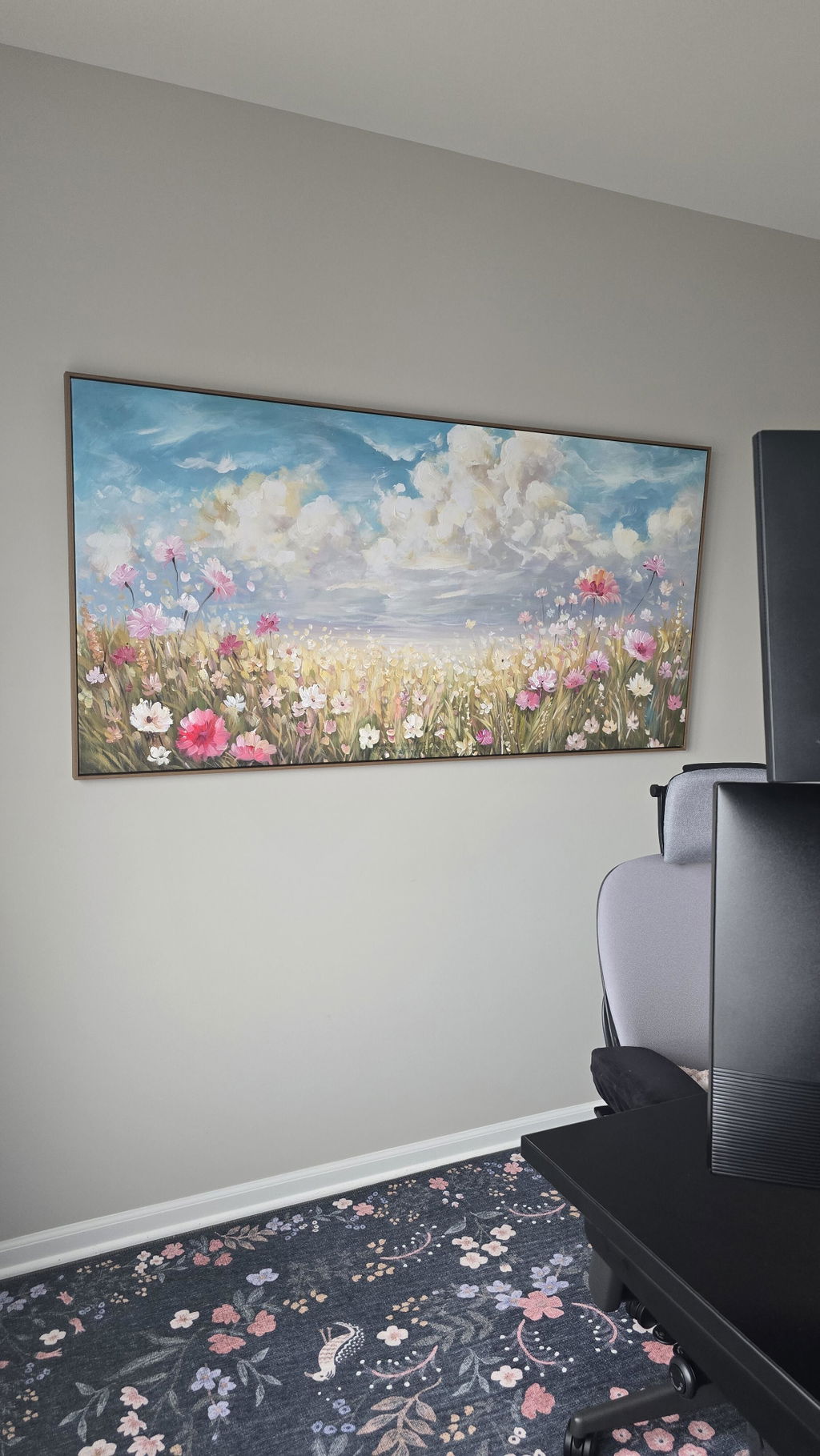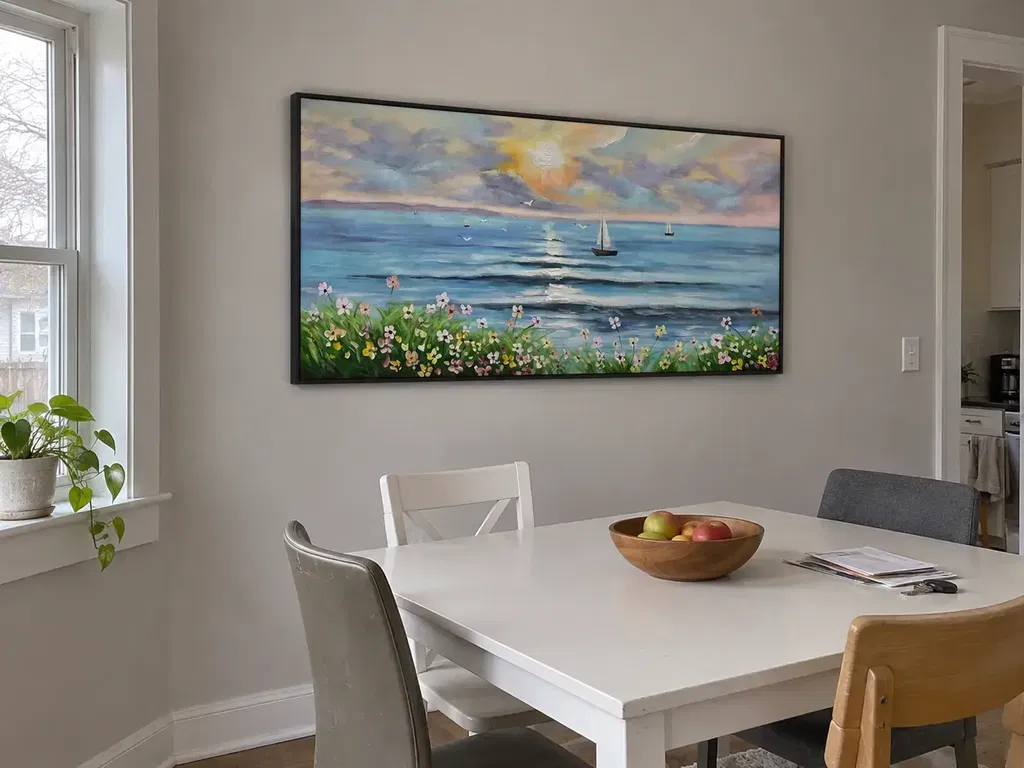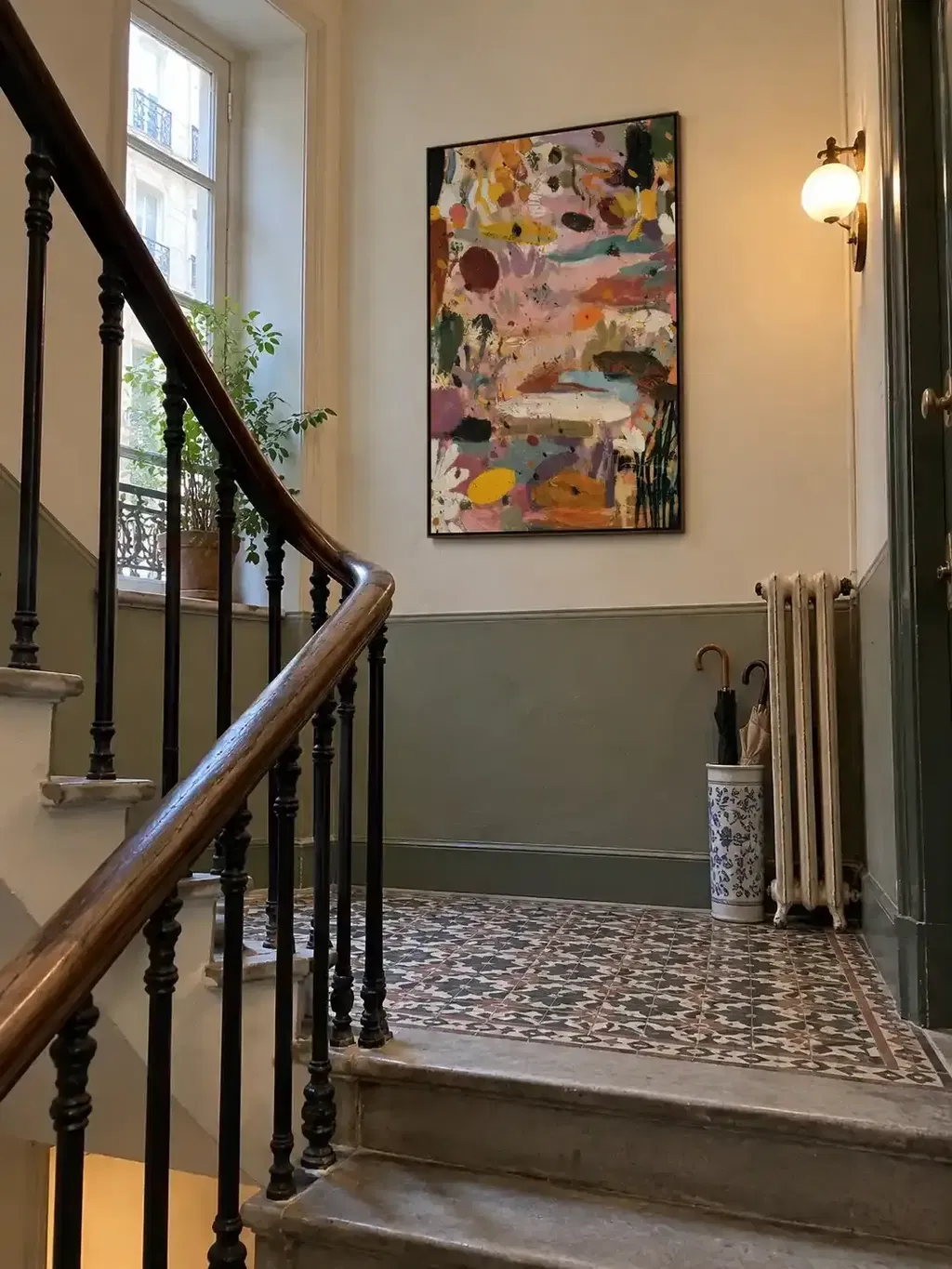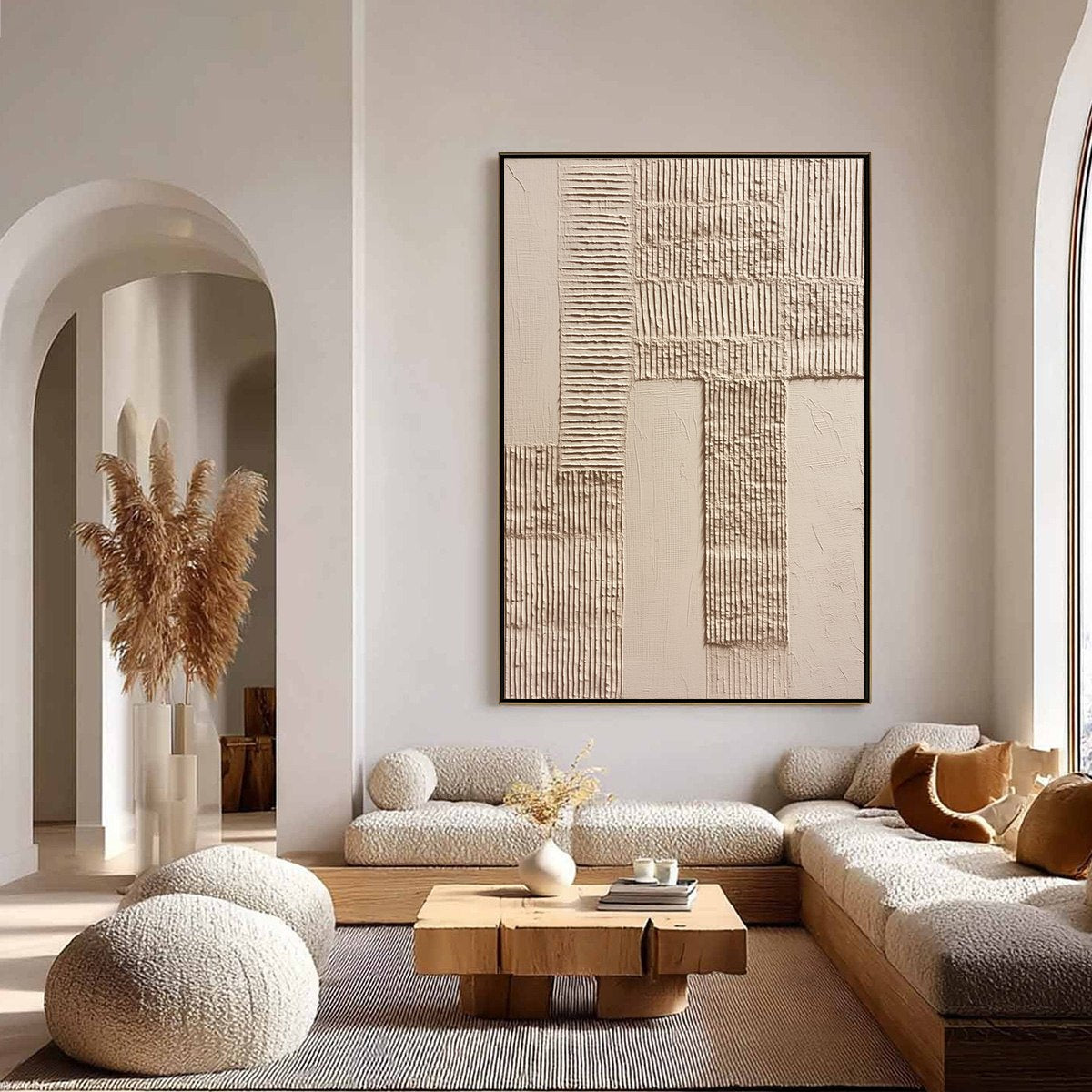
The Shift Toward Real Application Value in Luxury Interiors
The landscape of high-end art acquisition is undergoing a structural transformation. According to data from Marketplace, sales of purely financial art assets—those vanity auction pieces exceeding $10 million—plummeted by 44% year-over-year in 2024. This retreat from speculative assets indicates a return to "real application value," where collectors and interior designers prioritize art that serves a functional, emotional, and architectural purpose within a space.
For trade professionals, this shift places a premium on technical specifications. When commissioning large-scale murals or original oil paintings for luxury residential and commercial projects, the primary concern is no longer just the signature on the canvas, but the engineering of the medium itself. At the heart of this engineering is the pigment load.
In the world of professional-grade materials, the pigment load is the ultimate metric of predictable project outcomes. It determines not only the initial vibrancy of the work but its ability to withstand the rigors of environmental exposure over decades. As the global art market remains a massive economic baseline—reaching $65 billion in 2023 per the Art Basel and UBS Art Market Report 2024—designers are increasingly treating art as a durable architectural finish rather than a disposable decorative layer.
Defining Artist-Grade: The Physics of Pigment Load
To a designer, "artist-grade" is not a marketing label; it is a measurable concentration of solid pigment particles suspended in a binder. While student-grade paints often rely on fillers and extenders to reduce costs, high-performance oil paints maximize the Pigment Volume Concentration (PVC).
The Three-Year Rule for Trade Professionals
Based on patterns observed in project maintenance and long-term site audits, experienced designers often apply what we call the "Three-Year Rule." In our analysis of luxury residential installations, we have found that if the pigment load falls below a 40% concentration in oil paints, noticeable fading or "chalking" typically occurs within three years in well-lit interiors. This degradation often necessitates costly replacements or restorations that can exceed the original commission price.

Logic Summary: The 40% threshold is a heuristic derived from practical field observations in high-UV environments (e.g., coastal residences with floor-to-ceiling glass). It serves as a baseline for designers to verify material longevity before project handover.
However, a higher pigment load is not a linear guarantee of quality. Research insights from Zhonglong Pigments suggest that excessive pigment concentration—typically above 45-55% by volume—can actually compromise paint adhesion and film formation. This happens because the binder-to-pigment ratio becomes unbalanced, leading to a brittle surface prone to cracking. The "sweet spot" for professional interior art usually resides between 35% and 45%, balancing chromatic intensity with mechanical durability.
Distinguishing Quality: Sedimentation and Texture
Designers can verify pigment claims through practical heuristics. Genuine high-load paints exhibit distinct sedimentation patterns when left undisturbed in a studio setting, as heavy mineral pigments naturally settle. Lower-grade materials, conversely, often remain unnaturally homogeneous due to the high volume of chemical stabilizers and thickeners. Furthermore, high-load pigments provide superior "hiding power" or opacity. According to optical scattering theory, opacity reaches its theoretical extreme when pigment particle diameters approach half the wavelength of visible light—a level of precision only achieved through the ultra-fine milling processes found in artist-grade supplies.
| Metric | Student Grade | Artist Grade (High Performance) |
|---|---|---|
| Pigment Load | 10% - 20% | 35% - 45% |
| Fillers | High (Barium Sulfate, Chalk) | Minimal to Zero |
| Lightfastness | Variable (often fugitive) | ASTM D4303 Certified (I or II) |
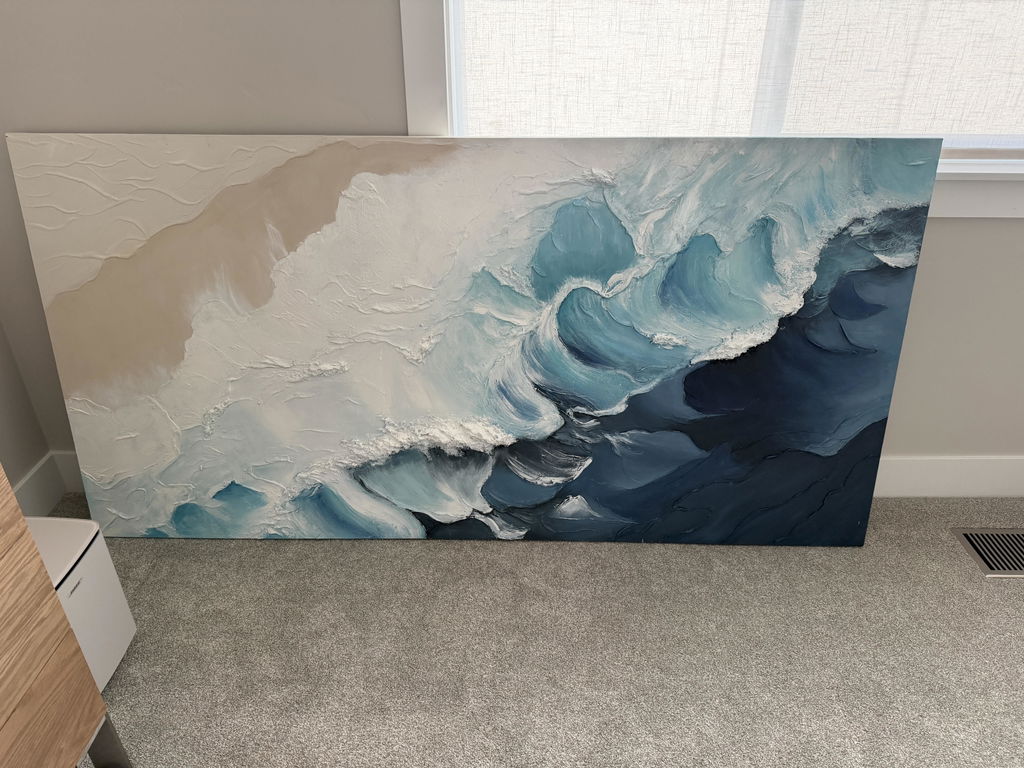
| Texture | "Buttery" but lacks body | Heavy Impasto / High Viscosity |
| Hiding Power | Translucent (requires multiple coats) | High Opacity (single-stroke coverage) |
Engineering Predictability: Lightfastness and Spectral Reflectance
In luxury projects, the art must coexist with complex lighting schemes. Designers working with architects often coordinate pigment specifications alongside wall paint selections to ensure the art's color depth complements environmental lighting.
The LED Fading Paradox
A critical challenge for modern designers is the discrepancy between traditional lightfastness ratings and contemporary lighting technology. While ASTM D4303 Standard Test Methods provide a robust framework for measuring resistance to sunlight, research indicates that artificial LED lighting causes different fade patterns. Some pigments show up to 30% faster fading under high-output LED fixtures despite holding high UV ratings. For high-value commissions, we recommend requesting spectral reflectance data from the artist or manufacturer to ensure the color remains stable under the specific Kelvin temperature of the project's lighting plan.

The Role of Refractive Index
The "soul" of a hand-painted mural lies in its interaction with light. The Getty Conservation Institute notes that pigment reflection is dominated by absorption and scattering coefficients. The physical difference in the surface refractive index is what creates the deep, velvety saturation seen in original oils—an effect that digital prints, which rely on a flat ink-on-paper substrate, cannot replicate. This "essential identity" of the physical medium is why consumers value art labeled "AI-generated" 62% lower than authentic human-created art, as shown in studies by Columbia University.
The Biological ROI: Why Pigment Quality Influences Occupant Health
The value of high-quality, hand-painted art extends beyond aesthetics into the realm of public health and cognitive performance. For commercial developers and healthcare providers, murals are increasingly viewed as "public health infrastructure."
Biophilic Design and Stress Reduction
A critical review by the University of Pennsylvania found that 61% of patients in clinical environments explicitly stated that environmental artworks reduced their stress levels. Nature-themed, biophilic murals have been shown to produce the same stress-reduction effects in the brain as being outdoors, accelerating healing and sparking creativity. This is supported by WHO scoping reviews confirming that art interventions effectively alter clinical indicators for brain injuries and mental illness.

Neurological Mechanisms of "Passive Viewing"
Why do hand-painted walls feel more comfortable than digital reproductions? Neurological research published in PMC shows that passive art viewing consistently activates the medial prefrontal cortex (mPFC) and the amygdala, optimizing emotional regulation circuits. The microscopic topography of hand-applied pigment—the mm-scale texture—is crucial to this aesthetic experience. Optical microprofilometry has proven that this texture stimulates intrinsic motivation and satisfaction in ways that flat images cannot.
Safety and Environmental Compliance: The Trade Standard
For designers working on LEED or WELL-certified projects, the chemical composition of art materials is a non-negotiable compliance factor. Indoor air quality (IAQ) is a primary concern, as the EPA warns that indoor air pollution can be significantly higher than outdoor levels.
VOCs and Heavy Metal Risks
While many artists prefer traditional oil mediums, the solvents used (such as turpentine) emit high levels of toxic Volatile Organic Compounds (VOCs). Modern trade partners prioritize low-VOC alternatives and water-based acrylics that pass strict air quality tests. Furthermore, the presence of heavy metals in pigments poses a long-term risk. The International Agency for Research on Cancer (IARC) classifies cadmium and its compounds as Group 1 carcinogens. While ECHA data shows that the total cadmium discharged into the ecosystem by artists' paints is relatively low (0.09%), the risk of chronic inhalation or dermal exposure for artists and occupants remains a concern.
Professional trade partners mitigate these risks by:
- Utilizing non-toxic, sustainable alternatives like walnut oil or hemp canvases.
- Ensuring all materials comply with ASTM D-4236 chronic health hazard labeling.
- Pledging transparency in fair artist compensation, appealing to the 87% of consumers who demand ethical labor practices in the creative economy.
Commercial Valuation: Art as a Real Estate Catalyst
For commercial developers, the decision to invest in high-quality murals is driven by measurable financial returns. Data from the Royal Society found that neighborhoods with higher "art" geo-tags experienced greater relative house price ranking gains.
Boosting Property Revenue and Foot Traffic
In urban business districts, large-scale murals act as "permanent physical billboards," driving significant pedestrian foot traffic. A University of Cincinnati regression analysis of over 300 murals confirmed this direct correlation. Furthermore, public art projects, such as those in Chicago’s Millennium Park, have driven an estimated $1.4 billion in real estate-related growth. For property owners, a single mural investment boasts hyper-leverage in triggering capital interest and reducing vacancy rates—a tactic currently utilized by top CRE developers to lease millions of square feet of office space.

Professional Verification Protocols for Designers
To ensure project success, interior designers should adopt rigorous verification protocols when sourcing art for high-value projects.
- Request Batch Testing Certificates: For large commissioned pieces, ensure the pigment load is consistent across the entire work.
- Verify Lightfastness: Demand ASTM D4303 certification for all pigments used, particularly for rooms with southern exposure.
- Audit the "Three-Year Rule": If a manufacturer cannot guarantee a pigment concentration above 40%, factor in the cost of UV-protective varnishes or potential replacement.
- Coordinate with Lighting Specs: Use spectral reflectance data to ensure the art's chroma values (ideally between 0.4 and 0.6 for residential comfort) align with the interior's LED plan.
Modeling Note: Predicting Film Longevity
To help designers visualize the impact of material selection, we have modeled the degradation of oil paint films based on common industry heuristics and environmental stressors.
| Parameter | Value / Range | Unit | Rationale |
|---|---|---|---|
| Initial Pigment Load | 35 - 45 | % (Vol) | Standard for artist-grade performance |
| UV Exposure (Annual) | 1,260 | MJ/m² | Based on Micom Laboratories Method C parameters |
| Relative Humidity | 55 ± 5 | % | Typical indoor climate-controlled environment |
| Binder Cross-linking | High | - | Assumes quality linseed or walnut oil |
| Estimated Life to Fade | 25 - 50 | Years | Expected duration before 10% color shift |
Method & Assumptions: This is a deterministic scenario model, not a controlled lab study. It assumes the use of lightfastness Category I pigments and a standard 2-mil dry film thickness on a primed, non-porous substrate. Results may vary significantly if Support Induced Discoloration (SID) occurs due to water-soluble impurities in the canvas.
By prioritizing technical specifications like pigment load and lightfastness, interior designers transform art from a subjective decorative choice into a predictable, high-value architectural asset. In an era where the art market is retreating from vanity and moving toward authenticity, the "magic" of the artist's hand is best preserved through the cold, hard science of superior materials.
Disclaimer: This article is for informational purposes only and does not constitute professional health, safety, or legal advice. The handling of certain pigments (such as cadmium or lead-based materials) and solvents poses significant health risks. Always consult a certified industrial hygienist (CIH) or safety professional when designing art installations for public or residential spaces.
Sources
- Marketplace: The expensive art market continues to struggle
- Art Basel and UBS Art Market Report 2024
- Columbia University: Human-Made vs. AI Art Study
- ASTM D4303 Standard Test Methods for Lightfastness
- Getty Conservation Institute: Color Science and Pigment Mixture
- Royal Society: Quantifying the link between art and property prices
- EPA: Indoor Air Quality and Low-VOC Paints
- CDC NIOSH: Paint and Coating Hazards
- IARC: Cadmium and Cadmium Compounds
- University of Pennsylvania: Visual Art in the Built Environment