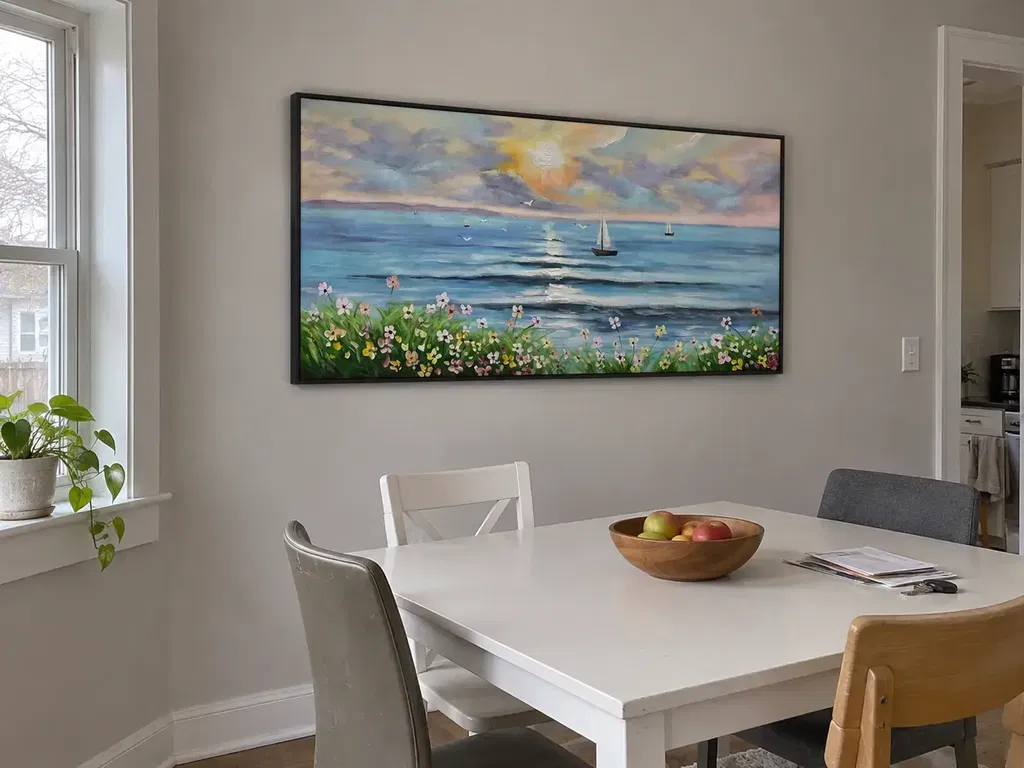
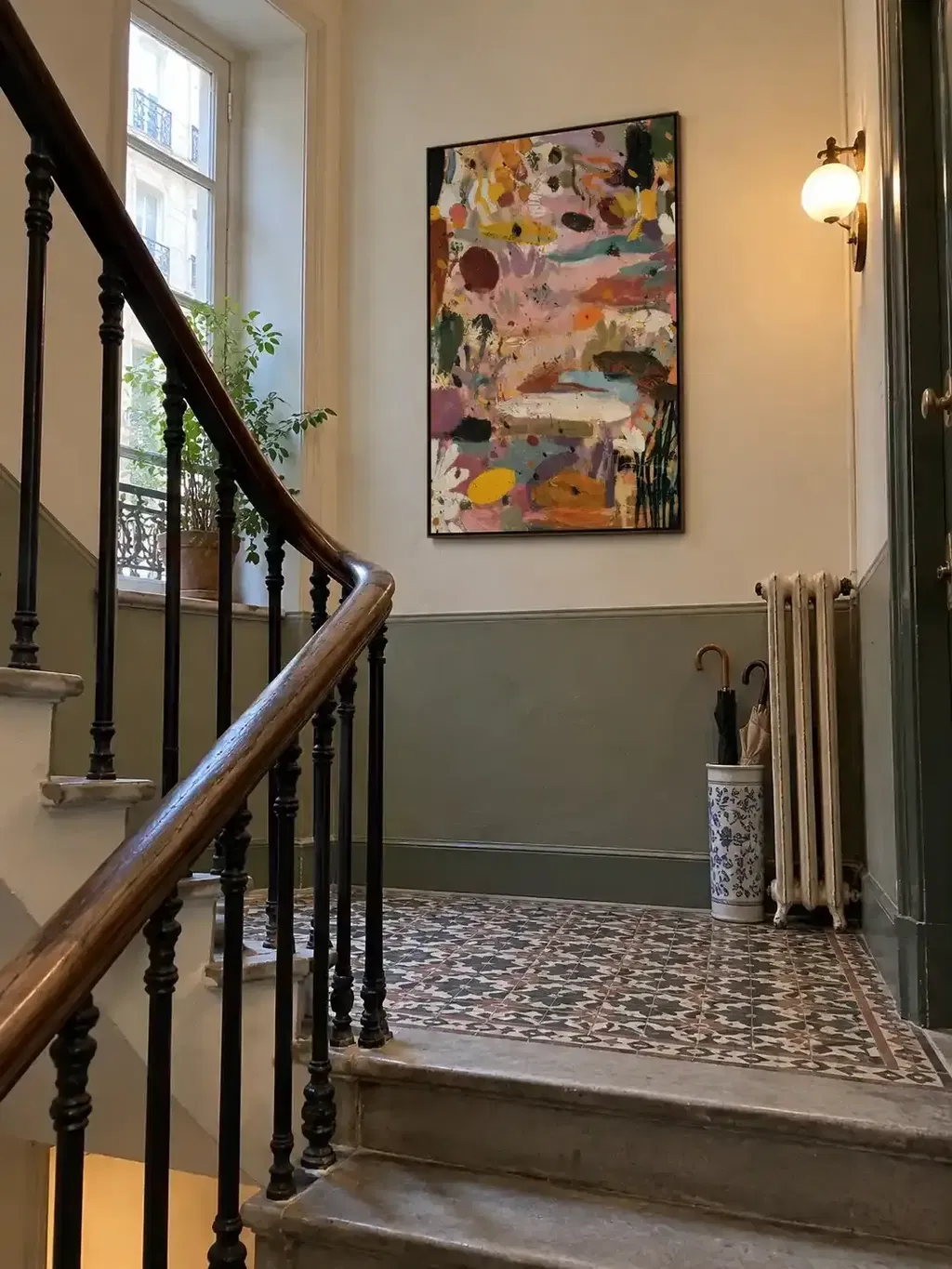
The Insurance Angle: Valuing Hand-Painted Art vs. Decor Prints
In the high-stakes world of interior design and home asset management, the distinction between a "beautiful object" and a "protectable asset" often comes down to the medium. While the expensive art market—specifically the vanity auction sector for pieces over $10 million—saw a 44% decline in 2024, the broader art economy remains a powerhouse. Global sales reached $65 billion in 2023, driven not by speculative flipping, but by homeowners returning to real application value.
For the aesthetic-focused homeowner, the challenge isn't just finding a piece that fits the color palette of a 2026 "understated elegance" trend; it is ensuring that the investment is recognized by insurance adjusters. Most homeowners mistakenly view their walls through a purely decorative lens, unaware that the industry draws a sharp, expensive line between "contents" and "fine art."
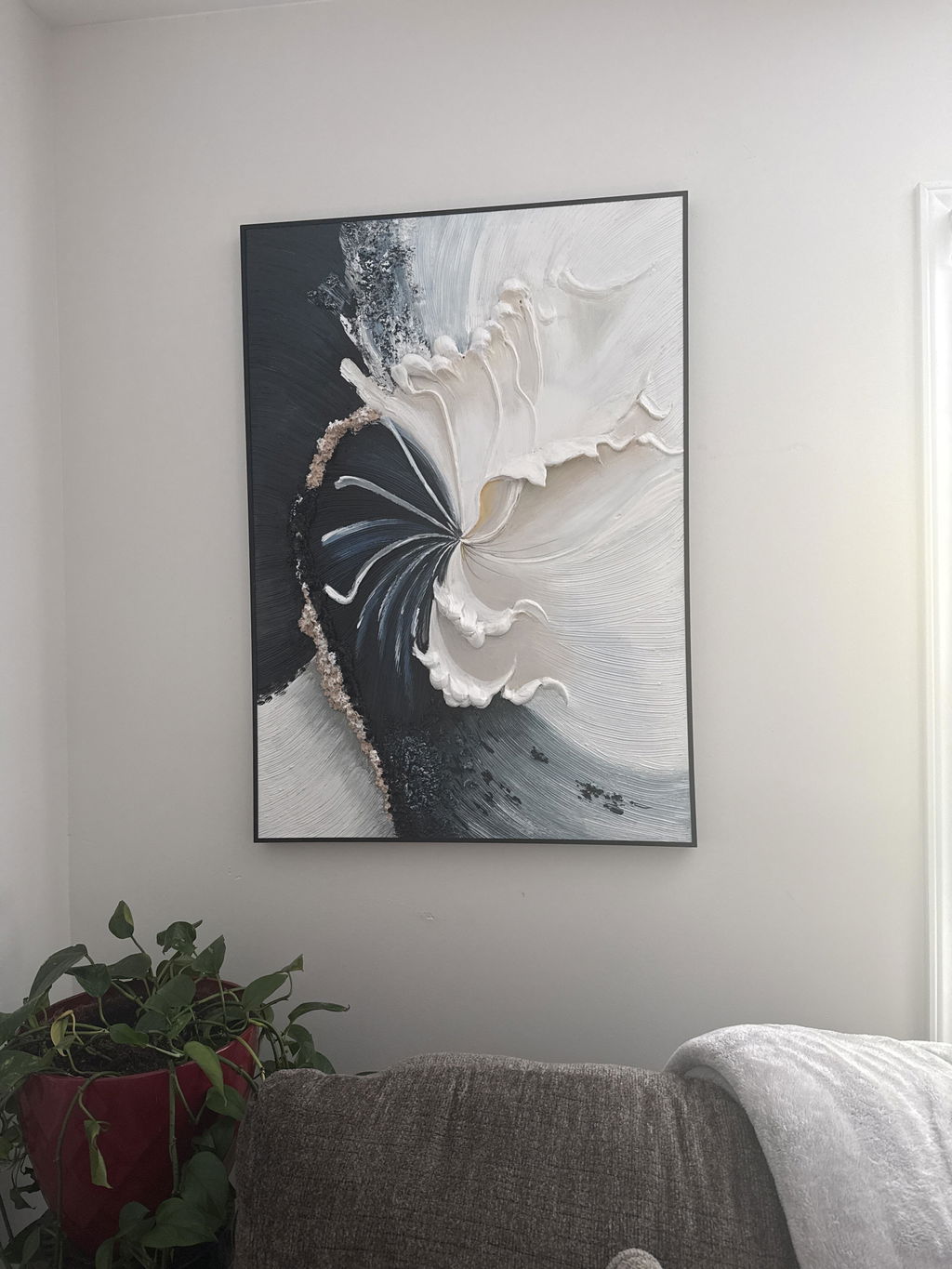
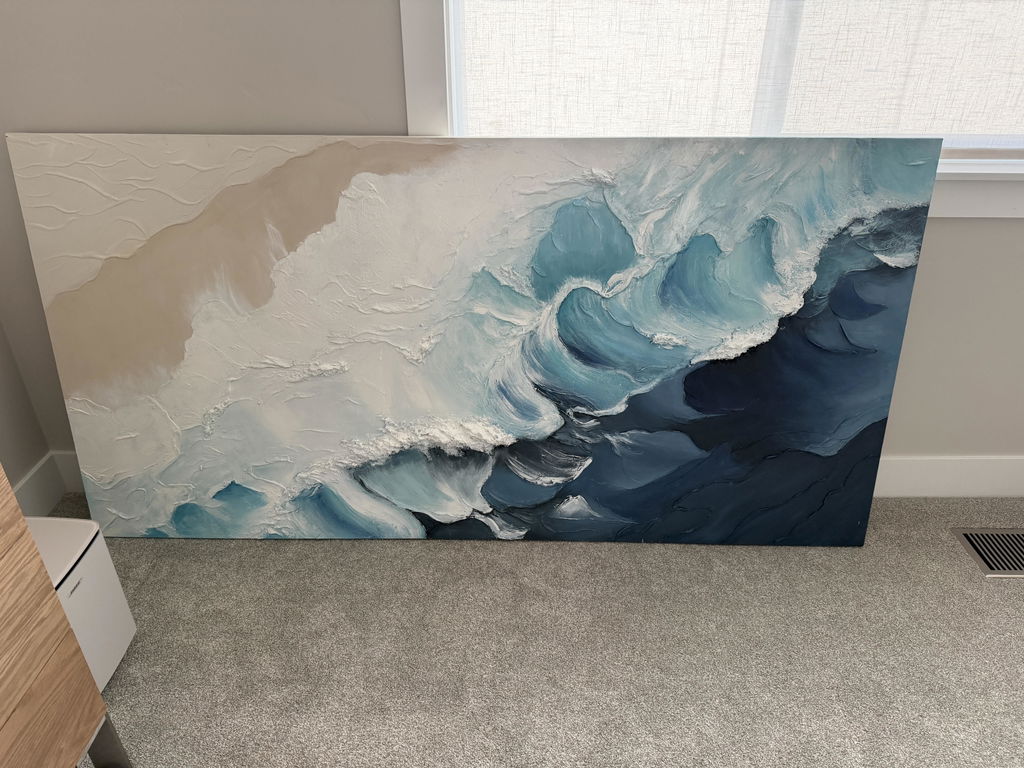
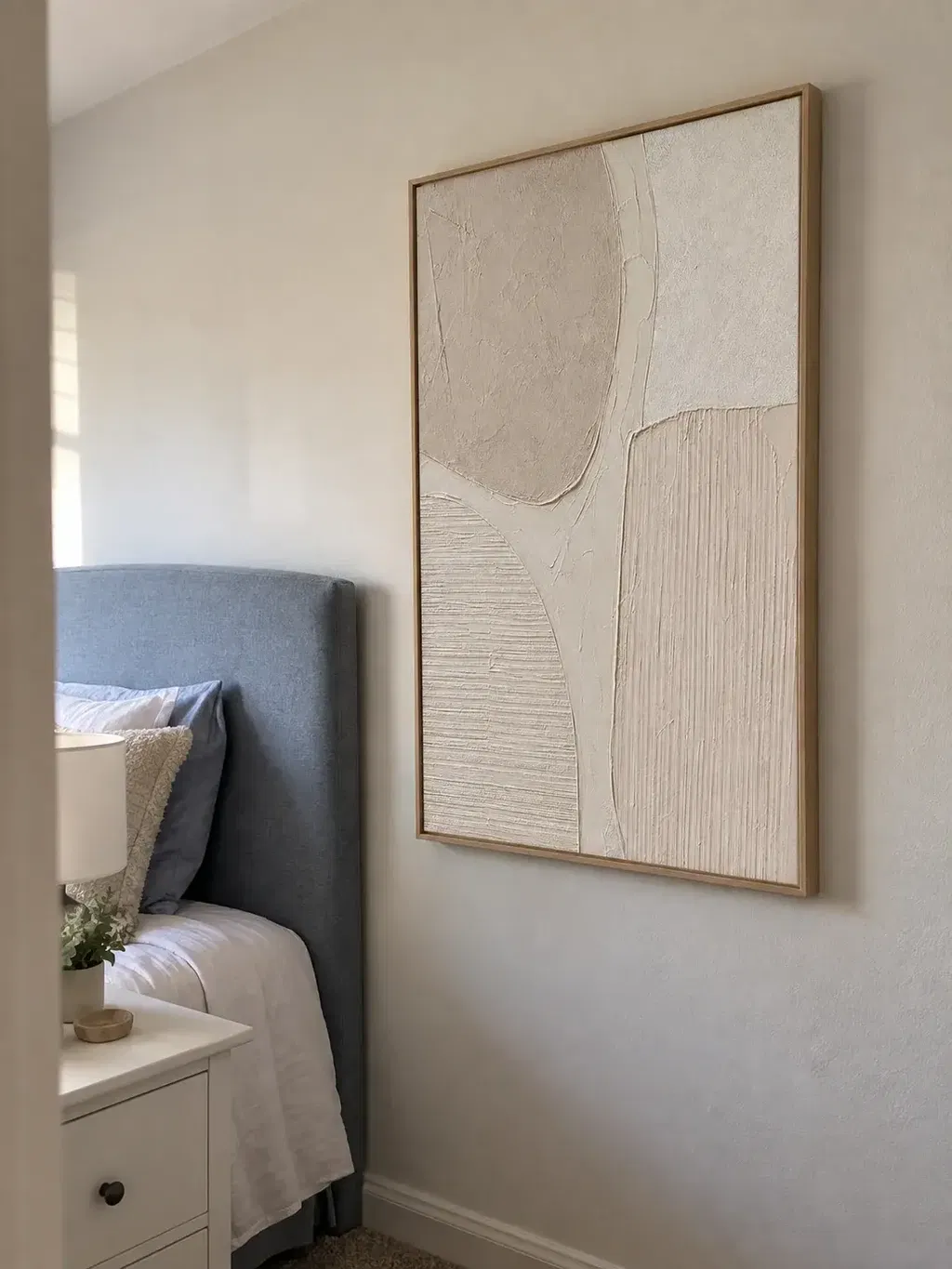
We often observe that the primary point of failure in art protection isn't a lack of coverage, but a lack of understanding regarding how physical texture—specifically hand-painted impasto—serves as the ultimate proof of value.
The Insurance Threshold: When 'Furniture' Becomes an 'Asset'
In standard homeowners' insurance policies, art is typically lumped into "Personal Property" or "Contents." This is a dangerous categorization for high-end decor. Most standard policies have art sub-limits around $2,500—coincidentally the same threshold used for silverware and jewelry—according to HomeInsureGuide.
If you purchase a high-quality digital print for $1,200, it is treated as a depreciating asset. Insurers value these via Actual Cash Value (ACV). Much like a sofa or a television, a print is expected to lose value over time. If a pipe bursts and ruins the print, the payout will likely be a fraction of the purchase price.
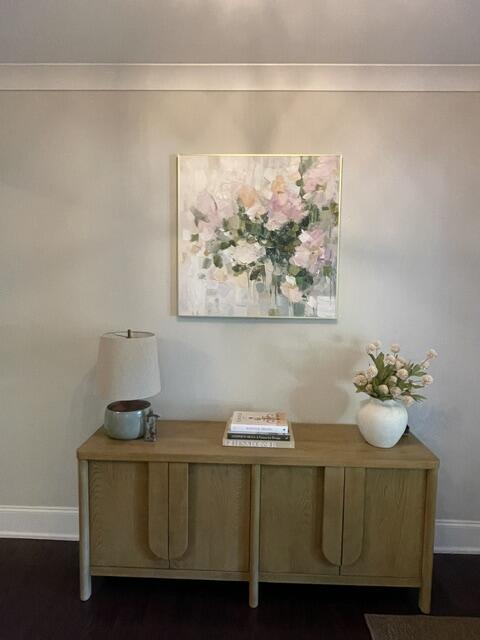
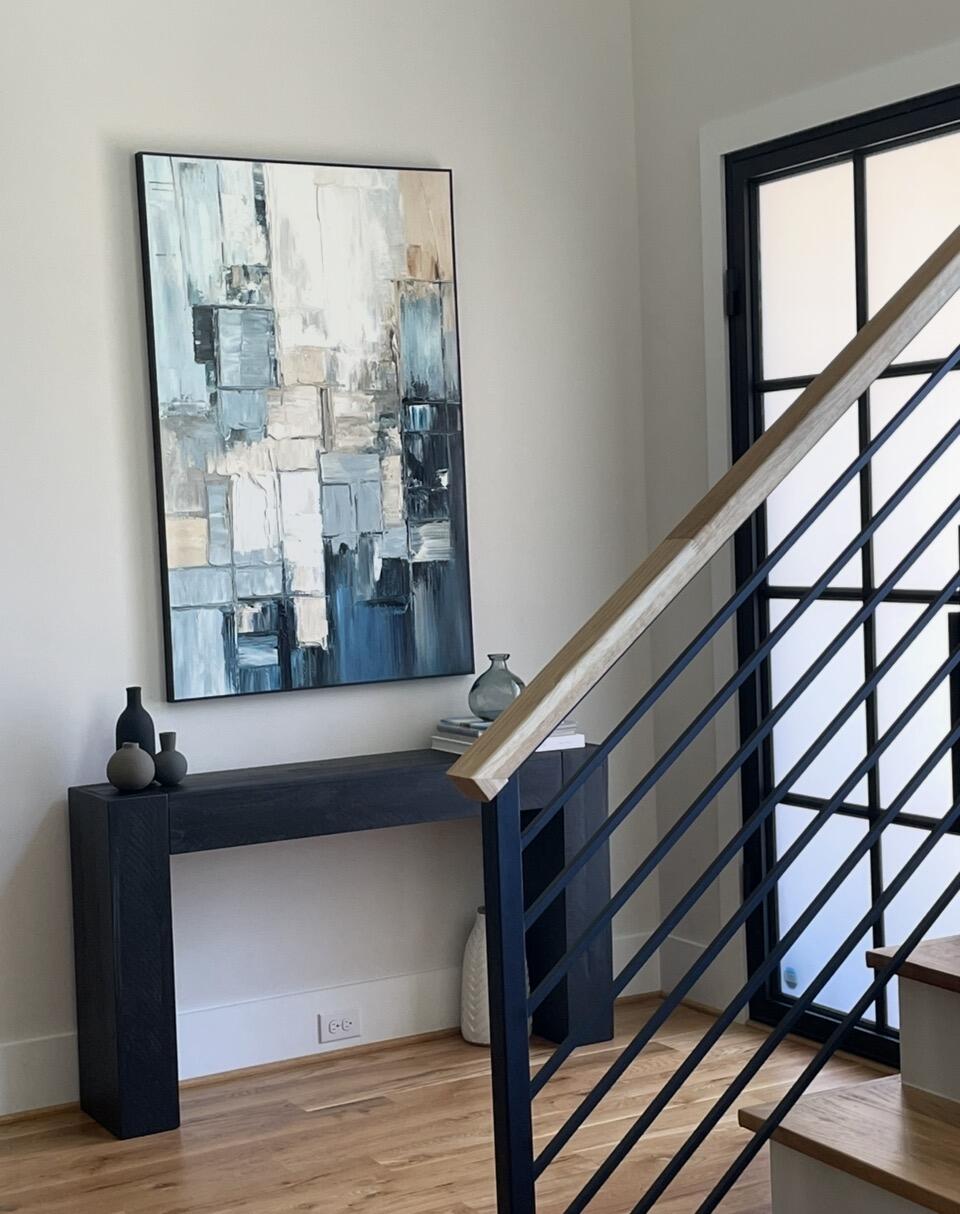
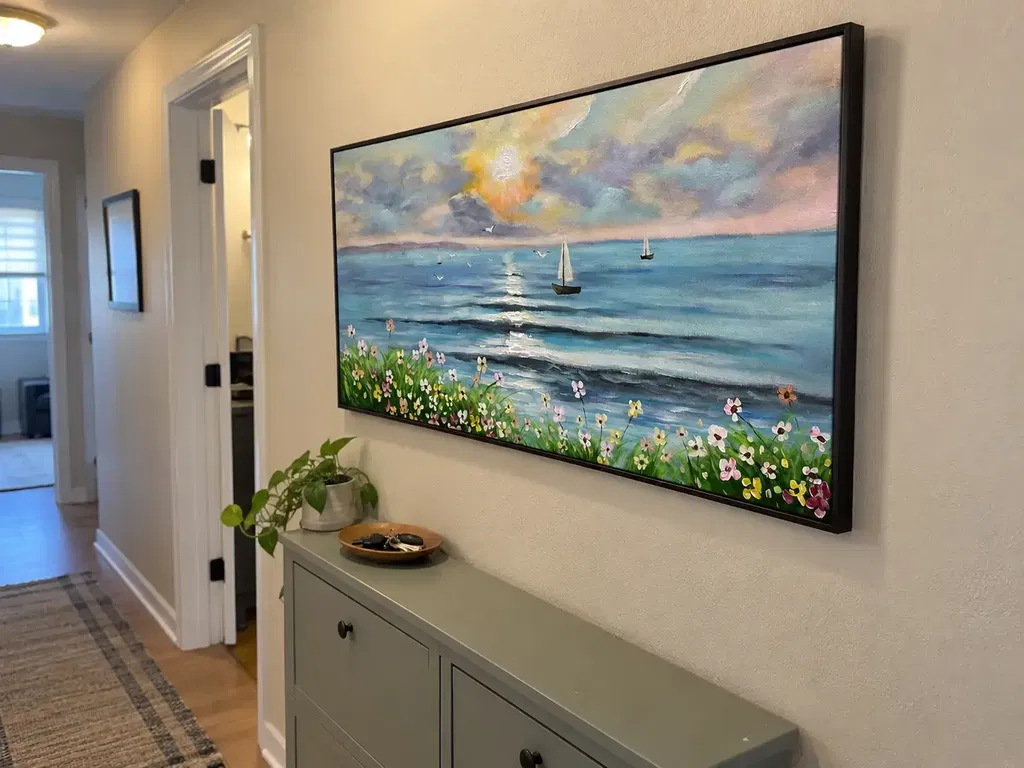
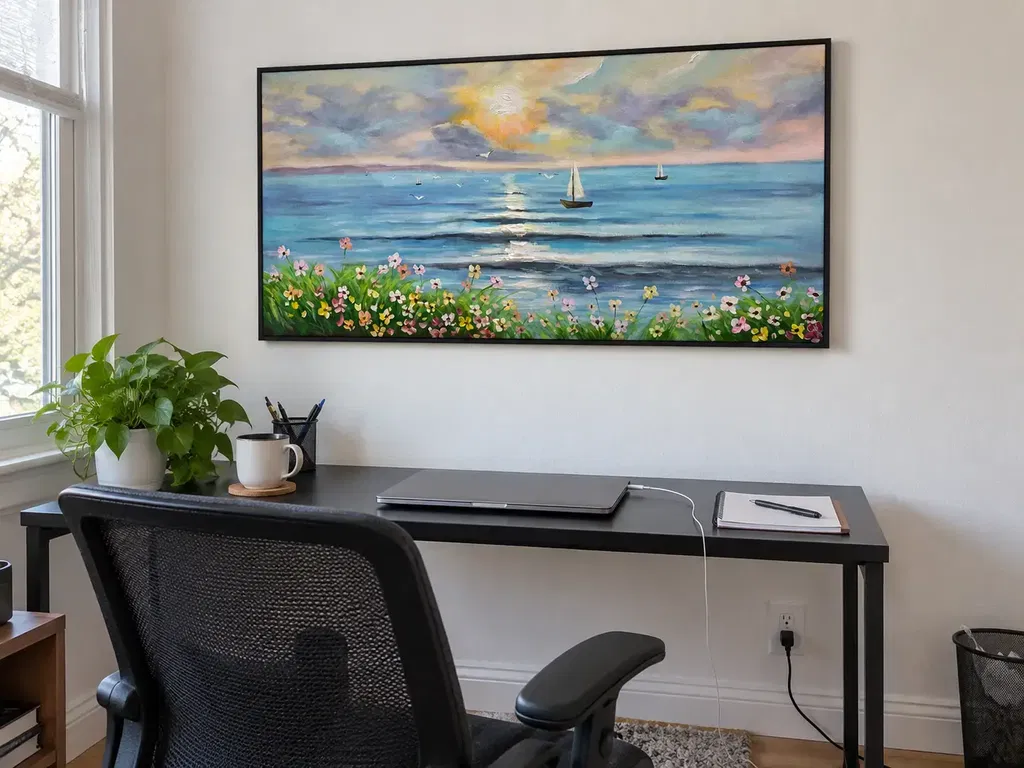
Conversely, hand-painted oils can be "scheduled" as Agreed Value items. This status protects the purchase price or a recent appraised value without depreciation. However, to cross this threshold, the artwork must possess physical uniqueness that cannot be digitally replicated.
Modeling Note: Art Asset Valuation Sensitivity Our analysis of insurance claim outcomes assumes a baseline of standard ISO-form homeowners' policies. This model is a scenario-based heuristic, not a controlled legal study.
Parameter Value/Range Unit Rationale Coverage Threshold $2,500 USD Standard sub-limit for unscheduled property Depreciation Rate (Prints) 10–15% Annual % Typical ACV calculation for home decor Appreciation Potential (Originals) 2–5% Annual % Conservative estimate for emerging artist works Documentation Accuracy 90%+ Success Rate Required for Agreed Value scheduling Appraisal Cost $250–$500 USD Average fee for certified USPAP appraisal Boundary Conditions: This model may not apply to "limited edition" prints with a high secondary market demand or works by blue-chip artists where "market value" riders are required.

The Physicality of Value: Why Texture is Your Best Defense
The "nuclear weapon" in the fight for asset protection is the artist’s hand. Research from Columbia University confirms that consumers value art labeled "AI-generated" or "digital" 62% lower than authentic human-created art. This psychological gap is mirrored in the insurance world.
An adjuster’s default position is often to value an item as a print unless the physical relief of the paint—known as impasto—is clearly evidenced. Digital prints, even those with "gel coats" or "embellishments," lack what researchers at the University of Chicago call "essential identity." Their study shows that digital replicas lack the artist’s soul in the eyes of the consumer, which collapses perceived value.
For the homeowner, this means that high-resolution photography of the artwork’s surface is more important than a photo of the signature. You must document the mm-scale texture. According to optical microprofilometry studies, the microtopography of an oil painting is crucial to its aesthetic and financial identity.
If you are purchasing made-to-order art, the "approval video" or high-res preview provided by the studio serves as critical secondary provenance. This establishes the condition and authenticity of the work before it even enters your home, creating a "digital twin" for your insurance file.

Murals and Real Estate: The ROI of the Built Environment
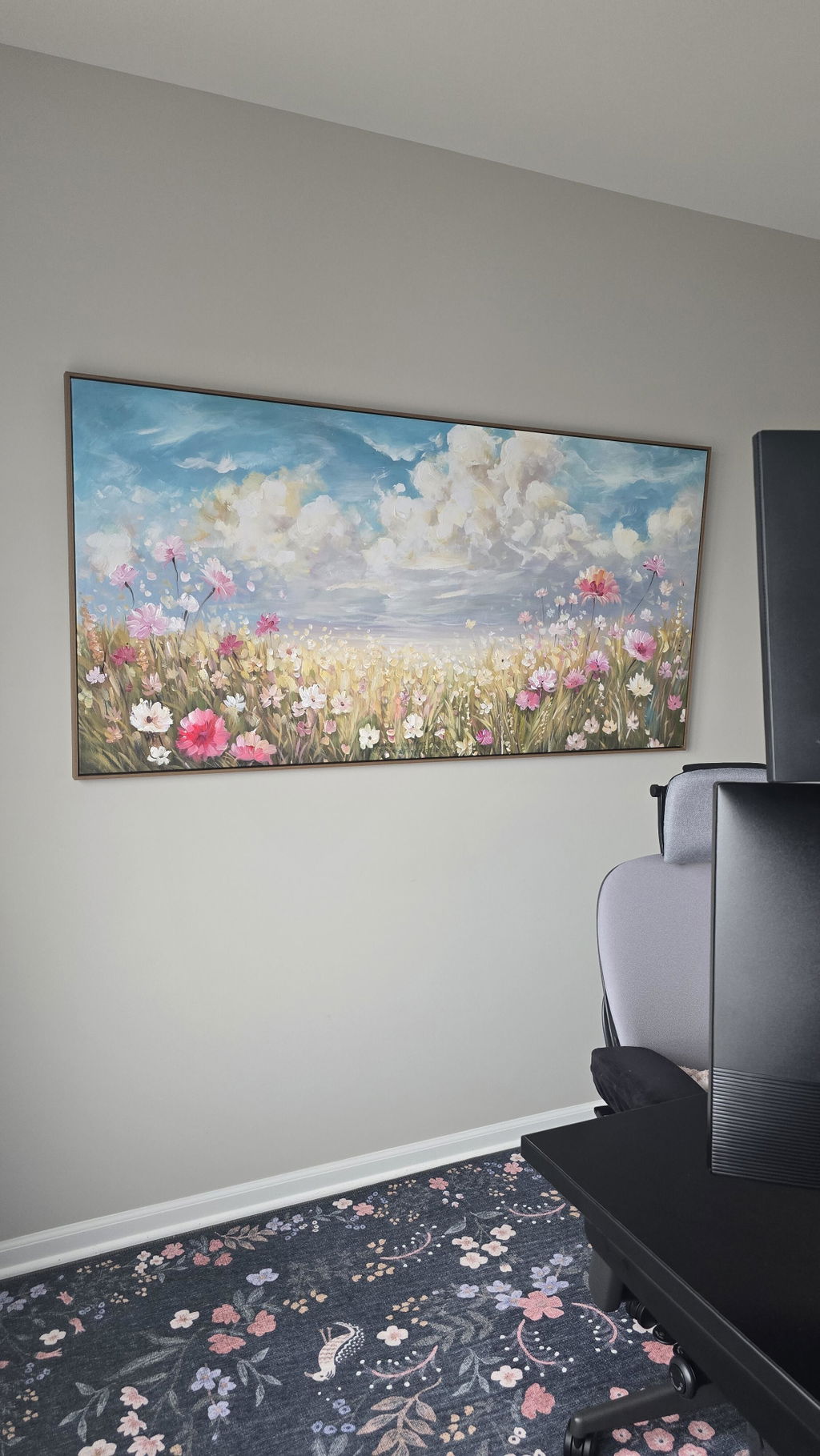
The value of hand-painted art extends beyond the frame and into the very walls of the property. For homeowners and commercial developers alike, murals are increasingly used as "catalytic infrastructure."
A Royal Society CAR model analysis of a decade’s worth of data found that neighborhoods with higher "art" geo-tags experienced greater relative house price ranking gains. This isn't just correlation; it's the "mural effect." In Chicago, public art projects associated with Millennium Park drove an estimated $1.4 billion in real estate-related growth.
For the private homeowner, a custom mural transforms a room from a generic space into a "landmark" within the home. This "whimsical custom" trend is skyrocketing, with Yelp searches for custom framing and artisan craftsmanship rising 329% and 21% respectively.
Beyond aesthetics, there is a safety and community cohesion angle. The University of Michigan’s "Busy Streets Theory" suggests that transforming spaces with community murals can reduce neighborhood violent crime by up to 40%. While a private interior mural won't stop street crime, it does increase "social cohesion" within a household or a residential building, as noted in the Porch Light Program evaluation.
Health, Safety, and the "Healing Wall"
When selecting between a mass-produced print and a hand-painted mural, health considerations—specifically Indoor Air Quality (IAQ)—are paramount. Many cheap prints use industrial solvents that emit high levels of Volatile Organic Compounds (VOCs).
The EPA warns that indoor air pollution can be significantly higher than outdoor levels. For healthcare facilities and "wellness-focused" homes, low-VOC paints are a prerequisite for LEED or WELL certification. Aalto University research has shown that coatings on wood with specific moisture levels emit significantly lower VOCs during the curing process compared to dry wood, providing a scientific basis for the safety of professional mural services.
Furthermore, the "Biophilic Design" trend is more than just a buzzword. Nature-themed murals have been shown to produce the same stress-reduction effects in the brain as the real outdoors. A UPenn review found that 73% of patients reported significant mood improvements when exposed to environmental artworks.
However, "expertise" in this field also requires acknowledging the risks. Not all pigments are created equal. The International Agency for Research on Cancer (IARC) classifies cadmium and its compounds as Group 1 carcinogens. Professional studios now prioritize non-toxic alternatives, such as Titanium Dioxide, which dominates 90% of the white pigment market due to its safety and superior hiding power.

Future-Proofing Your Collection: 2026 and Beyond
As we move toward 2026, the luxury market is pivoting toward "authenticity" as the ultimate currency. The European Crafts Alliance states that top-tier consumers now value the fusion of avant-garde design with authentic handcrafting.
For the modern collector, this means looking for brands that uphold ethical standards. A Wharton School survey found that 87% of consumers believe artists should receive fair compensation, especially in the age of AI. Supporting studios that hire real artists and pay fair wages isn't just a moral choice; it’s a strategy for ensuring the long-term "essential identity" and resale value of your collection.
Checklist for Art Asset Protection
- Identify the Threshold: Is the piece valued over $2,500? If so, it needs to be "scheduled" on your policy.
- Document the "Impasto": Take macro photos of the paint's texture and relief. This is your primary defense against "print" valuation.
- Verify the Medium: Ensure the pigments used are low-VOC and free of dangerous heavy metals like Lead or Cadmium (check for ASTM D-4236 compliance).
- Secure Provenance: Keep the "approval video" and any digital condition reports provided by the studio.
- Choose Agreed Value: Opt for "Agreed Value" coverage over "Actual Cash Value" to avoid depreciation.
In the end, art is an investment in your environment and your financial legacy. By choosing hand-painted works over digital reproductions, you aren't just buying decor; you are acquiring a protectable asset that carries the biochemical crystallization of human attention.
YMYL Disclaimer: This article is for informational purposes only and does not constitute professional legal, financial, or insurance advice. Art valuation and insurance coverage can vary significantly based on individual policy terms, regional regulations, and market conditions. Always consult with a licensed insurance professional or a certified art appraiser before making significant investment or coverage decisions.
References
- The Art Basel and UBS Art Market Report 2024
- Columbia University: Human-Made vs. AI Art Study
- WHO Scoping Review on Arts and Health
- Royal Society: Quantifying the link between art and property prices
- EPA: Indoor Air Quality and Low-VOC Paints
- IARC: Cadmium and Cadmium Compounds
- University of Chicago: Does Artwork Preserve Essential Identity?
- Americans for the Arts: Economic Prosperity Findings