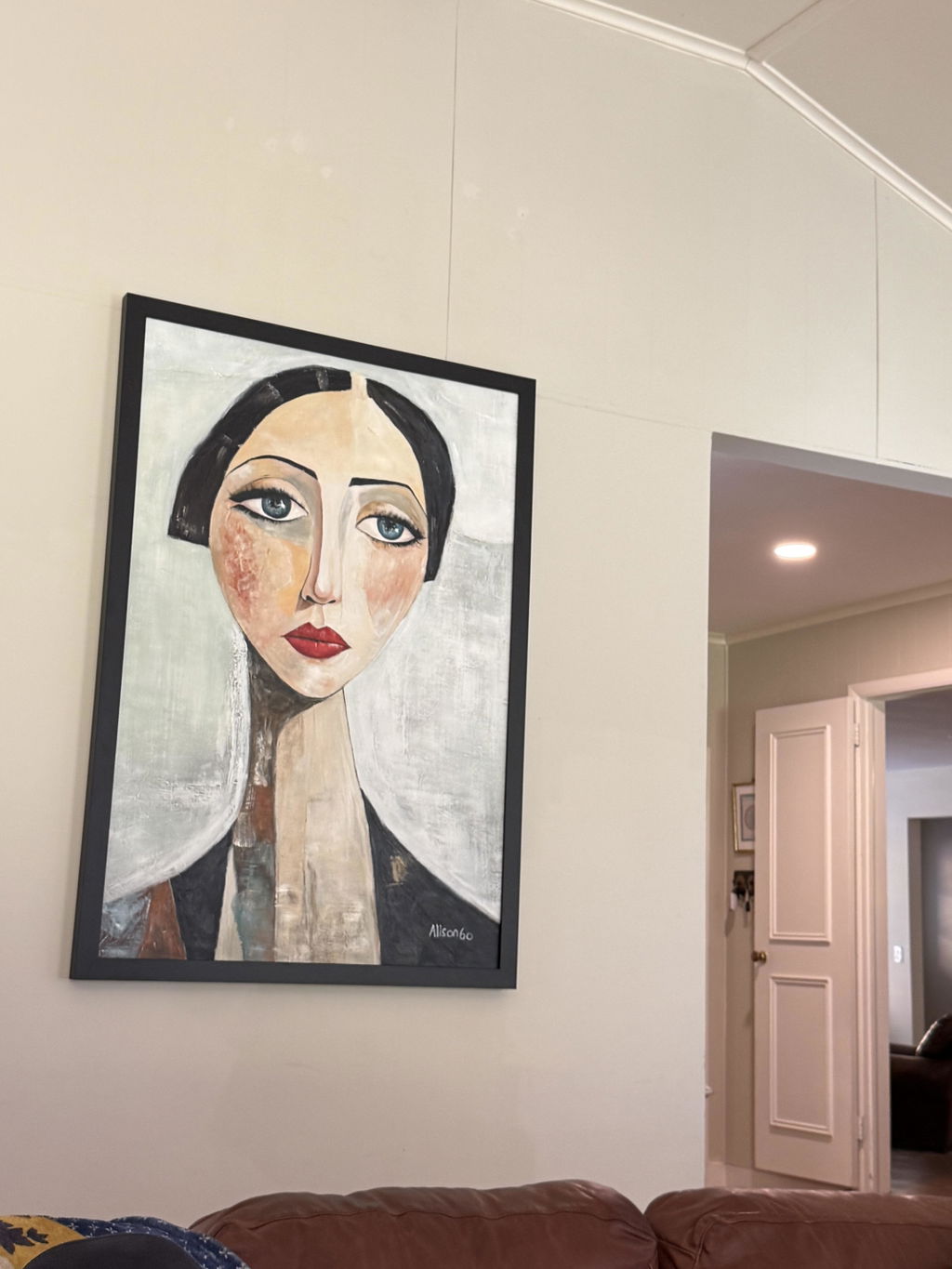
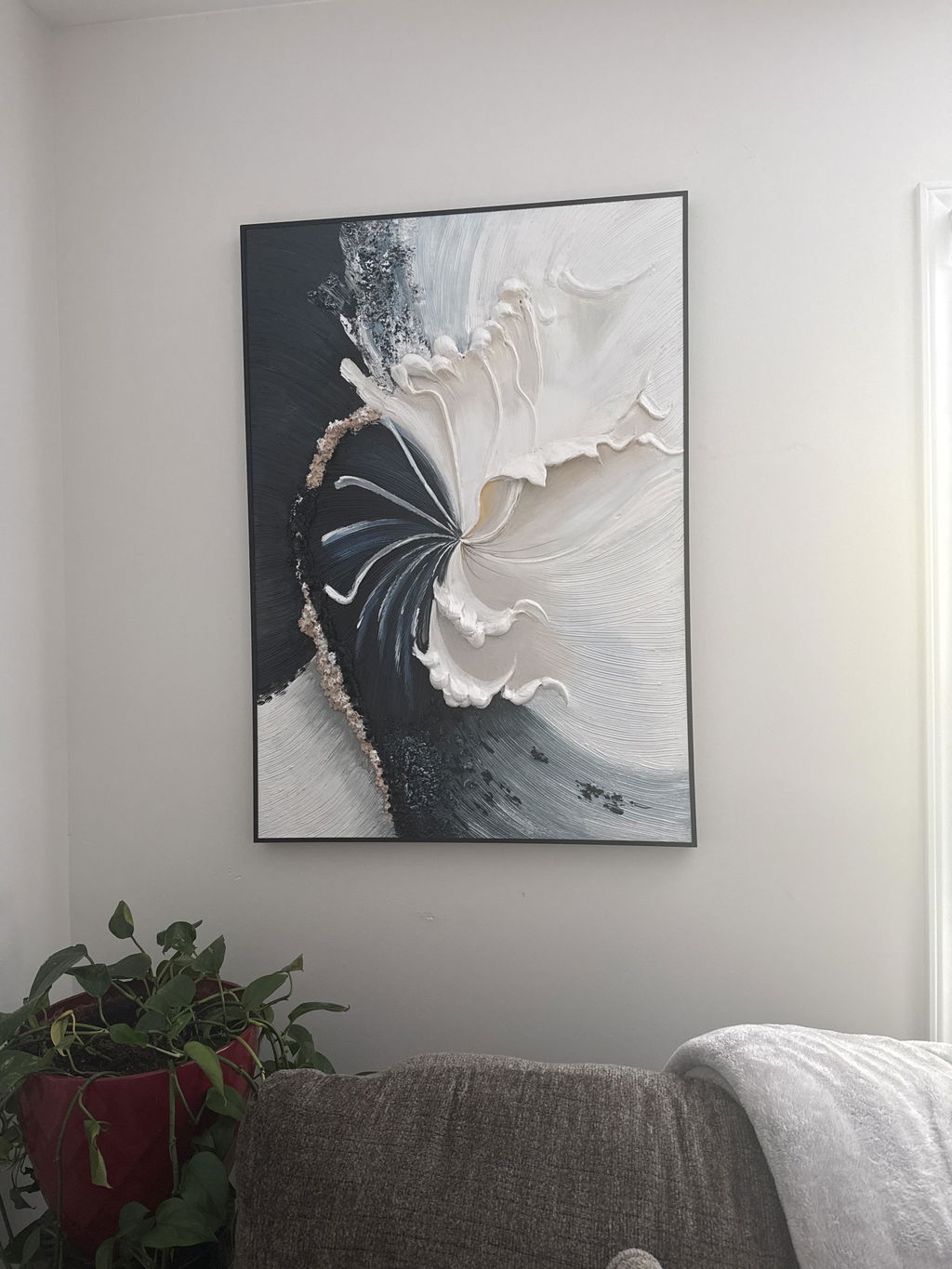
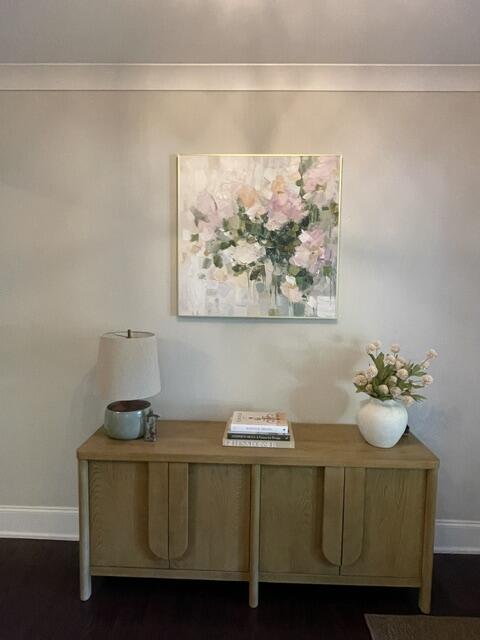
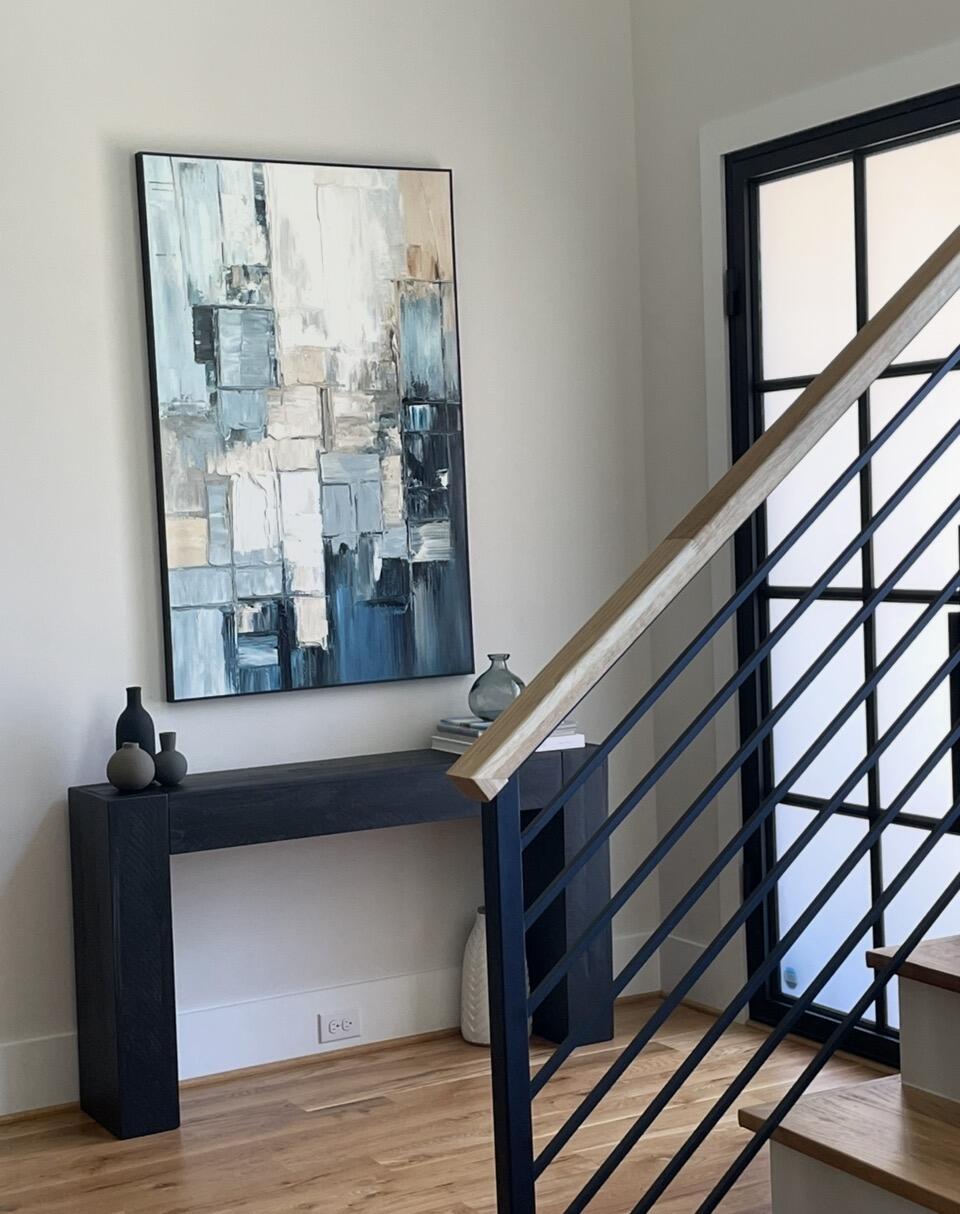
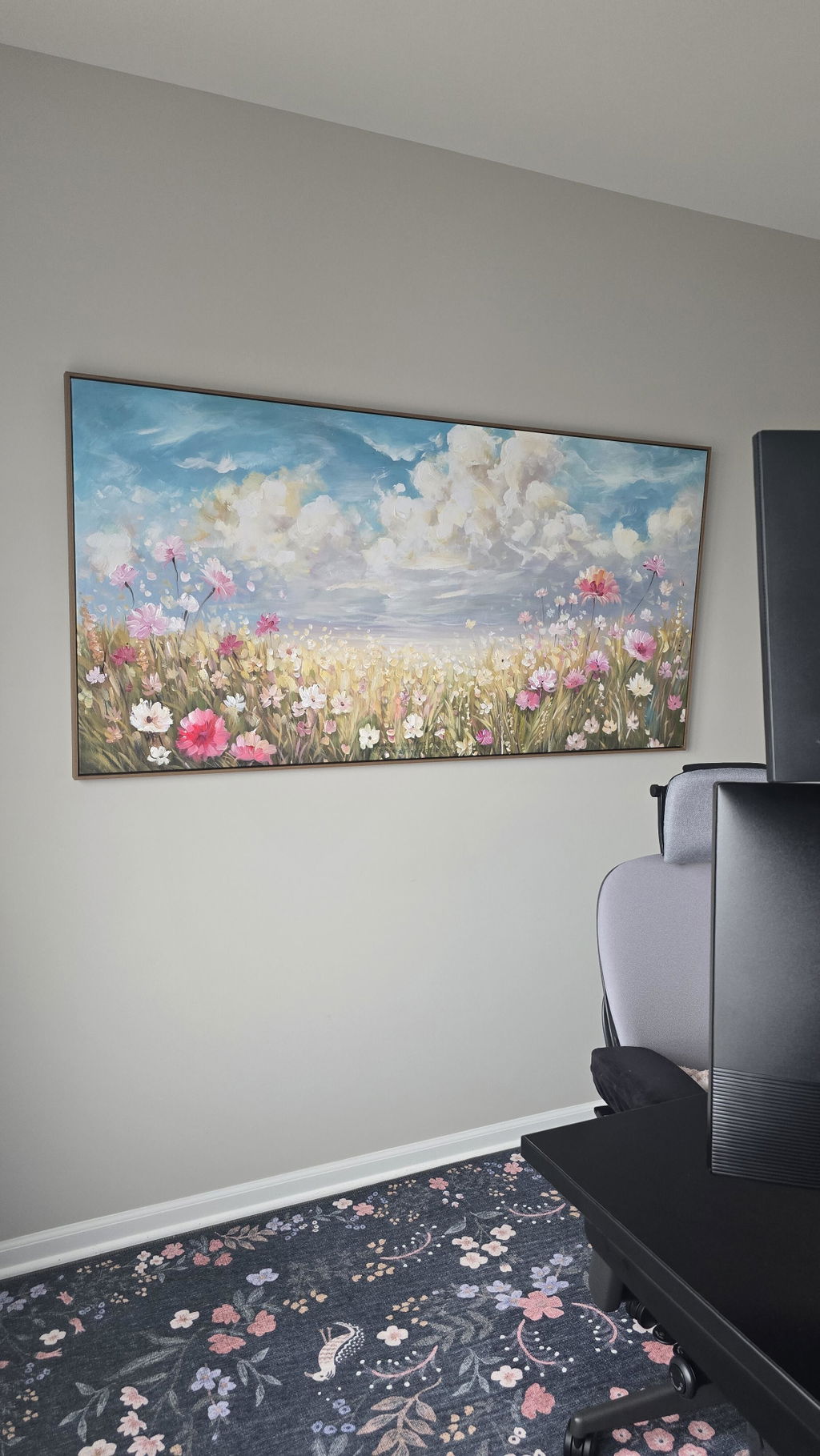
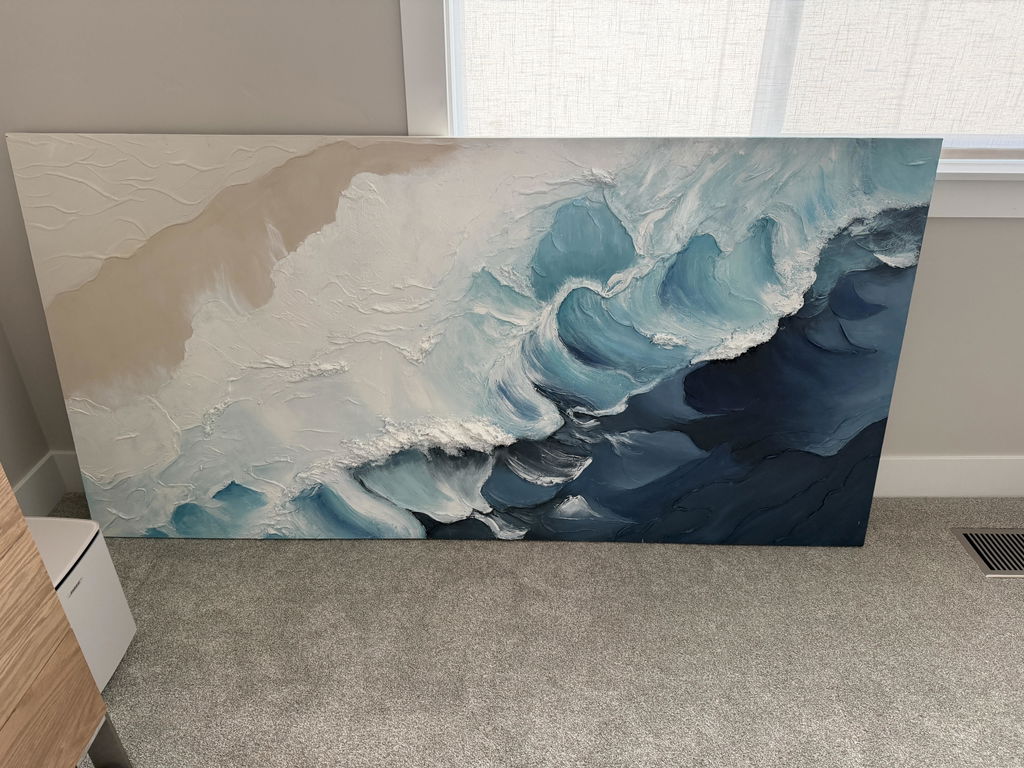
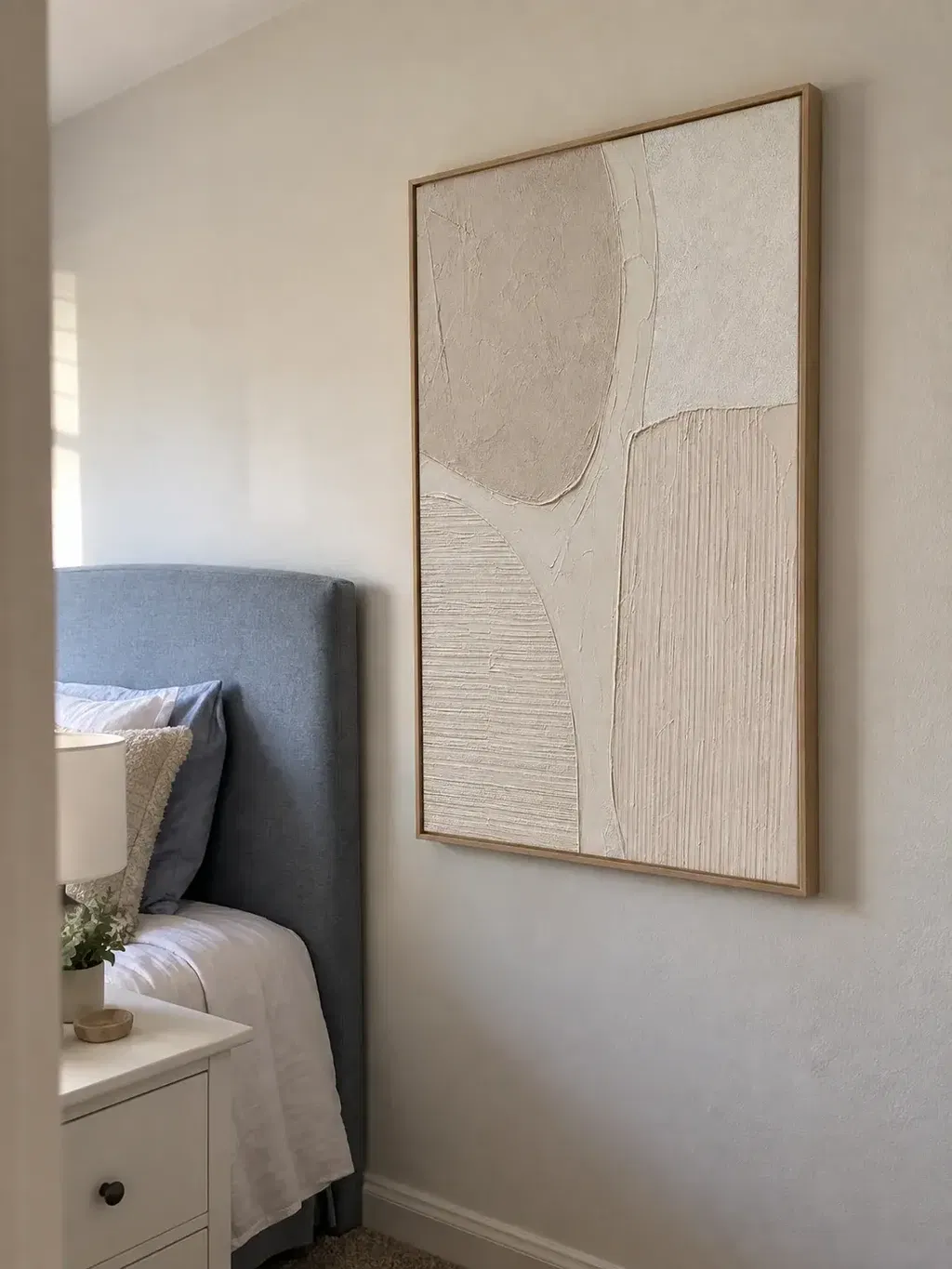
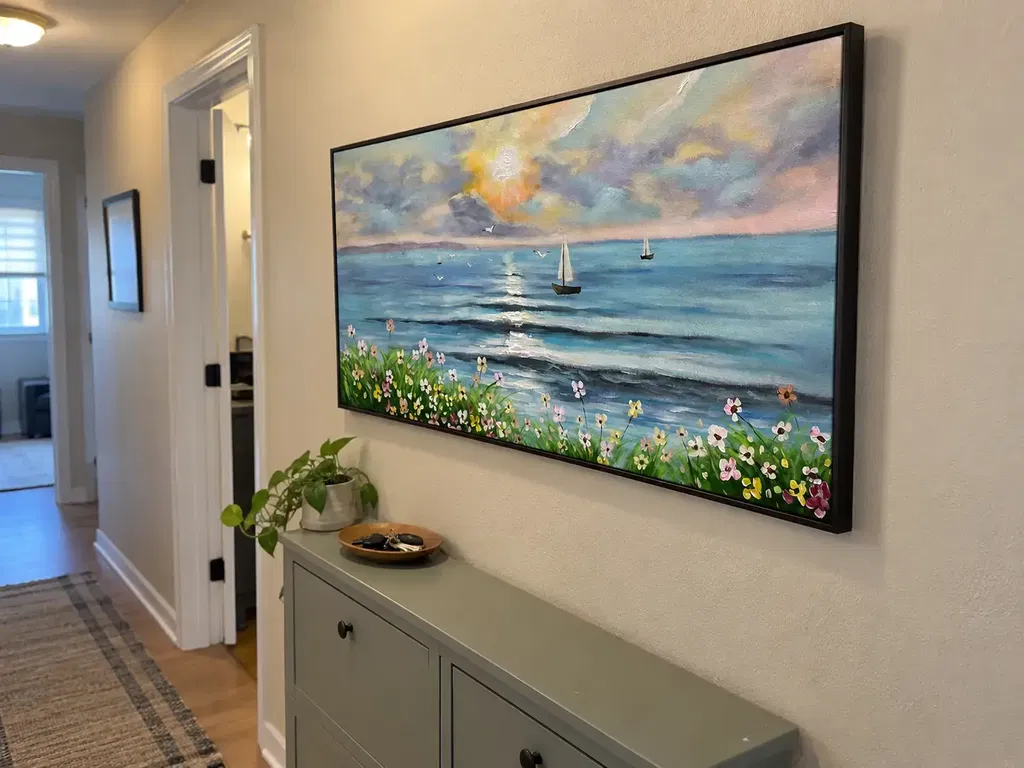
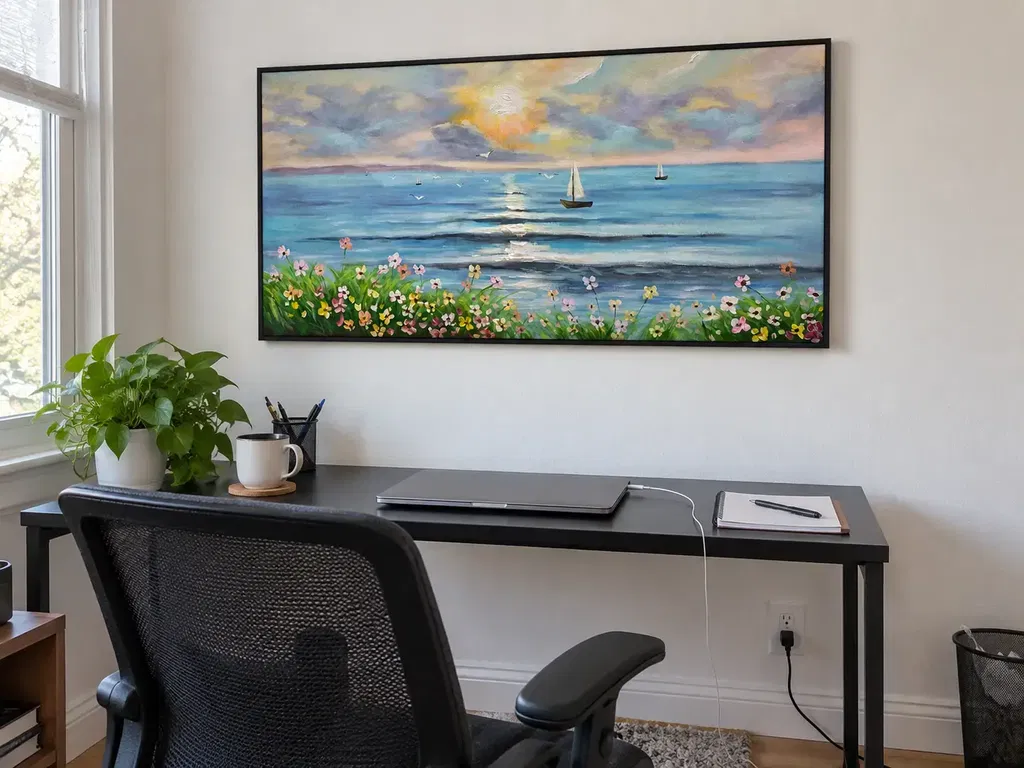
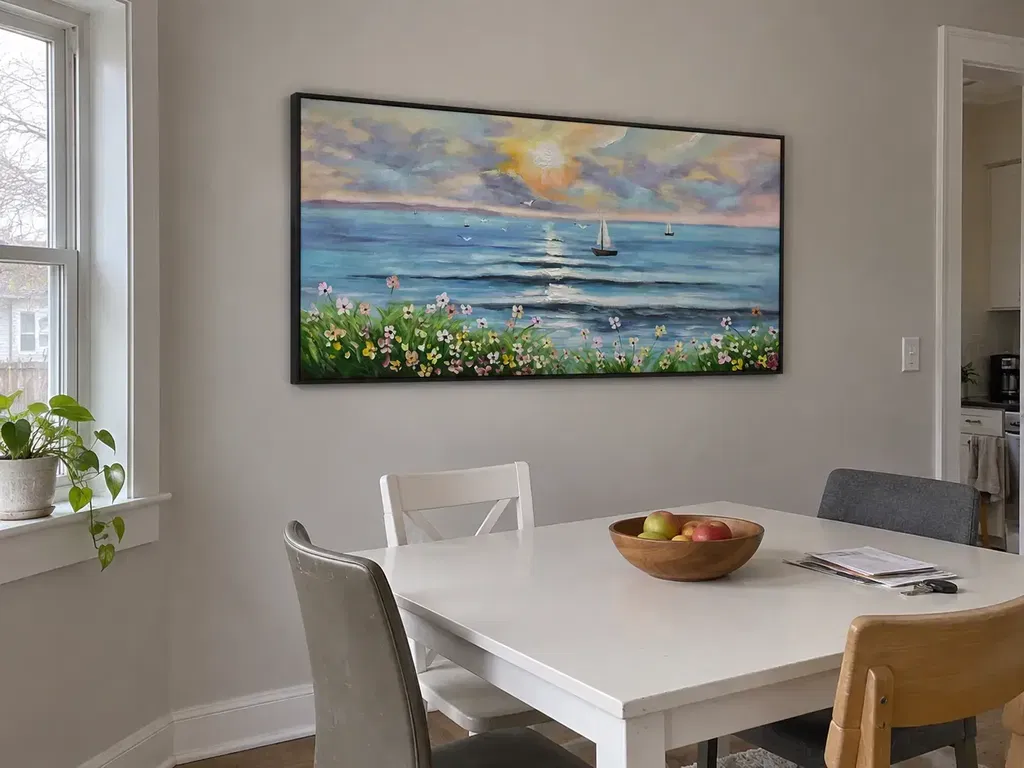
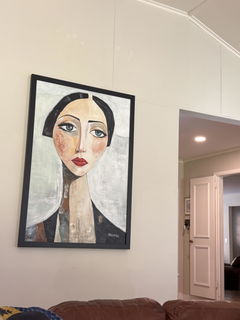
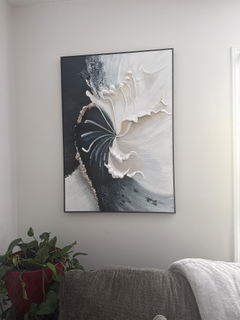
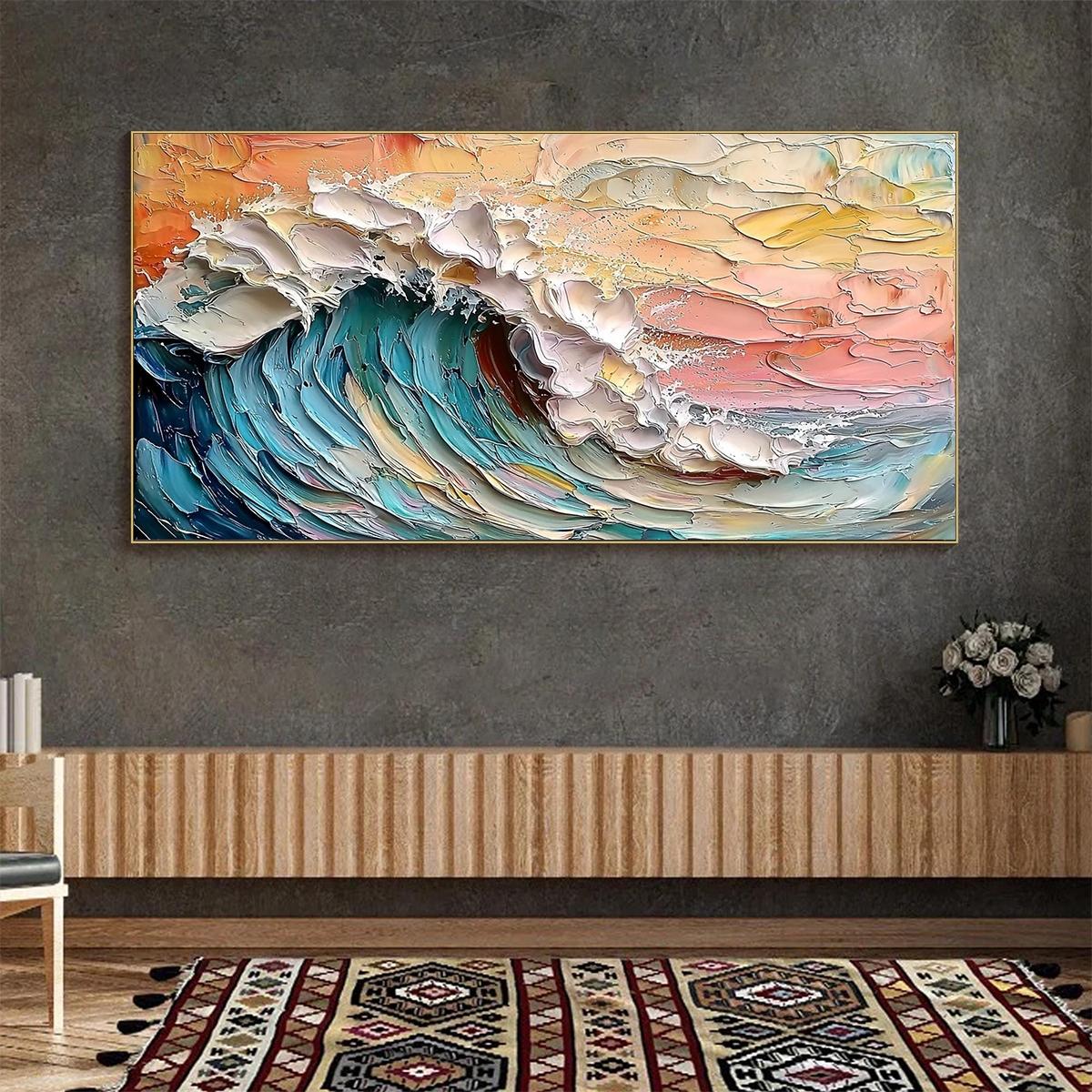
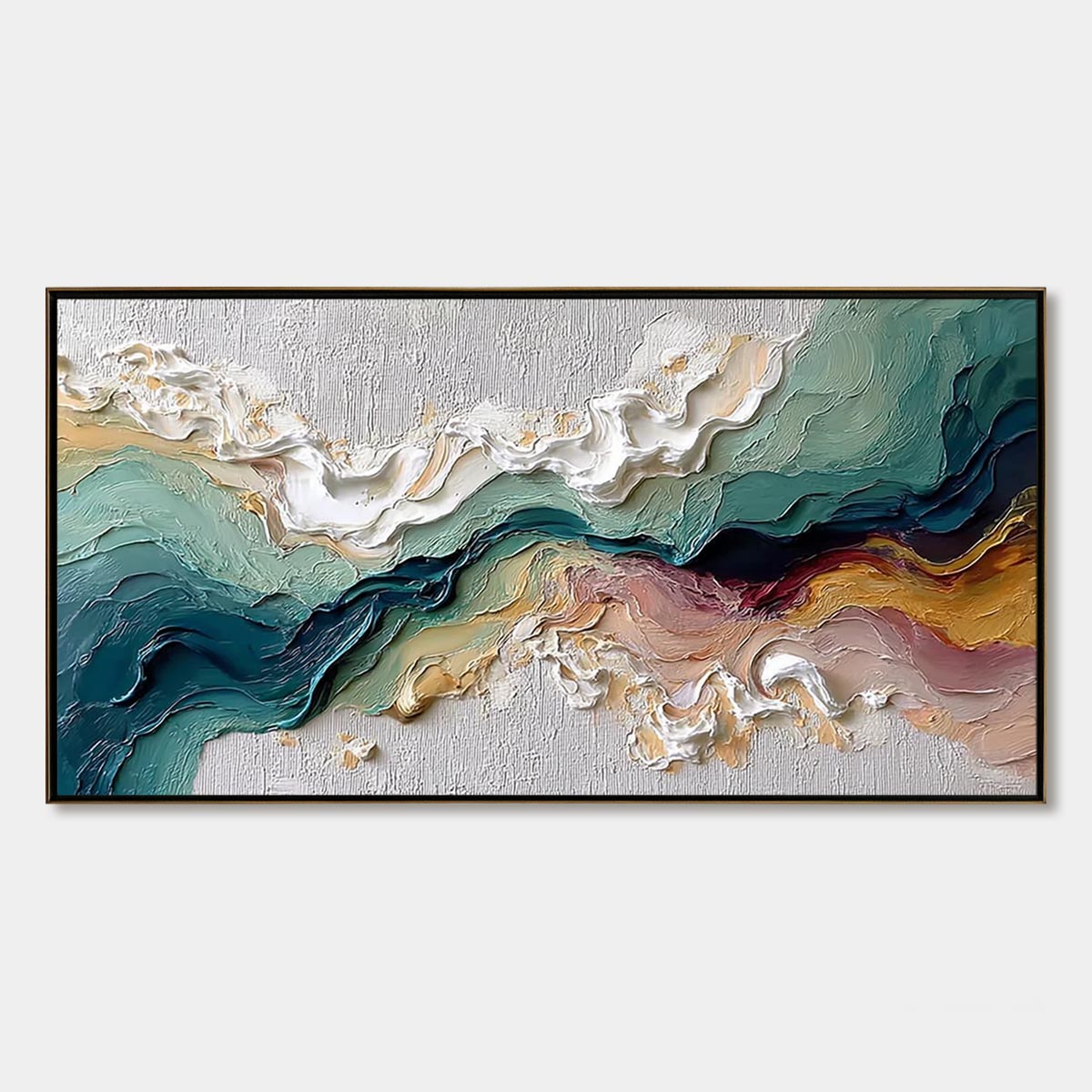
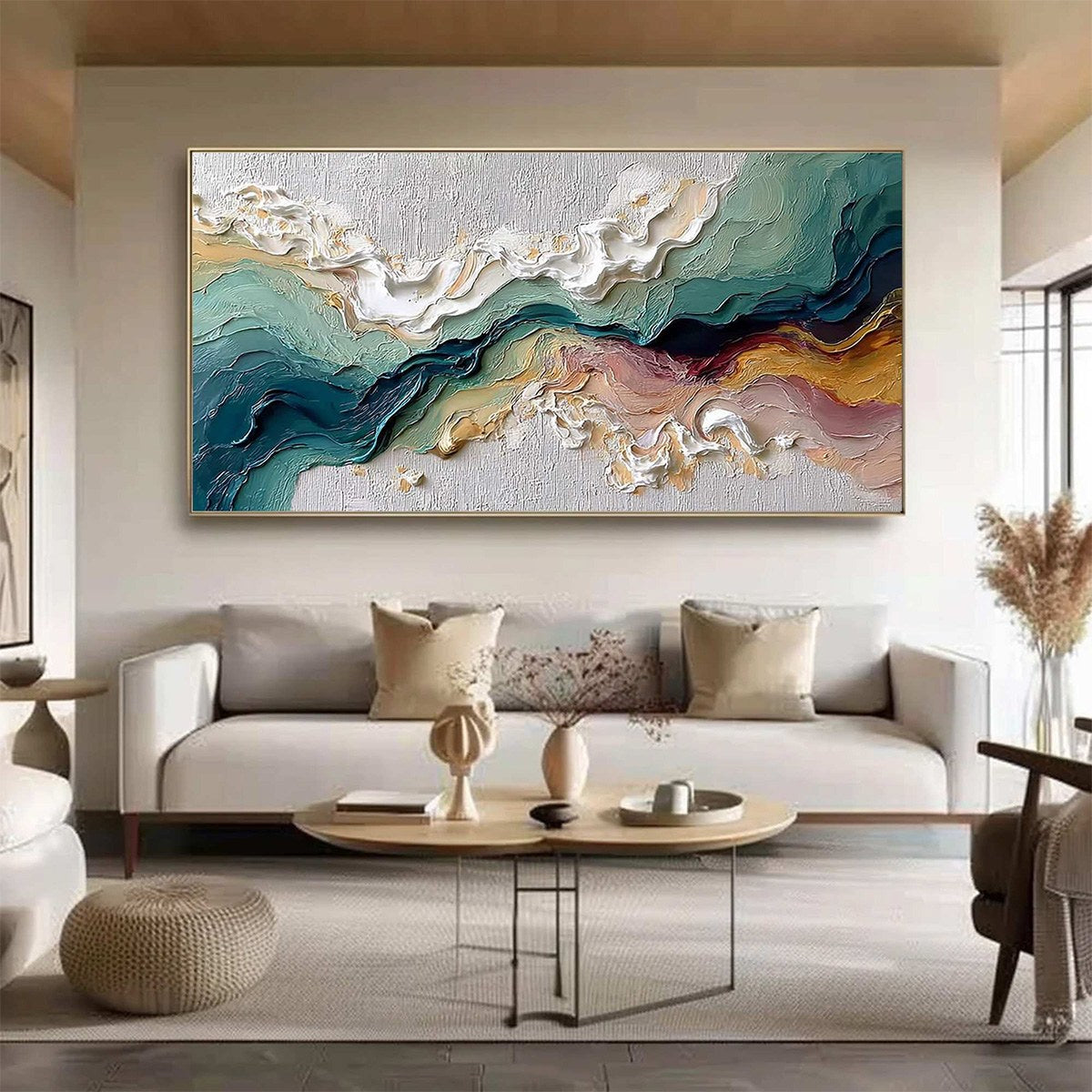
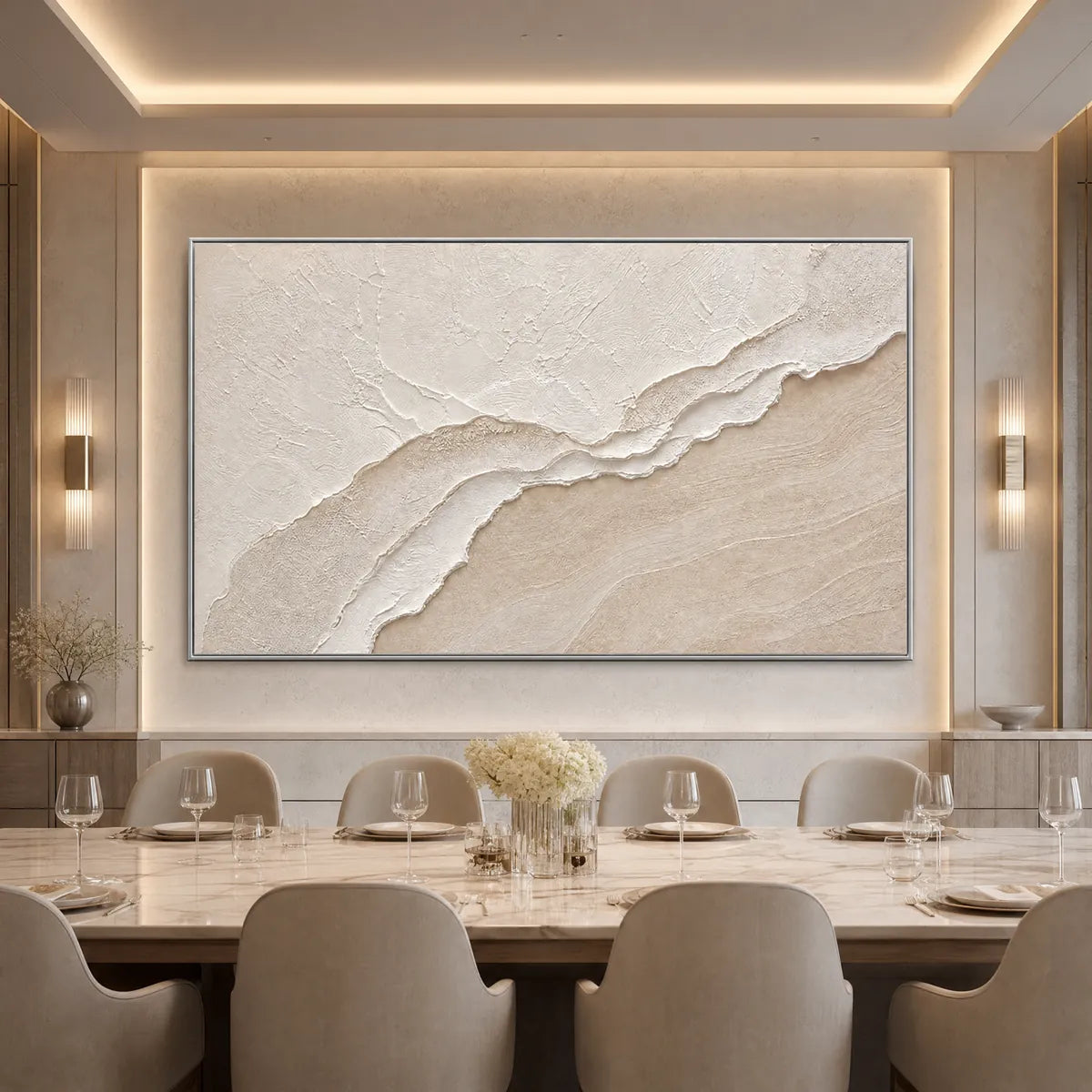
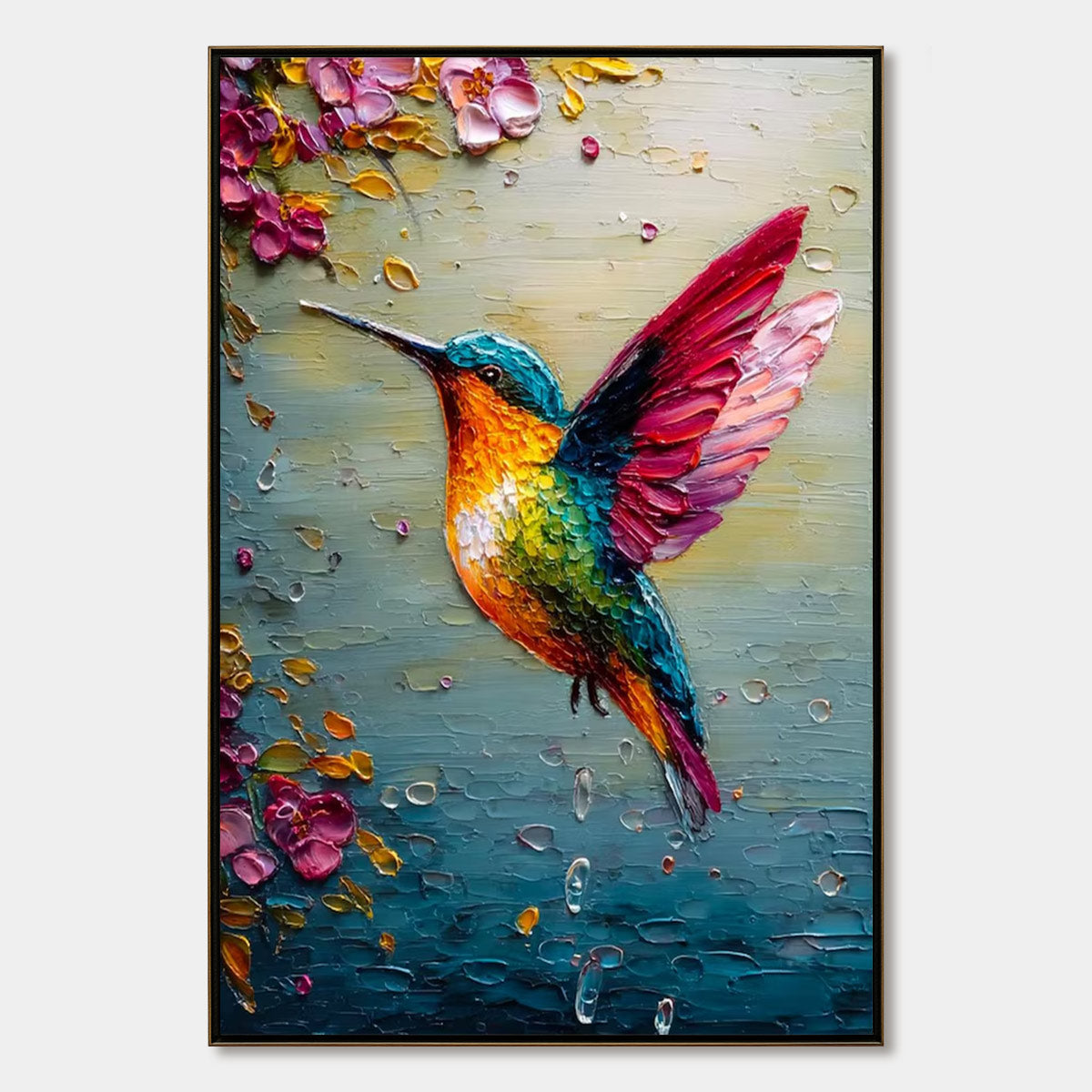
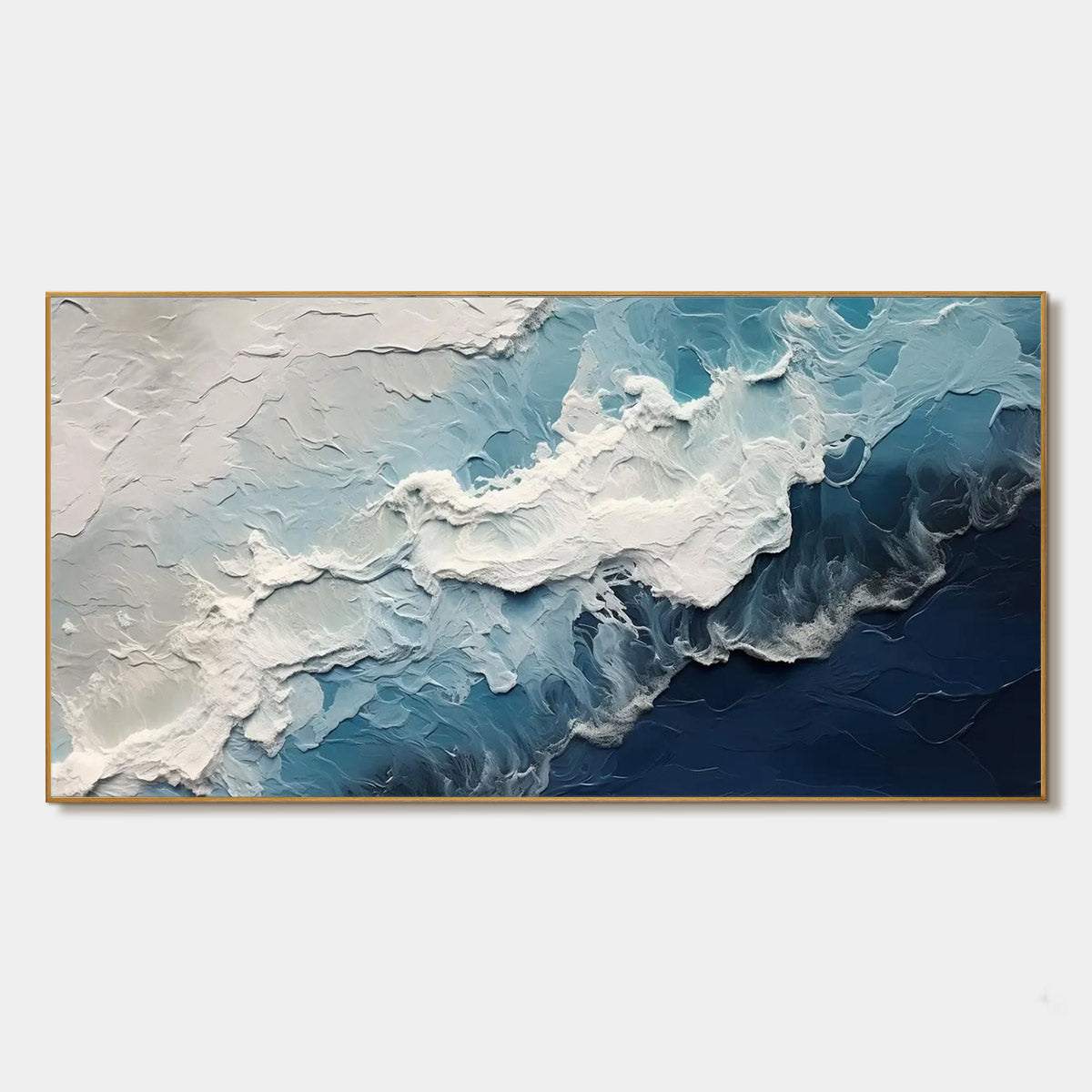
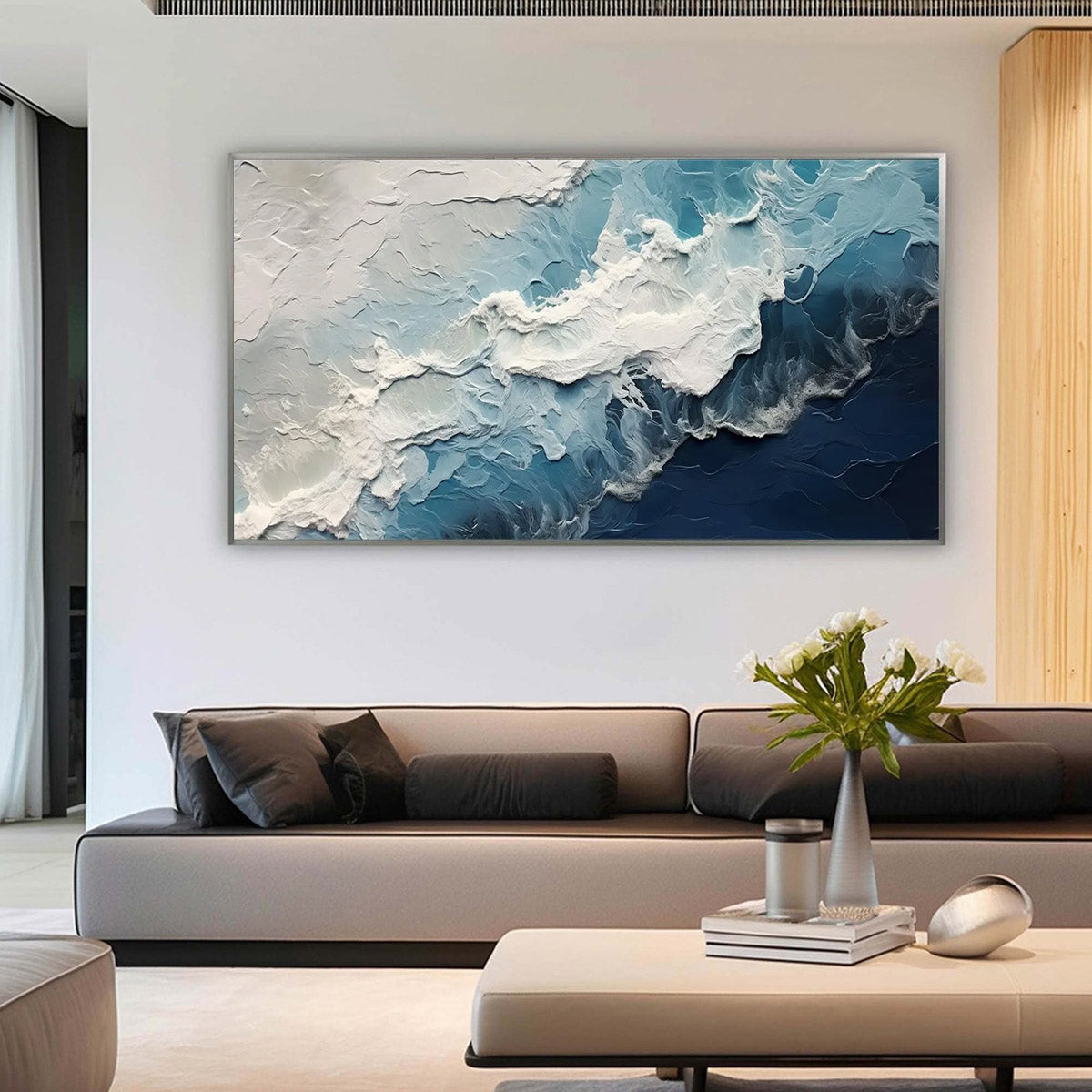
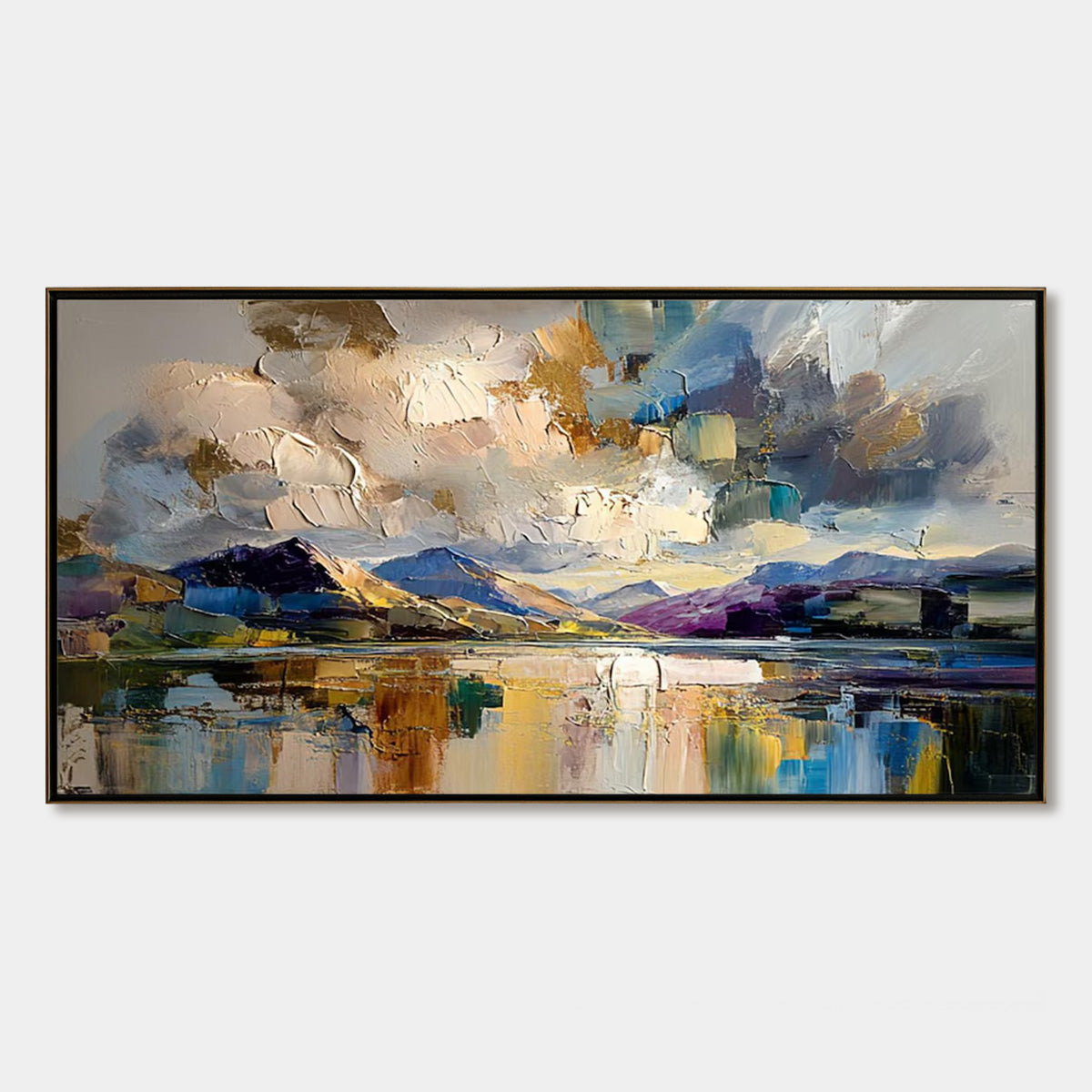
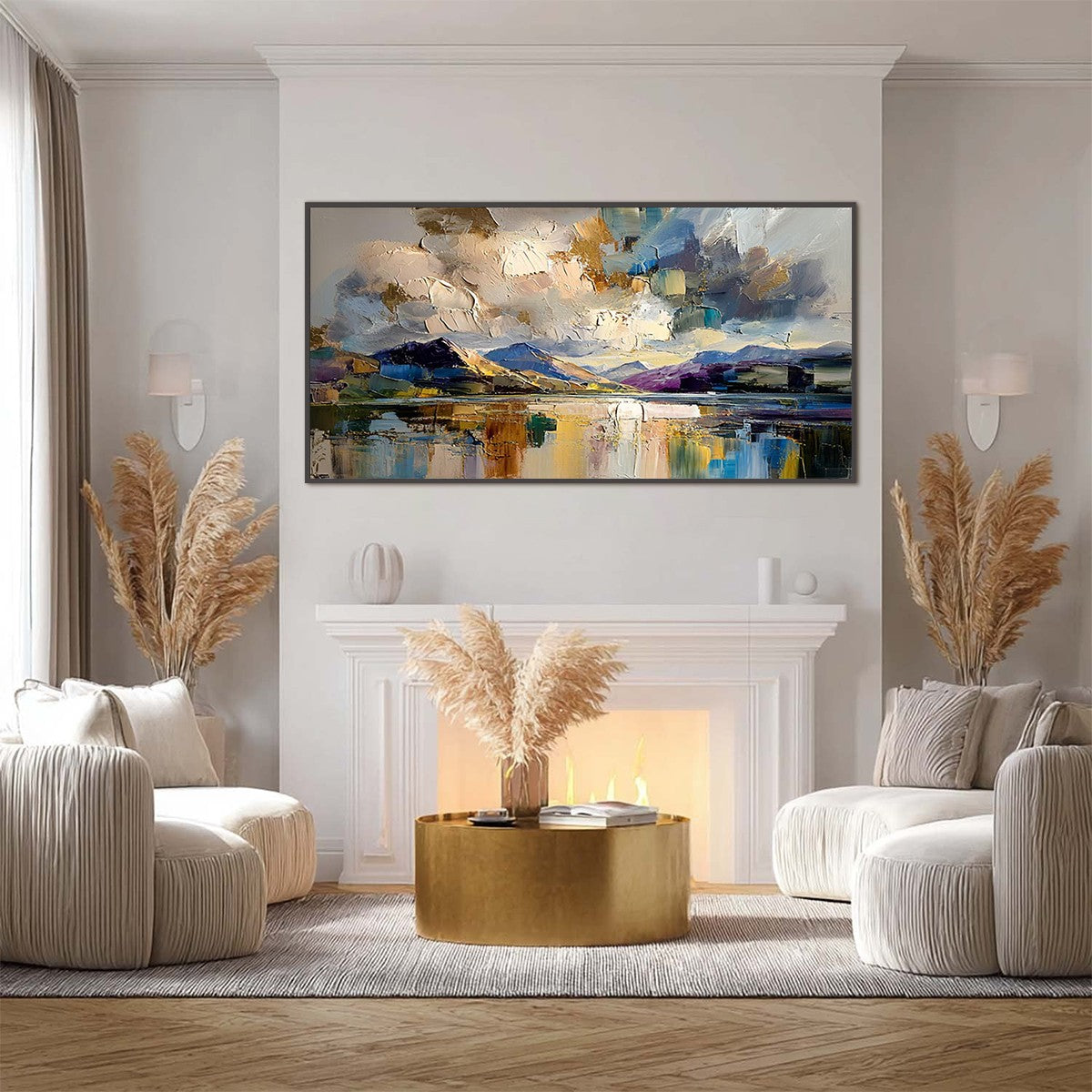
Explore our Impasto Wall Art and Impasto Painting Collection, designed to add texture, depth, and artistic dimension to your interiors. Each piece features thick, layered paint applied with brushes or palette knives, creating bold, raised textures, peaks, and ridges that catch light and shadow. Our impasto artwork and textured wall decor are perfect for living rooms, bedrooms, offices, or gallery walls, offering a three-dimensional, sculptural aesthetic that transforms any space into a striking visual experience.

















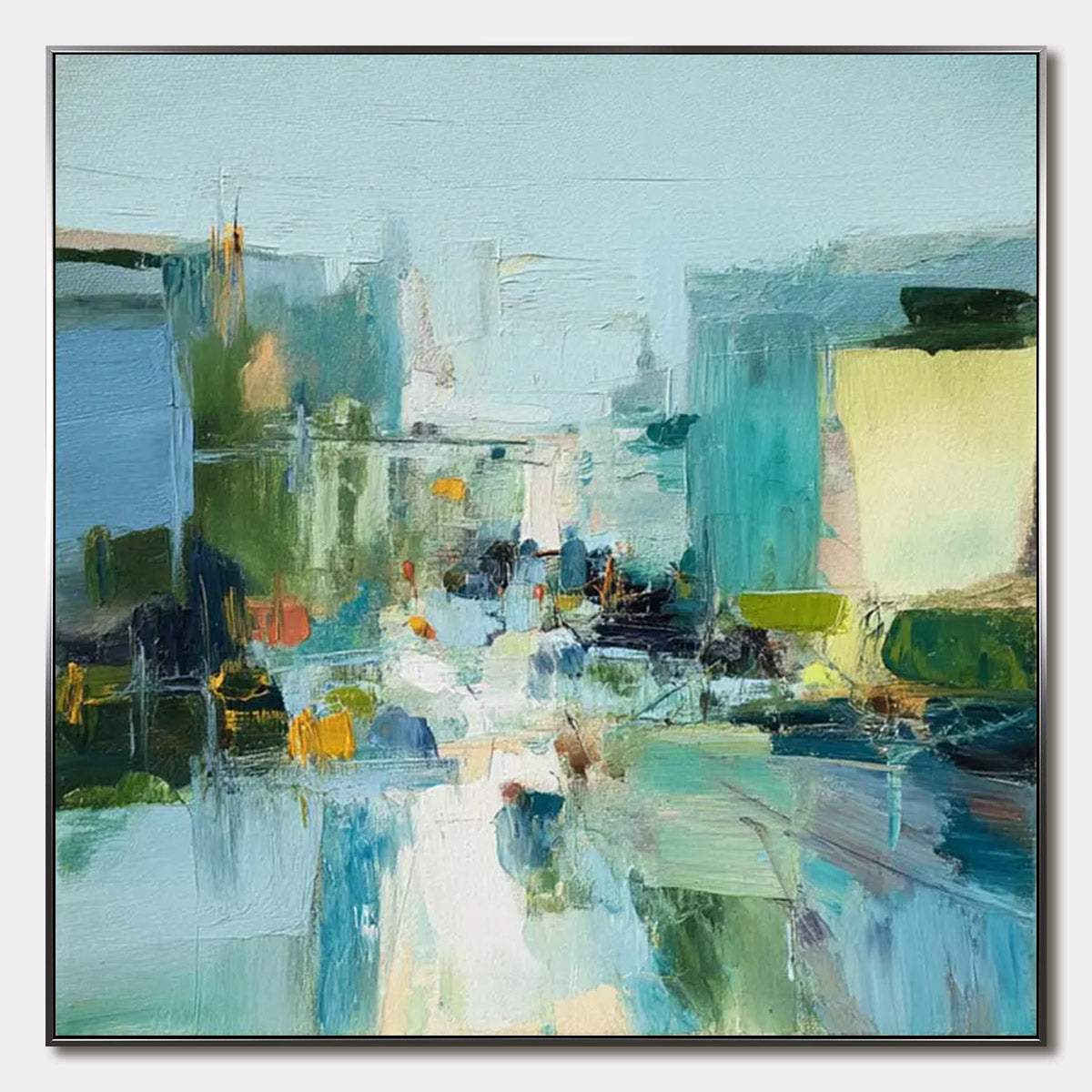
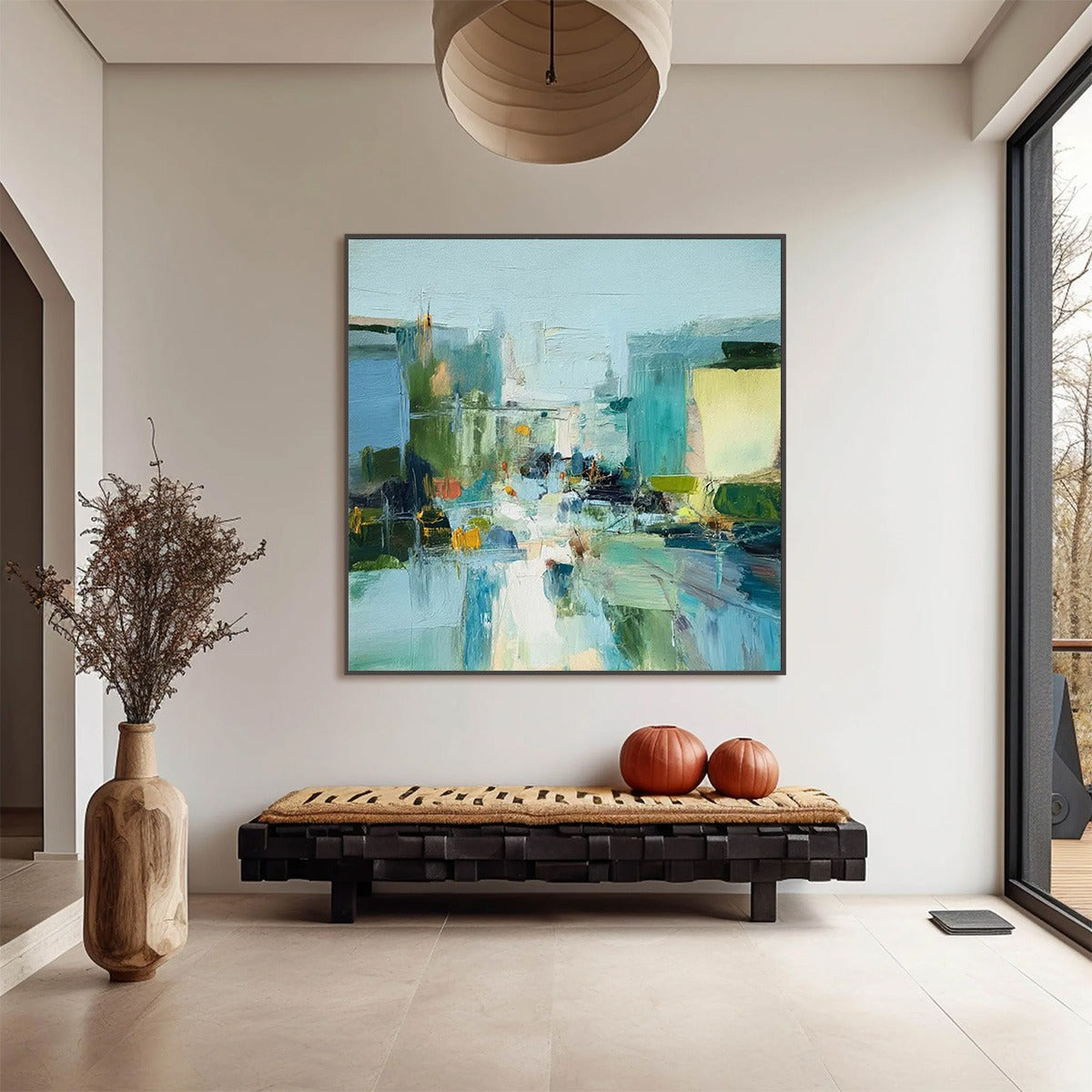
Impasto Wall Art: Original Textured Oil Paintings
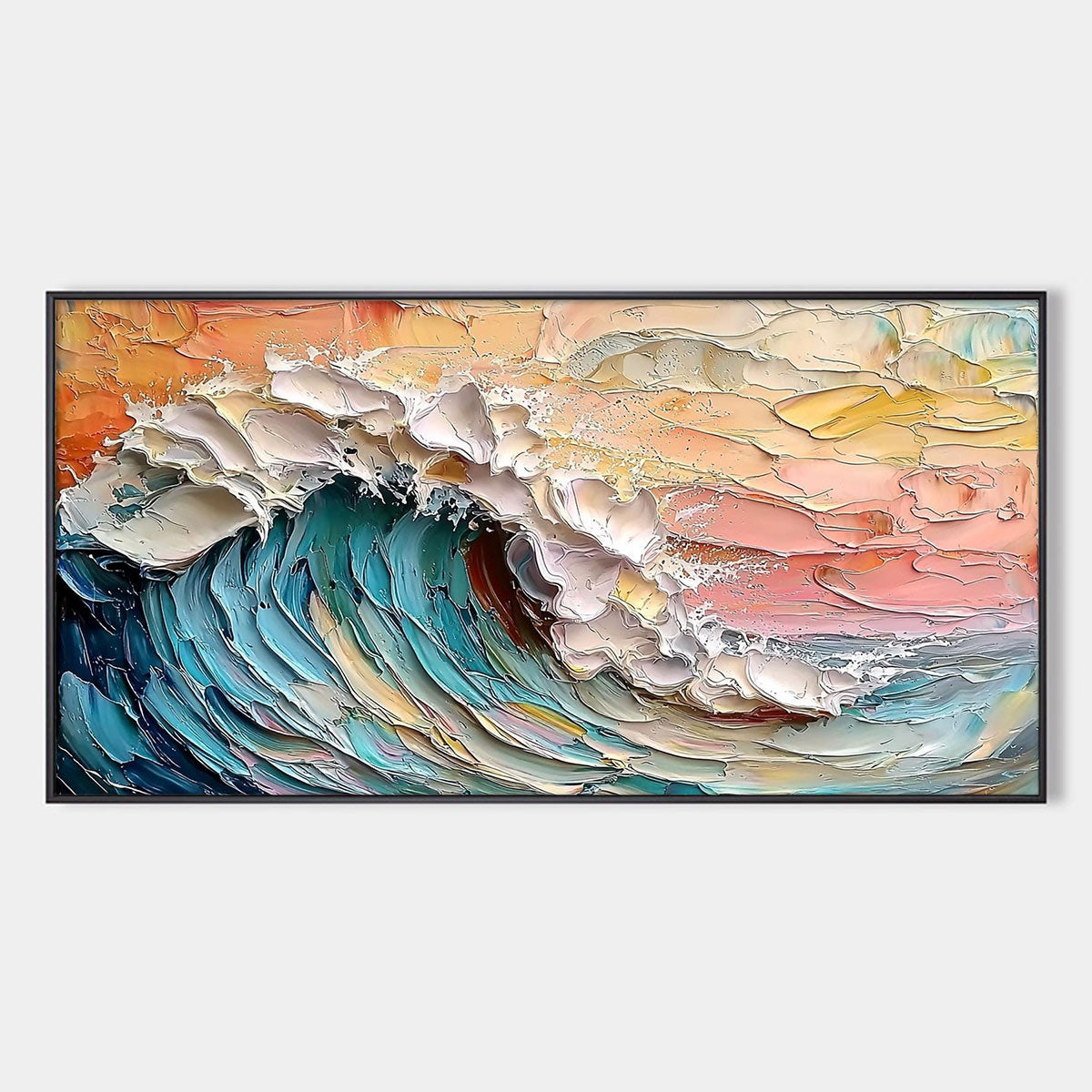
Impasto is paint applied thickly enough to hold its own shadow. Instead of sitting flat on the canvas, the paint stands off it in ridges and peaks that catch light from one side and go dark on the other — which is why these pieces change through the day as the light moves. Every painting in this collection is an original worked in oil by hand, with the texture built up by brush or palette knife.
If you want the longer background, we have written about it separately: what impasto painting is and the art of texture. This page is about choosing one.
Decide what you want the texture to do
Thick paint can serve very different ends, and the pieces that work in a quiet minimalist room are rarely the ones that work as a focal point over a sofa.
| What you want the texture to do | What to look for |
|---|---|
| Add depth without adding color | Restrained palettes where the relief carries the interest |
| Suggest architecture, light or distance | Knife work used for structure, not only for surface |
| Build a single strong focal point | One dense subject rather than a scattered composition |
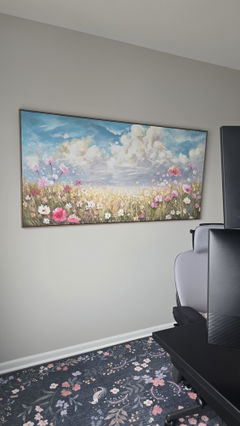
| Survive a busy, patterned room | Heavier relief, which still reads when the wall around it is not quiet |
Texture-led, color-restrained work
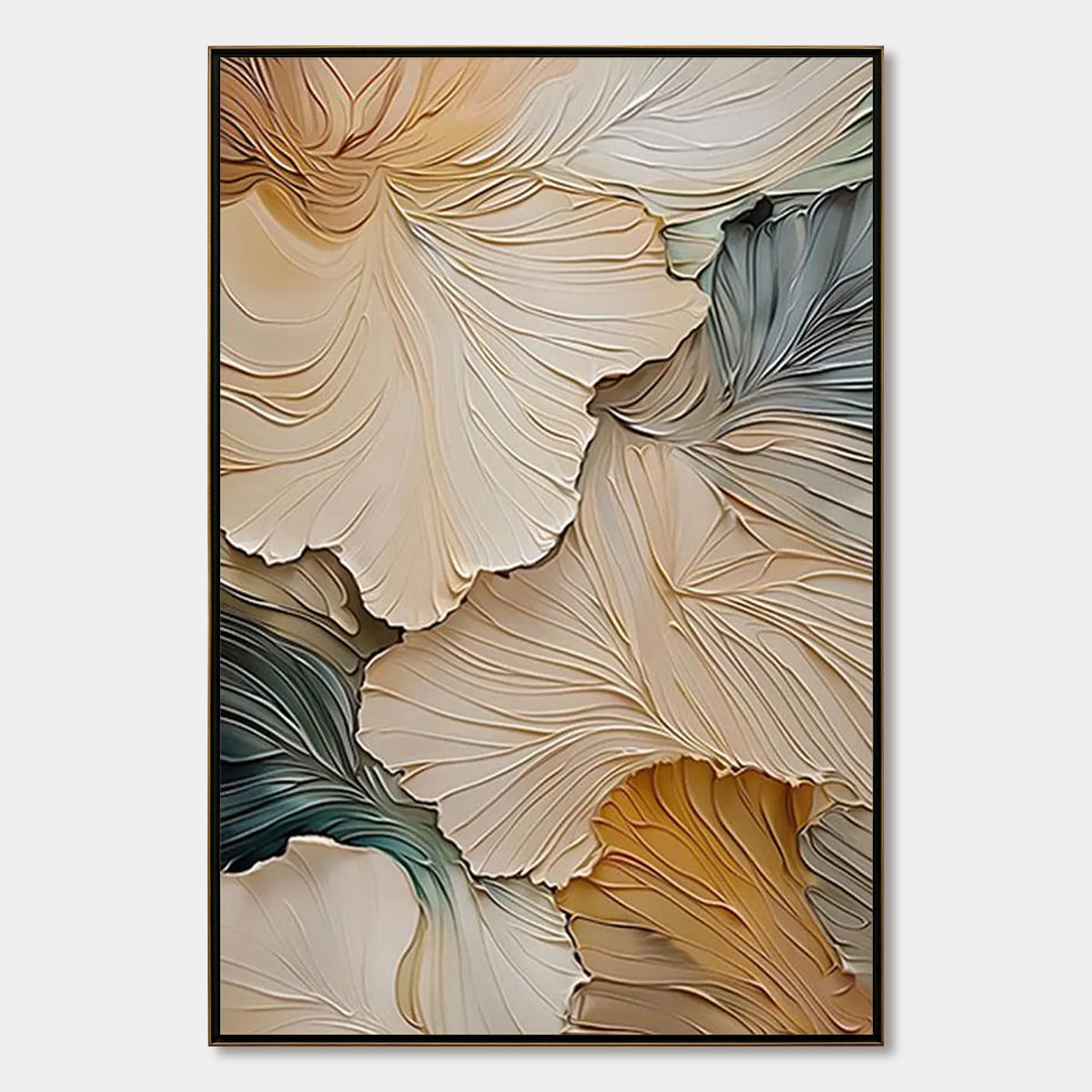
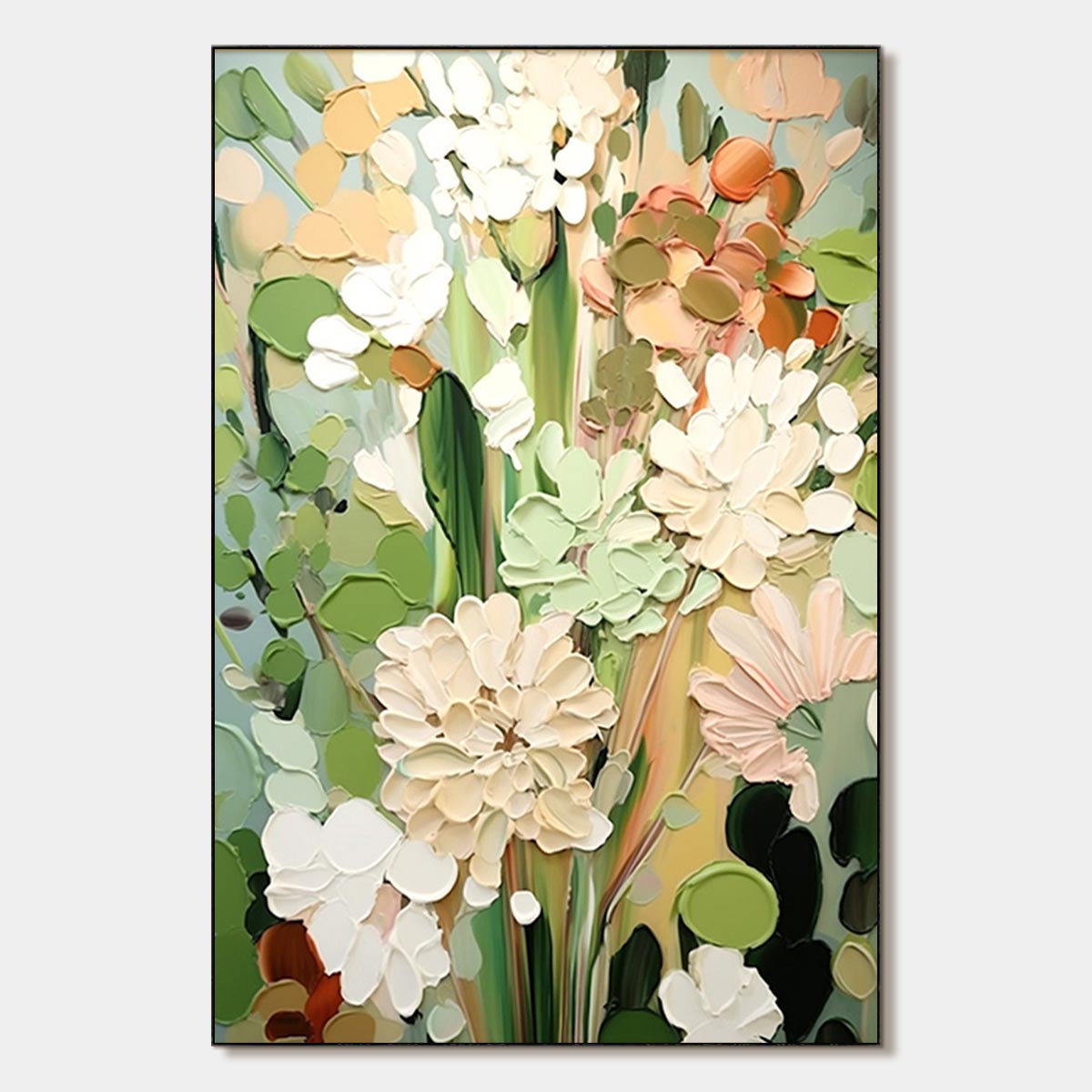
The hardest thing to find is a piece that adds physical depth without adding another color to a room that already has enough. Wabi-sabi influenced work does this well, because the relief does the job that color would otherwise have to do.
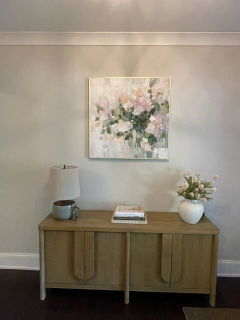
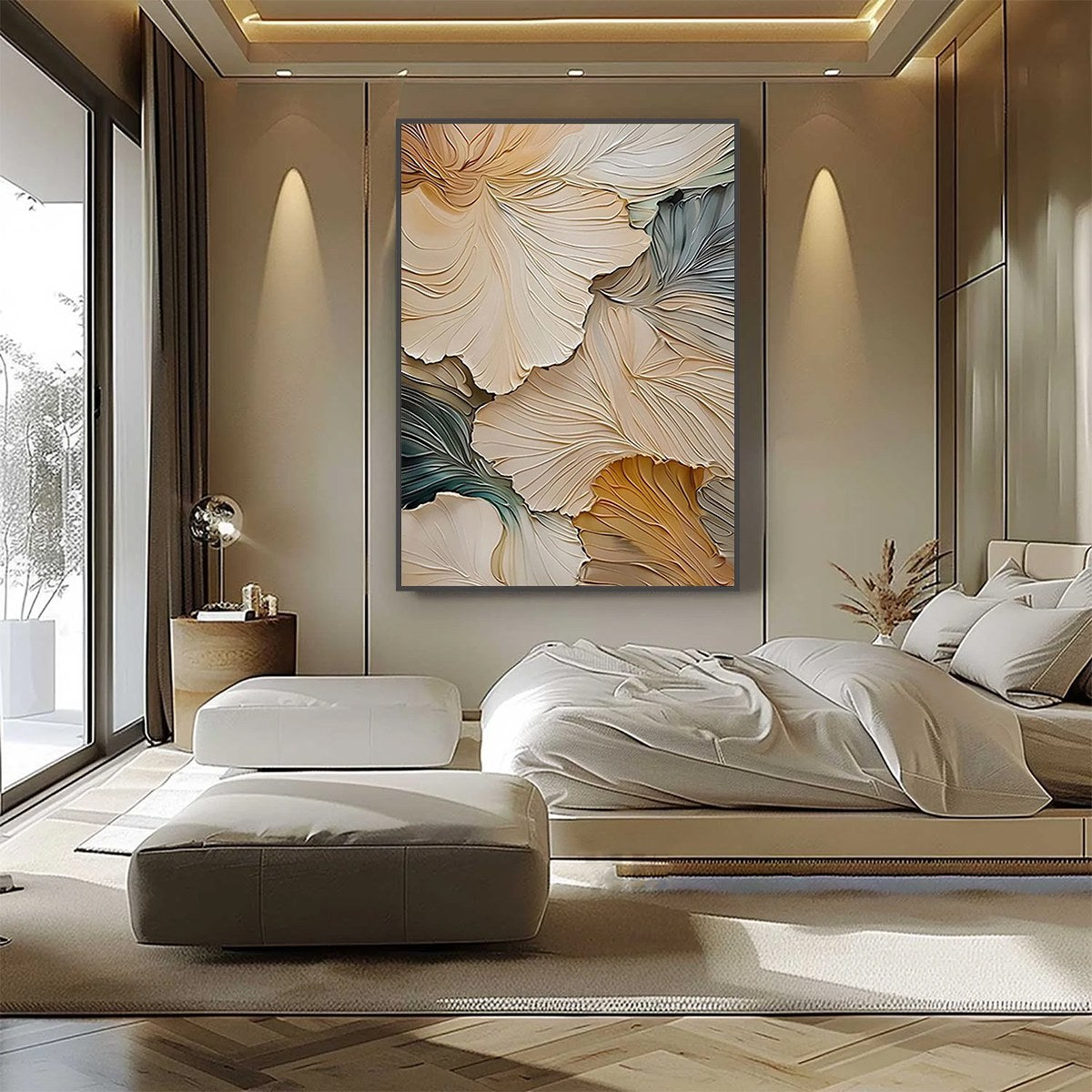
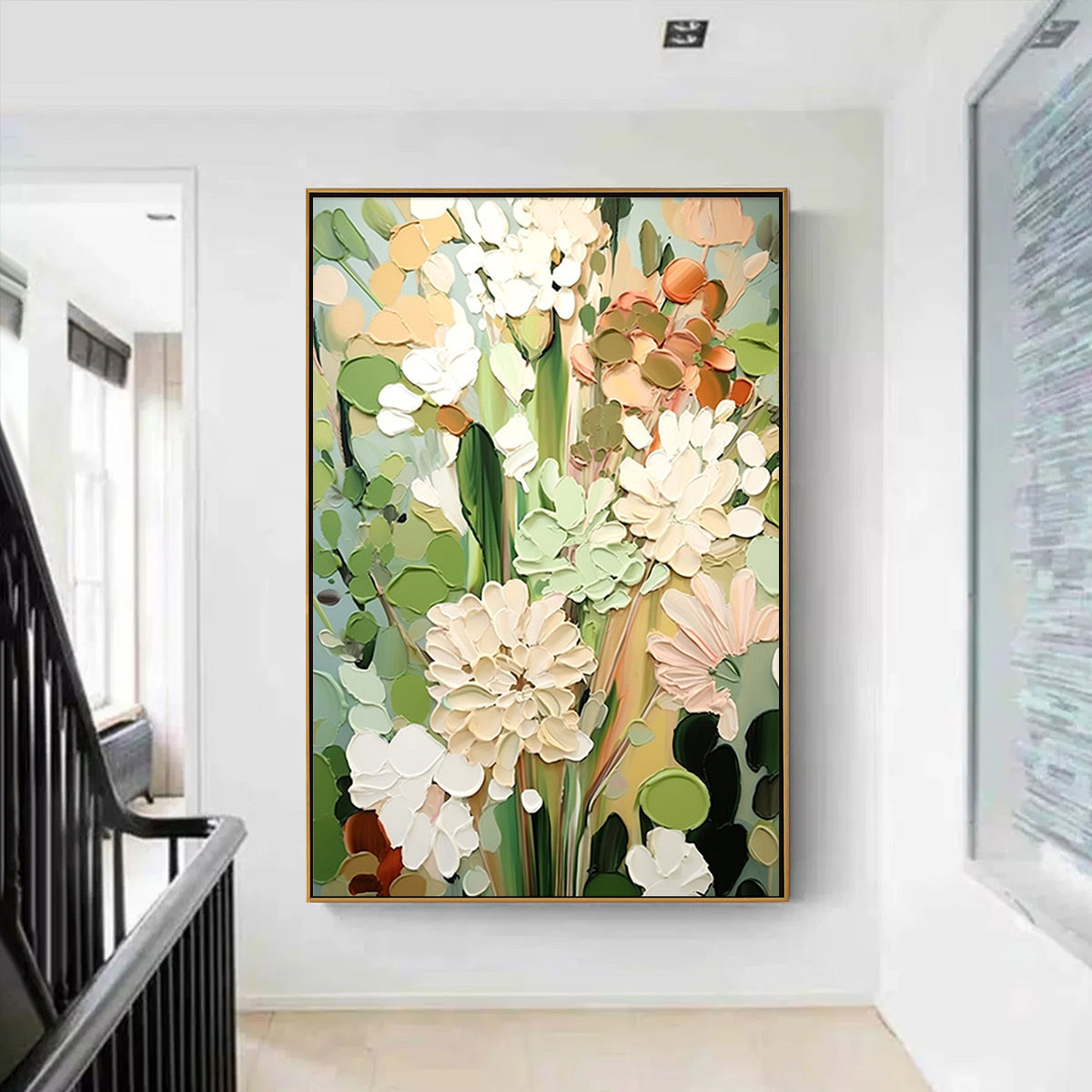
Eclipse in Bloom is a good example: a floral subject held in a narrow tonal range, where what you notice first is the surface rather than the palette. That restraint is deliberate — Liam O’Connell works from a wabi-sabi philosophy, which treats an unfinished-looking surface as the point rather than a stage on the way to something smoother. This is usually the safest entry point into impasto for a room you do not want to change.
Knife work used for architecture and light
Palette-knife work is often assumed to mean abstraction, but the same technique can describe hard structure — walls, steps, shuttered windows — with more conviction than a soft brush. The flat edge of the knife leaves planes, and planes read as buildings.
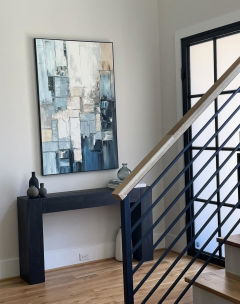
Golden Passage uses that to build a sunlit alleyway where the warm light is a physical ridge of paint rather than a painted highlight. Isabella Rossi paints the Mediterranean this way throughout her work, so the alleyway carries the same knife language as her coastal pieces. In a hallway or stairwell, where you pass it at an angle, the effect is stronger than it looks straight on.
A single dense subject as a focal point
When impasto is spread evenly across a whole canvas, the eye has nowhere to rest and the texture can start to feel like wallpaper. Concentrating the relief into one subject solves that, and gives the room a clear place to look.
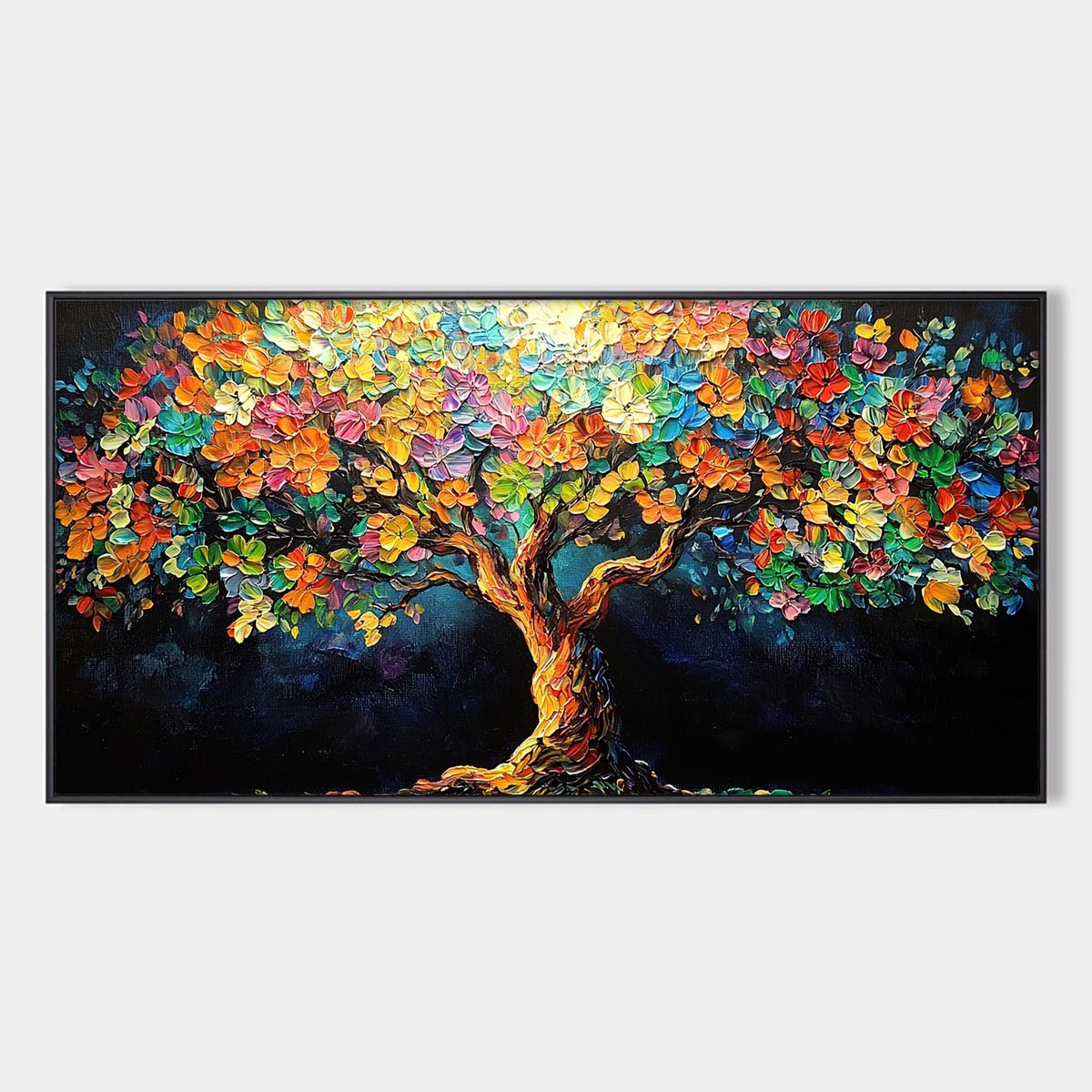
Emerald Jewel Tree, also by Isabella Rossi, works this way, with the heaviest paint gathered into the canopy so the piece holds a wall on its own. This is the direction to take above a sofa, a console, or a bed, where you want one thing to carry the room.
Sizes, framing and what you are actually buying
Every piece in this collection is an original painting in oil on linen, painted by hand and credited to the artist who made it. No two are identical, and the texture you see in the photographs is real paint standing off the surface rather than a printed effect.
Practical points worth knowing before you choose:
- Formats run from 16″ × 32″ (40 × 80 cm) up to 48″ × 96″ (120 × 240 cm) on many works.
- Each piece is offered stretched and frameless, framed in black, white, gold, silver or wood, or unstretched as rolled canvas.
- Stretched and framed orders arrive ready to hang. Rolled canvas travels in an art tube, for you to stretch and frame in your own way.
- Paintings are unsigned by default, so the painted surface stays undisturbed. Ask before yours is started if you would like it signed, and a certificate of authenticity is available on request.
- Some subjects are also available as a two-panel set, which changes how much wall you can cover without moving up a size.
- Shipping is free worldwide, and every canvas carries a thirty-day return window from the day it arrives.
If nothing here is the right proportion for your wall, commissions and custom sizes are accepted — worth knowing before you settle for a format that only nearly fits.
More on texture, light and care
Impasto raises questions that flat work does not — how to light it, how to keep it clean, how it behaves in a minimal room:
- Palette knife versus brush: how the two textures differ
- How impasto shadows create depth
- Lighting an oil painting so the texture shows
- Balancing textured art in a minimalist room
- Matching the level of texture to your space
- Why flat prints cannot reproduce impasto
- Dusting a textured oil painting safely
Neighboring collections worth a look: palette knife texture, textured wall art, wabi-sabi, and living room art.
FAQs
What is impasto in art?
Impasto is a technique where oil paint is applied thickly enough to stand off the canvas, so the brush or knife marks stay visible as physical relief. Because the ridges cast small shadows, the painting reads differently as the light in the room changes.
How is an impasto painting different from a textured print?
A print reproduces the appearance of texture on a flat surface, so the shadows in it are printed and never move. On an original impasto painting the relief is real paint, so the shadows shift with the light and the surface changes as you walk past it.
Does impasto suit a minimalist room?
It often suits one better than a busy room does. In a restrained interior a piece held in a narrow tonal range lets the relief supply the interest without adding another color, which is why texture-led, color-restrained work is usually the easiest starting point.
Where should I hang it for the texture to show?
Light coming from one side rather than straight on is what makes the relief visible, so a wall lit from a window at an angle, or from a directional fitting above, shows far more than flat frontal lighting. Hallways and stairwells work well because you pass the piece at an angle.
Can I order a custom size, or commission a new painting?
Yes. Custom sizes and commissions are both accepted, and the custom art page is the place to start. One thing to know first: because a commissioned piece is made to your brief, it sits outside the standard thirty-day return window that covers everything else.
★ Reviews