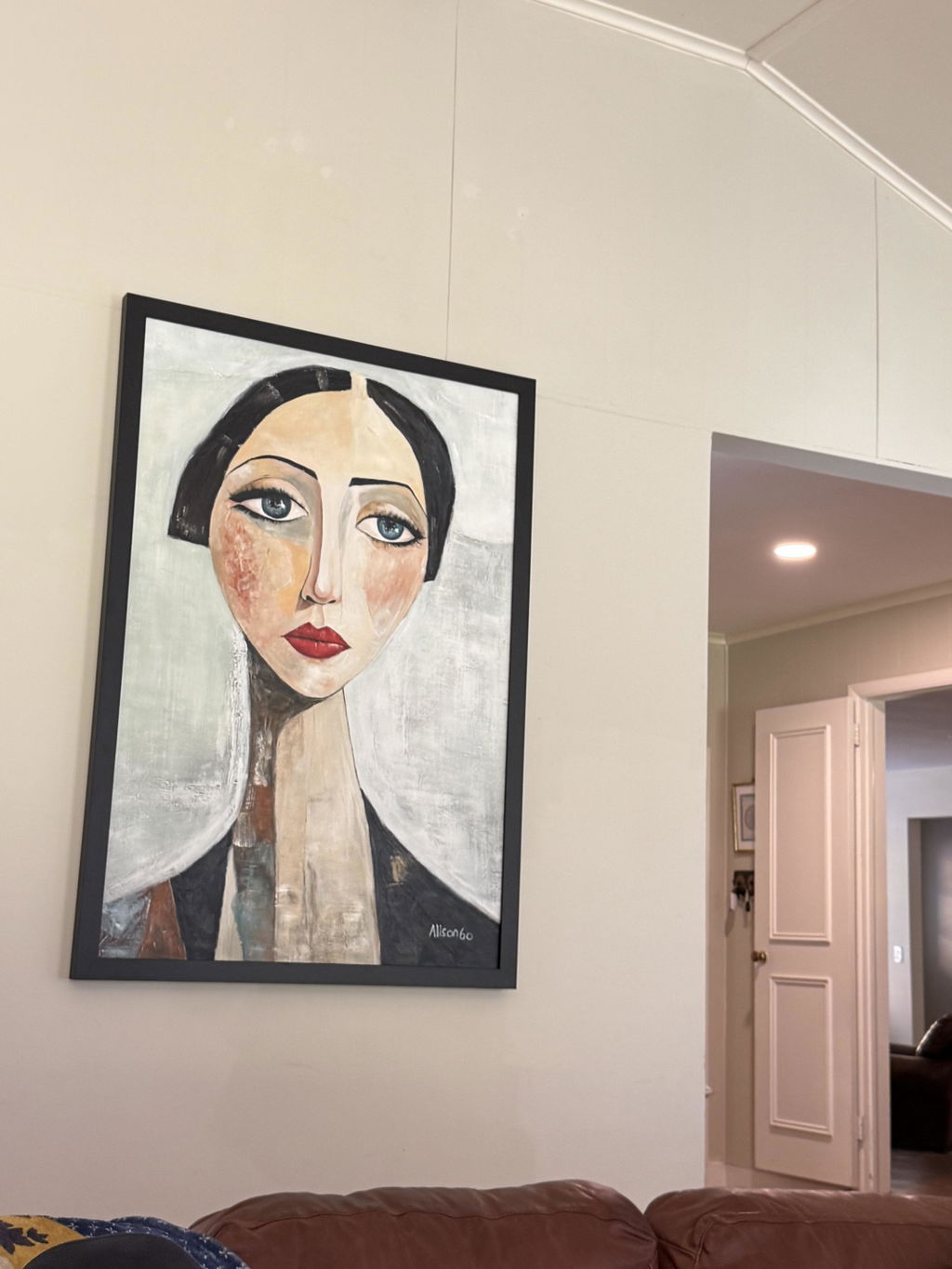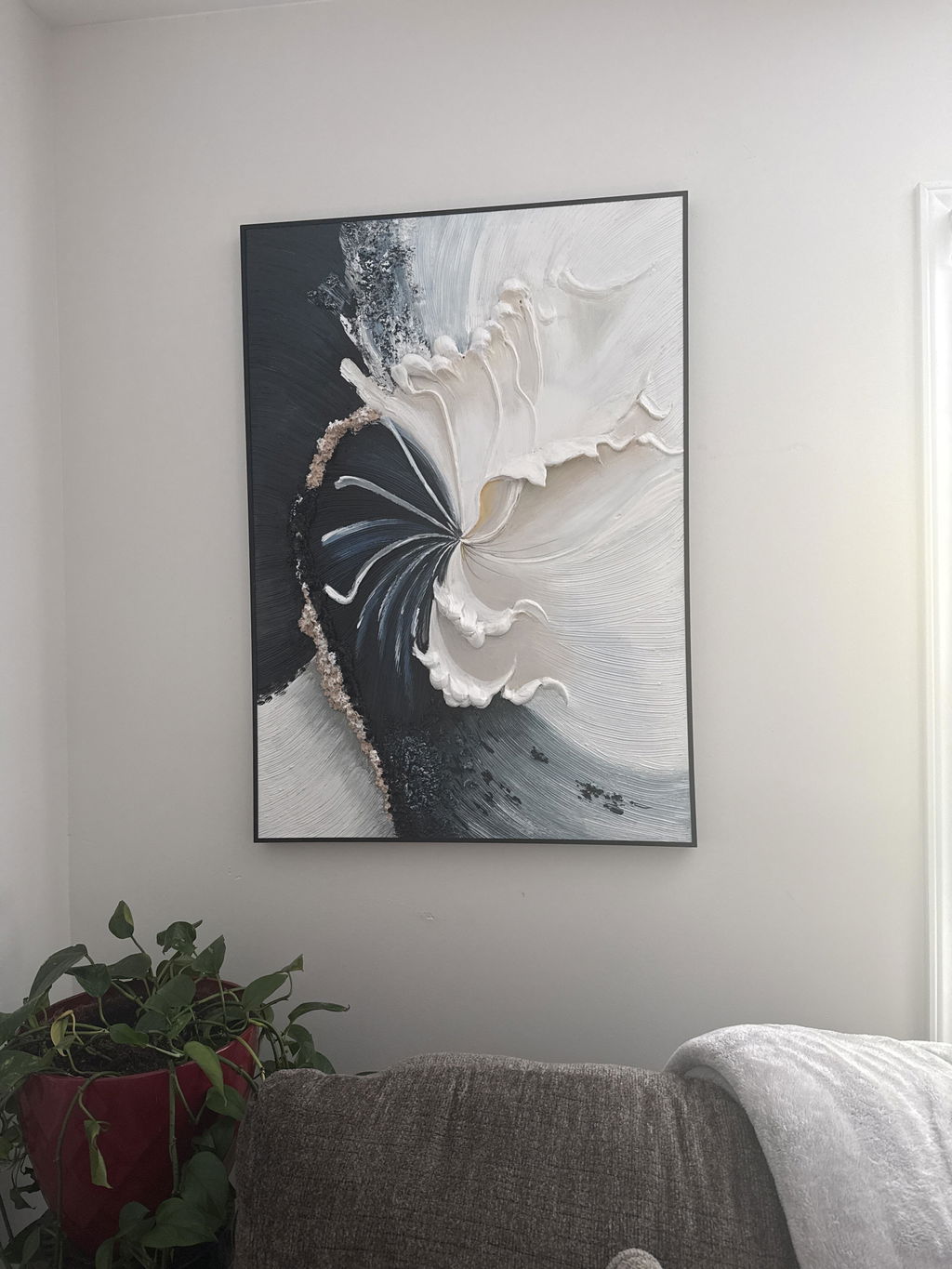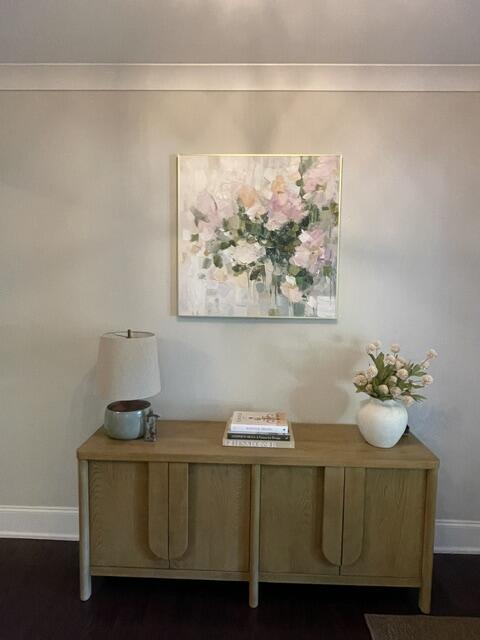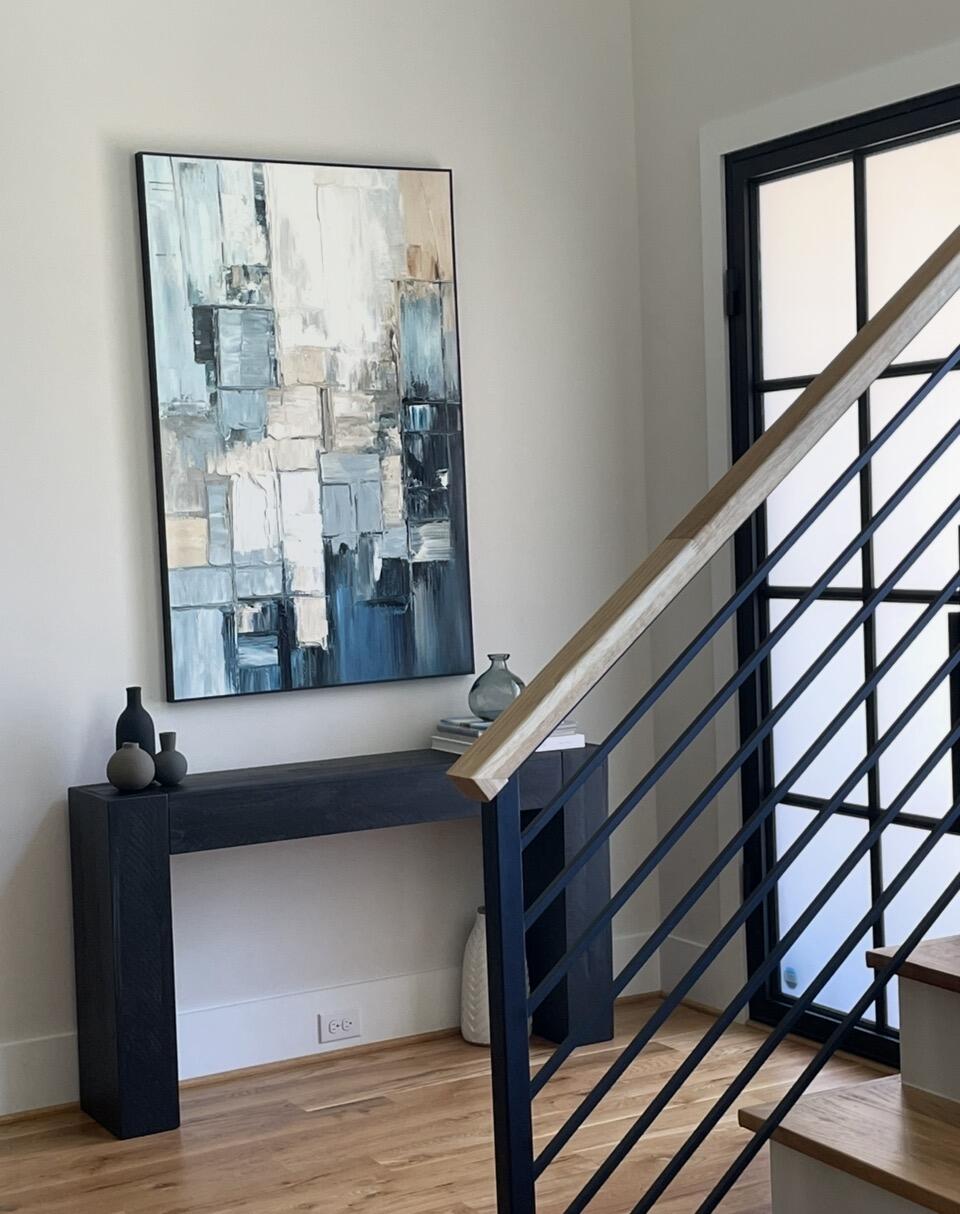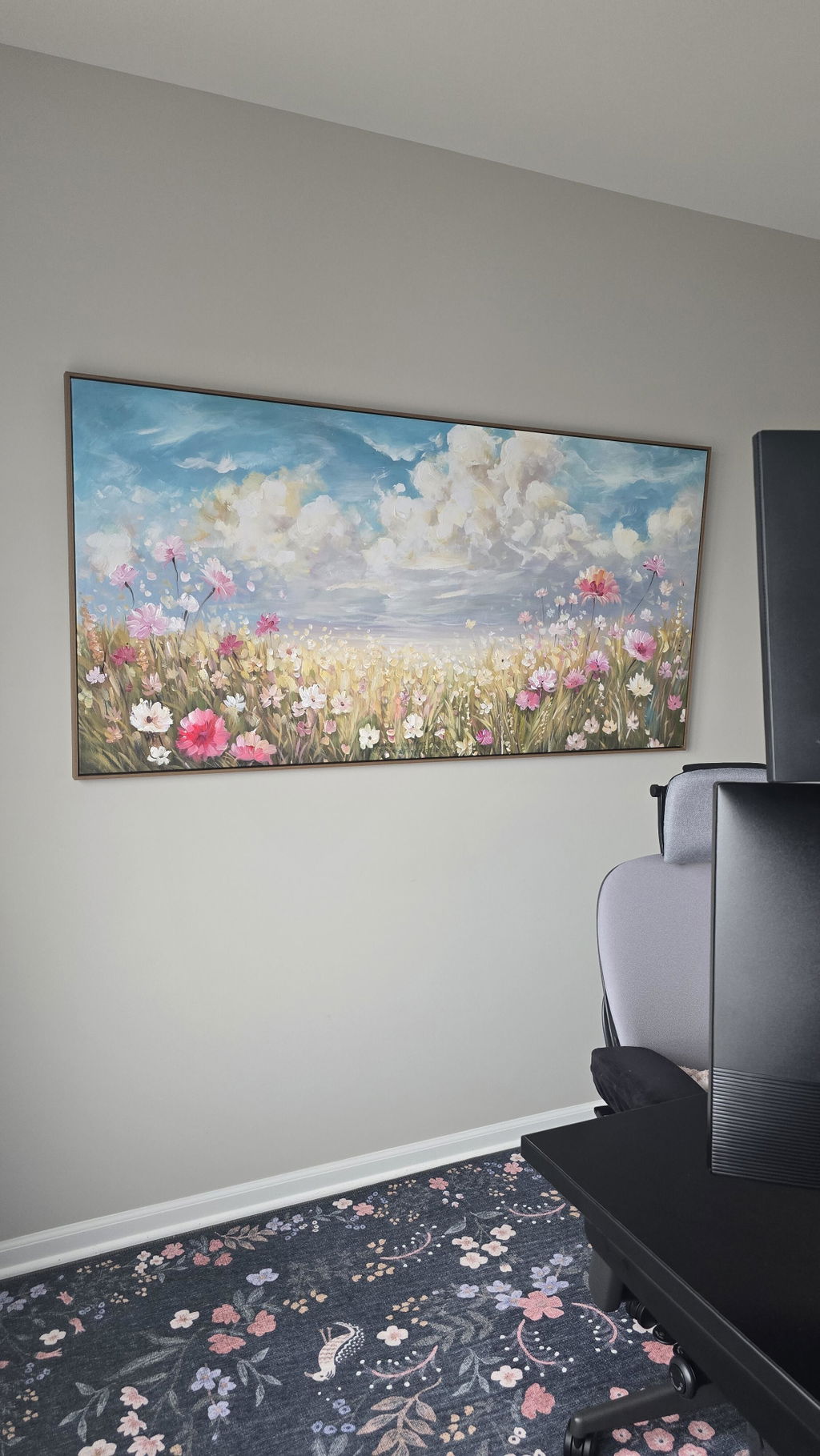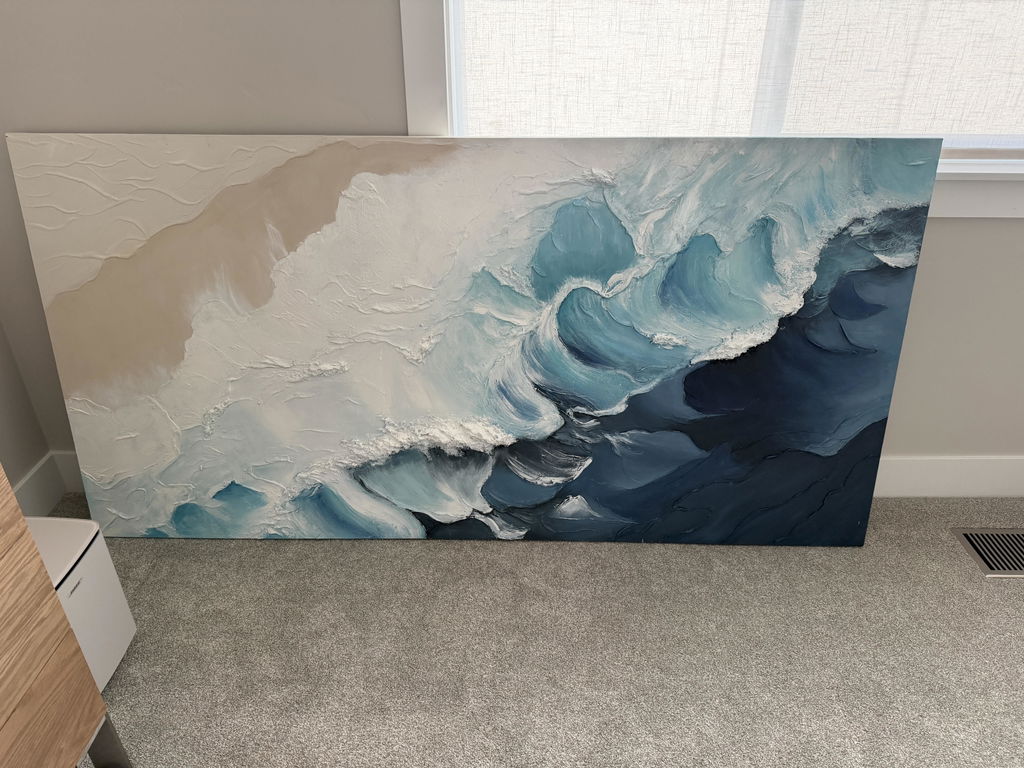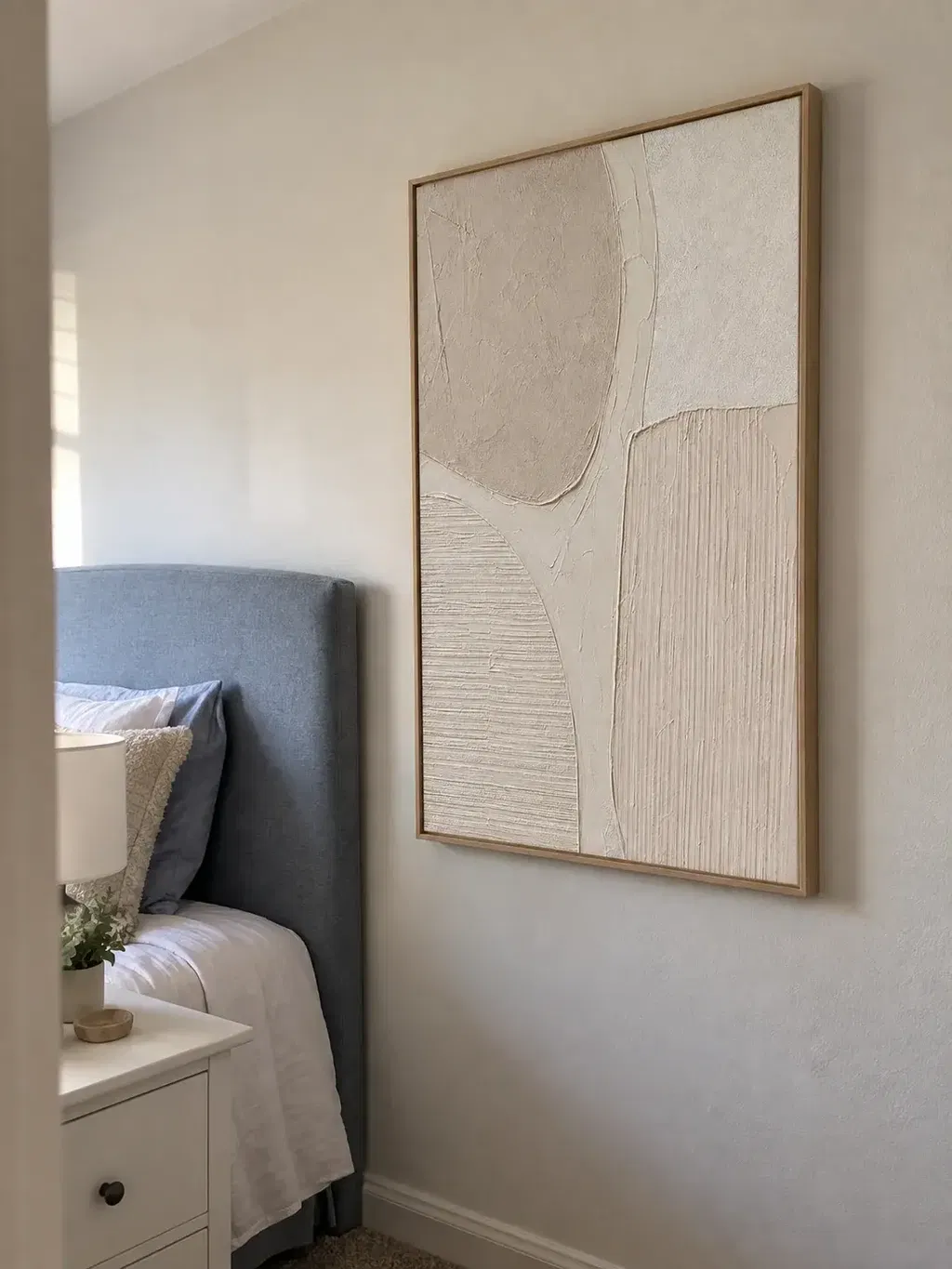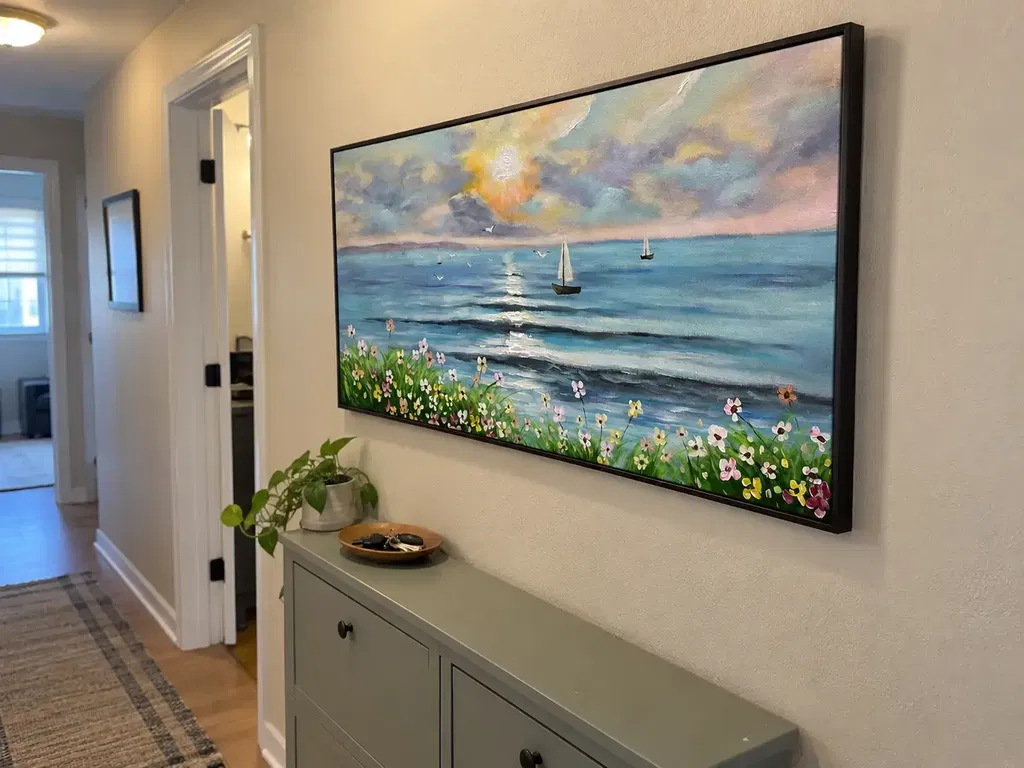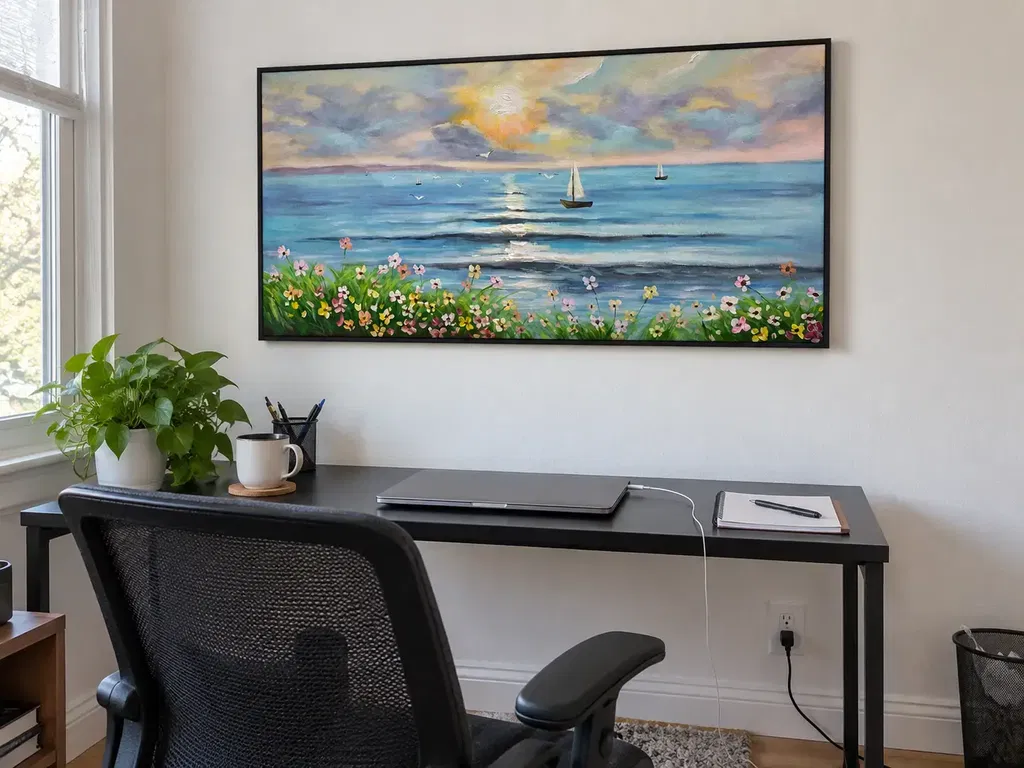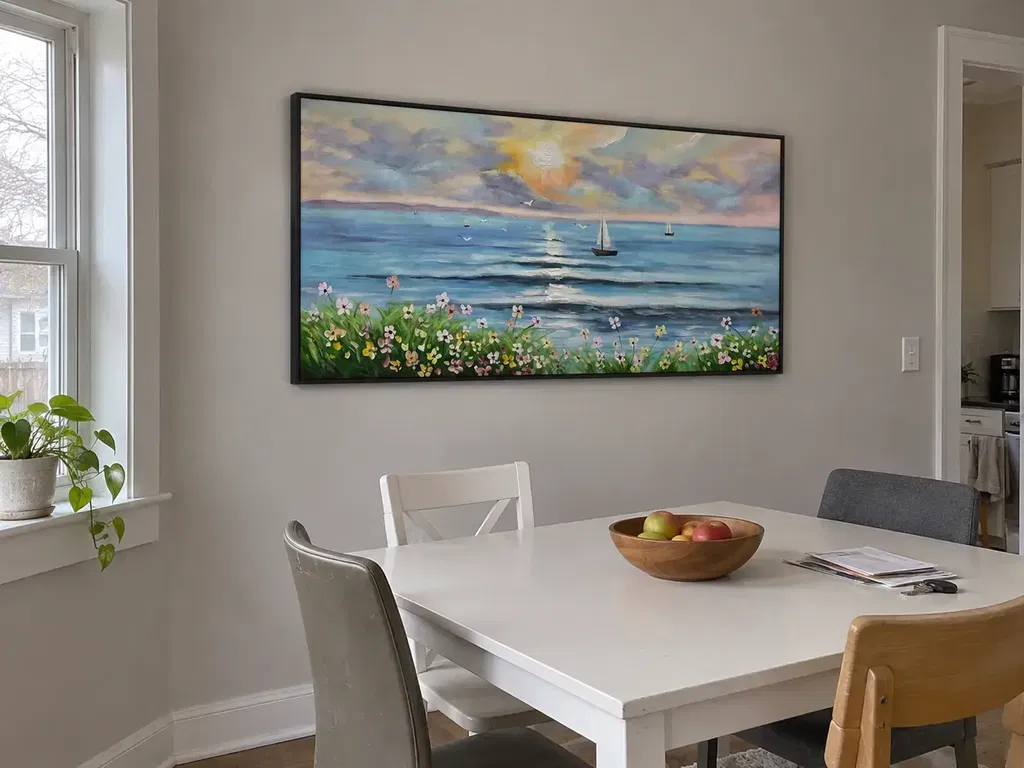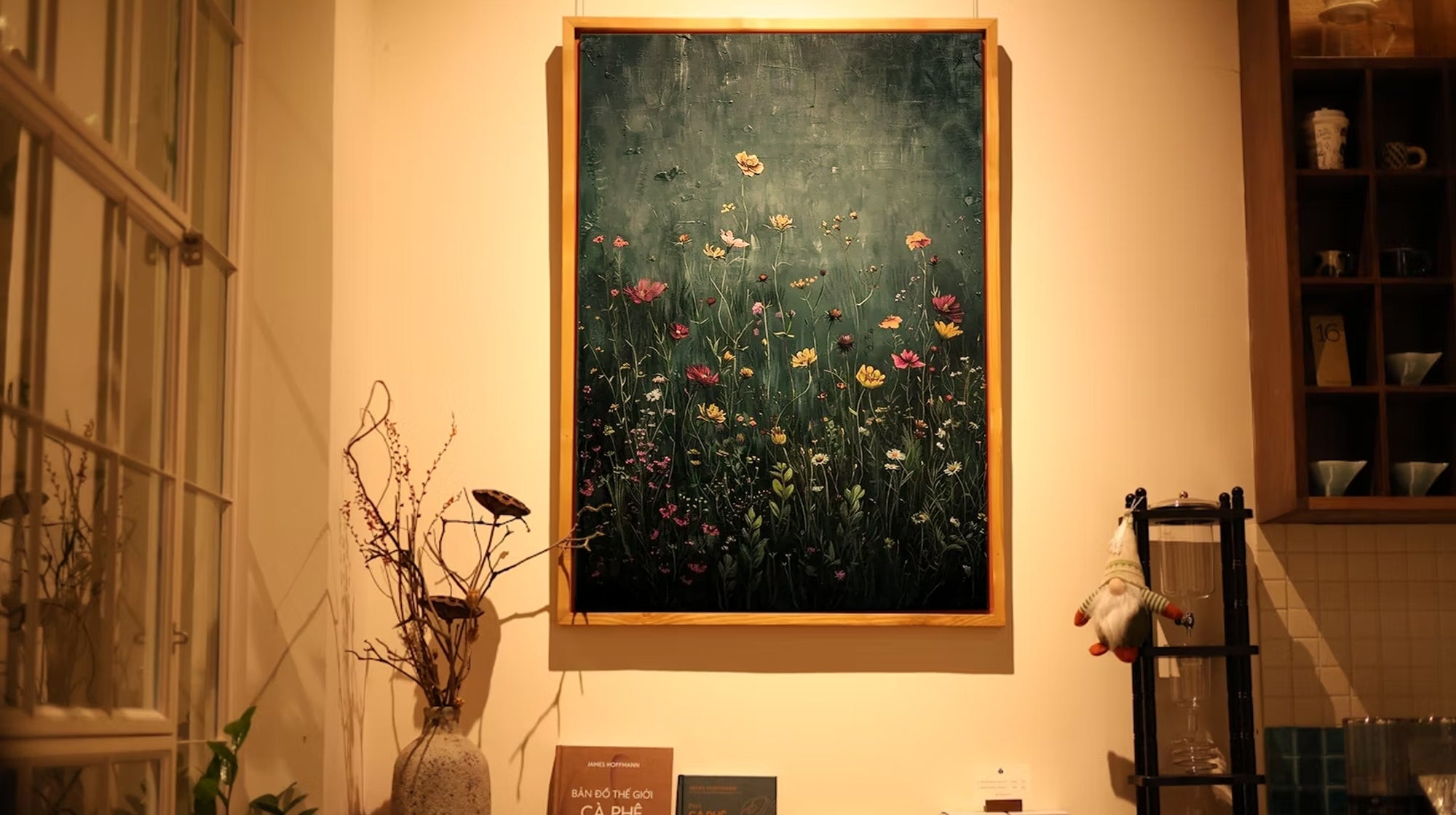
Vintage artwork transforms any space from bland to captivating with just a single piece. These timeless treasures carry stories from decades past while adding sophistication and personality that new art simply cannot replicate. Your walls deserve more than mass-produced prints—they deserve artwork with soul.
Why Vintage Art Still Holds Its Charm Today
Vintage art attracts us not only with its appearance but also with the stories, craftsmanship, and authenticity it carries into modern spaces. It offers more than decoration—it creates atmosphere, connection, and a sense of time that new pieces often cannot match.
More Than Decoration
Vintage artwork is never just something to fill a wall. Each piece carries the weight of its era, with cracks and fading that speak of history. In a home, it adds both depth and emotion to the surroundings, turning plain walls into meaningful backdrops.
Craftsmanship and Character
Artists of the past often worked with hand-mixed pigments, sturdy canvas, and meticulous brushwork. That pride in craft makes their works feel richer and more enduring than many modern pieces. As colors soften and textures mellow, the art gains character rather than losing value, becoming more distinctive with age.
Authentic Stories in Modern Homes
Every vintage piece has lived a life—hanging in other homes, witnessing conversations, and surviving changing tastes. When placed in contemporary interiors, it carries history into the present, adding gravitas while sparking curiosity about its origins. The result is not only decoration but also a bridge between the past and the present.

Vintage Art Styles That Define Character
Understanding different vintage art movements helps you identify pieces that resonate with your aesthetic preferences. Each style carries distinct characteristics that can complement various interior design approaches.
French Country Charm
French country artwork features soft pastoral scenes, botanical prints, and romantic landscapes. These pieces typically showcase muted earth tones, delicate florals, and countryside imagery that brings warmth to any room. Look for original lithographs of lavender fields or vintage French advertising posters.
Mid-Century Modern Appeal
Mid-century pieces emphasize clean lines, bold colors, and abstract compositions. Geometric prints, atomic-age illustrations, and minimalist landscapes define this era. These works pair beautifully with contemporary furniture while adding retro sophistication.
Art Deco Glamour
Art Deco vintage artwork celebrates luxury through metallic accents, dramatic angles, and stylized figures. Travel posters, fashion illustrations, and architectural prints from the 1920s and 1930s epitomize this glamorous movement.
Rustic Farmhouse Character
Farmhouse-style vintage art includes folk paintings, primitive portraits, and agricultural scenes. These pieces often feature weathered frames and earthy subjects that create cozy, lived-in atmospheres perfect for country-inspired interiors. Identifying these styles helps narrow your search while ensuring cohesive design choices. Each movement offers unique visual language that can anchor your room's overall aesthetic direction.

How to Blend Vintage Art with Modern Spaces
Successfully blending vintage art with contemporary interiors is about creating a cohesive atmosphere. The goal is to let old and new elements complement each other while maintaining balance, so that vintage pieces feel intentional rather than out of place.
Color as a Bridge
Use color to connect eras. A faded green from an old botanical print can reappear in velvet cushions or rugs, tying the room together. Warm sepia tones from aged artwork can be softened with cooler accents like chrome lamps or glass tables. In dining spaces, let a vintage still life inspire the palette of table linens or ceramic vases.
Complementary Furniture and Decor
Vintage artwork feels most at home when the surrounding furniture and accents share the same spirit. Choosing a few complementary pieces can make the entire room look intentional and layered.
- Sideboards and Consoles: Wooden or mid-century designs provide the perfect base for framed art.
- Accent Chairs: Velvet, rattan, or leather chairs echo vintage textures and balance modern sofas.
- Lighting Fixtures: Brass floor lamps, glass sconces, or retro pendant lights highlight artwork while adding character.
- Decorative Accessories: Ceramic vases, antique mirrors, or woven baskets tie the theme together without overwhelming the space.
Pairing artwork with furniture and smaller accents creates a harmonious environment where vintage details feel naturally integrated into modern living. The key is subtlety: let the colors, textures, and shapes interact while giving each element space to shine.
The Painting Details That Define Size, Frames, and Light
Aesthetic harmony matters, but execution decides whether art feels at home. Size, frame, and light are the technical details that turn a nice piece into a focal point.
Room-by-Room Guidelines
| Room | Recommended Size | Placement Height | Extra Notes |
| Living Room | 24" × 36" or larger | Center at 57–60" | Match frames with existing metals |
| Dining Room | At least 18" × 24" | Eye level when seated | Check glare from overhead lighting |
| Bedroom | 16" × 20" – 24" × 30" | Above headboard or dresser | Coordinate frames with bedding colors |
| Hallway | Multiple smaller works | Align at 60" center line | Create flow and a sense of movement |
| Bathroom | 8" × 10" – 12" × 16" | Away from direct moisture | Use sealed or moisture-safe frames |
Frame Selection
Original frames bring character, but damaged ones distract. Reframing in a style that suits both the art and the room is often worth it. Matting adds breathing space and protects against acid damage.
Lighting Matters
Never place vintage art in direct sunlight. Fading is permanent. Instead, use LED track lights or slim picture lamps. Good lighting reveals textures and subtle tones that time has layered into the piece.

How to Source Vintage Artwork Without Stress
Finding authentic vintage pieces requires patience and knowledge, but numerous reliable sources make the hunt enjoyable rather than overwhelming. Each venue offers different advantages for various budgets and preferences.
Traditional Hunting Grounds
Flea markets and antique shows provide hands-on browsing experiences where you can examine condition and authenticity firsthand. Estate sales often yield exceptional finds at reasonable prices, especially when families are clearing entire collections. Thrift stores occasionally surprise with hidden gems, though quality varies significantly.
Online Marketplaces
Platforms like Etsy, eBay, and specialized vintage art dealers expand your options beyond geographic limitations. High-resolution photos allow detailed condition assessment, while seller ratings provide reliability indicators. Many online dealers specialize in specific periods or styles, making targeted searches more efficient.
Professional Galleries and Dealers
Established galleries offer authenticated pieces with provenance documentation, though prices reflect this expertise. Reputable dealers often provide condition reports and authenticity guarantees that protect your investment. Building relationships with knowledgeable dealers can lead to first access to exceptional pieces.
Red Flags to Avoid:
- Prices that seem too good to be true, given the claimed authenticity
- Sellers are unwilling to provide detailed condition photos
- Missing or suspicious provenance information
- Dealers with consistently poor reviews or communication.
Smart vintage art collecting starts with education about your preferred periods and artists. This knowledge helps you spot both genuine bargains and overpriced reproductions while building confidence in your purchasing decisions.
Making It Personal Through Meaningful Selections
The most impactful vintage artwork collections reflect your personality and life experiences. These pieces go beyond decoration—each becomes part of your story.
Examples of Personal Connections
- A 1940s botanical print: reminds you of your grandmother's garden.
- A mid-century travel poster: commemorates a memorable trip.
- A vintage library poster: speaks to lifelong book collecting.
Choosing Based on Your Interests
- Music lovers: vintage concert posters, portraits of composers.
- Travel enthusiasts: old maps, classic destination ads.
- Readers and collectors: literary-themed prints.
Building a Collection Over Time
Take your time. Each new piece should complement your collection while bringing something fresh. Record where you found it and why it spoke to you—those stories will matter to future generations.
Discovering the perfect piece is addictive. The patina and the mystery of past owners add depth, while the craftsmanship of earlier eras brings genuine soul and character into your home.
Start Building Your Vintage Art Collection Today
Transform your living space with carefully chosen vintage artwork that reflects your unique style and interests. Begin with one statement piece that speaks to you, then gradually build a collection that tells your personal story through the timeless beauty of art from decades past.