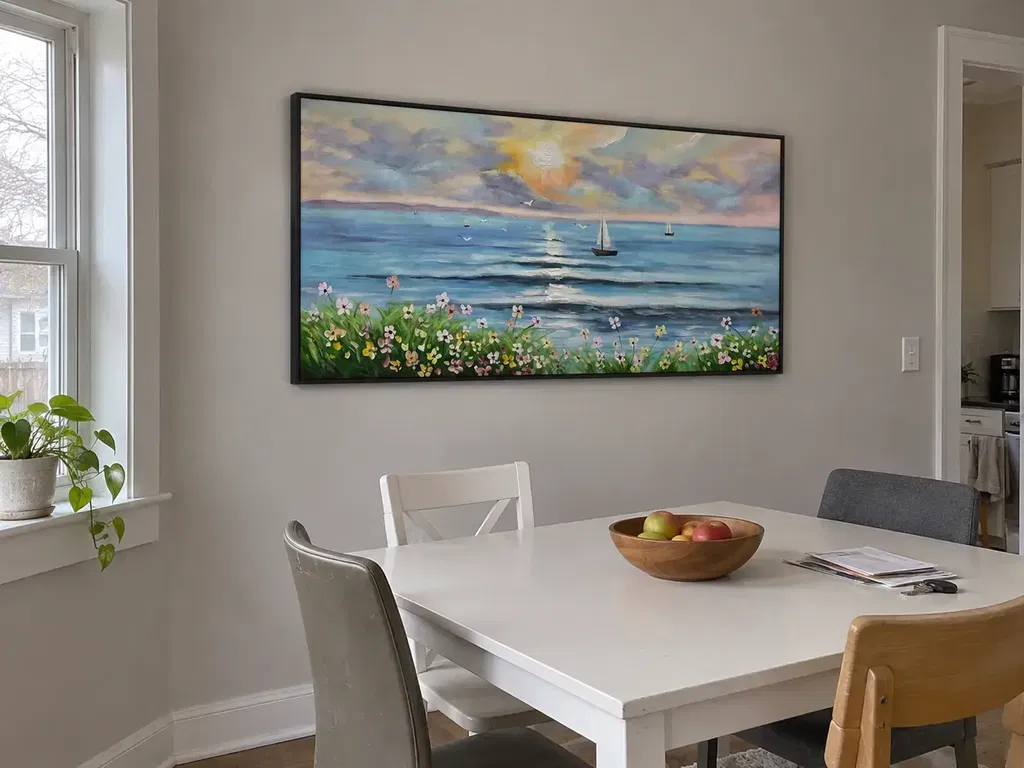
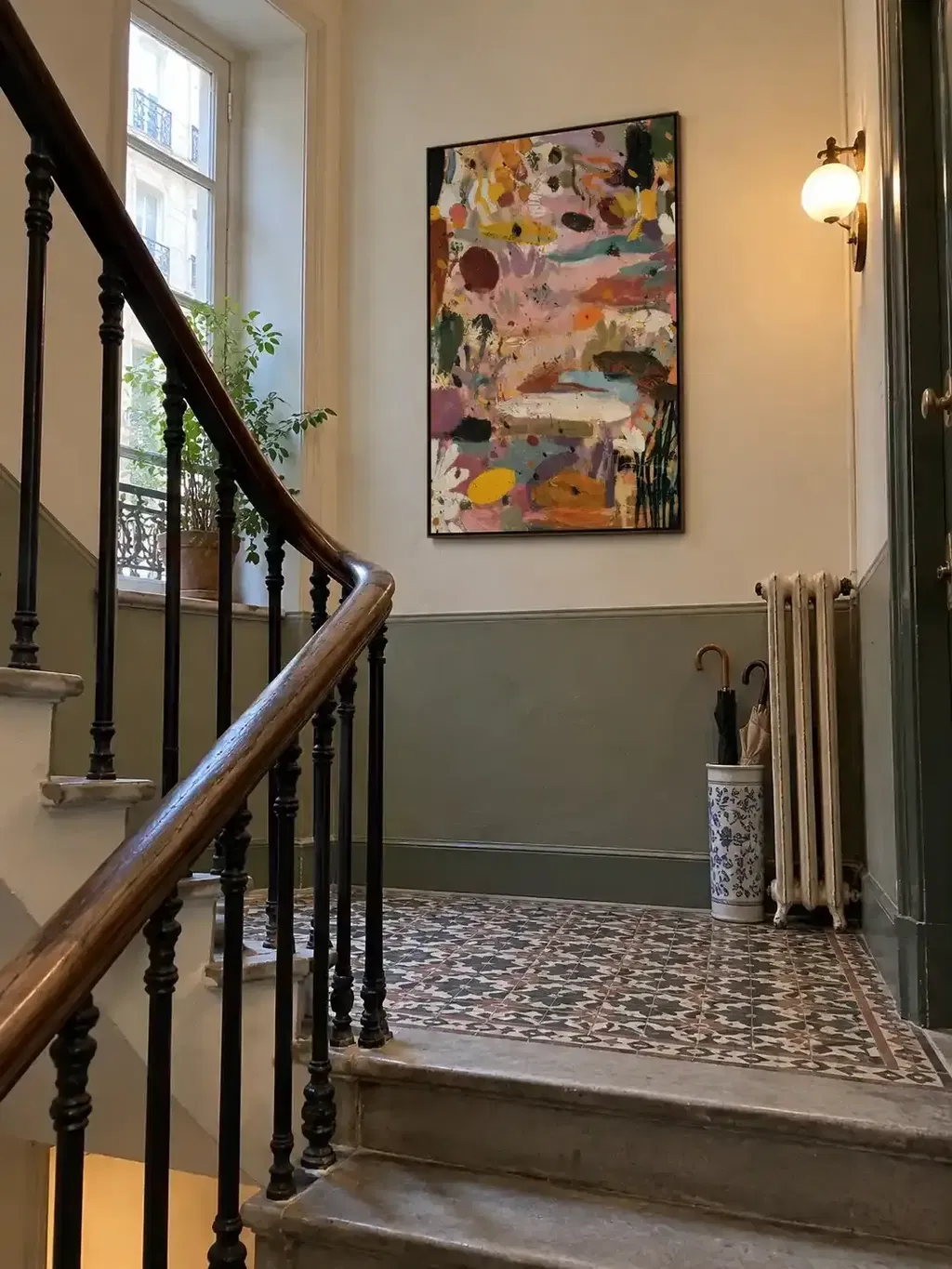
You repaint, buy new furniture, and the room still feels unfinished. The wall is usually the problem. Modern wall art sets the tone of a space in a single decision. "Modern" covers a lot of ground, and most people aren't sure what they want until something looks wrong.
Key Takeaways
- Size up. A piece that feels large in the shop often disappears on a real wall.
- Two-thirds rule. Art above a sofa should span two-thirds of the sofa's width, hung 6–8 inches above the back cushions.
- Hang at 57–60 inches. That's center of the piece to floor, regardless of ceiling height.
- Read the room first. Neutral room: bold abstract works. Busy room: go quieter.
- Echo, don't match. Pick accent colors in the art that appear somewhere else in the room (a cushion, a rug, a wood tone).
- Medium matters. Hand-painted oil or acrylic shifts with light. Flat prints don't.
What Does "Modern" Wall Art Actually Mean in a Home Context?
In art history, modern art refers to work made roughly between the 1860s and 1970s, covering movements from Impressionism through Abstract Expressionism. In home decor, the term has drifted considerably.
When people search for modern wall art for a living room, they typically mean something with clean lines, limited clutter, and a contemporary feel, not a historical reproduction.
For practical purposes, modern wall art in a home context means:
- Minimal ornamentation. Simpler compositions, fewer decorative flourishes.
- Intentional use of color. Often muted, tonal, or high-contrast rather than multicolored.
- Abstract or semi-abstract subjects. Shapes, textures, and forms over literal representation.
- Gallery-style presentation. Canvas, frameless edges, or thin minimal frames.
The term is imprecise, but it consistently points in the same direction: less decorative, more deliberate.
Modern, Contemporary, Abstract: What Is the Difference?
These three terms appear together constantly and get used interchangeably. They are not the same.
| Term | What It Refers To | In Home Decor |
|---|---|---|
| Modern | Art made c. 1860–1970; Cubism, Expressionism, etc. | Clean, uncluttered aesthetic; timeless feel |
| Contemporary | Art being made right now, no fixed style | Reflects current trends and what's selling today |
| Abstract | A subject style: non-representational, no recognizable objects | Can be modern or contemporary; about form and color |
A piece can be all three: a contemporary painting made today in an abstract style that feels modern in tone. When you shop for modern abstract wall art, you're typically looking for work that combines a non-literal subject with a restrained, intentional visual approach.
How Do You Know If Your Room Calls for Modern Art?
Modern art for a living room works well in spaces that already have some visual restraint. Here's how to read your room.
The Palette Test
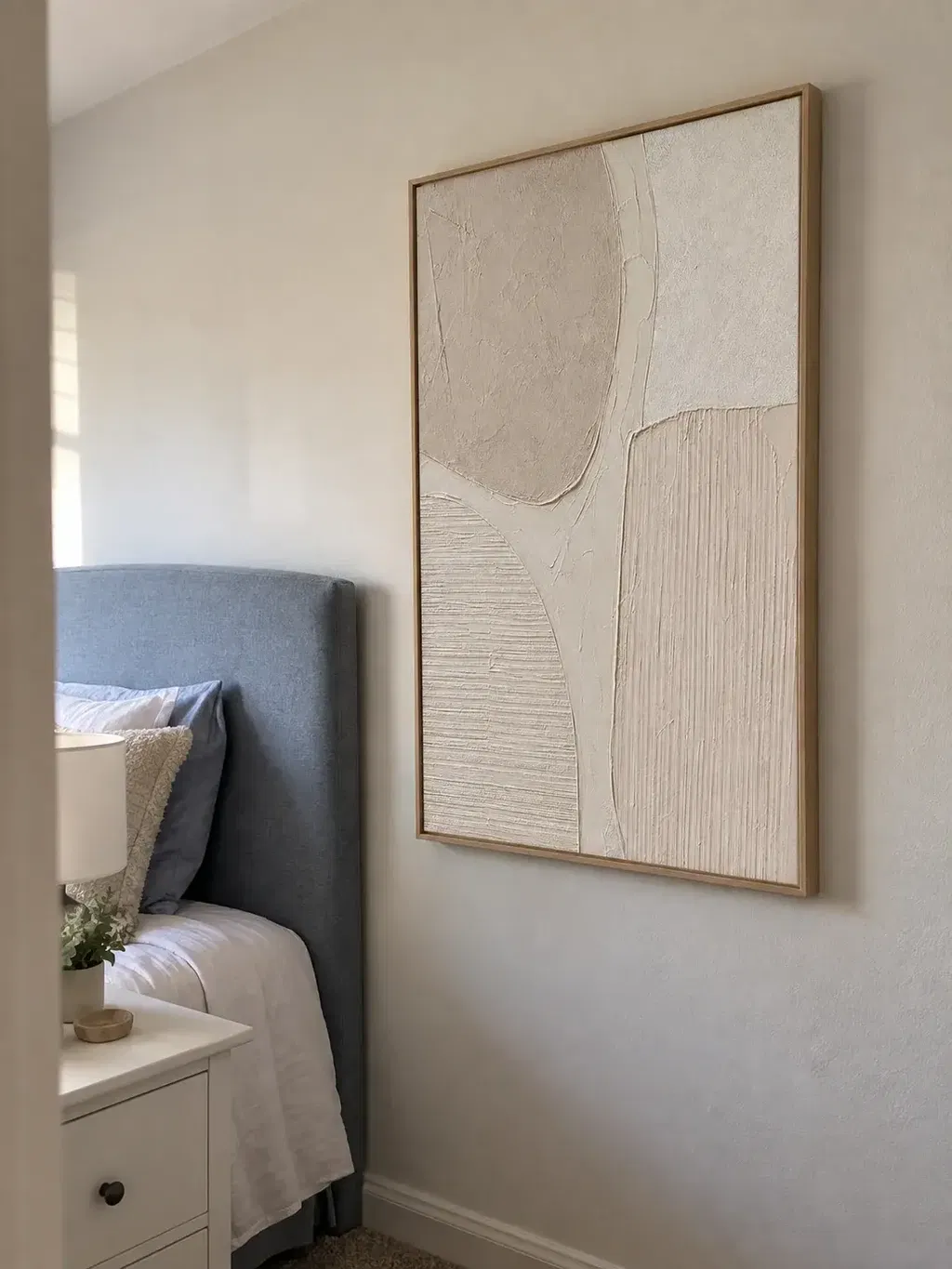
If your walls, furniture, and textiles sit in a neutral or tonal palette (whites, grays, warm beiges, deep navies), modern abstract art will land clearly. If the room already has strong pattern or high color, a quieter piece works better than a competing one.
The Scale Check
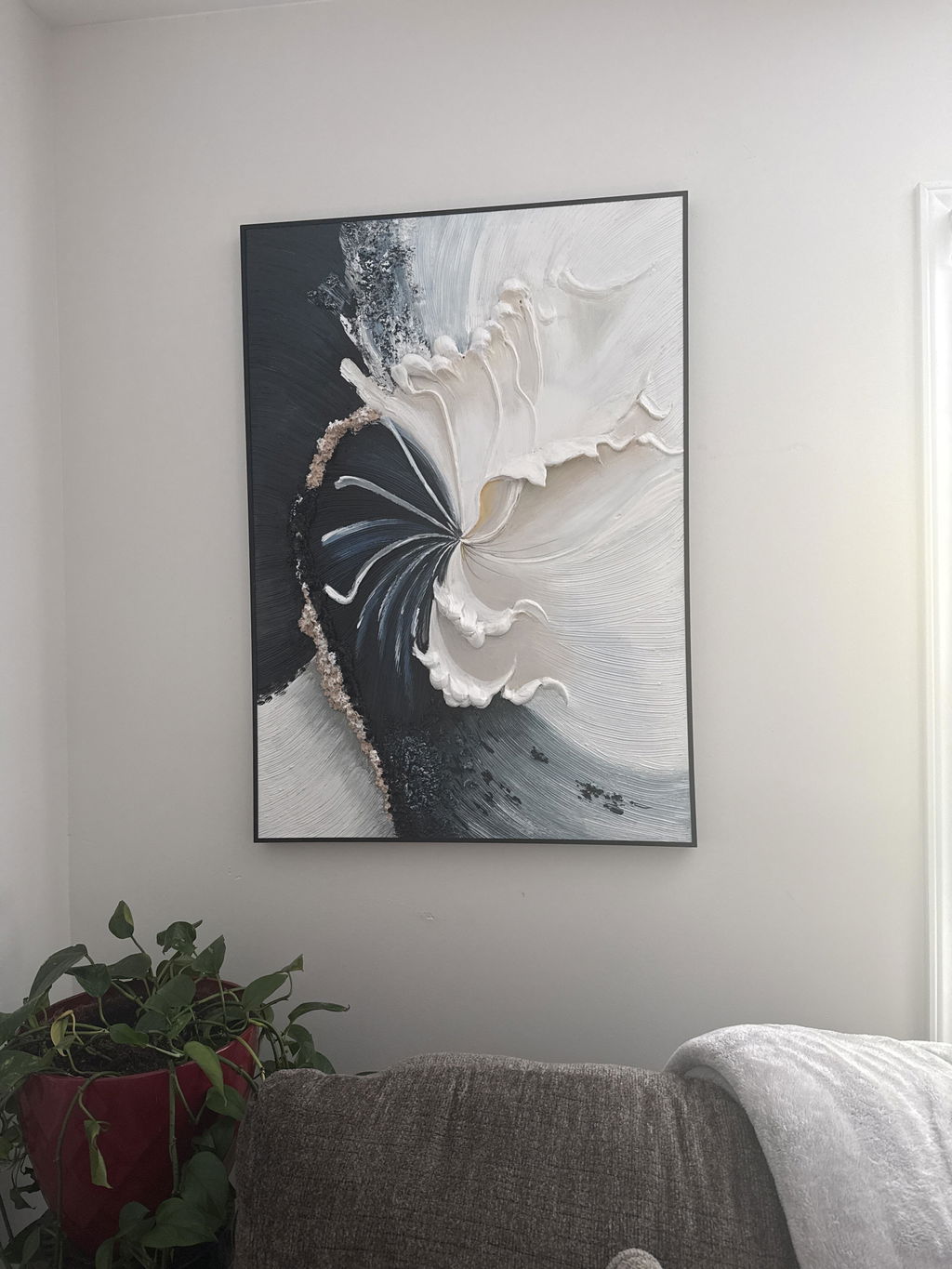
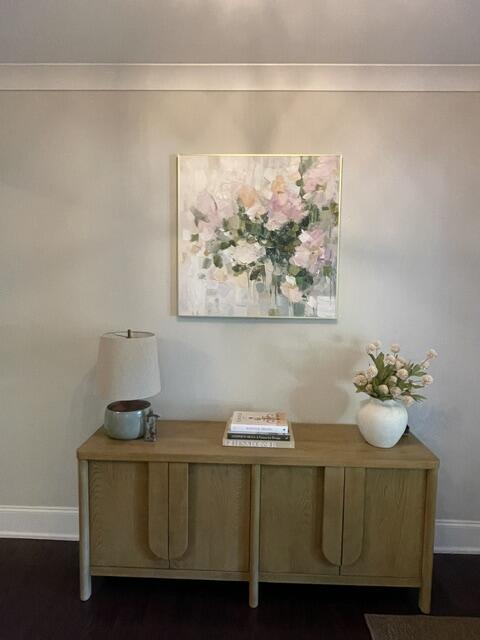
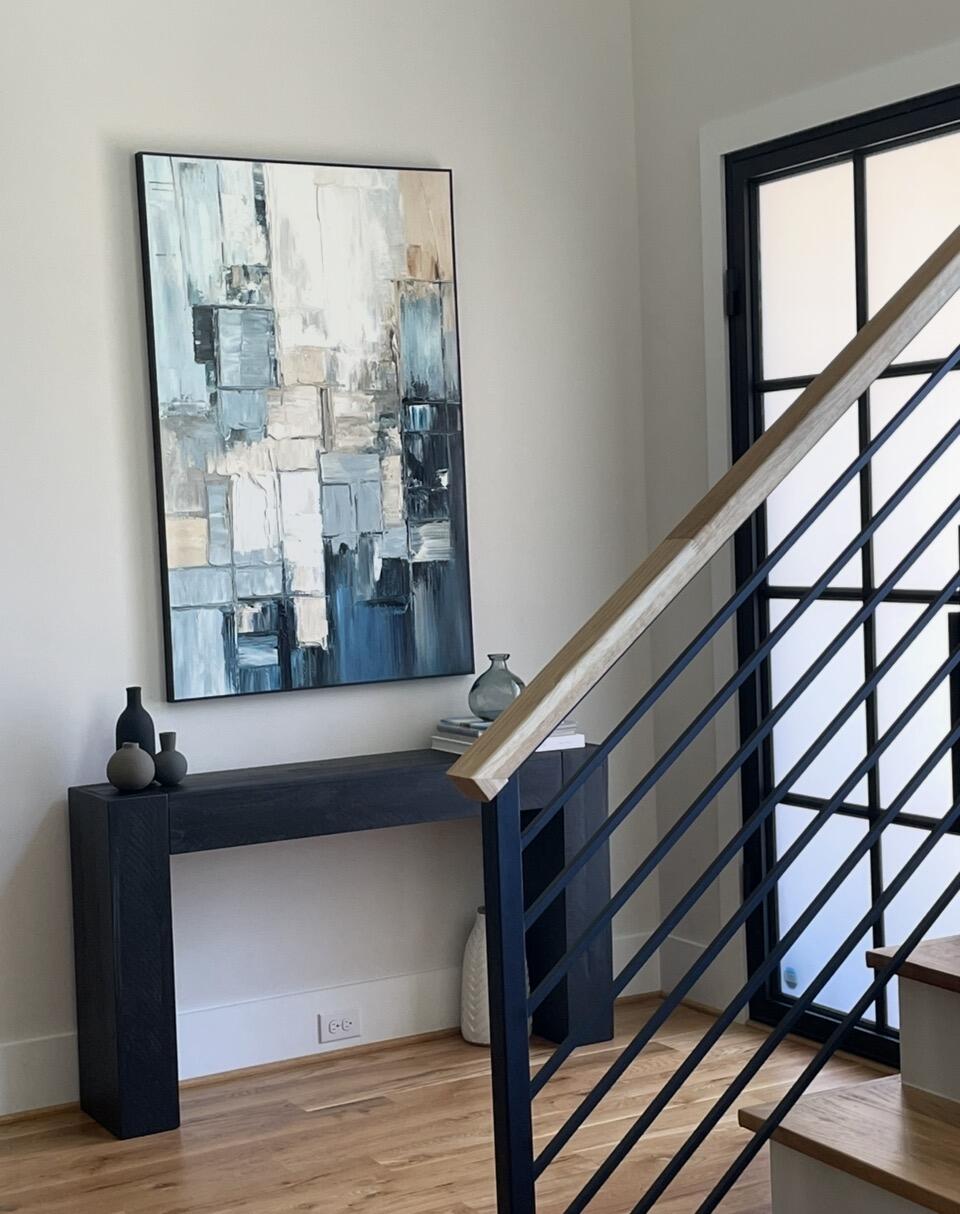
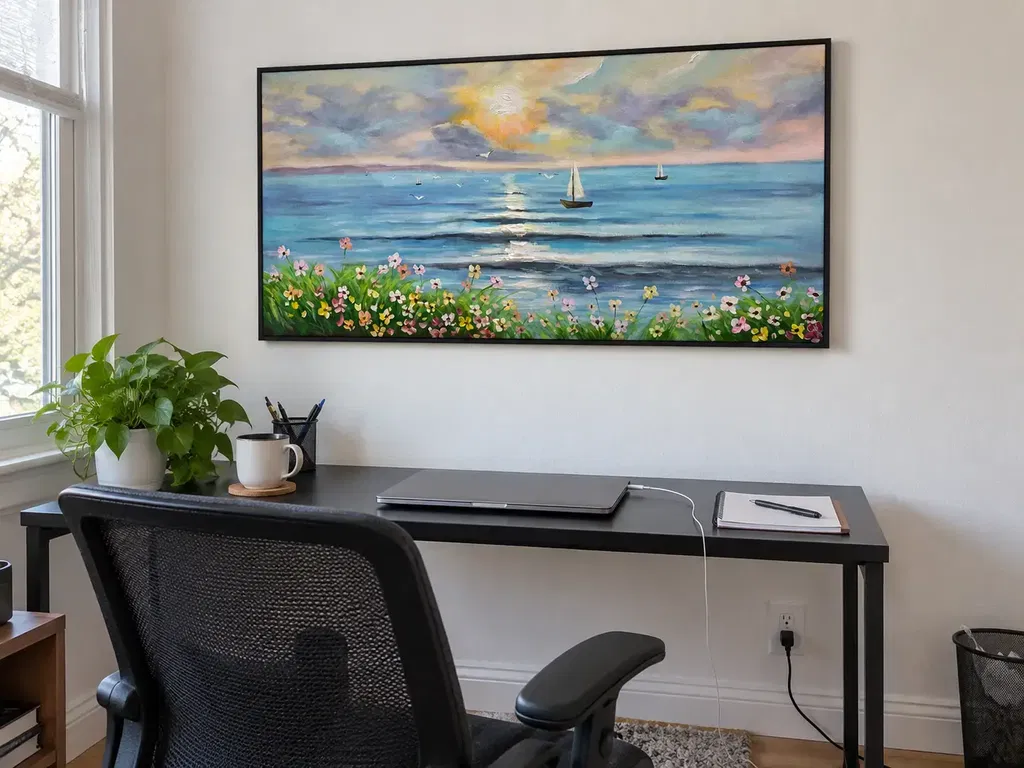
Modern wall art tends toward larger formats. A small piece on a large wall reads as hesitant. Art above a sofa should span roughly two-thirds of the sofa's width, hung 6–8 inches above the back cushions, with the center at 57–60 inches from the floor.
The Light Consideration
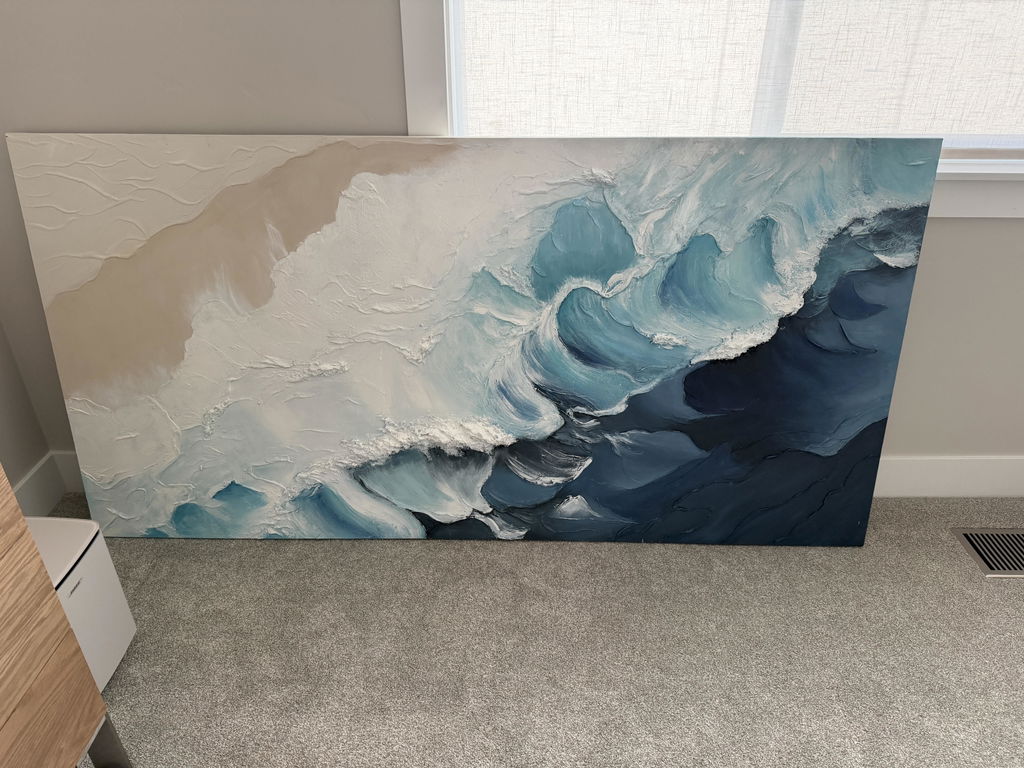
Rooms with strong natural light handle bolder, darker pieces without feeling heavy. Low-light rooms benefit from lighter palettes and textured work. Impasto or palette knife paintings catch incidental light in ways flat prints don't.

What Should You Look for When You Shop for Modern Wall Art?
Subject and Style
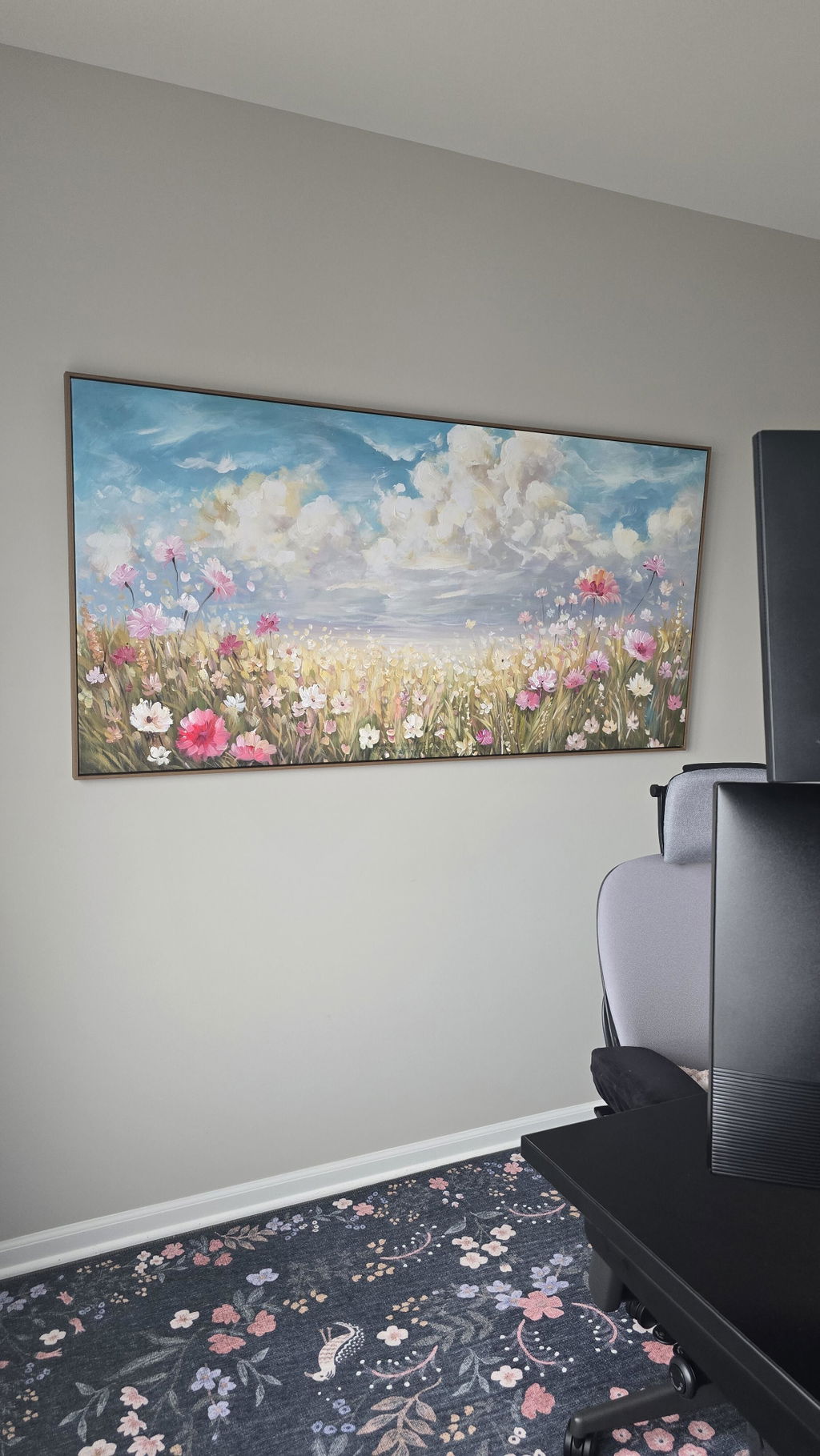
Abstract, landscape, and botanical subjects are the most versatile choices for modern wall art. They don't compete with furniture and work across room sizes. Figurative modern art (portraits, figures) works in specific contexts but needs more open visual space around it.
In 2026, the strongest pairings for living rooms are: neutral abstract canvases in earthy tones, large-scale landscape interpretations, and minimalist single-subject pieces.
Medium and Finish
| Medium | Feel | Best For |
|---|---|---|
| Oil painting (hand-painted) | Rich texture, depth, warmth | Living rooms, bedrooms, statement walls |
| Acrylic painting | Brighter, crisper finish | Modern and contemporary spaces |
| Canvas print | Flat reproduction, more accessible price point | Budget-conscious decorating |
| Textured mixed media | Tactile, dimensional | Feature walls, high-impact spaces |
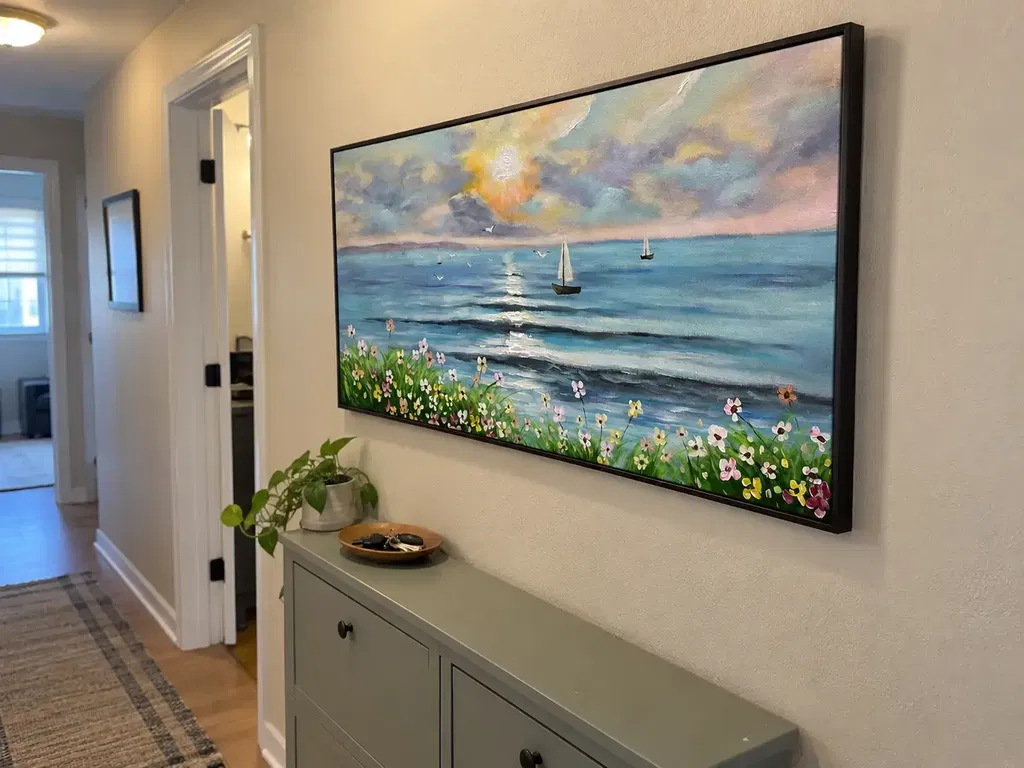
Hand-painted work reads differently from printed reproductions at close range. The texture is visible and shifts with light. For a wall you see daily, that physical quality matters more than it might seem.
Size
Go larger than feels comfortable. Most people underestimate their wall space, and a piece that feels oversized in a shop often disappears on a real wall. When uncertain, size up by one step.
Color Relationship
You don't need to match the art to the room's colors, you need to ensure the art doesn't compete with them. A piece whose accent colors echo something already in the room (a cushion, a rug, the wood tone of furniture) creates cohesion without being obvious.
What Is the Most Common Mistake When Buying Modern Art for a Room?
Buying too small. It's the most frequent error, and understandable: large art feels like a commitment. But a piece that's too small for its wall makes the room feel incomplete.
The second most common mistake: choosing art in isolation. A piece that looked striking on a white website background may read differently against your specific wall color, lighting, and furniture. Use the room's dominant color as your reference point when filtering options.
Other mistakes worth knowing:
- Hanging too high. Target the center of the piece at 57–60 inches from the floor. Above a sofa, hang 6–8 inches above the back cushions.
- Avoiding bold choices out of caution. Rooms with all-neutral art tend to feel safe but flat. A piece with stronger color or form gives the eye somewhere to land.
- Choosing art last. Art selected after a room is fully furnished has to match an existing palette. Art chosen earlier can anchor the room's direction instead.
Choose Once, Choose Well
Scale, color, medium: get those right and the piece will work in the room.
Montcarta was built on the idea that original, hand-painted art belongs in everyday homes. Every piece is painted by a working artist: the texture is real, not reproduced. That's the difference between a wall that looks decorated and one that feels considered.

FAQs
Q1: Can Modern Art Work in a Traditional or Classic Home?
Yes, often better than expected. A single modern abstract piece in a traditionally furnished room creates contrast that makes both elements more interesting. Use one larger piece rather than several small ones, and choose a subject that doesn't compete with existing ornamental detail.
Q2: Does Modern Wall Art Have to Be Abstract?
No. Modern wall art includes landscapes, botanicals, figurative work, and architectural subjects, and abstract is the most common style but not required. What makes something read as modern is the visual approach: clean, intentional, and uncluttered, regardless of subject.
Q3: What Size Modern Art Works Best in a Living Room?
For a wall above a sofa, art should span roughly two-thirds the sofa's width, center at 57–60 inches from the floor. A 72-inch sofa calls for roughly 48 inches of art width. For a bare feature wall, a single large canvas (40 inches or wider) works better than multiple small pieces.
Q4: Is Modern Wall Art Still Popular in 2026?
Yes. The dominant home decor direction in 2026 is intentional decorating: fewer pieces, larger scale, more considered choices. Modern abstract art in earthy neutrals, warm tones, and textured finishes fits that shift directly.