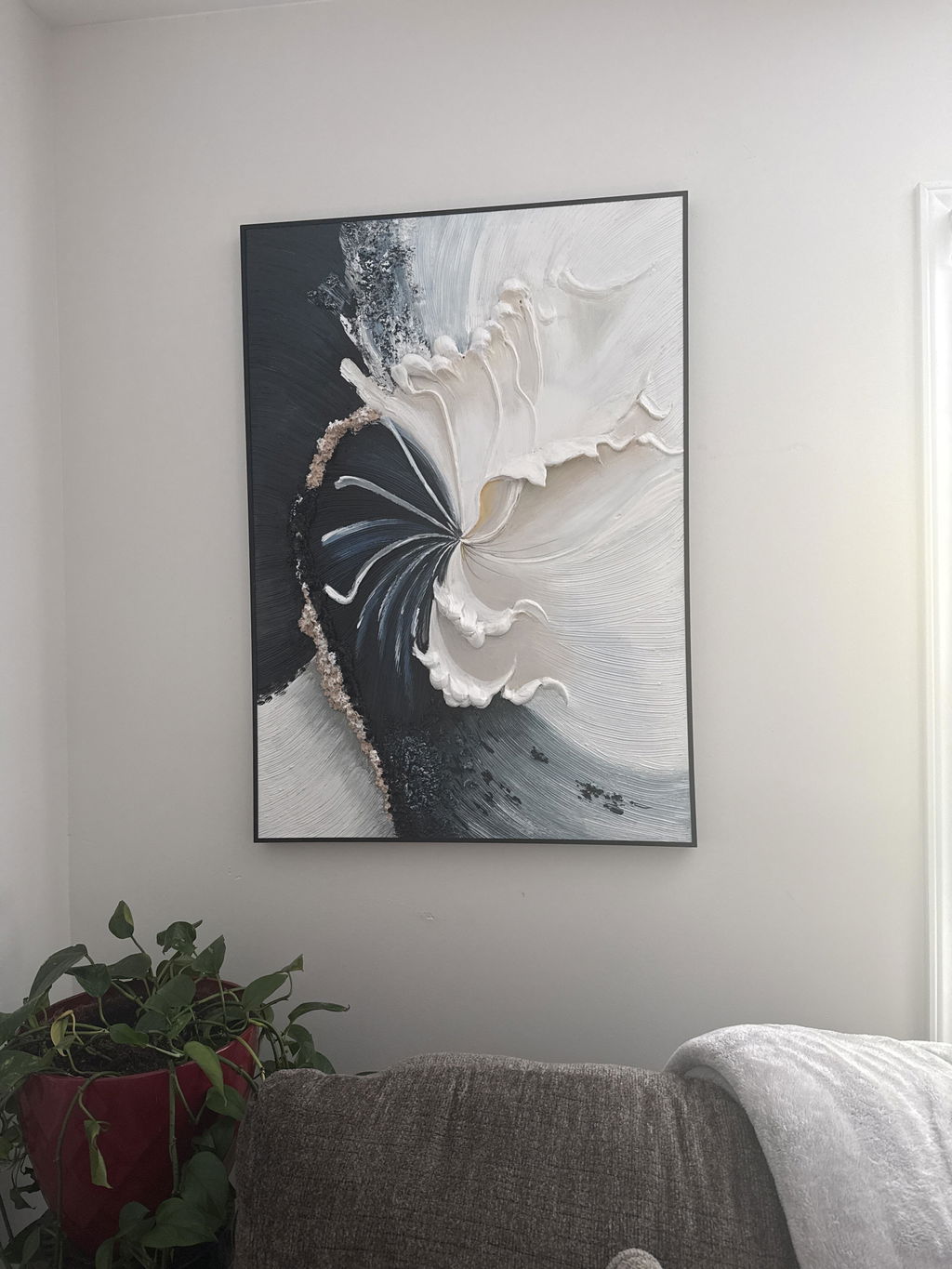
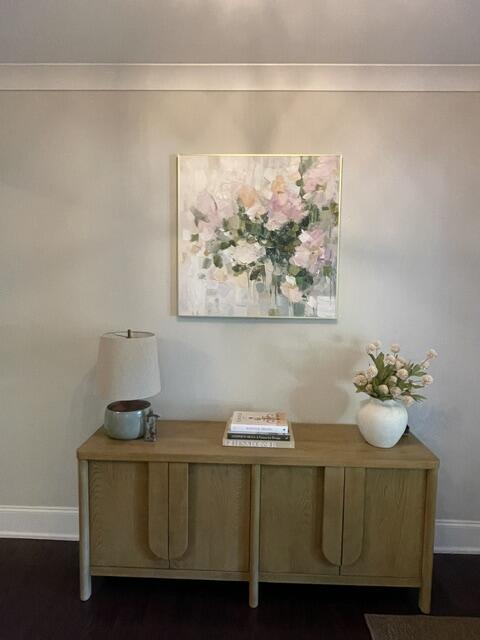
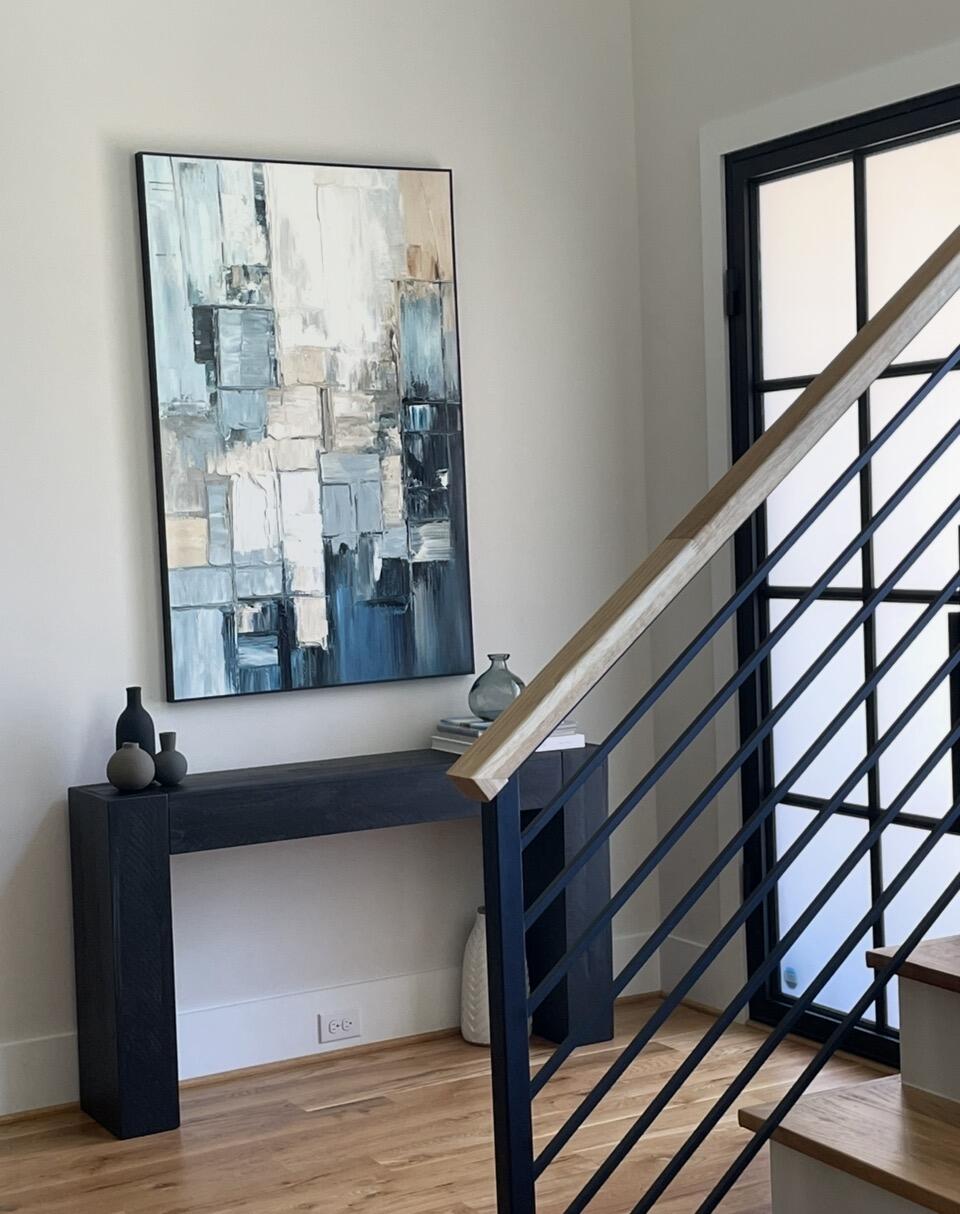
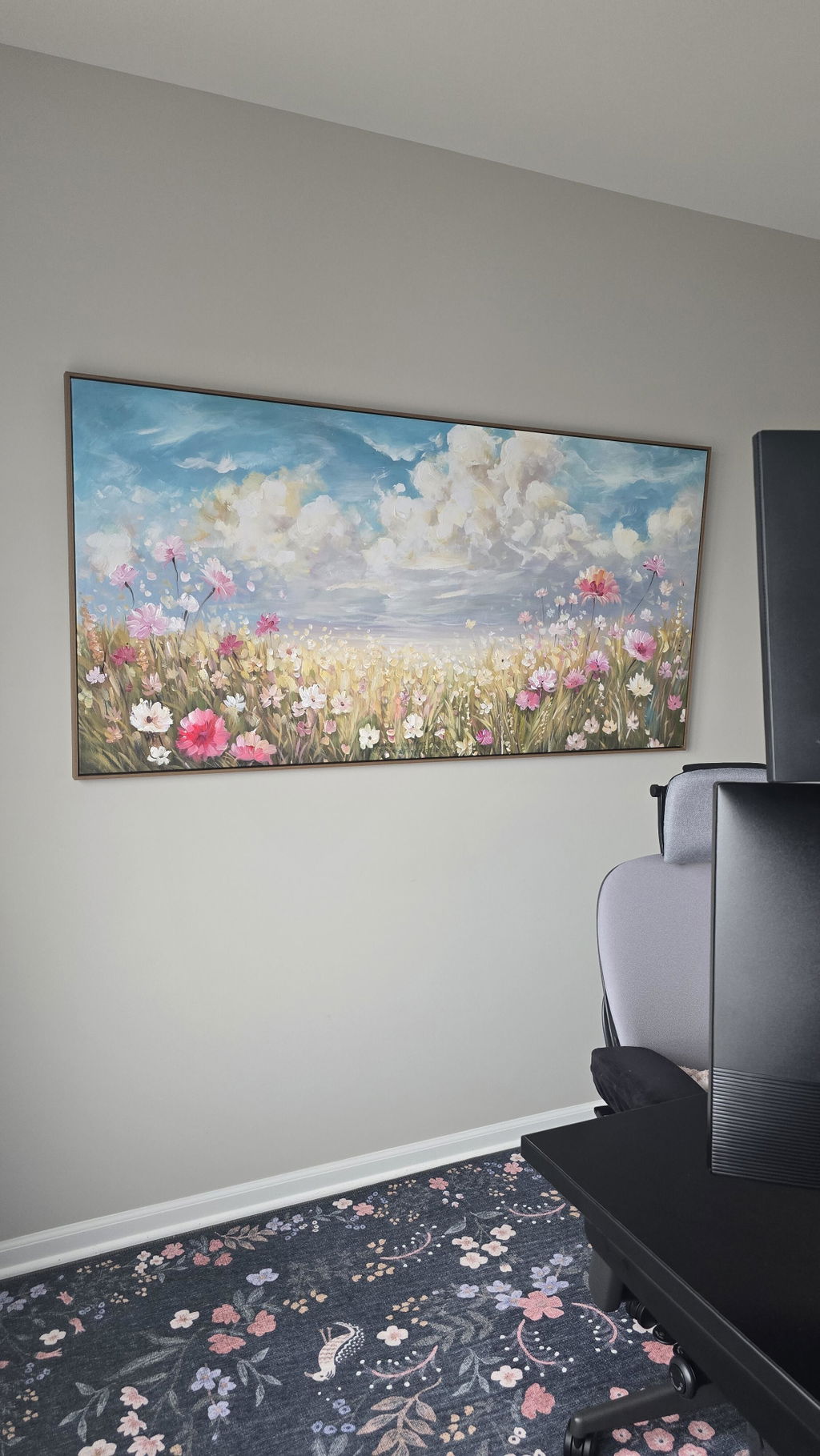
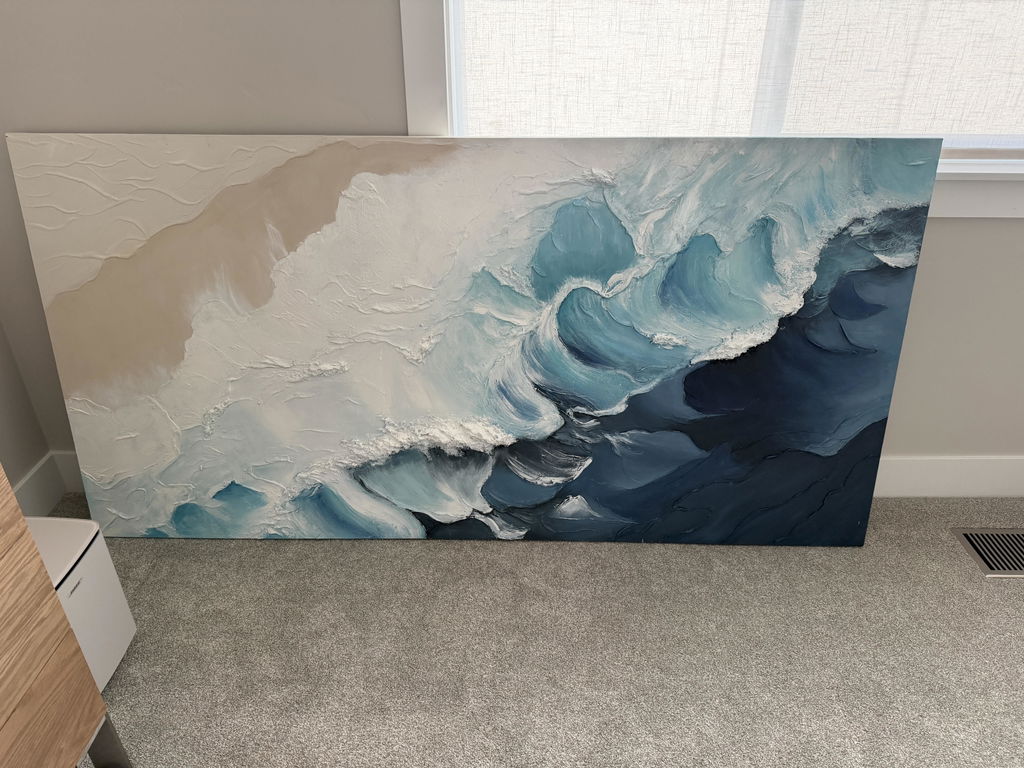
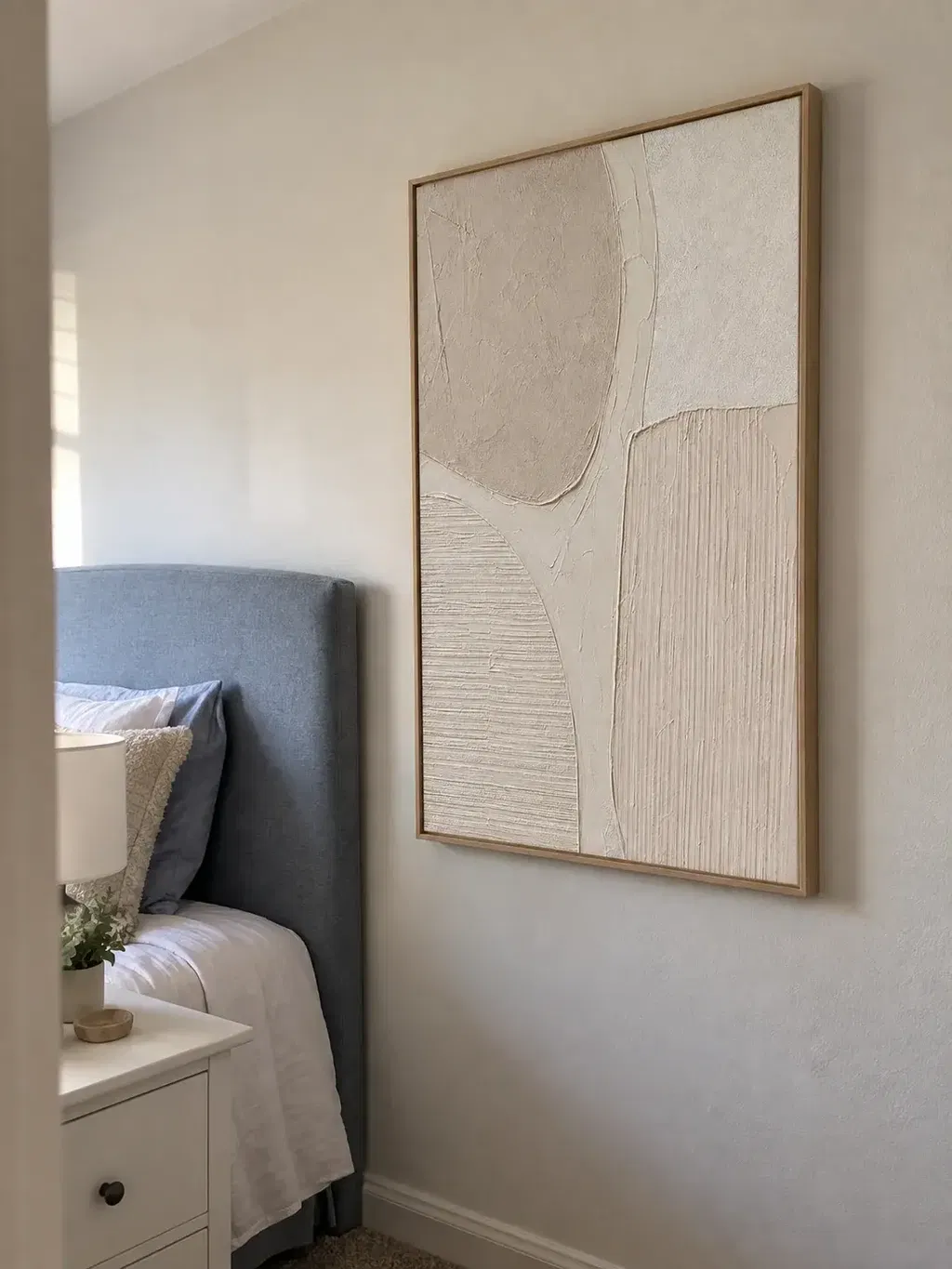
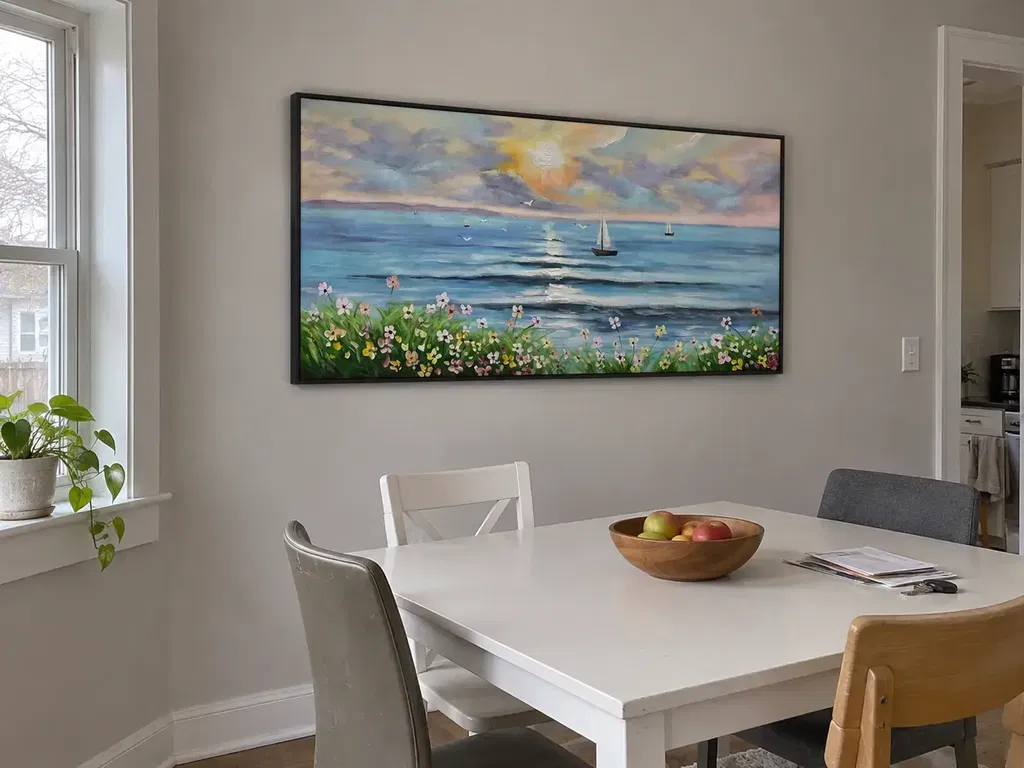
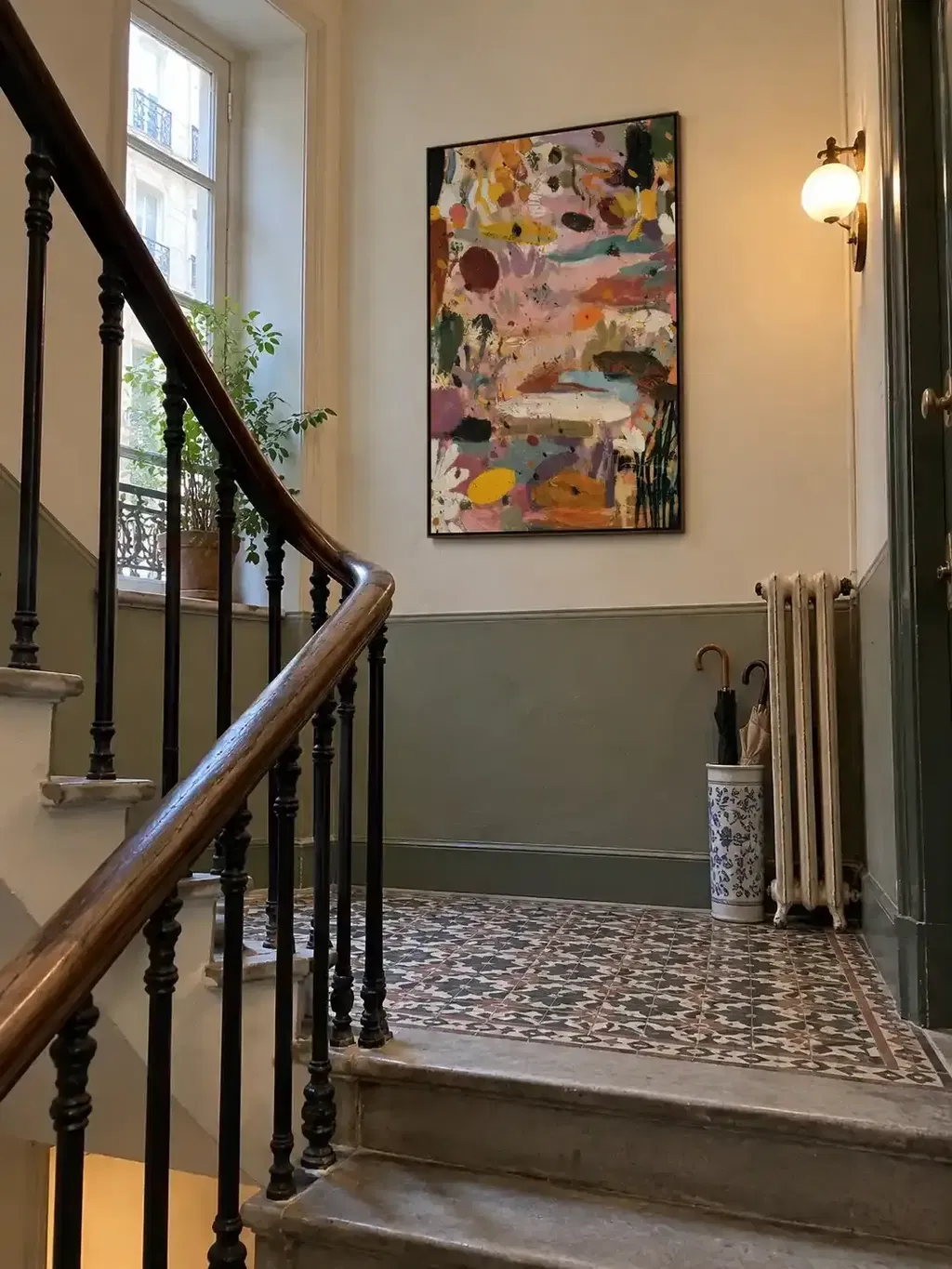
Flat walls in neutral rooms tend to disappear. Paint and furniture give a room structure, but they rarely give it presence. Plaster wall art changes that: the raised surface catches light differently as the day moves, so the piece shifts throughout the day. That quality is what people are searching for when they look up plaster paintings.
Key Takeaways
-
What it is? Plaster wall art uses gypsum or acrylic modeling paste applied to canvas or board to create a raised, dimensional surface. Not a print, not a flat painting.
-
Why minimal rooms? The texture catches and shifts with light throughout the day, adding presence without adding color or visual noise.
-
The finish. Typically matte and chalky, which is why it reads as calm rather than decorative.
What Is Plaster Wall Art and How Does It Differ from Other Textured Art?
Plaster wall art is dimensional wall decor made by applying plaster, gypsum, joint compound, or acrylic modeling paste to a canvas, panel, or board. The material dries hard and creates a raised surface with real depth, not a printed or painted illusion of texture.
How It Compares to Similar Styles
| Style | Material | Surface Feel | Finish |
|---|---|---|---|
| Plaster art | Gypsum or modeling paste | Smooth to rough, architectural | Matte, chalky |
| Impasto painting | Thick oil or acrylic paint | Ridged, brushstroke-visible | Glossy to semi-matte |
| Palette knife art | Oil or acrylic with palette knife | Sharp ridges, layered | Often glossy |
| Wabi sabi art | Mixed media, natural tones | Organic, uneven | Matte, earthy |
The key difference between plaster art and impasto is the medium. Impasto uses paint built up in layers; plaster art uses a compound that sets separately from pigment, giving a more architectural, less painterly result. The finish is typically matte and chalky, which reads as calm rather than expressive.
Why Does Plaster Art Work So Well in Neutral and Minimal Spaces?
Neutral and minimal rooms have a consistent problem: they can feel flat. The colors are quiet, the lines are clean, and nothing competes for attention. That's intentional, but it can also make a room feel unresolved.
Textured plaster art solves this without adding color or visual complexity.
Light Interaction
Plaster surfaces catch and release light differently depending on the time of day. A piece that looks soft at noon reads with more shadow and depth at dusk. That variation is what makes plaster art feel active in a way flat canvas doesn't.
Tone Compatibility
Most plaster wall art comes in white, off-white, warm beige, or neutral gray. These tones sit comfortably in minimalist, Scandinavian, Japandi, and wabi sabi-influenced interiors without requiring color coordination. The texture does the work, not the palette.
Scale Confidence
A single large plaster piece in a minimal room reads as a deliberate decision. Minimal interiors benefit from fewer, larger choices. Plaster art in a larger format (24 x 36 inches or bigger) gives the eye a specific place to land.

What Should You Look for When Buying Plaster Wall Art Online?
Buying textured art online requires more attention than buying flat prints, because the surface is the point.
Check the Product Photos
Look for photos taken under natural or directional light, not flat studio lighting. Flat lighting hides texture. If the seller only shows the piece straight-on under even light, you can't assess what the texture will do in your room.
Verify the Base Material
Plaster art on canvas stretcher bars is lighter and easier to hang than plaster on wood panel or MDF. Canvas-mounted pieces are also less likely to crack during shipping. Confirm the base material before purchasing.
Understand the Compound
Some pieces use gypsum plaster; others use acrylic modeling paste or joint compound. All produce a similar visual result, but gypsum and acrylic paste hold up better long-term. Joint compound is more fragile and chips more easily over time.
Size and Weight
Plaster art runs heavier than standard canvas prints. A 24 x 30-inch piece can weigh 8–15 lbs depending on compound thickness, so use a wall stud or heavy-duty anchor. Standard adhesive strips are not rated for this weight class.
Return Policy
Texture can look different in a home versus a photo. Choose sellers who offer at least a 14–30 day return window. Reputable sellers of original plaster paintings generally provide this.
Where in the Home Does Plaster Art Have the Most Impact?
Placement affects how much the texture shows. Plaster art needs directional or natural light to perform. Here's where it works best:
| Room | Why It Works | Placement Tip |
|---|---|---|
| Living room | High traffic, natural light, large walls | Above sofa or as a standalone feature wall piece |
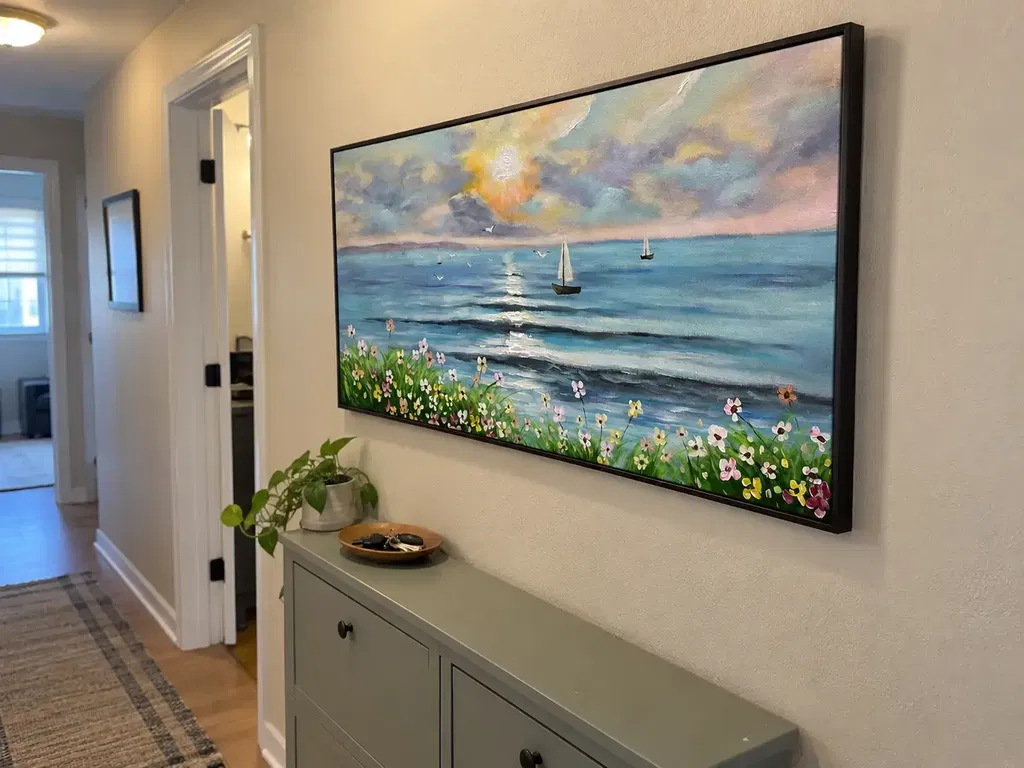
| Entryway / hallway | First impression, often has a focused light source | Eye level, single statement piece |
| Bedroom | Low, warm lighting activates texture beautifully | Above the headboard, centered |
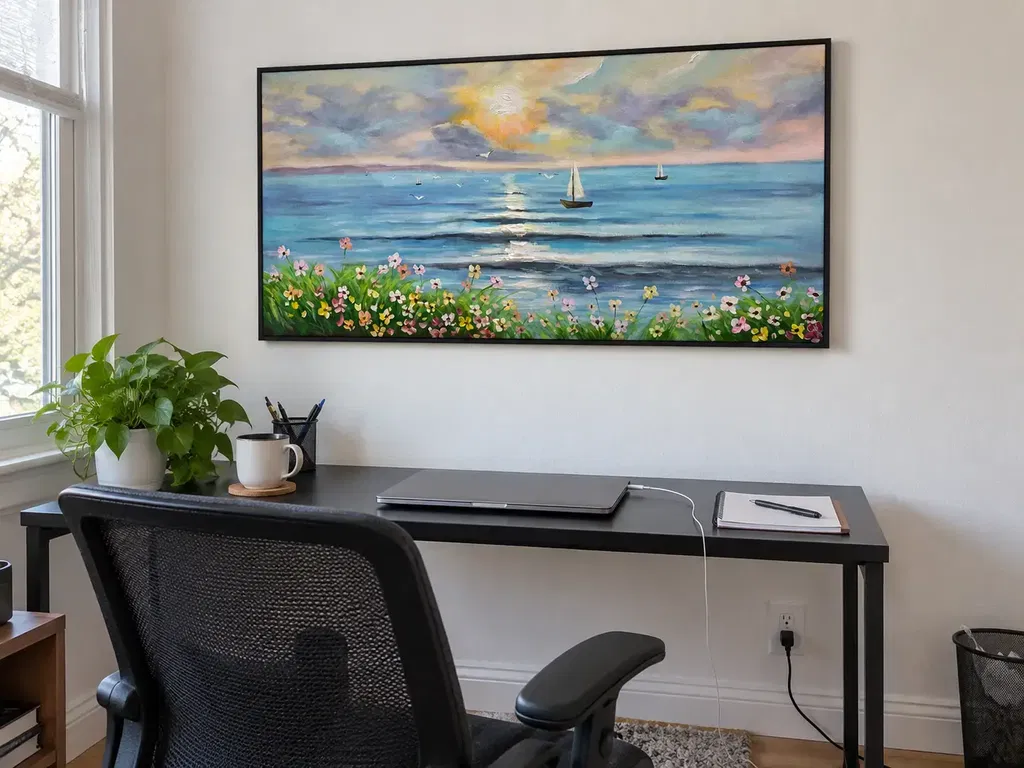
| Home office | Calming presence, no visual distraction | Side wall, out of direct screen eyeline |
| Dining room | Evening light from pendants creates strong shadow play | Opposite the main light source |
Avoid placement on walls with no natural or directed light. In those spots, the texture goes flat and the piece loses its main quality.
Can Plaster Wall Art Work in a Colorful or Eclectic Room?
Yes, with a deliberate approach.
Neutral Plaster in a Colorful Room
A white or off-white plaster piece acts as a visual rest point in a room with strong color or pattern. The texture keeps it interesting; the neutral tone keeps it from competing. This works well in maximalist or eclectic spaces.
Tonal Plaster in a Colorful Room
A plaster piece that closely matches the wall color tends to disappear. If you want the piece to register, choose a tone that contrasts slightly with the wall, or place it against a lighter section.
Wabi Sabi Plaster in a Warm, Layered Room
Wabi sabi plaster art, typically in earthy beiges, warm grays, and raw textures, integrates well in rooms with natural wood, linen, rattan, or terracotta. The organic texture reads as part of the room's material story rather than a decoration placed on top.
Montcarta's wabi sabi and impasto ranges include textured pieces with dimensional, hand-applied surfaces in earthy or neutral palettes. They work in layered, warm interiors without taking over the room.
Texture Is the Point
Plaster paintings work because the surface does something light-sensitive and physical that flat art can't replicate. The right piece in the right light shifts throughout the day. That's a material property, not a trend.
Montcarta carries original hand-painted textured art, including impasto and palette knife work by working artists. If textured wall art is what you're looking for, our art is a practical place to start.

FAQs
Q1: Is Plaster Wall Art the Same as Impasto Painting?
No. Impasto uses thick layers of oil or acrylic paint to create texture. Plaster art uses a separate compound (gypsum, modeling paste, or joint compound) applied independently of pigment. The finishes look similar from a distance, but plaster art gives a chalkier, more architectural result while impasto retains a painterly quality.
Q2: How Heavy Is Plaster Wall Art and Is It Hard to Hang?
It depends on size and compound thickness. A small piece (16 x 20 inches) typically weighs 4–8 lbs; a larger piece (30 x 40 inches or more) can reach 12–20 lbs. Use a wall stud or heavy-duty anchor rated above the piece's weight, not standard adhesive strips.
Q3: Does Plaster Wall Art Work in a Bathroom or Humid Space?
Not recommended for standard pieces. Gypsum and acrylic paste absorb moisture over time, which can cause cracking or deterioration. If you need a textured piece in a bathroom, look for work sealed with waterproof varnish or made from moisture-resistant materials, as most plaster art sold for home use is not humidity-treated.
Q4: How Do You Clean Plaster Wall Art?
Use a soft dry brush or a lightly dampened cloth to lift dust from the ridges. Avoid water directly on unvarnished plaster; it can soften or lift the compound. If the piece has a clear varnish, a barely damp cloth is safe. No sprays or abrasives.