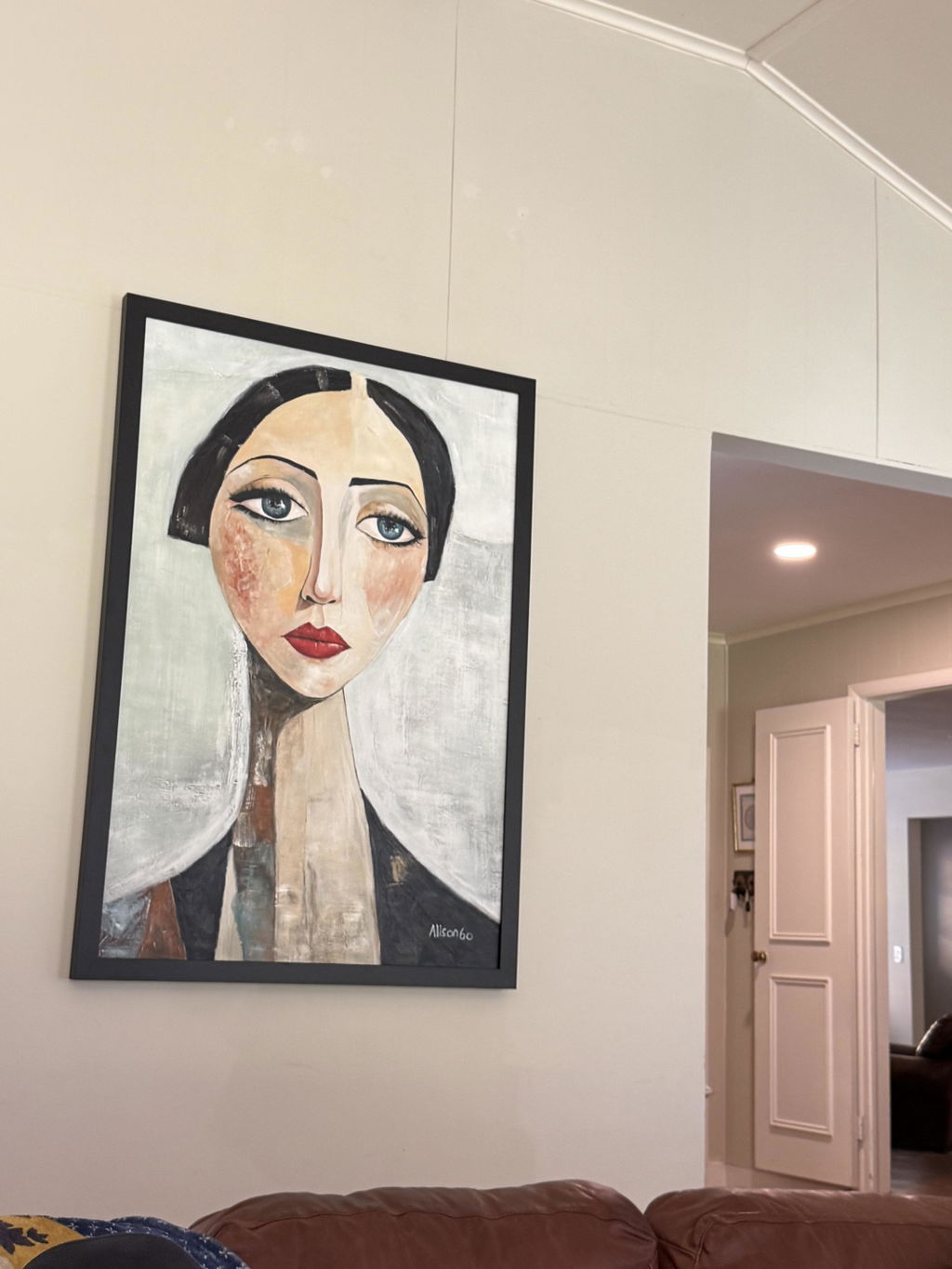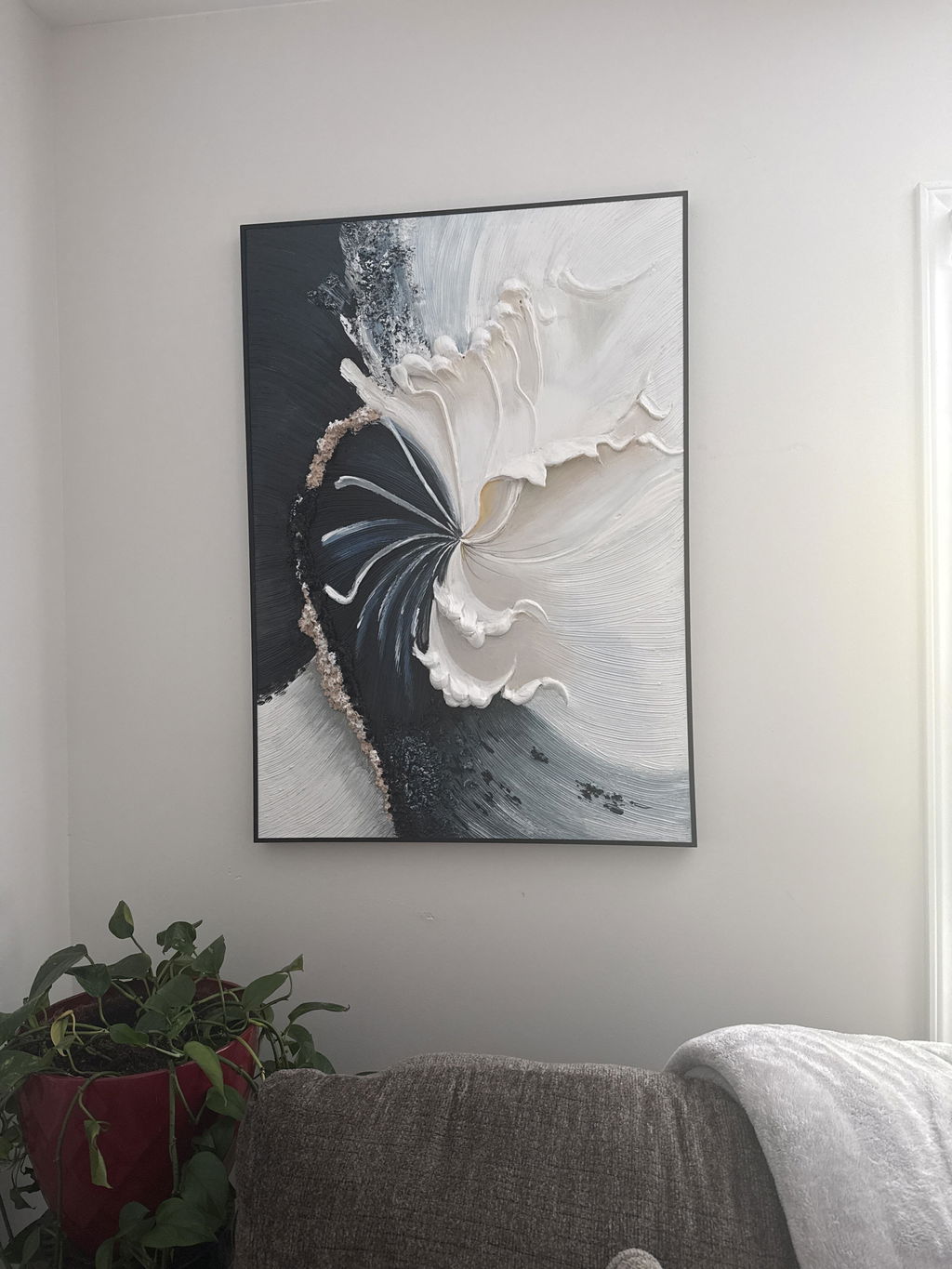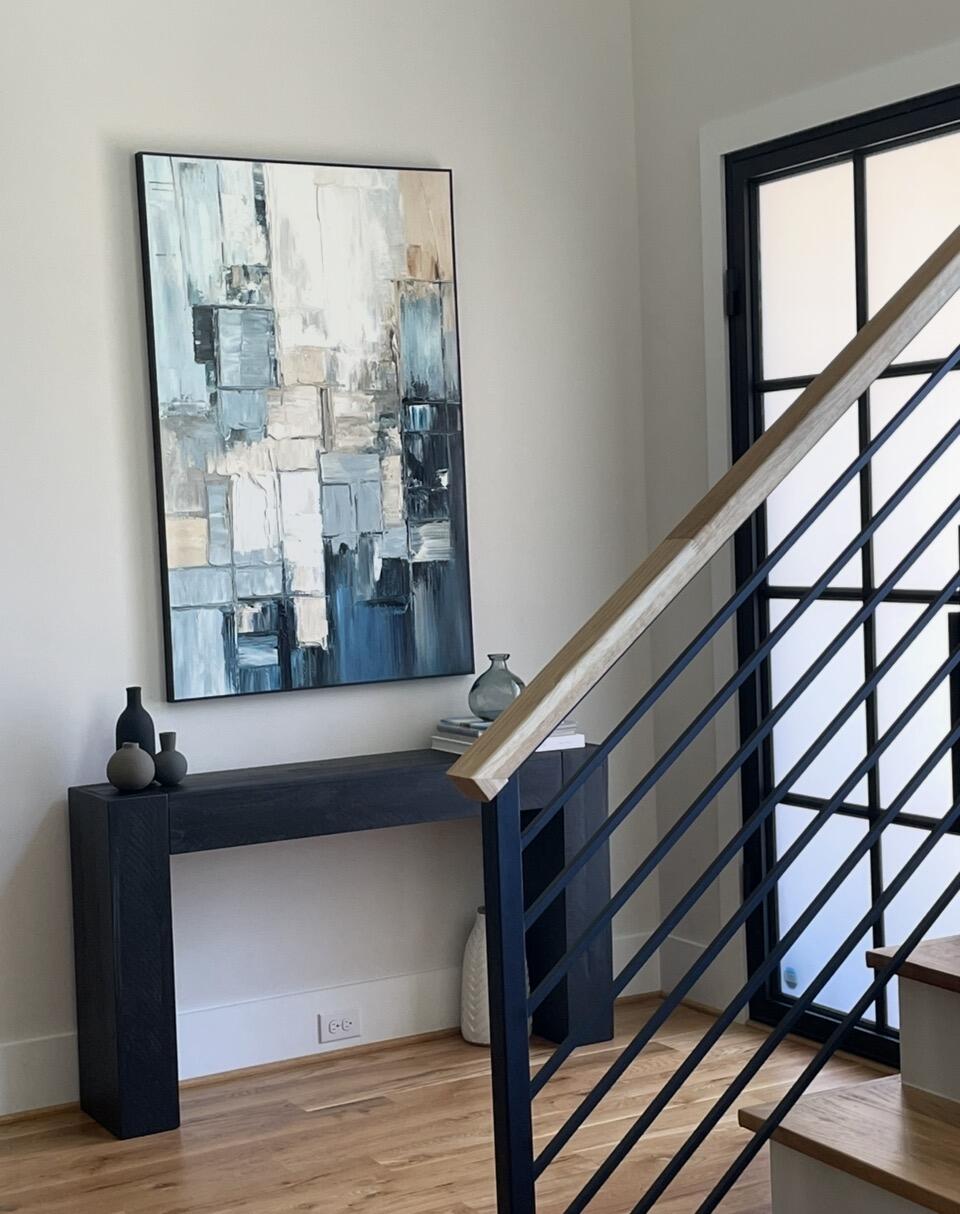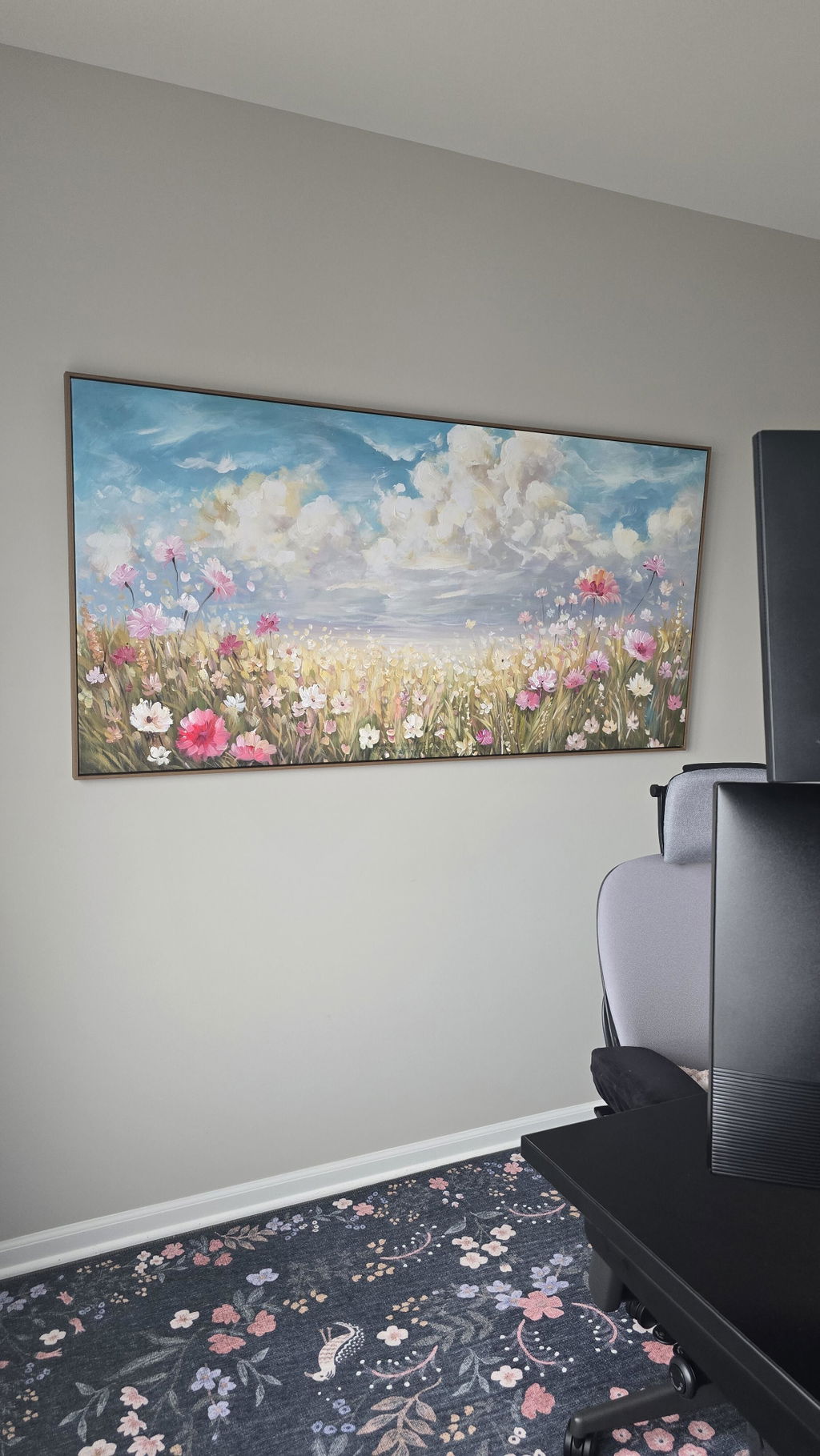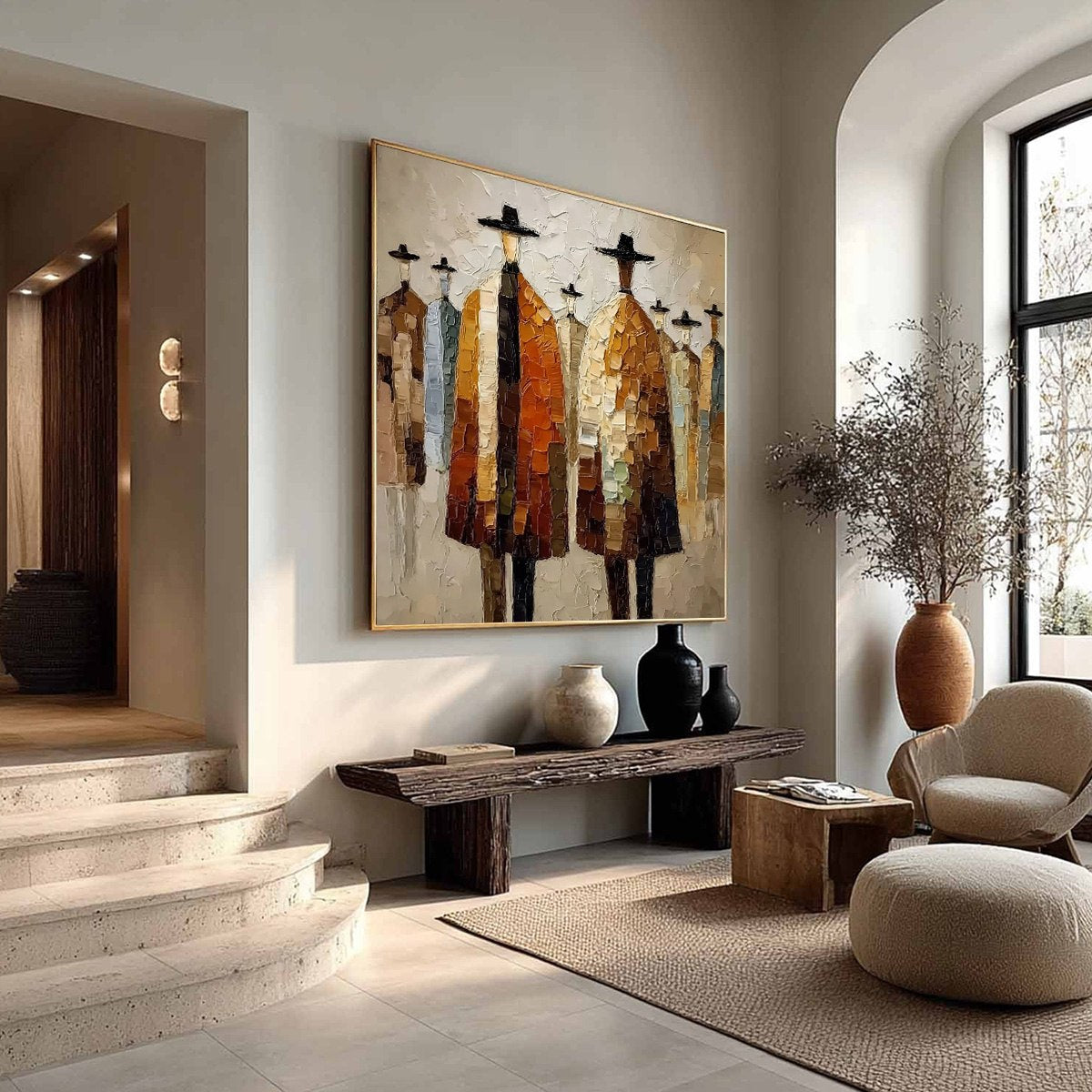
The Shift Toward Material Authenticity in the Art Market
The global art market is undergoing a quiet but profound correction. While high-end auction sales for "vanity" pieces plummeted 44% YoY in 2024 according to Marketplace, a different segment is thriving. Discerning buyers are moving away from purely financial assets and returning to pieces with "real application value"—art that transforms a living space through tangible quality rather than speculative prestige.
In this landscape, the distinction between "Professional-Grade" and "Student-Grade" oil paints is no longer just a concern for the artist; it is a critical metric for the collector. When you invest in a custom hand-painted mural or a premium canvas, the chemistry of the pigment determines whether that piece remains a vibrant legacy or fades into a chalky shadow of itself within a decade.
This guide deconstructs the technical, economic, and aesthetic differences between these two grades of oil paint, helping you understand why premium materials are the foundation of lasting value in decorative art.
1. The Compositional Divide: Pigment Load vs. Fillers
At its most basic level, oil paint is a suspension of pigment (color) in a binder (usually linseed or walnut oil). The primary difference between grades lies in the ratio of these components and the presence of "extenders" or fillers.
Professional-Grade: The Power of Pure Pigment
Professional-grade oils are formulated with the highest possible pigment concentration, typically ranging from 40% to 60% by volume. These paints use premium, often rare, pigments sourced globally. Because the pigment load is so dense, the paint offers exceptional "tinting strength"—a tiny dab of professional Phthalo Blue can transform a large pile of white paint, whereas a student-grade version would barely tint it.
Student-Grade: The Role of "Extenders"
Student-grade paints are designed for affordability, reducing the pigment concentration to 10% to 25%. To maintain the volume of the tube, manufacturers replace the missing pigment with fillers like kaolin clay or calcium carbonate. While these fillers are often viewed as "cheap additives," they serve a specific structural purpose.
Logic Summary: Our analysis of material performance assumes a standard "single-pass" application. We estimate that professional-grade paints provide roughly 2.5x the opacity of student-grade alternatives due to the linear relationship between pigment volume concentration (PVC) and light scattering as defined by the Kubelka-Munk equation.
| Feature | Professional-Grade | Student-Grade | Rationale |
|---|---|---|---|
| Pigment Load | 40–60% | 10–25% | Higher concentration = better opacity |
| Binder Quality | Cold-pressed linseed/walnut | Alkali-refined or synthetic | Natural oils offer better film flexibility |
| Fillers | Minimal to none | 20–40% (Kaolin, etc.) | Fillers reduce cost but impact color depth |
| Texture | Buttery, holds brush marks | Greasy or "short" | Professional oils retain "impasto" peaks |
| Tinting Strength | High (concentrated) | Low (diluted) | Affects how colors mix and layer |

2. The Hidden Economics of "Cheap" Paint
A common misconception is that student-grade paints are more economical. However, for large-scale works like custom murals, the "tube price" is a deceptive metric.
The Layering Penalty
Because student-grade paints have low pigment concentration, they lack "hiding power." In our studio observations, achieving a solid, saturated color with student-grade oils often requires 3 to 5 layers, whereas professional-grade paint achieves the same result in a single pass.
If a student-grade tube costs 50% less but requires 3x the volume of paint and 2x the labor time to achieve the desired look, the "cheap" option becomes significantly more expensive. This is why premium mural services justify higher pricing—they are investing in materials that allow for the "buttery" consistency and rich saturation that define high-end art.
The Problem of "Chalking"
Over time, the high filler content in student-grade paints can lead to "chalking." As the binder ages, the excess fillers (like calcium carbonate) may become exposed on the surface, creating a dull, whitish haze that interferes with the artwork's original color profile. This also creates a poor substrate for varnishing, as the varnish may not adhere correctly to a crumbly, filler-heavy surface.
3. Longevity and the Science of Lightfastness
For a home improver, the most critical "quality cue" is longevity. Will the red in that sunset still be red in twenty years, or will it fade to a muddy brown?
ASTM D4303 Standards
The industry standard for measuring how paint stands up to light is ASTM D4303. This protocol uses xenon-arc testing to simulate years of indoor light exposure. Professional-grade paints almost exclusively use pigments rated "I" (Excellent) or "II" (Very Good).
Interestingly, a "student grade" label doesn't automatically mean poor lightfastness. As noted by JustPaint, a student-grade paint using a stable pigment like Cadmium Red can actually outperform a professional-grade paint that uses a "fugitive" (fading-prone) organic pigment. However, professional lines offer a much wider selection of guaranteed lightfast colors, ensuring the "essential identity" of the piece remains intact—a psychological factor that UChicago research shows is vital to perceived value.
Support Induced Discoloration (SID)
A technical "gotcha" often found in lower-quality applications is Support Induced Discoloration. When transparent or low-pigment mediums are applied over a cotton canvas, water-soluble impurities in the substrate can be drawn up into the paint film, causing a catastrophic yellowing or browning (Source: Golden Artist Colors). Professional-grade paints, with their denser pigment shields and high-quality primers, are much more resistant to this phenomenon.

4. The Sensory Experience: Texture and the Artist's Hand
Beyond the chemistry, there is the "feel." Professional artists choose high-grade oils because of their rheology—how the paint moves under the brush.
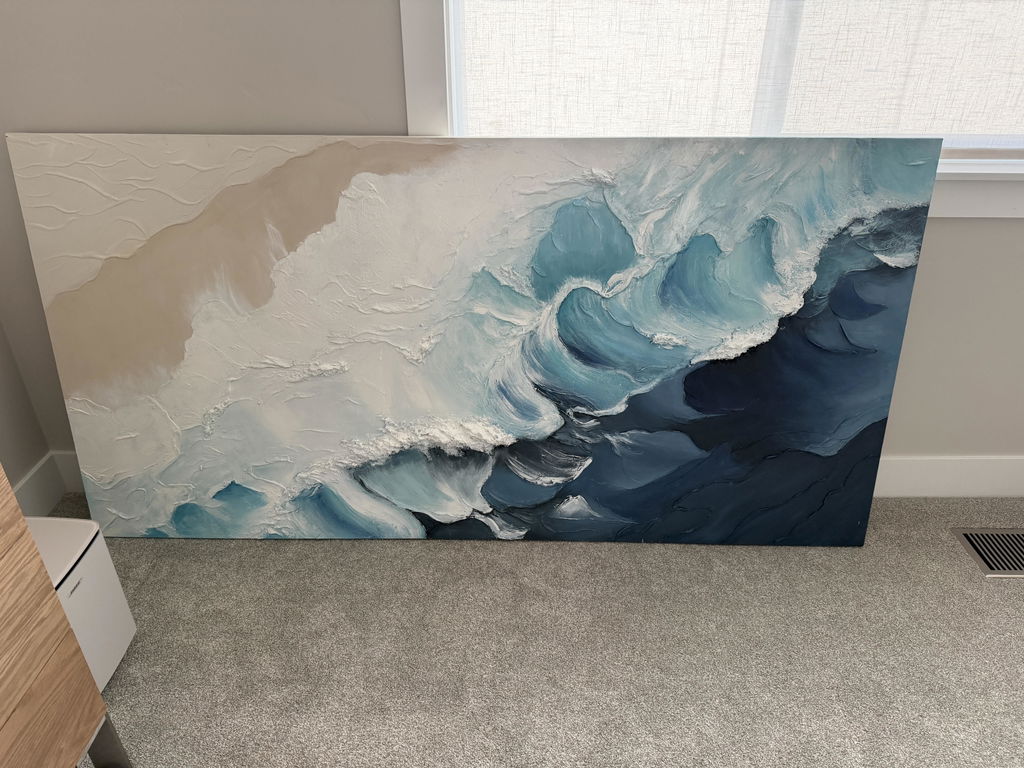
- Professional oils have a "buttery" consistency. They are "long" paints, meaning they can be pulled into long, smooth strokes or piled into thick, sculptural "impasto" peaks that hold their shape as they dry.
- Student oils often feel "greasy" or "short." They tend to level out, losing the characteristic brush marks that signal a piece was hand-painted rather than printed.
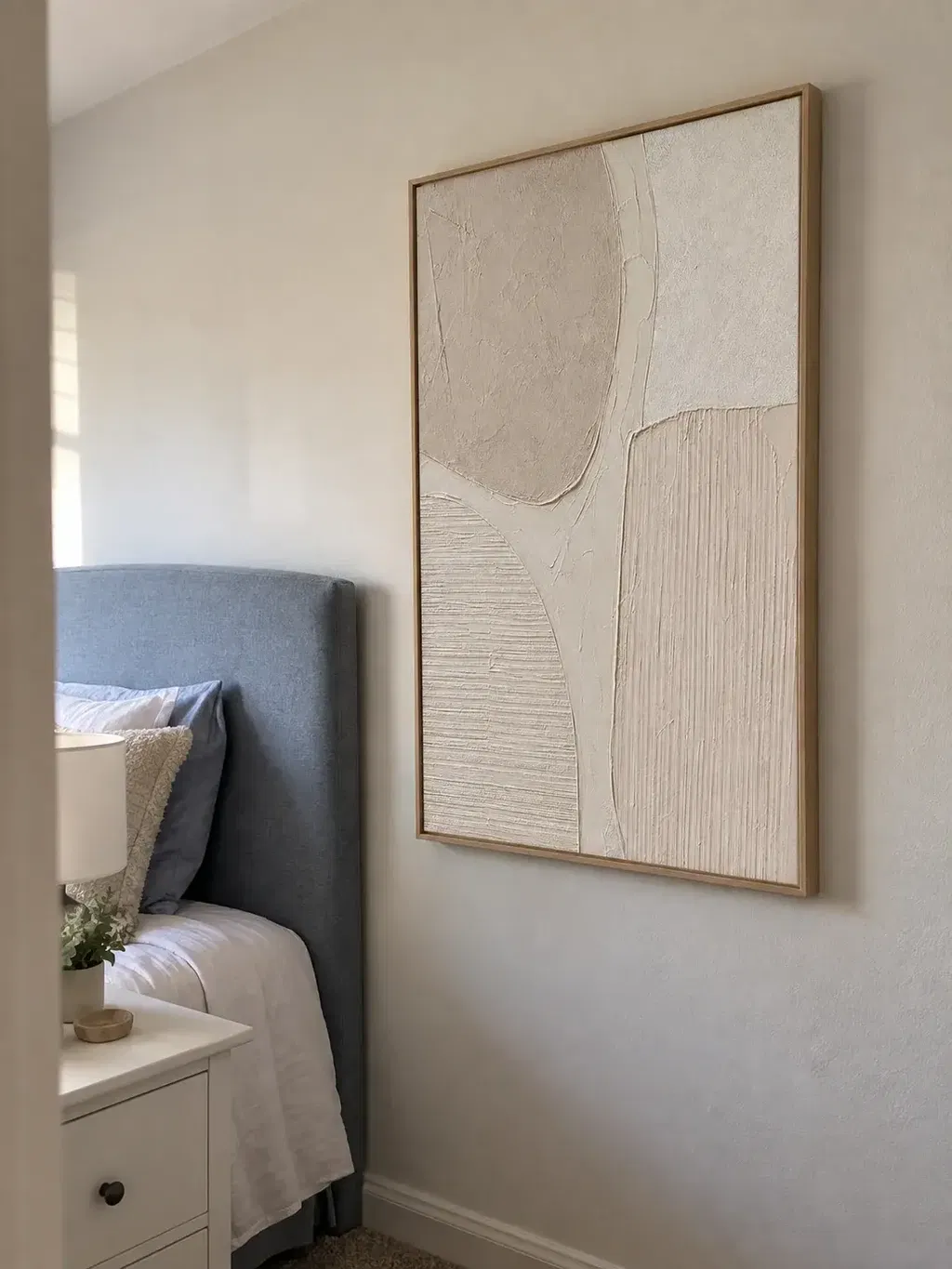
This texture is not just an aesthetic choice; it’s a mark of authenticity. In an era where AI-generated prints are flooding the market, the physical relief of oil paint—the "microtopography" of the surface—is what differentiates a human-made masterpiece. According to MUNCH Museum tests, physical relief textures exponentially stimulate viewer satisfaction and intrinsic motivation.

5. Health, Safety, and the Indoor Environment
For home improvers, the art on the wall shouldn't just look good; it should be safe for the family. This is where the choice of materials becomes a health consideration.
VOCs and Indoor Air Quality
Traditional oil painting often involves toxic solvents like turpentine. However, the modern premium market is shifting toward "Eco-Friendly" alternatives. High-end studios often use walnut oil (which is non-toxic) and low-VOC paints to ensure that indoor air quality remains high. This is particularly important for healthcare facilities or homes with children. The EPA warns that indoor air pollution can be significantly higher than outdoor levels, making low-VOC paints a prerequisite for "Green Building" (LEED) certifications.
The Truth About Cadmium and Lead
Historically, some of the most vibrant colors (Reds, Yellows, Whites) were made from heavy metals like Cadmium and Lead.
- Lead White is now strictly regulated, with the EU's REACH Annex XVII banning concentrations over 0.1% in most consumer products.
- Cadmium remains a staple for its unmatched vibrancy, but it is a Group 1 carcinogen if inhaled as dust (IARC).
Professional artists are trained in "Studio Safety" (Source: Princeton University EHS), ensuring these materials are handled correctly. For the buyer, knowing that a studio uses "non-toxic" or "solvent-free" oil painting techniques adds a layer of "low-risk" luxury to the purchase.
6. The Biophilic Benefit: Why Material Quality Matters to Your Brain
Investing in high-quality hand-painted art isn't just about decor; it's about wellness. Research from UPenn’s Center for Neuroaesthetics found that 73% of patients reported significant mood improvements when exposed to environmental artworks.
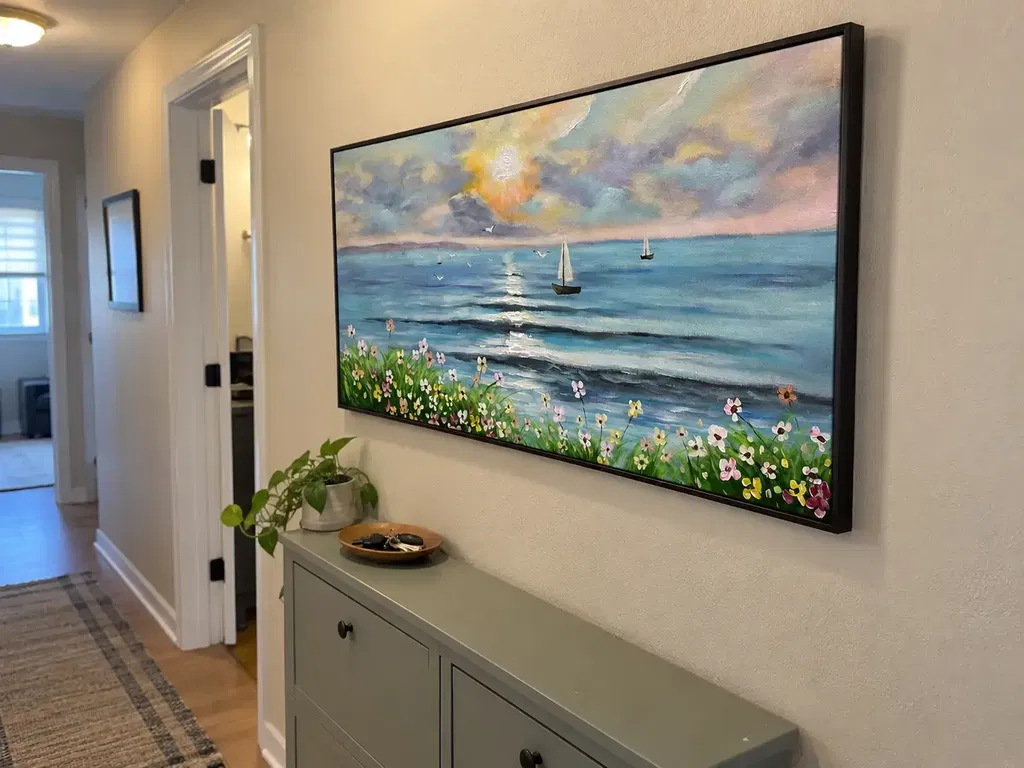
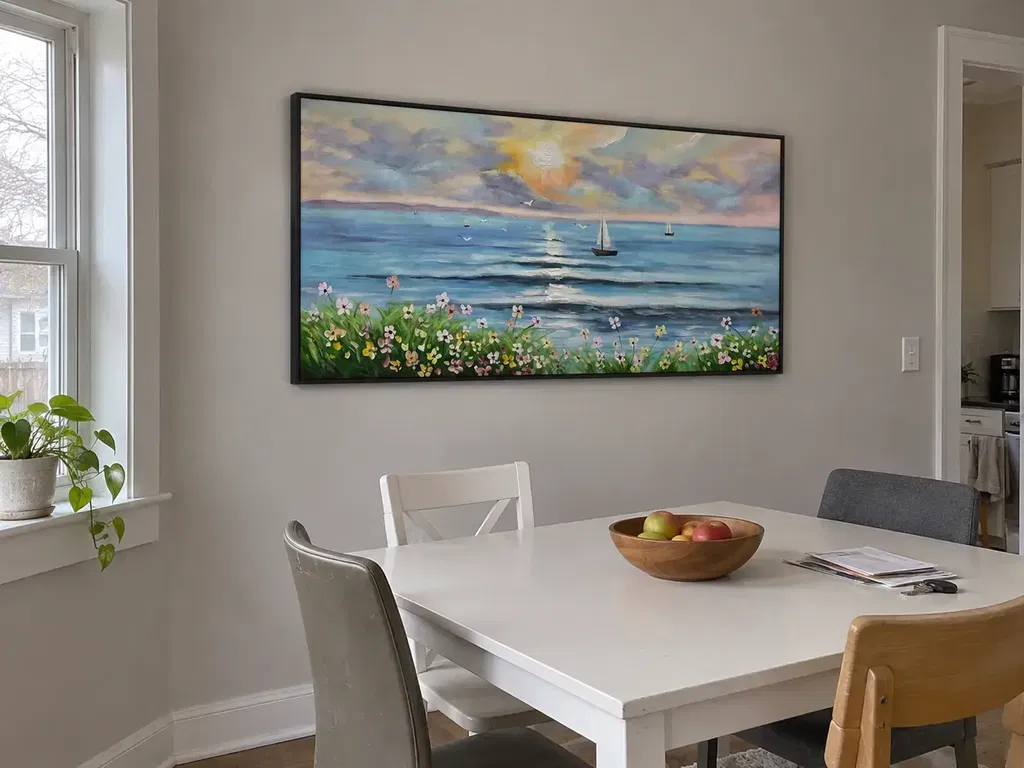
This "healing" effect is most potent when the art features natural landscapes—a concept known as Biophilic Design. Hand-painted murals using professional-grade oils capture the nuances of light and organic texture that digital prints cannot replicate. These visual "nature-cues" activate the medial prefrontal cortex (mPFC), optimizing emotional regulation and reducing stress (Source: PMC11480958).
Methodology Note: Our "Biophilic Impact" model assumes that the viewer's distance from the artwork is between 3 and 10 feet. At this range, the human eye can distinguish between the flat surface of a print and the multi-dimensional layers of a hand-painted oil surface.
| Parameter | Value | Rationale |
|---|---|---|
| Viewing Distance | 3–10 ft | Standard residential/office placement |
| Texture Sensitivity | High | Human eye detects 1mm relief at 5ft |
| Color Accuracy | Delta E < 2.0 | Professional pigments minimize metamerism |
| mPFC Activation | Observed | Correlated with "Authentic" vs "Digital" cues |
| Longevity Expectancy | 50+ Years | Based on ASTM I/II pigment stability |

Summary: Choosing for the Long Term
When evaluating the price of custom decorative art, the "grade" of the paint is a proxy for the artist's commitment to excellence.
- Student-grade materials are suitable for temporary studies, practice, or experimental underpainting where the final surface will be covered by higher-quality layers.
- Professional-grade materials are the non-negotiable standard for any work intended for sale, long-term display, or as a focal point in a high-end interior.
By choosing art created with professional-grade oils, you are not just buying a "look." You are investing in a chemical structure designed to withstand the test of time, a sensory experience that digital media cannot mimic, and a safer, more vibrant environment for your home or office. As the art market shifts toward "real application value," the quality of the material becomes the ultimate mark of the savvy collector.
Disclaimer: This article is for informational purposes only and does not constitute professional health, safety, or legal advice. Art materials can contain toxic substances; always follow manufacturer safety guidelines and consult a qualified professional regarding indoor air quality or environmental health concerns.
References
- Marketplace: The expensive art market continues to struggle - Link
- ASTM International: D4303 Standard Test Methods for Lightfastness - Link
- Getty Conservation Institute: Color Science and Pigment Mixture - Link
- EPA: Indoor Air Quality and Low-VOC Paints - Link
- University of Chicago: Does Artwork Preserve Essential Identity? - Link
- UPenn Center for Neuroaesthetics: Visual Art in the Built Environment - Link
- Golden Artist Colors: Advanced Technical Bulletins on SID - Link
- IARC: Monograph on Cadmium and Cadmium Compounds - Link