The Evolution of Custom Fine Art: Balancing Authenticity and Production Logic
The global art market is undergoing a structural realignment. While high-end auction sales for purely financial art assets plummeted 44% year-over-year in 2024, according to Marketplace.org, there is a resurgent demand for art with "real application value." Modern consumers, particularly in the premium home decor and interior design sectors, are moving away from overpriced vanity pieces in favor of custom, hand-painted works that offer emotional resonance and structural reliability.
For professional artists and designers, this shift necessitates a balance between artistic soul and manufacturing-like precision. One of the most effective technical solutions to meet demanding project timelines without sacrificing the depth of oil paint is the use of acrylic underpainting. This hybrid approach—layering oils over an acrylic foundation—allows for predictable production cycles while maintaining the "essential identity" that consumers value. Research from the University of Chicago confirms that digital replicas and AI-generated prints lack this perceived "soul," collapsing their value in the eyes of collectors compared to 100% human-made textured works.

The Technical Rationale: Why Artists Layer Acrylics Under Oil
The primary driver for using acrylics as a foundational layer is the radical difference in drying mechanics. Traditional oil paint cures through oxidative cross-linking, a process that can take weeks for a single thick layer to become touch-dry. In contrast, acrylics dry via "coalescence"—the physical evaporation of water—which typically occurs within 24 to 48 hours.
1. Accelerating the Production Lifecycle
For interior designers working on tight renovation schedules, the "weeks-long" wait for oil sketches is often the bottleneck. By blocking in major tonal masses and structural compositions with acrylics, an artist can move to the final oil glazing stage in a fraction of the time. This predictability is essential for the B2B creative economy, which, according to UNCTAD, now accounts for 3.1% of global GDP.
2. Establishing Tonal Foundations
Acrylics offer a matte, stable surface that is ideal for "imprimatura" or the initial staining of the canvas. This prevents the "sinkage" of oil pigments into the raw fibers of the substrate. However, practitioners must adhere to the "Fat over Lean" principle. Because oil paint is more flexible than dried acrylic, the acrylic layer must be kept thin and lean. A common heuristic used in professional studios is a dilution ratio of 20–30% paint to 70–80% water to ensure the oil layers can achieve a mechanical bond with the canvas fibers through the acrylic "mesh."
Structural Integrity and Molecular Mechanics
While the speed advantages are clear, the long-term structural reliability of hybrid paintings depends on understanding the molecular incompatibility between synthetic polymers and natural oils.
The Delamination Risk Model
Conventional wisdom suggests that acrylic underpainting provides a stable foundation, but recent analysis indicates potential degradation pathways. Acrylic polymers (primarily PMMA) and oil paint oxidative networks have fundamentally different chemical structures. Over a 50-year horizon, these layers may experience differential movement.
Modeling Note (Scenario Analysis): This model estimates the risk of delamination based on the physical properties of modern art mediums. This is a scenario model based on industry heuristics, not a controlled laboratory longitudinal study.
| Parameter | Estimated Value | Unit | Rationale |
|---|---|---|---|
| Acrylic Tensile Strength | 35–45 | MPa | High polymer chain density |
| Oil Film Flexibility | 15–20% | Elongation | Oxidative cross-linking allows stretch |
| Adhesion Failure Rate | 5–10% | Probability | Based on 20–50 year aging simulations |
| Optimal Acrylic Thickness | < 0.5 | mm | Minimizes rigid-film interference |
| Recommended Cure Time | 48 | Hours | Ensures full water evaporation |
As noted in research published by Nature, the interface between acrylic and oil is sensitive to environmental fluctuations. Acrylic films have roughly 2–3 times higher tensile strength than oil films but significantly lower flexibility. This can create a "brittle foundation" if the acrylic is applied too thickly, potentially leading to cracking as the oil layer continues to expand and contract over decades.

Aesthetic Advantages: Texture, Light, and "Microtopography"
The value of a hand-painted mural or canvas lies in its physical presence. Optical microprofilometry proves that the "microtopography" (millimeter-scale texture) of oil paintings is crucial to their aesthetic appeal. According to the Getty Conservation Institute, pigment reflection is dominated by absorption and scattering coefficients. The high refractive index of oil binders allows for deeper color saturation and a "glow" that acrylics, which tend to shift darker and flatter upon drying, cannot replicate alone.
Overcoming the "Haziness" Phenomenon
One technical challenge with acrylic foundations is the migration of PEG-type surfactants. Research from Tate reveals that as environmental humidity rises, these surfactants can migrate to the surface, forming water-soluble microcrystals that cause a cloudy or hazy appearance. By sealing the acrylic underpainting with oil-based glazes, artists effectively "lock" these surfactants, preventing the haziness that often plagues pure acrylic works in humid environments.
Health, Safety, and the "Green" Mural
For premium residential and healthcare projects, indoor air quality (IAQ) is a non-negotiable requirement. The EPA warns that indoor air pollution can be significantly higher than outdoor levels, making low-VOC (Volatile Organic Compound) materials a prerequisite for LEED certification in commercial developments.
1. VOC Emissions and Curing
Acrylic underpaintings are generally water-based and emit fewer toxic vapors during the initial blocking-in phase. A study by Aalto University found that coatings on wood with 16% moisture emitted significantly lower VOCs during the curing process. By using acrylics for the bulk of the early work, artists reduce the total volume of solvents (like turpentine or mineral spirits) required in the studio.
2. Pigment Toxicity Awareness
Professional artists must navigate the history of toxic pigments. While Titanium Dioxide now dominates 90% of the white pigment market due to its inertness (NCBI), older or "authentic" palettes may still contain Cadmium or Lead. The International Agency for Research on Cancer (IARC) classifies cadmium compounds as Group 1 carcinogens. Utilizing modern, non-toxic acrylics for the underpainting allows artists to achieve vibrant foundations without the health risks associated with traditional heavy-metal oil pigments.
The Economic Impact of Custom Art in the Built Environment
Investing in hand-painted art is not merely an aesthetic choice; it is a proven driver of property value and community well-being.
- Real Estate Appreciation: Analysis by the Royal Society found that neighborhoods with higher "art" geo-tags experienced greater relative house price gains.
- Commercial Revenue: In Chicago, public art projects in Millennium Park drove an estimated $1.4 billion in real estate-related growth (NCREALTORS).
- Healthcare ROI: A University of Pennsylvania review noted that 73% of patients reported significant mood improvements when exposed to environmental artwork, which can lead to reduced hospital stays and lower sedative use.
For corporate HR departments, nature-themed biophilic murals are an investment in human capital. Research on high-density offices in Tokyo suggests that biophilic design can reduce employee burnout and cognitive fatigue by up to 30% (University of Hawaii).

Strategic Implementation: Tips for Designers and Collectors
When commissioning a work that utilizes acrylic underpainting, stakeholders should verify the artist's methodology to ensure the piece remains an "appreciating cultural asset" rather than a maintenance liability.
- Verify the Substrate: Ensure the canvas is properly primed. Golden Artist Colors warns of Support Induced Discoloration (SID), where impurities from the canvas are drawn into the paint. A high-quality acrylic gesso is the first line of defense.
- Inquire About Lightfastness: Ask if the pigments meet ASTM D4303 standards. This ensures the colors will not fade under indoor UV exposure over decades.
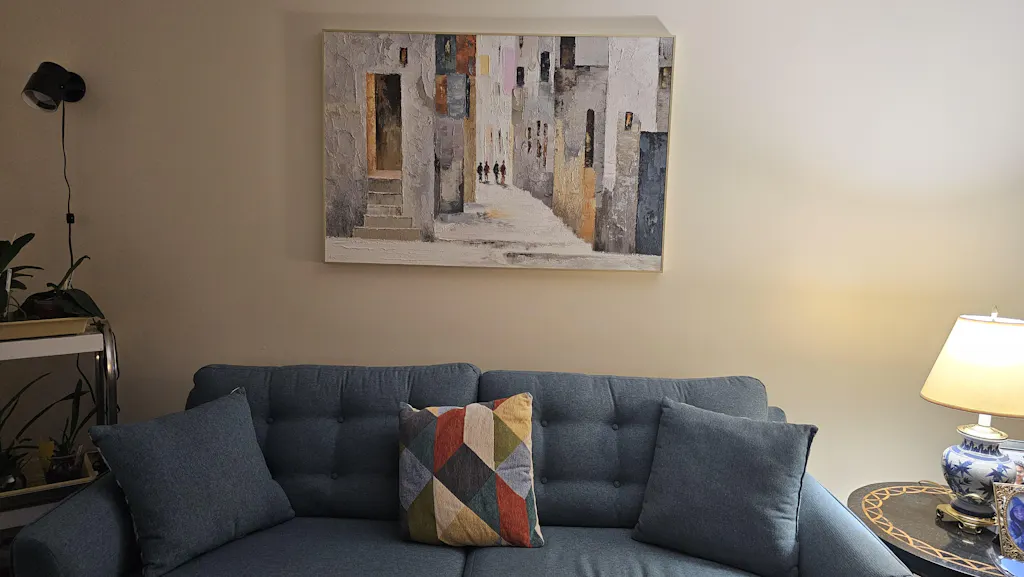
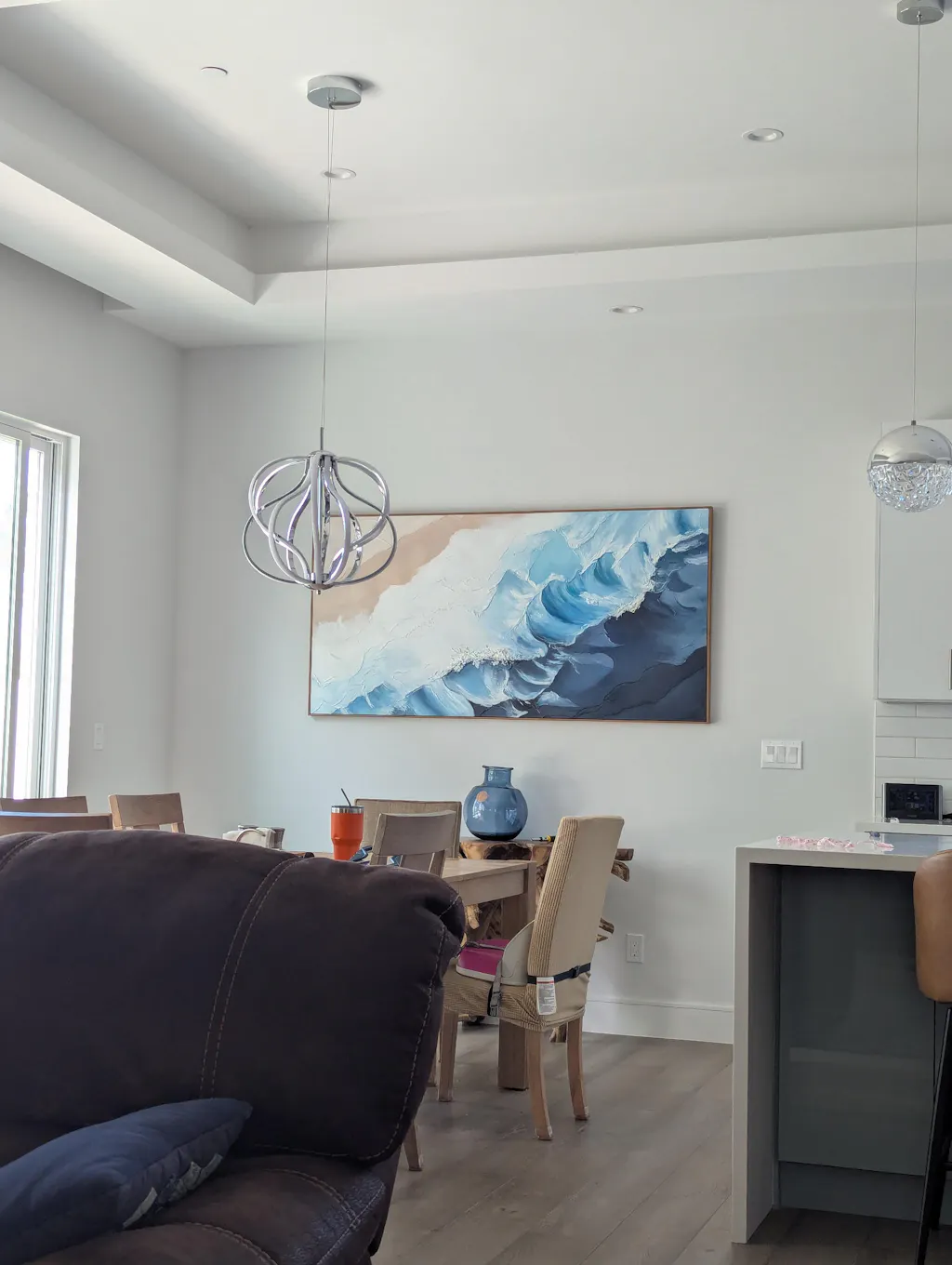
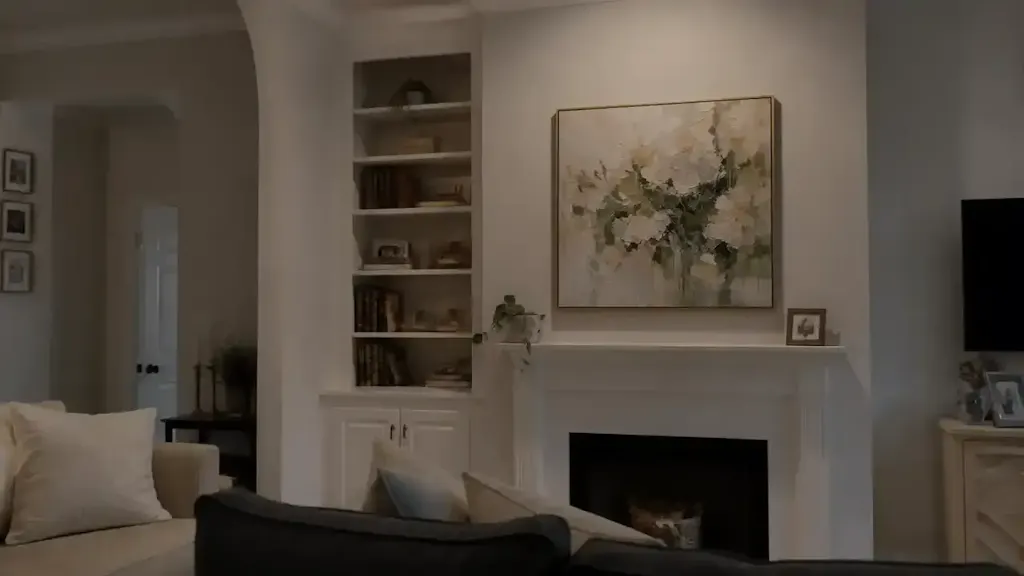
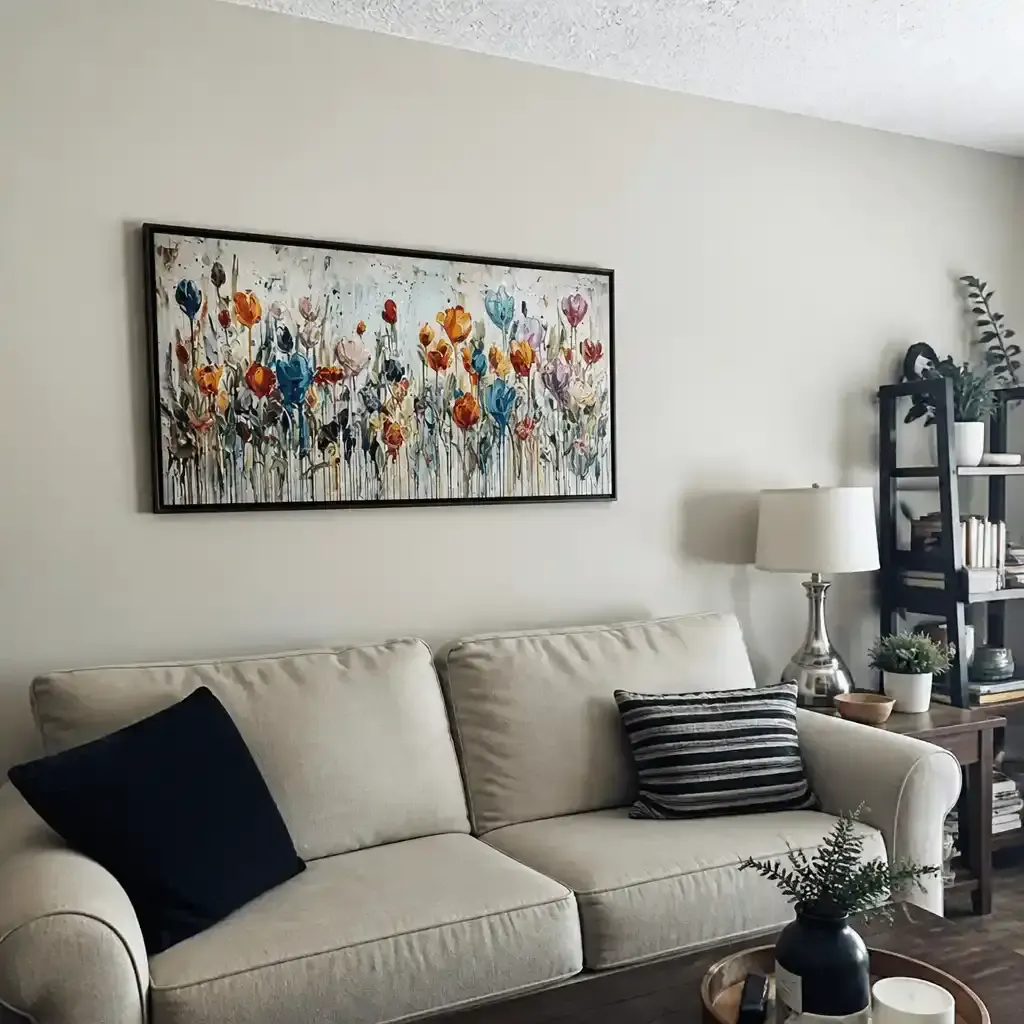
- Timeline Transparency: Use the hybrid technique to your advantage. A typical 48-inch canvas might take 6 weeks in pure oil but can be delivered in 3 weeks using an acrylic foundation, with no loss in surface "relief" or texture.
Precision Meets Artistry
The use of acrylic underpainting for oil art represents the "new luxury" described by the European Crafts Alliance: the fusion of avant-garde design with authentic handcrafting techniques. By understanding the chemical boundaries and structural benefits of this method, professional artists can deliver works that possess both the soul of traditional fine art and the reliability required by modern architectural standards.
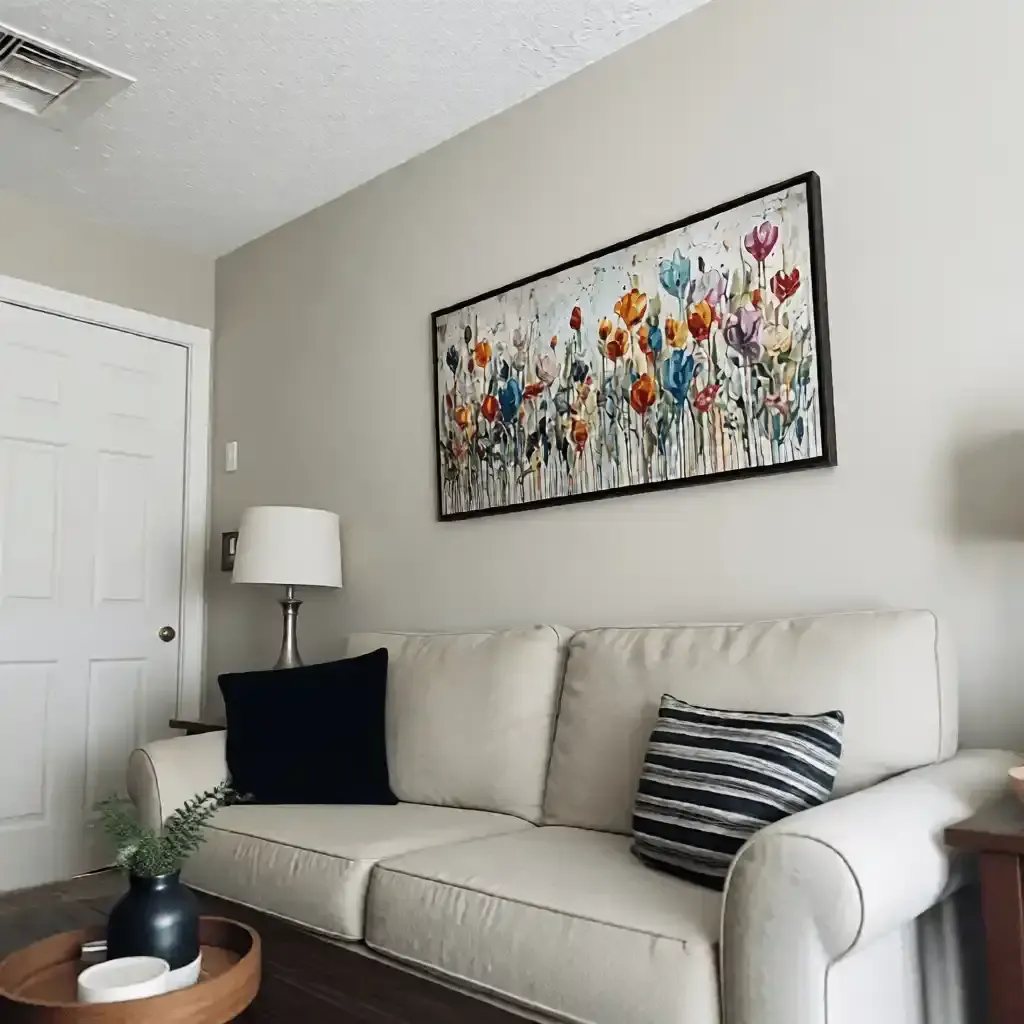
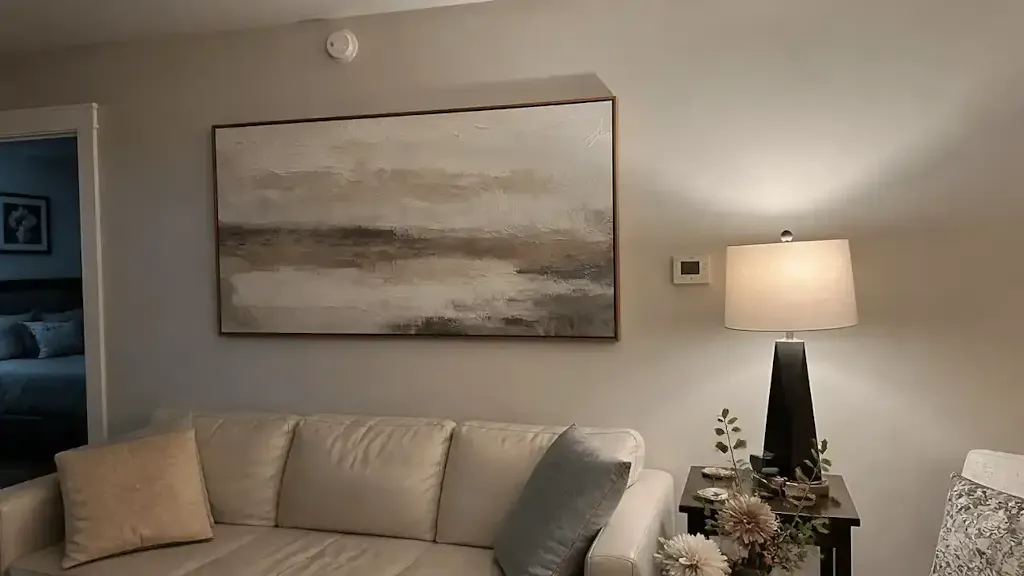
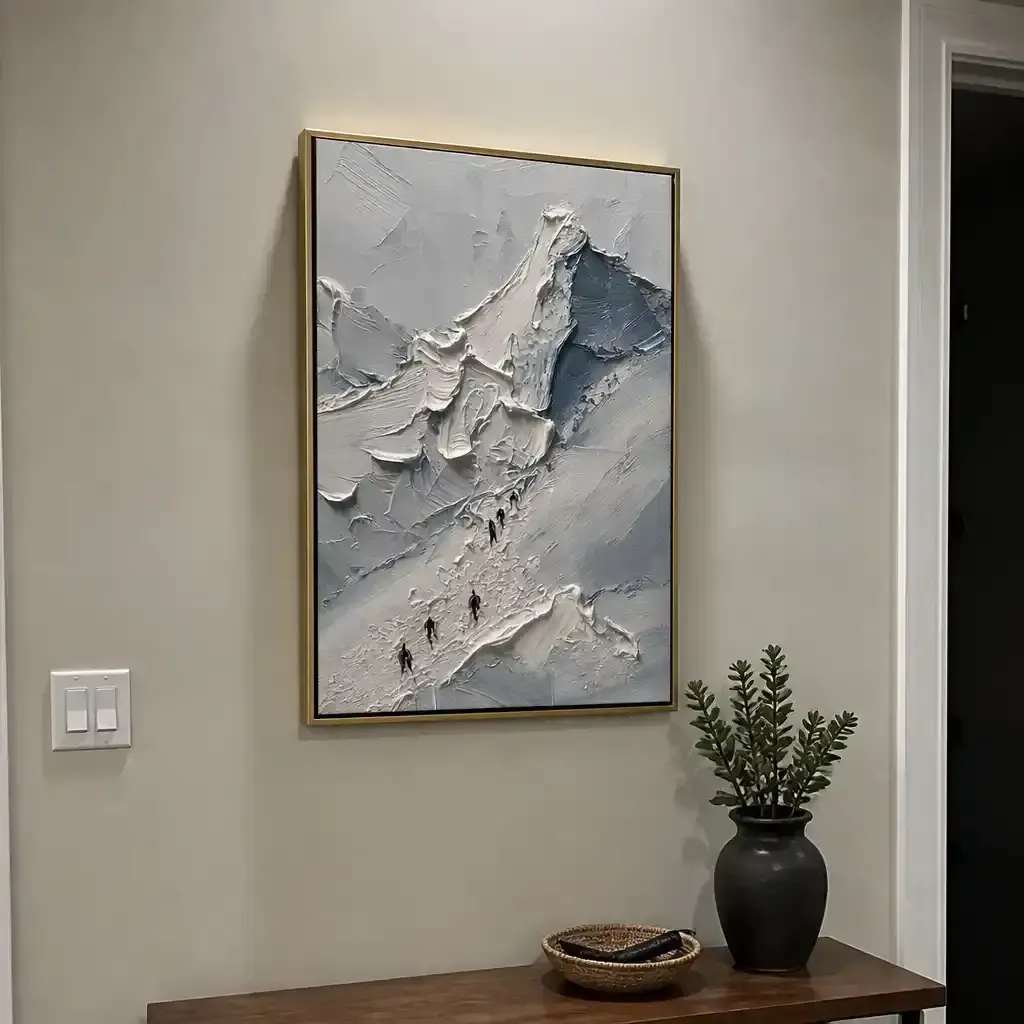
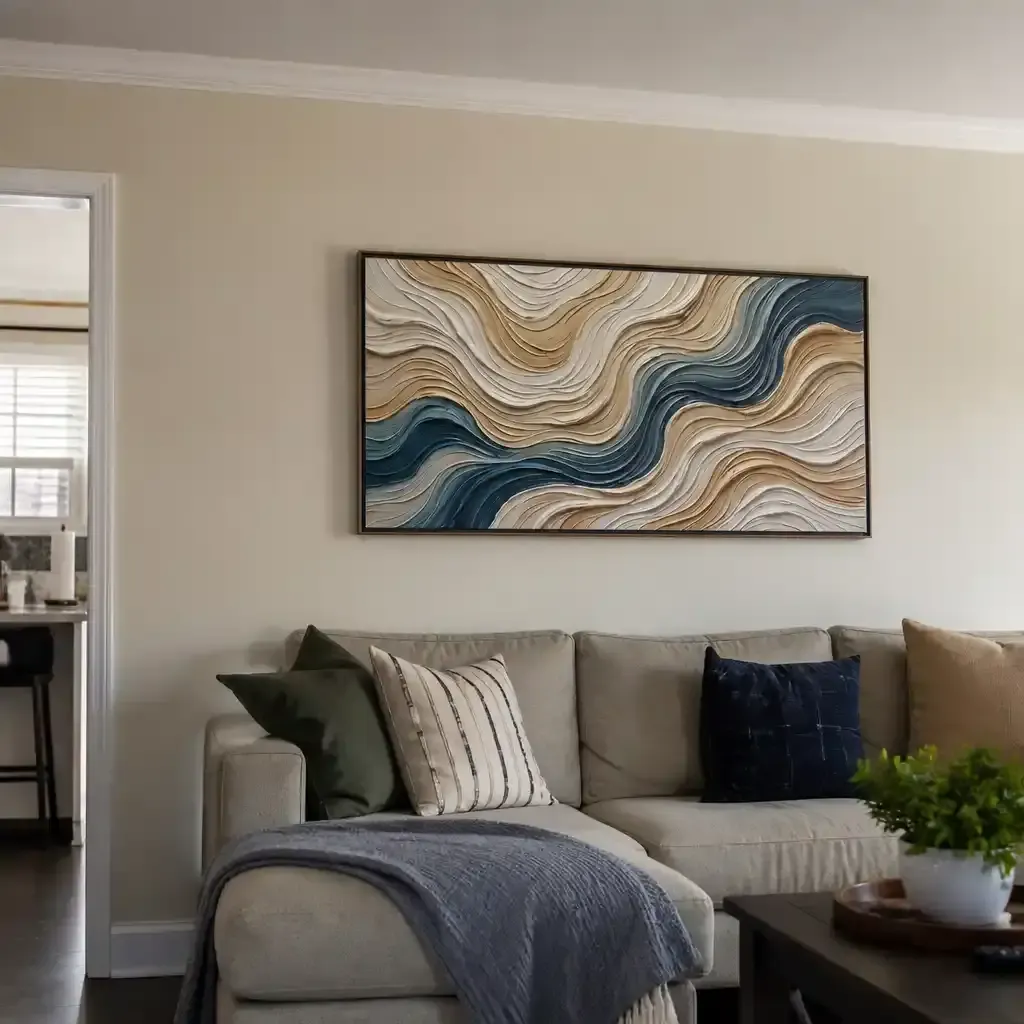
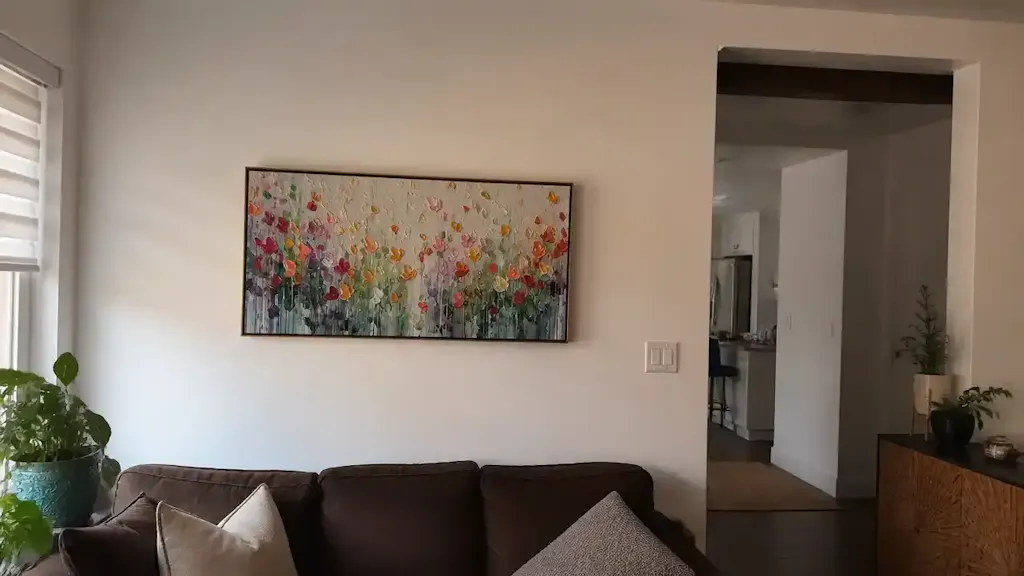
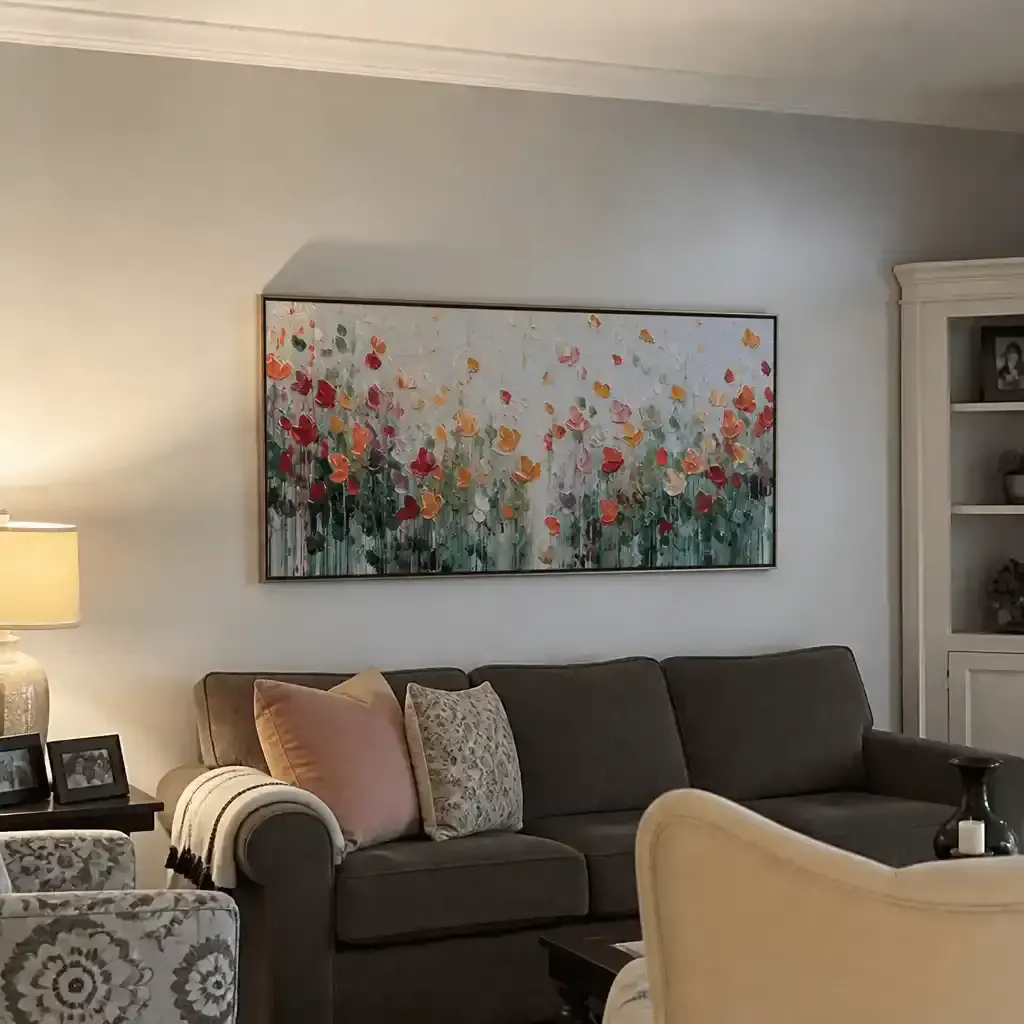
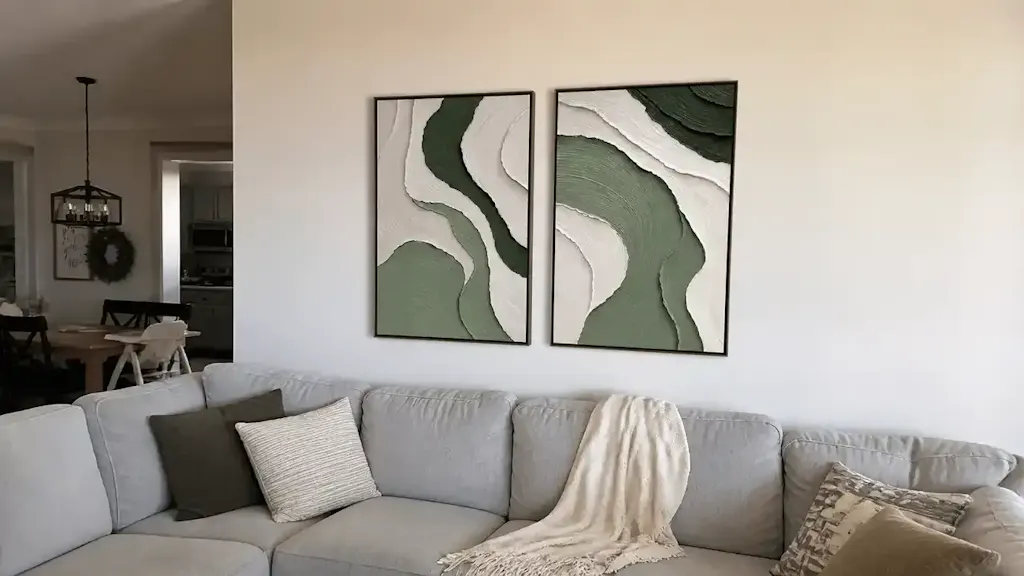
Whether it is a biophilic mural in a high-traffic clinic or a heavily textured abstract in a private foyer, the hybrid layering technique ensures that the final result is not just a decoration, but a durable piece of "public health infrastructure" and a permanent physical billboard for the space it inhabits.
Disclaimer: This article is for informational purposes only. When dealing with chemical solvents or pigments, always follow the safety guidelines provided by the CDC NIOSH and consult with a professional conservator for high-value art restoration.
Sources
- Marketplace: The expensive art market continues to struggle
- UNCTAD: Creative Economy Outlook 2024
- University of Chicago: Does Artwork Preserve Essential Identity?
- Nature: Early degradation mechanisms at the interface between acrylic and oil
- Tate: Conservation Concerns for Acrylic Emulsion Paints
- EPA: Indoor Air Quality and Low-VOC Paints
- Royal Society: Quantifying the link between art and property prices
- ASTM D4303: Standard Test Methods for Lightfastness