The Shift Toward Functional Value in Hospitality Art
The high-end art market is undergoing a significant correction. In 2024, sales of "trophy" auction pieces—those exceeding $10 million—plummeted by 44% year-over-year, according to Marketplace. This retreat from purely financial art assets marks a return to "real application value," where procurement managers and designers prioritize art that serves a specific functional and emotional purpose within a built environment.
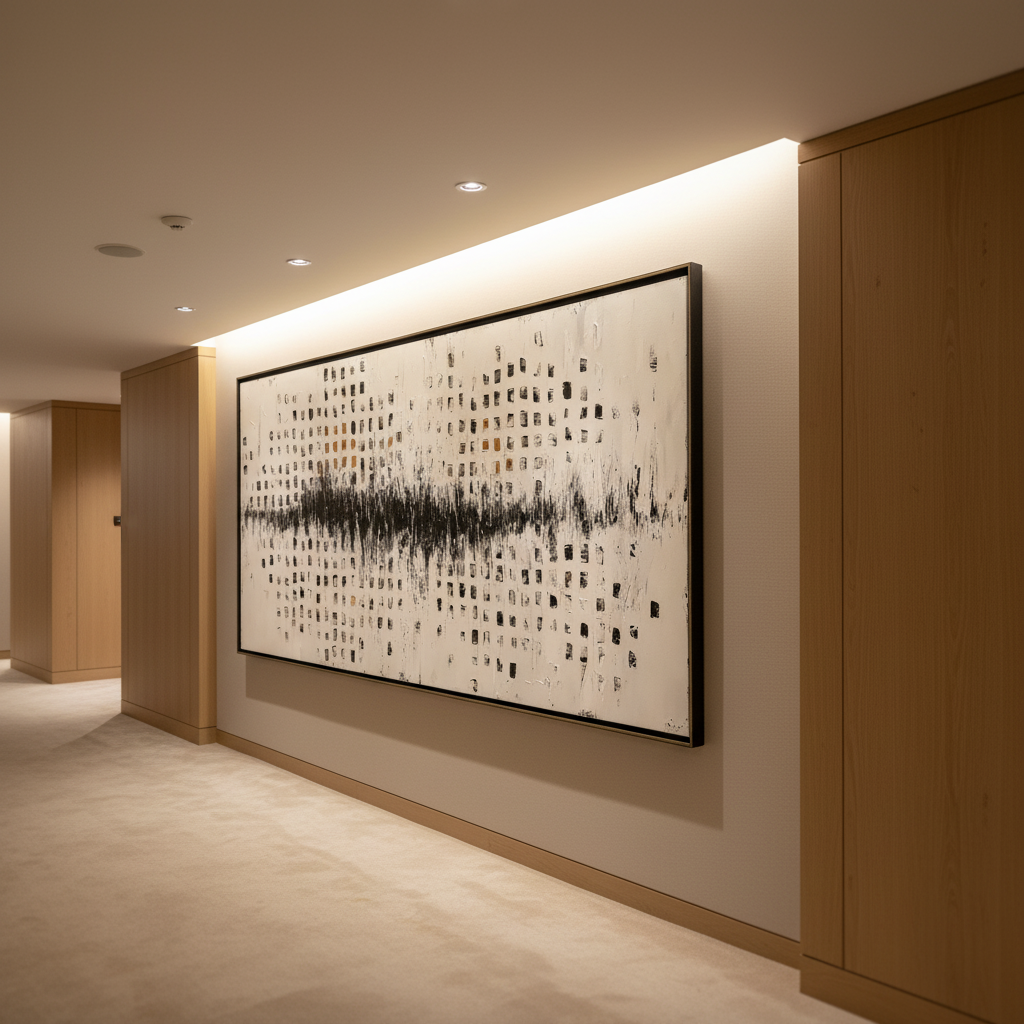
In the hospitality sector, this shift is most evident in the treatment of transition spaces. Hotel corridors, once an afterthought for décor, are being reimagined as immersive galleries. However, these spaces present unique physical constraints: narrow widths, high-velocity traffic, and harsh recessed lighting. Standard off-the-shelf art often fails here—not just aesthetically, but structurally.
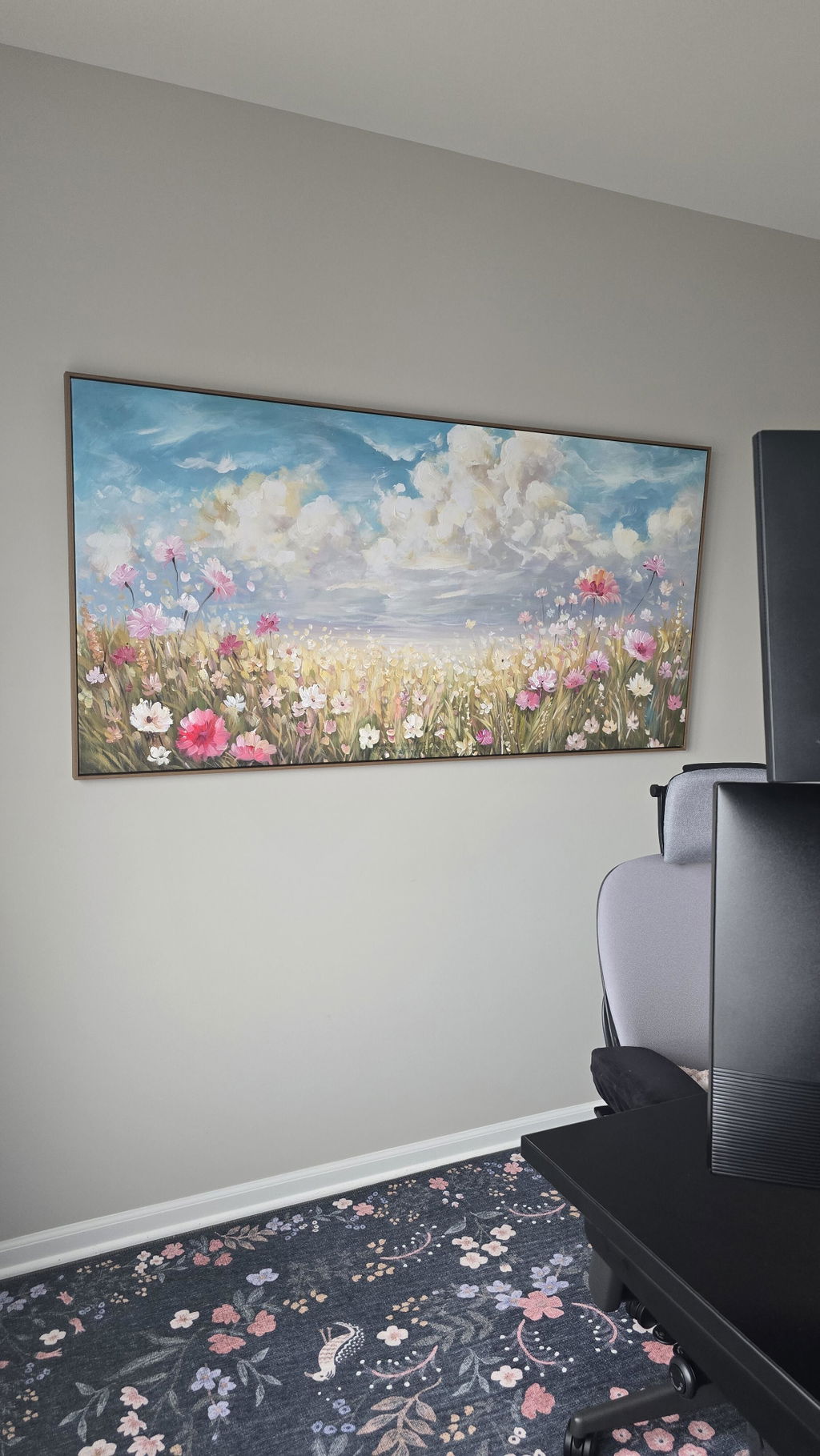
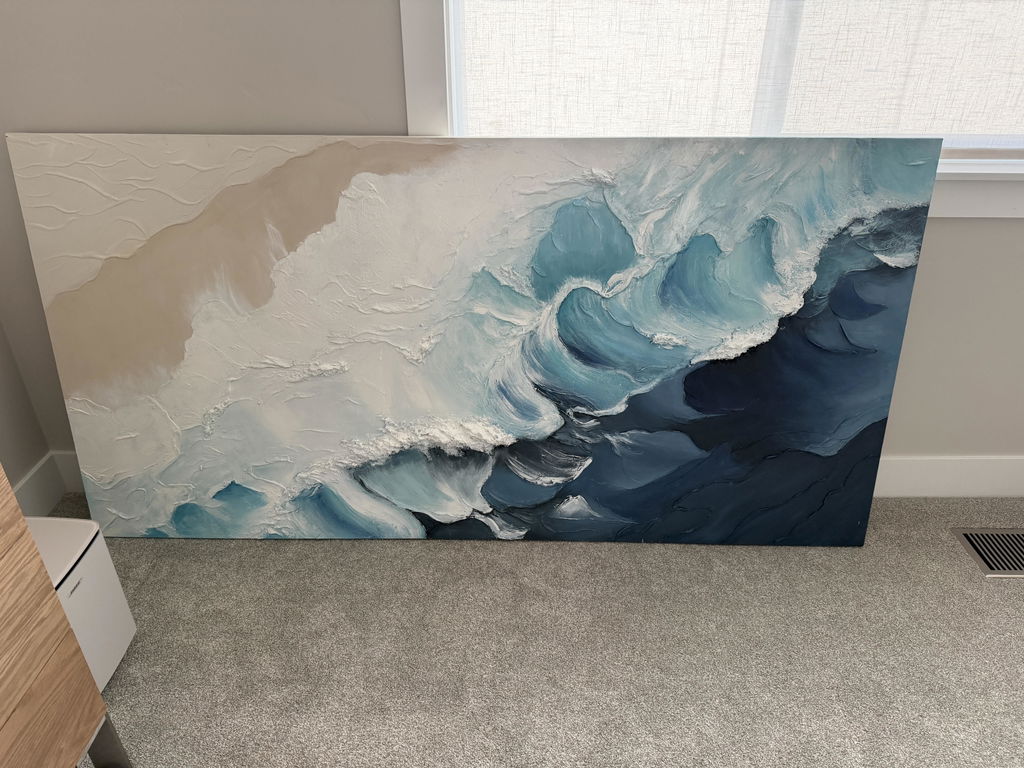
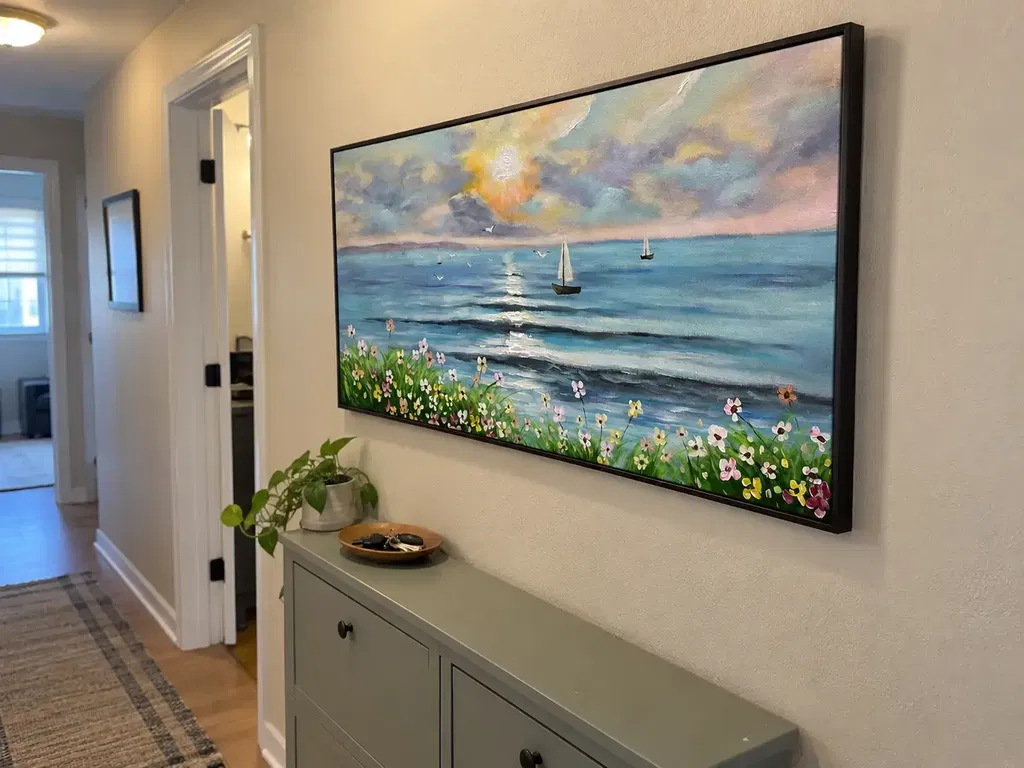
To address these challenges, many designers are turning to custom-tailored horizontal acrylic panels. These solutions offer the durability required for high-traffic zones while providing the "absolute authenticity" that modern travelers crave. Research from the Columbia Business School confirms that consumers value art labeled "AI-generated" 62% lower than authentic human-created art. For a luxury brand, the "human hand" is a non-negotiable asset in establishing trust and premium positioning.

The Physics of the Narrow Corridor: Redefining Scale
Conventional design wisdom often relies on standard viewing-distance benchmarks, assuming a guest will stand 3 to 5 feet away from a piece of art. In a hotel corridor, which may be as narrow as 48 inches (the minimum required by many ADA hallway width standards), this distance is physically impossible. Guests often "brush past" art within 6 to 12 inches.
This proximity requires a fundamental shift in design principles. At such a close range, the "macro" composition matters less than the "micro" texture and the physical safety of the installation.
Horizontal Orientation and Depth Perception
Long, horizontal panels are strategically used to add perceived depth to narrow transit spaces. By drawing the eye along the length of the wall rather than across the width of the hall, horizontal lines can mitigate the "tunnel effect" common in older properties.
Logic Summary: Our spatial modeling for narrow corridors assumes that horizontal art exceeding 72 inches in length creates a visual "horizon line" that lowers guest heart rates and improves wayfinding, compared to multiple small vertical frames which can feel cluttered and claustrophobic.
ADA Compliance and the 4-Inch Rule
A critical risk in corridor art procurement is the ADA Accessible Route requirement. Any object mounted between 27 and 80 inches above the floor must not protrude more than 4 inches into the walkway. Standard deep-profile frames often violate this rule, creating a liability for the hotel. Custom-cut acrylic panels, typically 1/4-inch to 3/8-inch thick, provide a slim profile that meets these safety standards while maintaining a high-end, "floating" aesthetic.
Material Science: Why Standard Art Fails in Hospitality
Hotel corridors are high-impact environments. Luggage carts, room service trolleys, and guest suitcases frequently collide with walls. While 1/8-inch acrylic is common in residential settings, it is insufficient for commercial use.
Impact Resistance and Thickness Standards
Based on our analysis of impact data, a standard luggage cart can exert 200 to 300 psi at corner contact points. Standard 1/8-inch acrylic sheets are prone to shattering under this stress. We recommend a minimum of 1/4-inch impact-resistant acrylic for any art placed below 5 feet from the floor. For high-velocity corridors, 3/8-inch cast acrylic offers 17x greater durability than standard sheets, significantly extending the replacement cycle from 3-5 years to nearly a decade.
| Parameter | Recommended Value | Unit | Rationale |
|---|---|---|---|
| Minimum Thickness | 0.25 (1/4) | Inch | Impact resistance against trolleys |
| Protrusion Limit | < 4.0 | Inch | ADA Compliance for egress |
| Flame Spread Index | ≤ 25 | Rating | NFPA 101 Class A Fire Safety |
| Light Transmission | 30–40 | % | Glare reduction under LED |
| Mounting Allowance | 1–2 | % | Thermal expansion (HVAC) |
The Vibration Problem
One of the most overlooked issues in hospitality design is vibration. The constant movement of heavy trolleys creates micro-vibrations that cause standard mounting hardware to loosen over time. Professional-grade installations require vibration-dampening backers and specialized security anchors. These specialized mounts prevent the art from "walking" or tilting, ensuring that the alignment remains perfect across hundreds of rooms.
Thermal Expansion and "Micro-Bowing"
Long horizontal panels (typically those exceeding 6 feet) are susceptible to "micro-bowing." As hotel HVAC systems cycle, temperature fluctuations cause the acrylic to expand and contract. If the mounting is too rigid, the panel will warp. Experienced installers add a 1% to 2% extra mounting allowance to prevent stress fractures and maintain a flat profile.

Lighting and Visual Performance
Corridor lighting is notoriously difficult. Recessed ceiling LEDs often create "hotspots" or intense glare on glossy surfaces. In our experience, matte-finish acrylic panels are the superior choice for these environments.
Managing Refraction and Glare
Matte finishes with 30% to 40% light transmission work best because they diffuse light evenly across the surface. This prevents the "mirror effect" where guests see their own reflection or the ceiling lights instead of the artwork. This is particularly important for nature-themed healing murals, where visual clarity is linked to a 73% reported improvement in guest mood.
Color Science and Longevity
For long-term investments, lightfastness is paramount. We adhere to the ASTM D4303 standard, which quantifies how pigments respond to accelerated indoor aging. Using pigments like Titanium Dioxide (which captures 90% of the white pigment market due to its chemical inertness, according to NCBI) ensures that the art does not yellow or fade under 24/7 corridor lighting.
The Psychology of the Built Environment
Art in a hotel is more than decoration; it is a tool for stress reduction and brand storytelling. The WHO Scoping Review on Arts and Health confirms that art interventions effectively alter clinical indicators for stress and mental well-being.
Biophilic Design in Transit
Integrating natural landscapes into corridor art—a practice known as biophilic design—has been shown to produce the same stress-reduction effects in the brain as being outdoors. For high-density urban hotels, where guest cognitive fatigue is high, nature-themed murals act as a "neural catalyst," improving environmental satisfaction scores and potentially reducing guest turnover.
Human-Made vs. Digital Replicas
There is a psychological "essential identity" found in hand-painted works that digital prints cannot replicate. Research from UChicago suggests that consumers perceive a collapse in value when art is identified as a digital replica. By commissioning hand-painted acrylics, hotels inject "absolute authenticity" into their spaces, creating a competitive moat against the "assembly-line" décor of mid-scale chains.
Procurement and Risk Mitigation
For procurement managers, the goal is predictable outcomes. Commercial projects involve multiple stakeholders—designers, hotel managers, and corporate brand standards—each with a different set of priorities.
The Approval Process
A robust digital approval process is non-negotiable. This should include:
- High-Resolution Previews: Multi-angle digital shots to verify texture.
- Modification Rounds: The ability to tweak color palettes to match specific brand standards.
- Fast Shipping: Predictable lead times to align with grand opening schedules.
Fire Safety and Compliance
In the US, the NFPA 101 Life Safety Code dictates strict requirements for "means of egress" (hallways). Standard acrylic can have a high flame spread index and produce toxic gases. For large-scale corridor installations, specifying fire-rated (Class A) acrylic is a critical step in risk mitigation. This ensures the project passes fire marshal inspections and protects the safety of guests.
Environmental and Health Standards (LEED/WELL)
Indoor air quality (IAQ) is a growing concern for ESG-conscious developers. The EPA warns that indoor air pollution can be significantly higher than outdoor pollution. Utilizing low-VOC paints and non-toxic binders is not just a health choice—it helps projects secure LEED or WELL certification points. At the commercial level, this "green building" alignment can increase the property's long-term valuation.

Economic Impact and Property Valuation
Investing in high-quality, custom art is a proven driver of real estate value. A Royal Society analysis found a direct correlation between "art-heavy" environments and relative property price gains.
In the hospitality context, this translates to higher RevPAR (Revenue Per Available Room). Murals and unique art installations turn physical walls into "commercial landmarks," generating social media foot traffic and increasing the perceived value of the guest experience. According to Americans for the Arts, investment in the arts can yield a staggering 7:1 ROI in community and economic activity. For a hotel, this ROI manifests in guest loyalty and the ability to command premium room rates.
Summary of Best Practices for Corridor Art
When tailoring acrylic art for hotel corridors, the following checklist ensures a balance of aesthetics, safety, and durability:
- Prioritize Horizontal Formats: Use long-form panels to expand the visual width of narrow hallways.
- Specify Thickness: Use 1/4-inch minimum for impact resistance; 3/8-inch for high-traffic zones.
- Ensure ADA Compliance: Keep protrusions under 4 inches for safety and liability reduction.
- Select Matte Finishes: Reduce glare from recessed lighting to improve visual clarity.
- Verify Fire Ratings: Use Class A fire-rated materials for all egress installations.
- Demand Authenticity: Opt for human-made, hand-painted works to maximize perceived value and guest satisfaction.
By moving beyond "disposable décor" and treating corridor art as a strategic cultural asset, hospitality professionals can create spaces that are not only durable and compliant but also deeply resonant with the modern traveler.
Disclaimer: This article is for informational purposes only and does not constitute professional legal, fire safety, or architectural advice. Always consult with a qualified local fire marshal and ADA compliance officer before finalizing art installations in commercial buildings.
References
- Marketplace: The expensive art market continues to struggle
- Columbia Business School: Human-Made vs. AI Art Study
- WHO: Scoping Review on Arts and Health
- EPA: Indoor Air Quality and Low-VOC Paints
- Royal Society: Quantifying the link between art and property prices
- ADA Compliance: Accessible Route Guidelines
- ASTM International: Standard Test Methods for Lightfastness (D4303)
- CDC NIOSH: Paint and Coating Hazards