

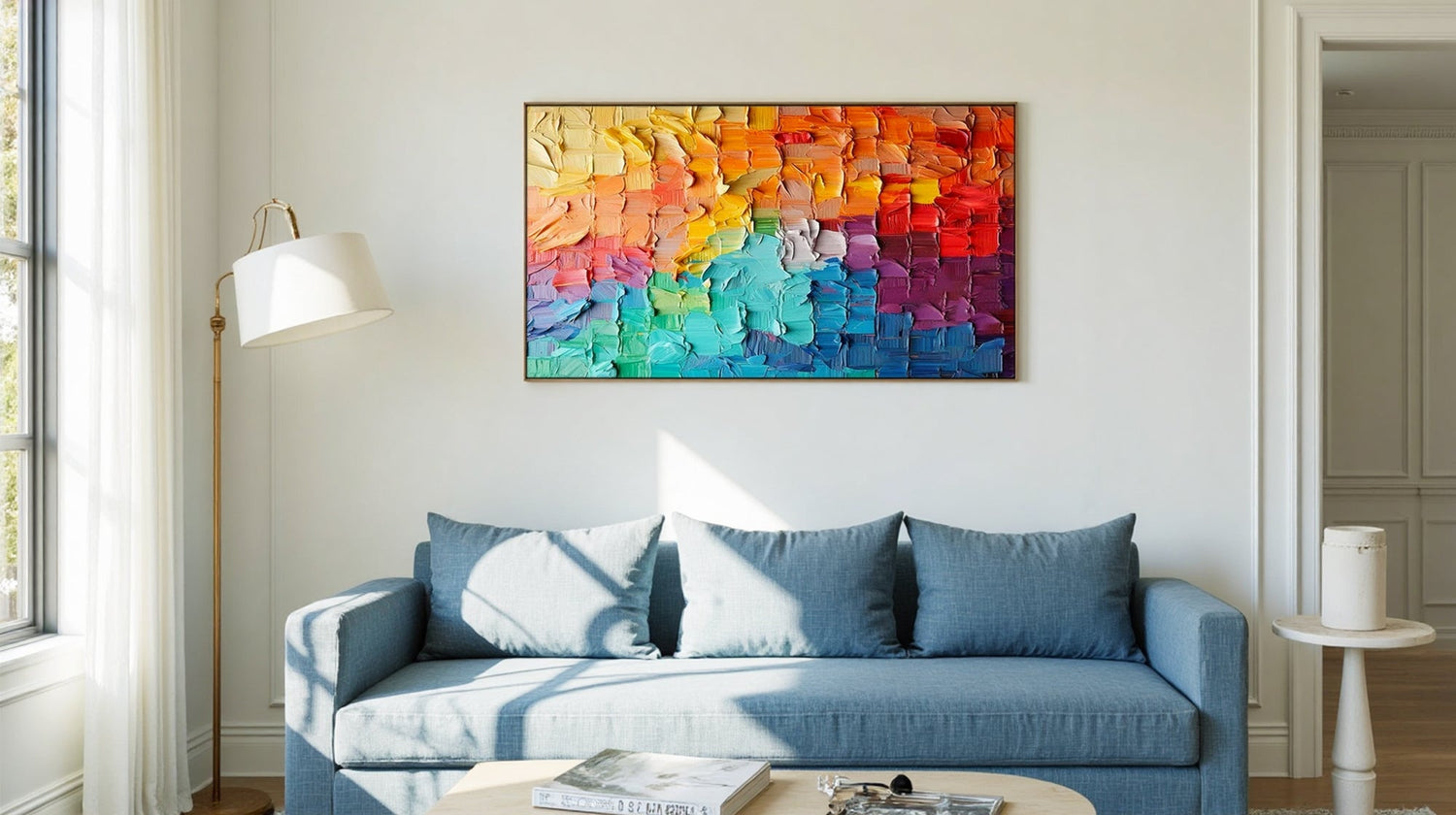
Abstract paintings can do more than simply adorn a blank wall. They can transform the ambiance of a room, highlight a particular space, and even initiate conversation with guests. Yet many people often stand in front of a piece of artwork, wondering, Would this look good on the wall at home? Here is a straightforward guide to help you understand what abstract paintings can bring into your home. It will help you define your goals, narrow down your choices, and make a confident purchase.

What Abstract Art Brings to a Room
Abstract paintings add depth and energy to a space in ways that other forms of art sometimes cannot. They work through suggestion rather than literal imagery, which means every viewer may see something slightly different.
How Abstract Art Shapes Mood
- Vibrant strokes can bring excitement and boldness.
- Softer tones can bring calm and balance.
- Mixed compositions can add dynamism to otherwise plain rooms.
Why Abstract Pieces Start Conversations
Guests might interpret them in different ways. One person might see movement, while another might feel a sense of stillness. A child might say it looks like a rainbow, while a friend might describe a night sky.
Abstract paintings set a mood, reflect personality, and act as a dynamic presence in your home rather than a fixed image.
Step 1: Define Your Goal for The Painting
Before buying, decide why you want the painting and what role it should play in your room. With a clear goal, it becomes easier to choose the right size, color, and style.
Statement or Accent
- Statement: A big, bold painting above a sofa, bed, or dining table becomes the main feature. It attracts attention and sets the mood for the whole room.
- Accent: A small or medium piece can quietly fill a blank space, like in a hallway, next to a shelf, or above a desk. It adds charm without dominating the room.
Balance or Drama
- Balance: If your room already has strong colors, patterns, or furniture, a calm painting with soft tones can create harmony.
- Drama: If your room looks too plain, a painting with sharp contrast or strong colors can bring life and energy. It gives the room personality.
Long-Term or Short Refresh
- Long-term: Choose a painting that you won't get tired of easily, with colors and style that match your long-term taste. These are worth investing in.
- Short refresh: Pick affordable works if you like to change your home often. Rotate them by season—for example, bright colors in summer, warmer tones in winter.
Be clear about the purpose: do you want the painting to stand out or stay quiet, to calm the room or make it lively, to last for years or to change often? Once you answer these, choosing the right artwork becomes much simpler.

Step 2: Narrow Down by Visual Elements
Once the purpose is clear, the next step is choosing paintings that visually align with your intent. The main elements are color, texture, and composition.
Color Psychology In Abstract Paintings
- Warm colors (reds, oranges, yellows) bring warmth and vibrancy.
- Cool colors (blues, greens, violets) calm and refresh.
- Neutrals (black, white, beige) give timeless flexibility.
- Contrasts (black and gold, red and blue) add intensity.
Texture and Strokes
Thick brush strokes create dimension and make a piece feel alive, almost like the strong beat of a drum in music. Smooth surfaces, in contrast, feel like the quiet background melody that holds everything together.
Composition and Shapes
Some works use geometric precision, others scatter forms freely. Structured compositions suit formal spaces; free-flowing designs suit relaxed or creative environments.
Color, texture, and composition should align with the mood you want and the purpose you defined earlier.
Step 3: Get Size and Placement Right
Even the most beautiful painting can feel wrong if the scale and placement don't match the room. This step is often overlooked but matters as much as the painting itself.
Sizing Rules That Work
A painting above furniture should be about two-thirds the width of the piece beneath it. Too small and it looks lonely, too big and it feels as if the painting is pressing down on the room.
Orientation Choices
- Vertical pieces accentuate ceiling height and work well in narrow walls.
- Horizontal pieces widen the room and often suit sofas or dining tables.
Best Placements for Abstract Paintings
| Room | Common Placement | Impact |
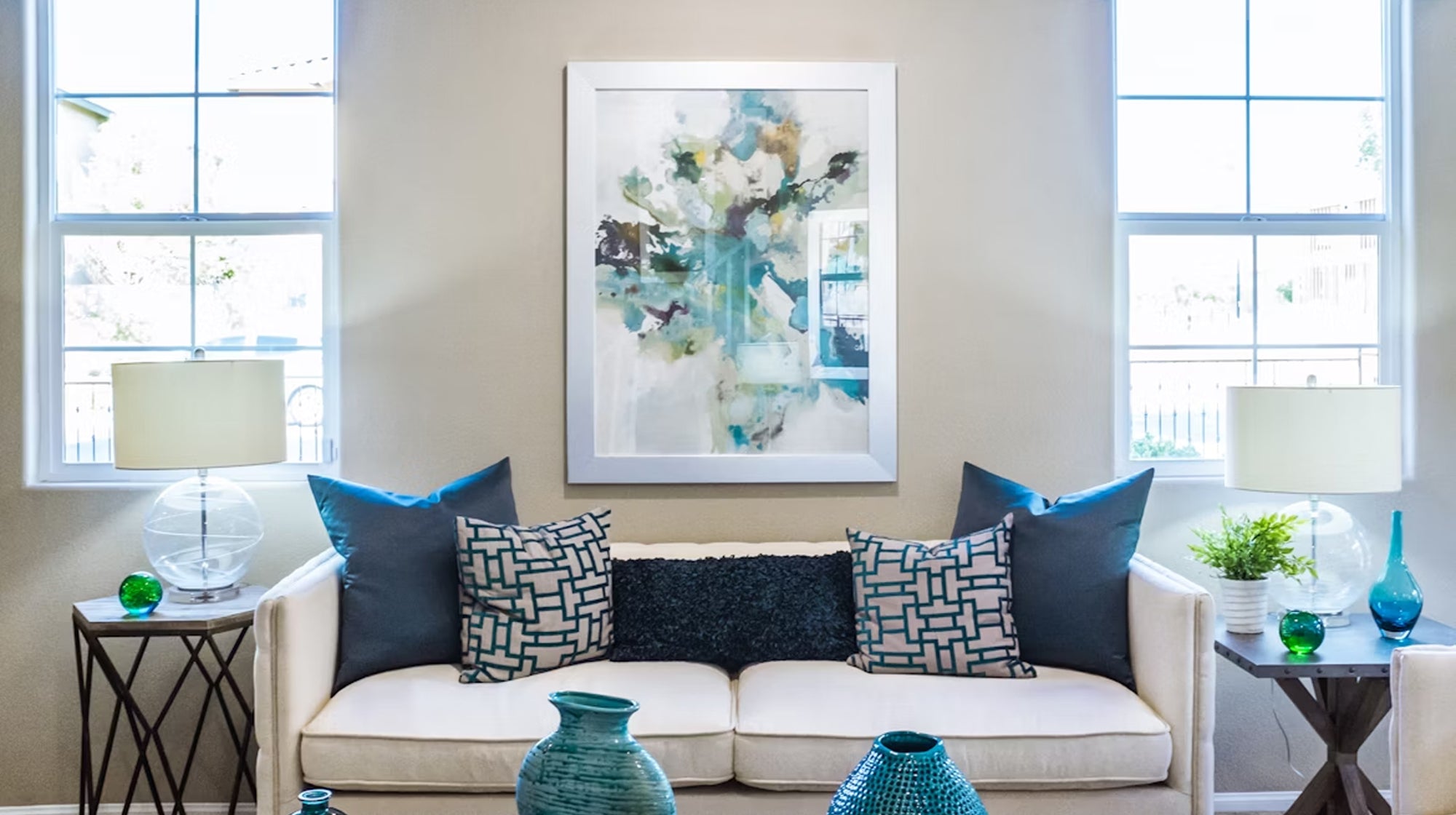
| Living Room | Above sofa | Creates a focal point and anchors seating area |
| Bedroom | Above headboard | Brings calm and frames the bed |
| Dining Room | On main wall | Stimulates interaction and adds vibrancy |
| Entryway | Near entrance | Sets the tone for the entire home |
Proper sizing and thoughtful placement ensure the painting feels integrated into the room instead of floating awkwardly.

Step 4: Match with Your Interior Style
Abstract art can blend into many types of interiors, but the right combination brings out the best in both the painting and the space. Different styles call for different colors, textures, and moods, so thinking about your home's character before choosing is important.
| Interior Style | Recommended Abstract Features | Visual Impact In Room |
| Minimalist | Neutral palettes, restrained brushwork, geometric lines | Adds calmness, keeps harmony with clean lines |
| Modern Luxury | Metallic tones, layered textures, bold strokes | Elevates sophistication, adds depth and richness |
| Eclectic & Bohemian | Vibrant colors, mixed media, freeform brushwork | Creates playful variety and expressive energy |
| Natural & Wabi-Sabi | Earthy shades, imperfect textures, soft patterns | Brings organic calmness and understated warmth |
Matching abstract paintings with the room's overall style ensures balance. The right choice doesn't fight for attention but naturally strengthens the atmosphere you already have.
Step 5: Test Before You Commit
Even with good reasoning, it is smart to preview how the painting will look in your home. Many art stores and online platforms allow visual testing through simple tools.
Try Mock-Ups or AR Apps
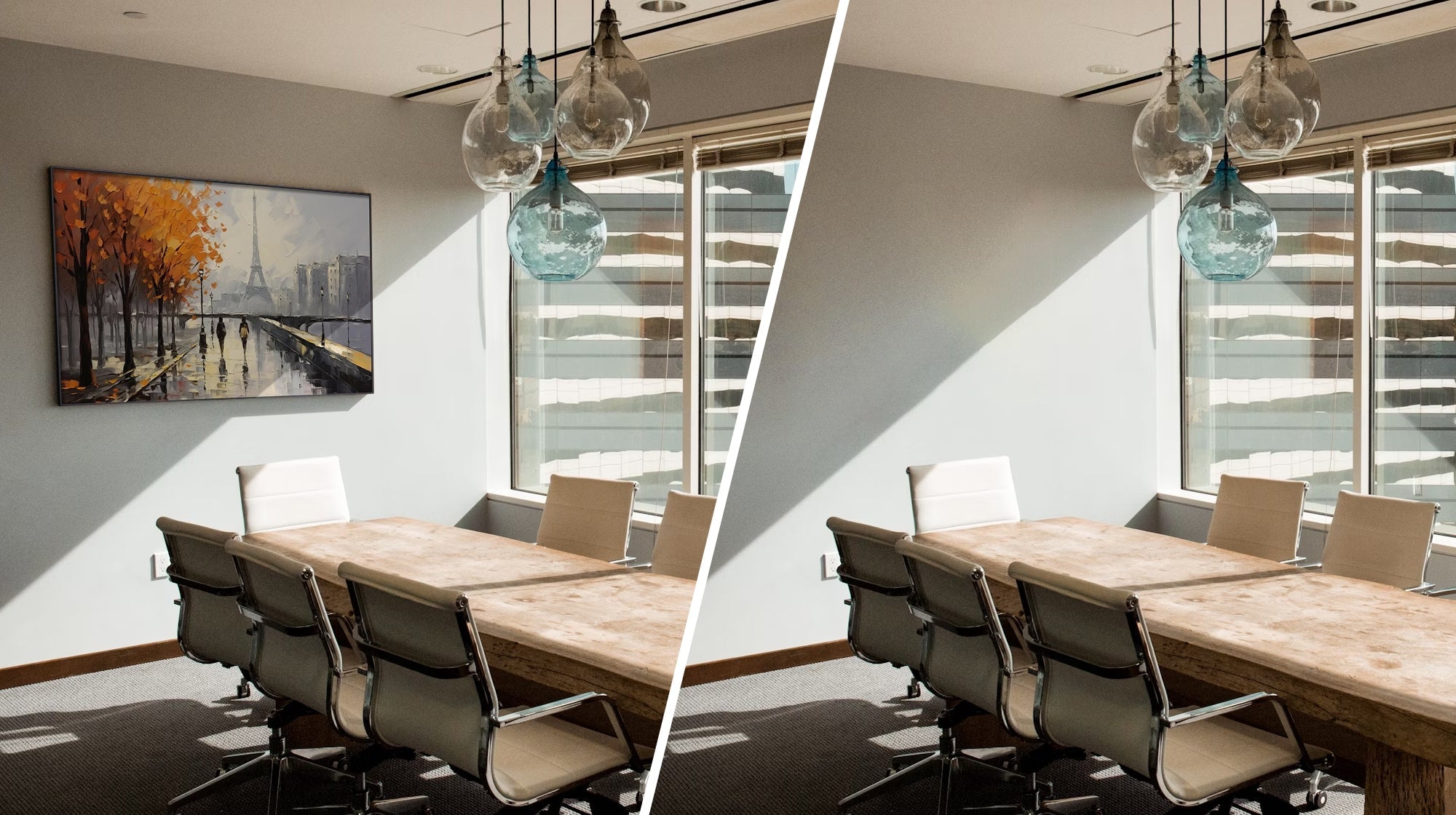
Upload a photo of your room and see the artwork virtually placed. This shows if the colors clash or flow.
Check Lighting Conditions
Daylight may make some colors shine, while artificial lighting may dull them. Always check both.
Think About Future Fit
Ask yourself: will this still feel right three or five years from now? Think about different seasons or moods—will you enjoy looking at it on a rainy afternoon as much as on a bright summer morning? If the answer is yes, it's probably a good match.
Testing reduces risk and ensures your purchase won't turn into regret after installation.
Step 6: Use a Final Checklist Before Buying
At this stage, you are close to making a decision. A quick checklist keeps you focused and confident.
- Purpose is clear: statement or accent
- Color and texture fit the room's tone
- Size and placement are correct
- Style aligns with the interior design
- Practical details like budget, frame, and installation are covered
A short checklist prevents oversights and leaves you satisfied with your final choice. Think of it like checking your keys and wallet before leaving the house—it takes seconds but saves trouble later.
Enjoy the Painting You Choose
Abstract paintings are not bound by rigid rules. What matters most is that the painting feels at home in your living space and resonates with you. After a busy day, looking at a canvas that calms your mind affirms that you made a good choice. The reward is not just decoration, but a presence that brings vitality and spirit to the space. It becomes a part of your daily comfort over time—just like a cup of coffee or a book within reach.

Leave a comment
This site is protected by hCaptcha and the hCaptcha Privacy Policy and Terms of Service apply.