


Your restaurant's walls do more than occupy space—they influence how customers feel, how long they stay, and how much they spend. Restaurant atmosphere studies show that what we see, such as works of art, can strongly affect customers' behavior. Quality oil paintings not only make the establishment more attractive but also help guests relax, linger longer, and order more easily.
The Way Oil Paintings Make Dining More Enjoyable
Restaurant art isn't just decoration; it sets the mood. A painting in rich colors makes guests feel at ease; a portrait of abundance encourages them to eat and share plates. If the area is lively, guests relax, stay longer, and order extras. Research shows that atmosphere and design can affect how long patrons remain and how much they spend. The right artwork does more than decorate your walls; it can also increase your revenues.
Colors That Shape Appetite
Color psychology plays a big role in how people experience a space. While findings vary between studies, some common patterns can guide practical use:
- Warm tones (reds, oranges, yellows): These shades often stimulate appetite and create a sense of warmth and energy.
- Cool tones (blues, purples): These colors suggest calm and control, which may reduce appetite in many cases—though they can work well for seafood or health-focused themes.
- Earth tones (browns, muted greens): These hues promote relaxation and balance, keeping the space comfortable without diminishing appetite.
Use warm and earth tones to encourage both comfort and appetite, but apply cooler shades carefully and only when they fit your brand story.
Subjects That Encourage Ordering
Many restaurant owners often ask what kind of art is best for a restaurant? Beyond color, subject matter shapes perception and appetite:
- Still life with abundant fruit, bread, or wine reinforces ideas of plenty.
- Market scenes with fresh produce and community settings evoke authenticity and liveliness.
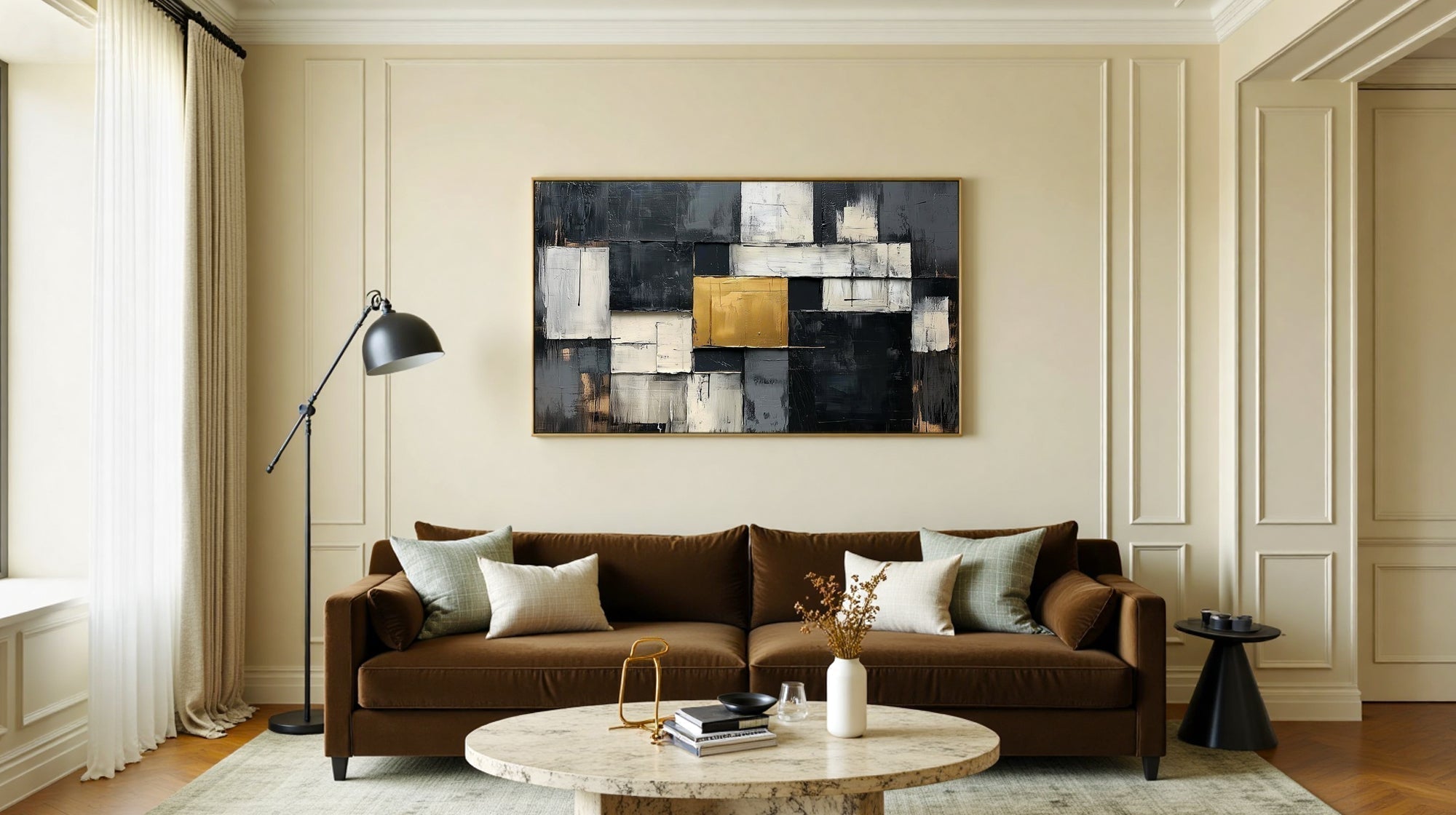
- Abstract works with warm, layered palettes create stimulation without being literal.
- Sparse or minimal compositions risk signaling restraint or scarcity, which can subtly discourage indulgence.
For best results, align subject matter with your cuisine and atmosphere. An Italian trattoria benefits from Tuscan landscapes, while a bakery café might shine with rich still lifes of bread and pastry.

Styles That Define Restaurant
While color and subject matter shape a diner's first impression and appetite cues, the style of your artwork determines whether the overall experience feels authentic. When the artistic style reinforces your restaurant's identity, it creates harmony; when it clashes, it leaves guests feeling something is off.
- Fine Dining Restaurants: Classical and traditional works—Dutch still lifes, French Impressionist paintings, or Renaissance-inspired pieces—signal refinement, attention to detail, and timeless sophistication.
- Casual Dining & Bistros: Contemporary or modern pieces, such as bold color blocking, stylized food imagery, or playful reinterpretations of classics, keep the space approachable and fresh, especially for younger crowds.
- Cultural & Regional Concepts: Local artistic traditions strengthen the story. Mexican venues may lean into vibrant market scenes, Italian trattorias can shine with Tuscan landscapes, and Japanese dining rooms benefit from serene nature paintings.
Style consistency matters. Once your colors and themes are set, matching the painting style to your restaurant concept ensures that everything feels cohesive and intentional. With the artistic direction aligned, the next step is to consider size and placement—so the artwork makes the right impact in the room.

Sizing Restaurant Oil Paintings for Maximum Impact
Size determines whether a painting enhances the space or overwhelms it. To strike a balance, consider both room scale and seating type.
| Location | Recommended Size | Hanging Height (to center) | Notes |
| Booth Areas | 16"×20" – 24"×30" | 55–58" | Lower placement suits seated eye level |
| Main Dining | 30"×40" – 36"×48" | 57–60" | Standard gallery height, visible across tables |
| Entrance | 40"×50" – 48"×60" | 62–65" | Slightly higher for standing sightlines |
| Bar Areas | 20"×24" – 30"×40" | 62–66" | Adjusted for higher stools and standing guests |
Remember the "two-thirds rule": artwork above furniture should span roughly two-thirds of the furniture width, ensuring balance. In large dining rooms, bold and large oil paintings hold visual presence across distances, while intimate spaces benefit from detailed pieces that reward closer attention.
Strategic Placement for Atmosphere and Flow
Placement transforms individual paintings into a unified program that supports both atmosphere and operations.
Key Positioning Strategies
- Place statement pieces opposite entrances for a strong first impression.
- Use secondary focal points behind host stands or in private dining areas.
- Balance distribution to avoid clustering and ensure no section feels empty.
- Keep operational clearance, placing artwork away from high-traffic kitchen doors or service pathways.
Traffic Flow Considerations
Smart placement can guide guest movement without obstruction. In busy service areas, hang artwork slightly higher to prevent accidental damage. Thoughtful placement also helps reduce perceived wait times and provides photo-friendly backdrops, encouraging organic social media sharing.

Maintenance and Longevity of Oil Paintings in Restaurants
Oil paintings bring warmth and authenticity to a dining room, but restaurant environments present unique challenges that can shorten their lifespan if not properly managed. Factors like cooking fumes, humidity from kitchens, fluctuating temperatures, and constant lighting all interact with artwork in ways that require deliberate care. By planning for maintenance from the start, you can protect both the aesthetic value and the financial investment of your collection.
Environmental Risks in Restaurants
- Cooking Fumes and Grease: Even in well-ventilated spaces, tiny particles of oil and smoke can travel through the air and settle on artwork, dulling colors and damaging varnish layers.
- Humidity and Temperature Fluctuations: Kitchens and dining areas may experience higher moisture and heat levels, which can cause canvas warping or paint cracking over time.
- Lighting Exposure: Constant overhead or spot lighting can fade pigments and lead to uneven discoloration, especially under strong halogen bulbs or direct sunlight.
Practical Protection Measures
- Controlled Placement: Position paintings where guests can enjoy them most—such as dining walls, entrances, or bar areas—while keeping them away from kitchen doors, vents, and windows where heat, steam, or sunlight are strongest.
- Protective Framing: Choose sealed frames or UV-protective glass/acrylic to create a barrier against grease and light while preserving visibility.
- Cleaning Routine: Dust lightly with a soft microfiber cloth or a natural-hair brush. Avoid commercial cleaners, as solvents may strip varnish. A professional conservator should handle deeper cleaning every few years.
Safeguarding Long-Term Value
- Insurance Coverage: As with furniture or equipment, valuable paintings deserve tailored insurance to cover accidental damage or theft.
- Rotation and Rest: For restaurants with larger collections, rotating pieces periodically reduces exposure and keeps the interior feeling fresh for guests. By treating oil paintings as both a design choice and an asset, restaurants can ensure these works remain vibrant despite the demanding environment. A proactive maintenance plan means the artwork will continue to enhance the ambiance—and your brand image—for years to come.
Transform Your Space with Purposeful Art
Your walls are not passive—they actively influence the stories guests remember and retell. Well-chosen oil paintings extend beyond decoration, shaping ambiance, encouraging comfort, and even nudging spending behavior. By treating art as a purposeful business investment rather than an afterthought, you create a dining space that feels memorable, authentic, and worth revisiting.

Leave a comment
This site is protected by hCaptcha and the hCaptcha Privacy Policy and Terms of Service apply.