Introduction: Why Modern Homes Are Moving Toward Abstract Wall Art
Interior design has changed dramatically over the past decade.
Traditional decorative styles filled with ornate details, crowded walls, and overly themed artwork are gradually being replaced by interiors that feel cleaner, calmer, and more intentional.
As modern homes continue embracing minimalist architecture and open-concept layouts, one category of artwork has become especially dominant:
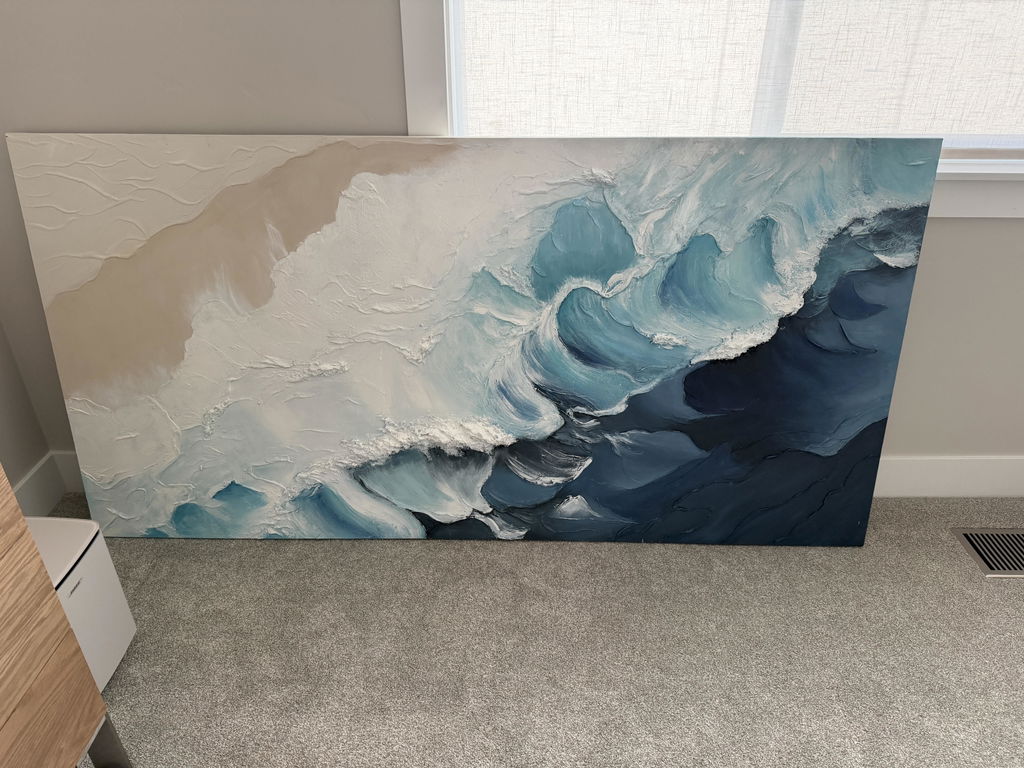
From oversized neutral paintings to textured contemporary oil art, abstract art is a key feature in luxury modern interiors.
Unlike traditional décor that often focuses on literal imagery and decorative detail, abstract wall art creates atmosphere through:
-
Color
-
Texture
-
Composition
-
Movement
-
Emotional tone
This is one reason abstract artwork works so effectively in modern homes.
In this guide, you’ll learn why abstract wall art is a top trend in modern interior design. You’ll also see how designers use large abstract paintings to change a room. Finally, you’ll learn how to pick the right abstract artwork for your home.
Why Abstract Wall Art Feels More Modern
Modern interiors are built around simplicity, openness, and visual balance.
Traditional decorative artwork can sometimes feel too literal or visually heavy inside contemporary spaces.
Abstract wall art works differently.
Instead of focusing on detailed realism, abstract artwork emphasizes:
| Abstract Art Element | Effect in Modern Interiors |
|---|---|
| Simplified composition | Cleaner visual flow |
| Open space within artwork | Makes rooms feel larger |
| Texture and layering | Adds sophistication |
| Neutral palettes | Creates versatility |
| Emotional atmosphere | Feels calming and refined |
This approach aligns naturally with modern interior design principles.
The Shift Away From Traditional Decorative Artwork
Traditional décor styles often include:
-
Ornate frames
-
Highly detailed imagery
-
Heavy decorative themes
-
Complex compositions
-
Strong visual storytelling
While these styles still work in certain homes, they can sometimes feel visually overwhelming in contemporary interiors.
Modern homeowners increasingly prefer spaces that feel:
-
Relaxed
-
Sophisticated
-
Open
-
Less cluttered
-
Emotionally calming
Abstract wall art supports this shift because it creates mood without demanding too much visual attention.
Why Interior Designers Prefer Abstract Wall Art
Professional interior designers frequently use abstract artwork because it integrates naturally into modern architecture.
Abstract paintings help:
-
Create focal points
-
Add texture and movement
-
Balance minimalist spaces
-
Introduce warmth without clutter
-
Elevate luxury interiors
Most importantly, abstract artwork enhances a room instead of competing with it.
This is especially important in modern homes where furniture, lighting, and architecture already provide strong visual structure.
Best Types of Abstract Wall Art for Modern Homes
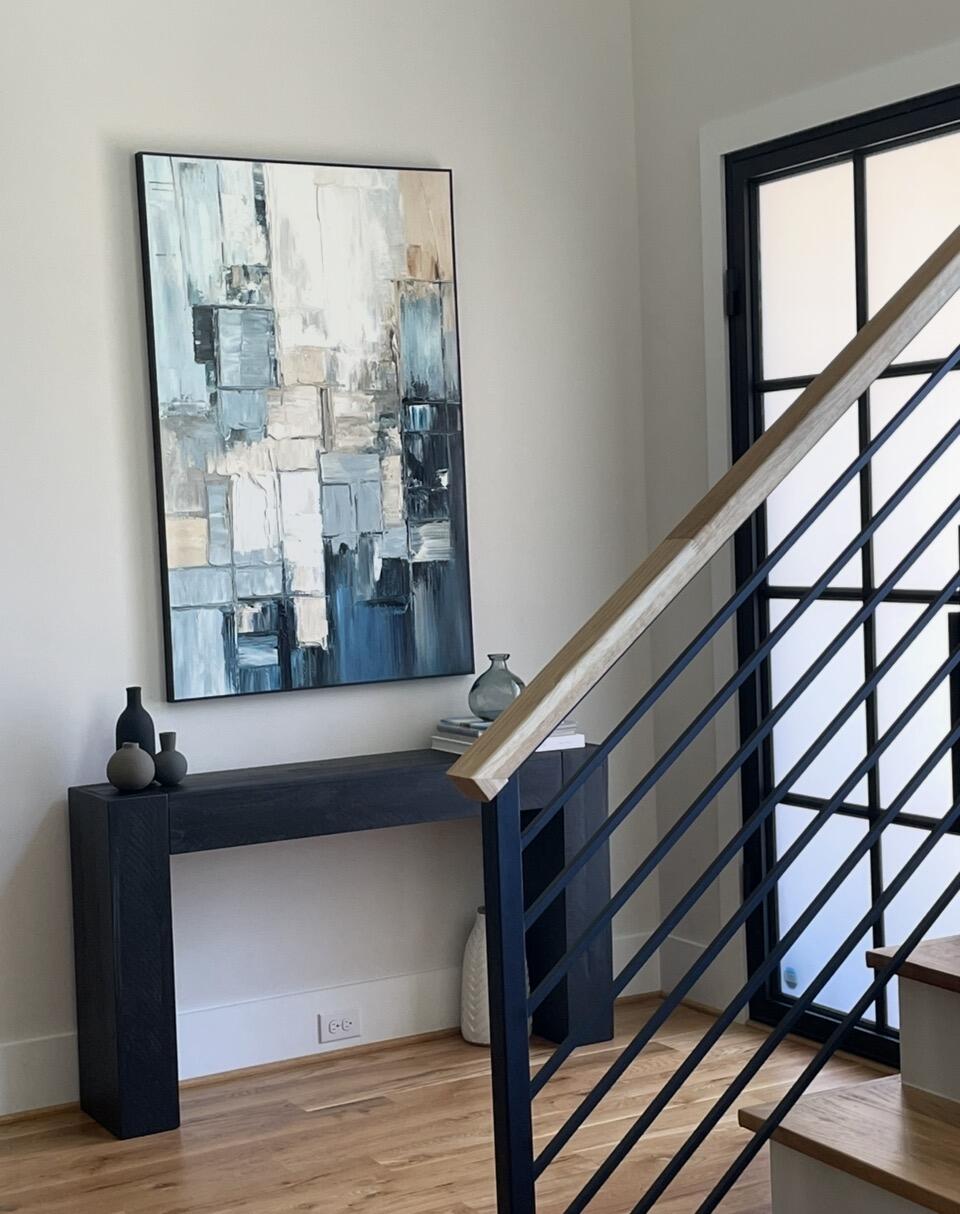
Oversized Abstract Wall Art for Living Rooms
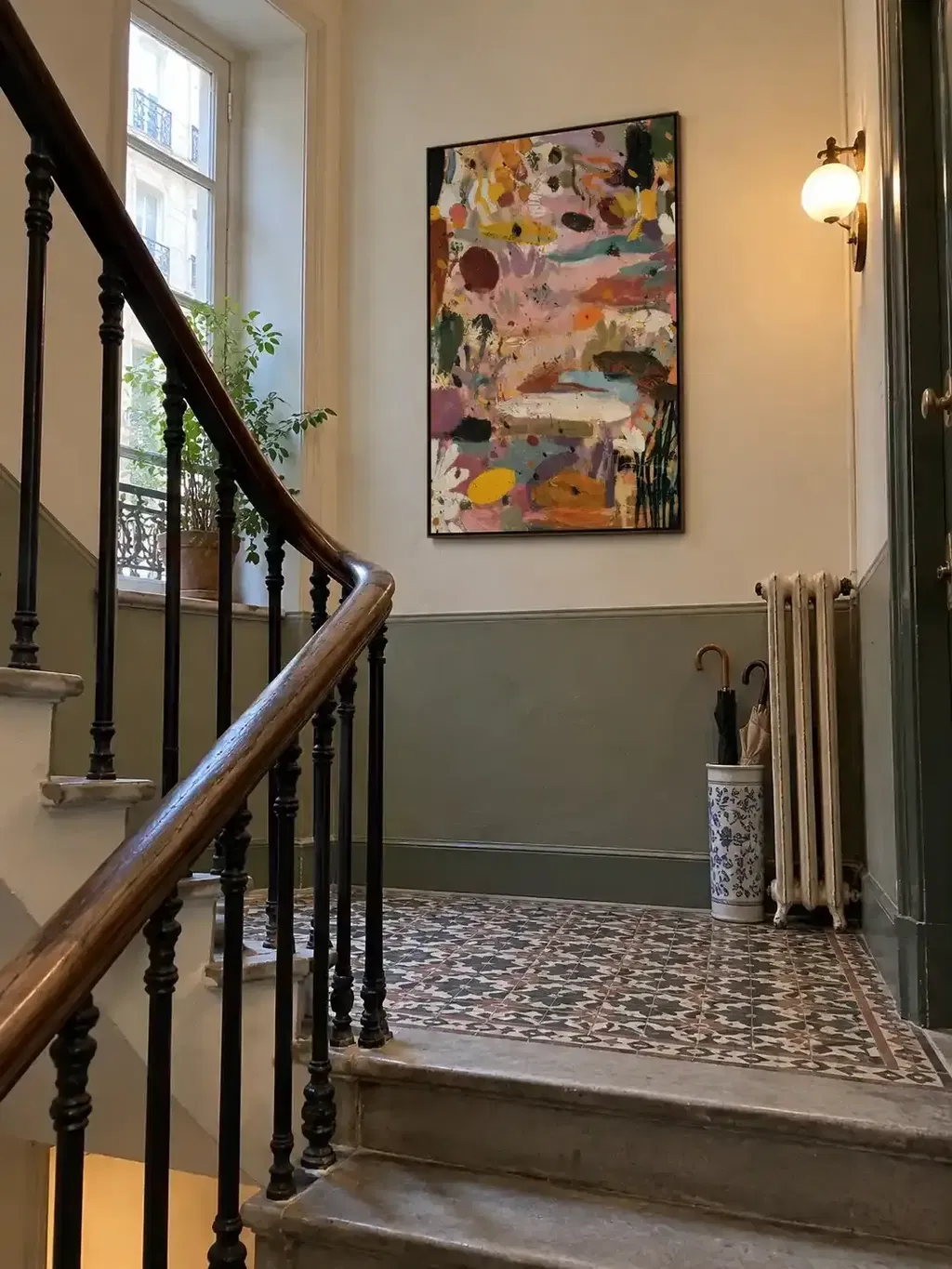
Large-scale abstract artwork has become one of the defining trends in luxury interior design.
Oversized paintings instantly create:
-
A sophisticated focal point
-
Better wall balance
-
A more curated appearance
-
Greater visual impact
This works especially well above:
-
Sofas
-
Fireplaces
-
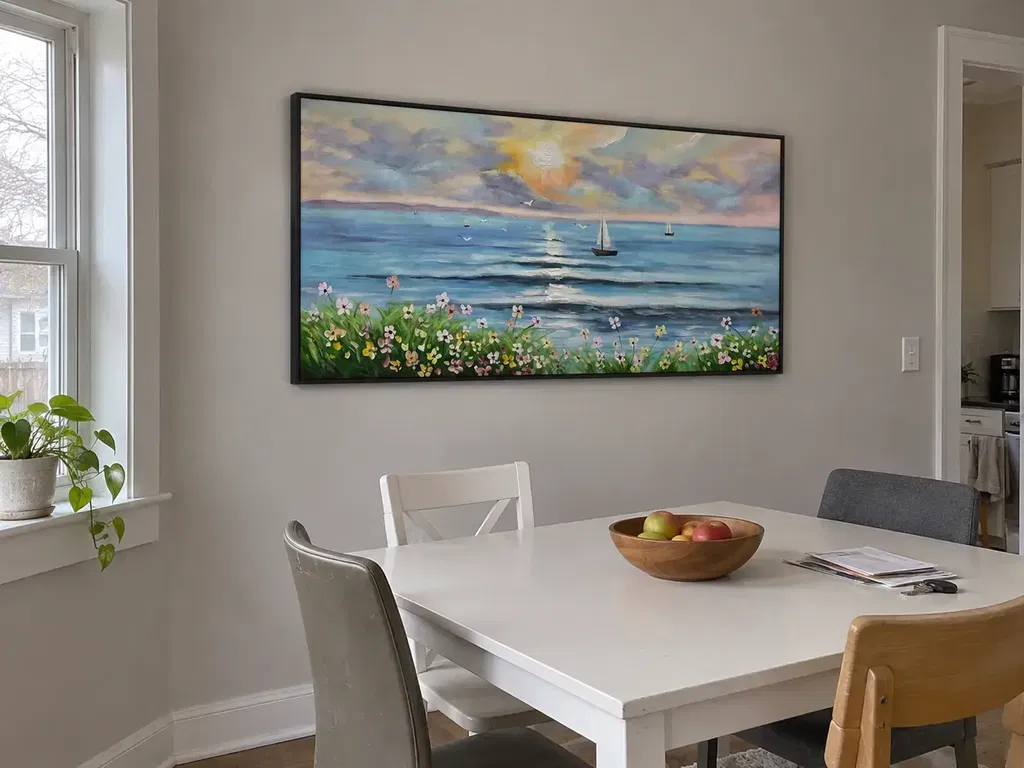
Dining room seating
-
Console tables
Modern designers often choose one large statement piece instead of many small decorative items. It creates a cleaner, more polished look.

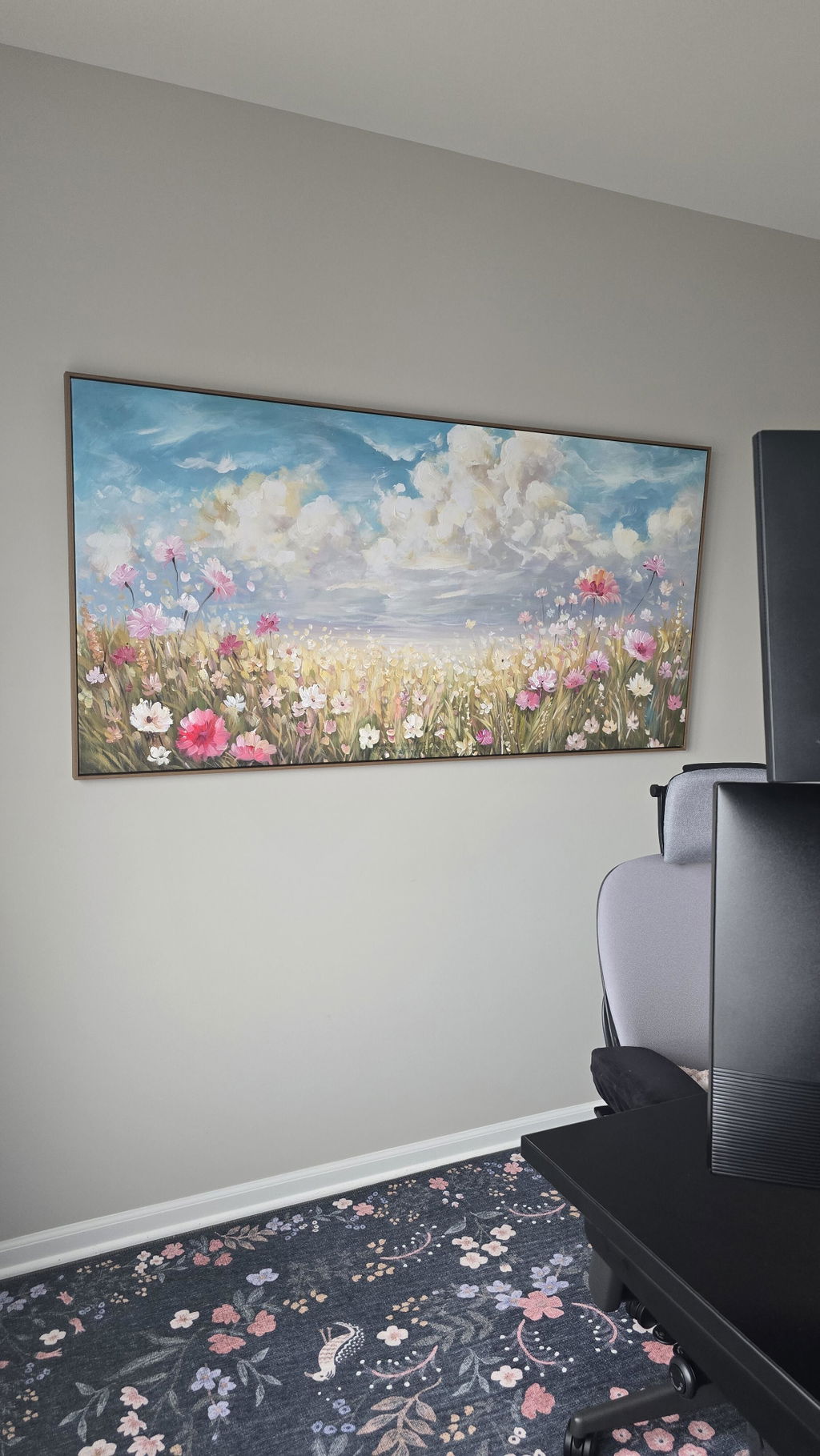
Textured Abstract Paintings Add More Luxury
Texture plays a major role in modern abstract artwork.
Unlike flat prints, textured abstract wall art introduces:
-
Physical depth
-
Layered brushwork
-
Better lighting interaction
-
A handcrafted luxury appearance
This is why many homeowners prefer hand-painted oil paintings over standard canvas prints.
Textured abstract art feels more dynamic because natural light changes during the day. It creates soft highlights and shadows across the surface.
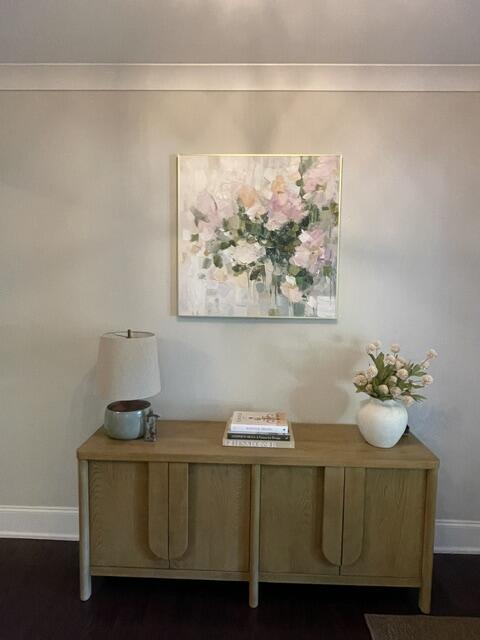
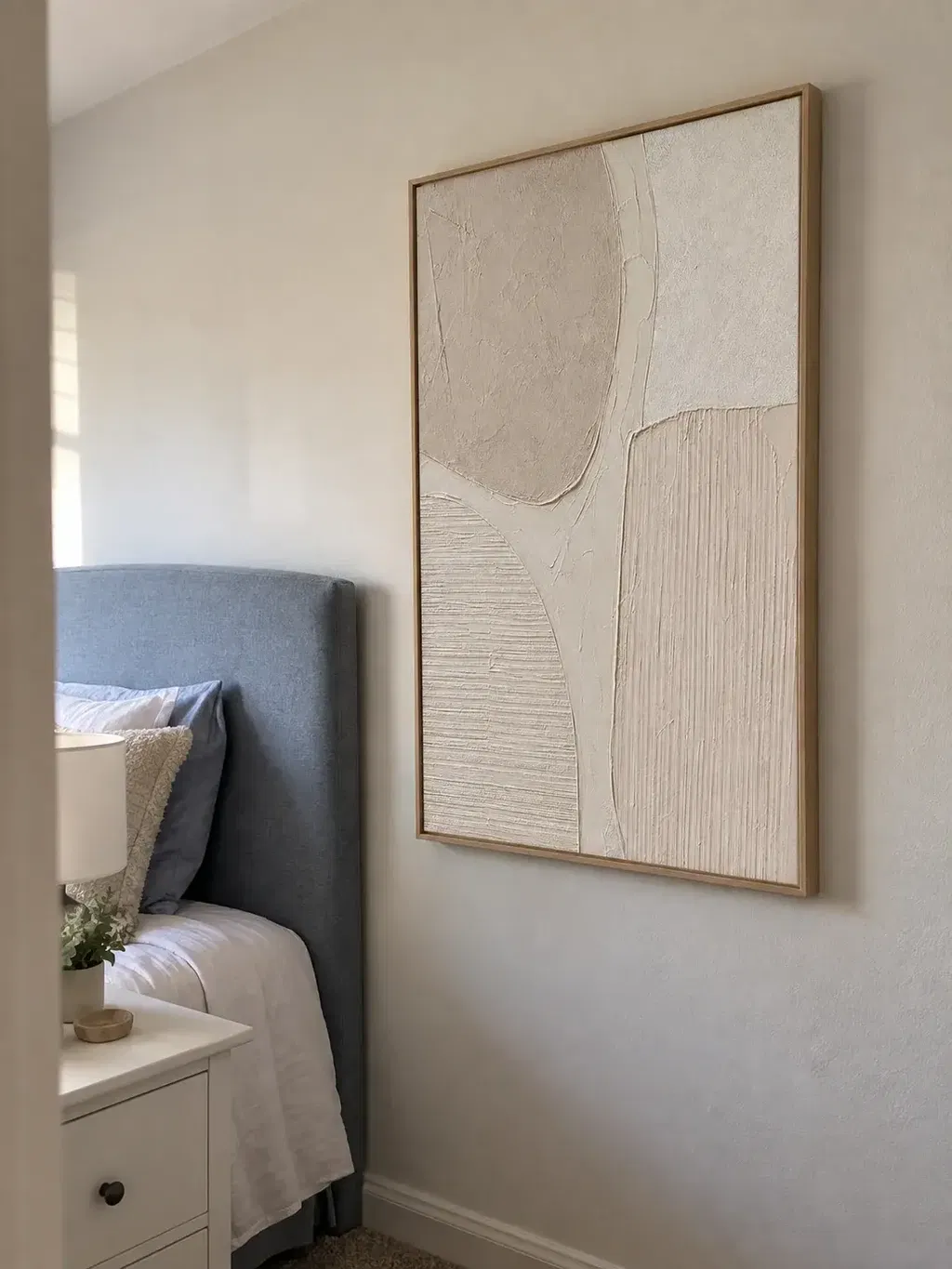
Neutral Abstract Art Creates Timeless Interiors
Neutral abstract paintings remain among the most versatile forms of wall décor.
Popular palettes include:
-
Beige
-
Cream
-
Warm gray
-
Sand tones
-
Soft brown
-
Off-white
These colors help interiors feel:
-
Calm
-
Spacious
-
Sophisticated
-
Warm without excessive color
Neutral abstract artwork works beautifully in:
| Interior Style | Best Artwork Style |
|---|---|
| Warm minimalist | Textured neutral abstracts |
| Japandi | Organic layered compositions |
| Scandinavian | Soft earth-tone paintings |
| Luxury contemporary | Oversized abstract oil paintings |
| Organic modern | Beige textured wall art |
Because neutral palettes are highly adaptable, they rarely feel outdated.
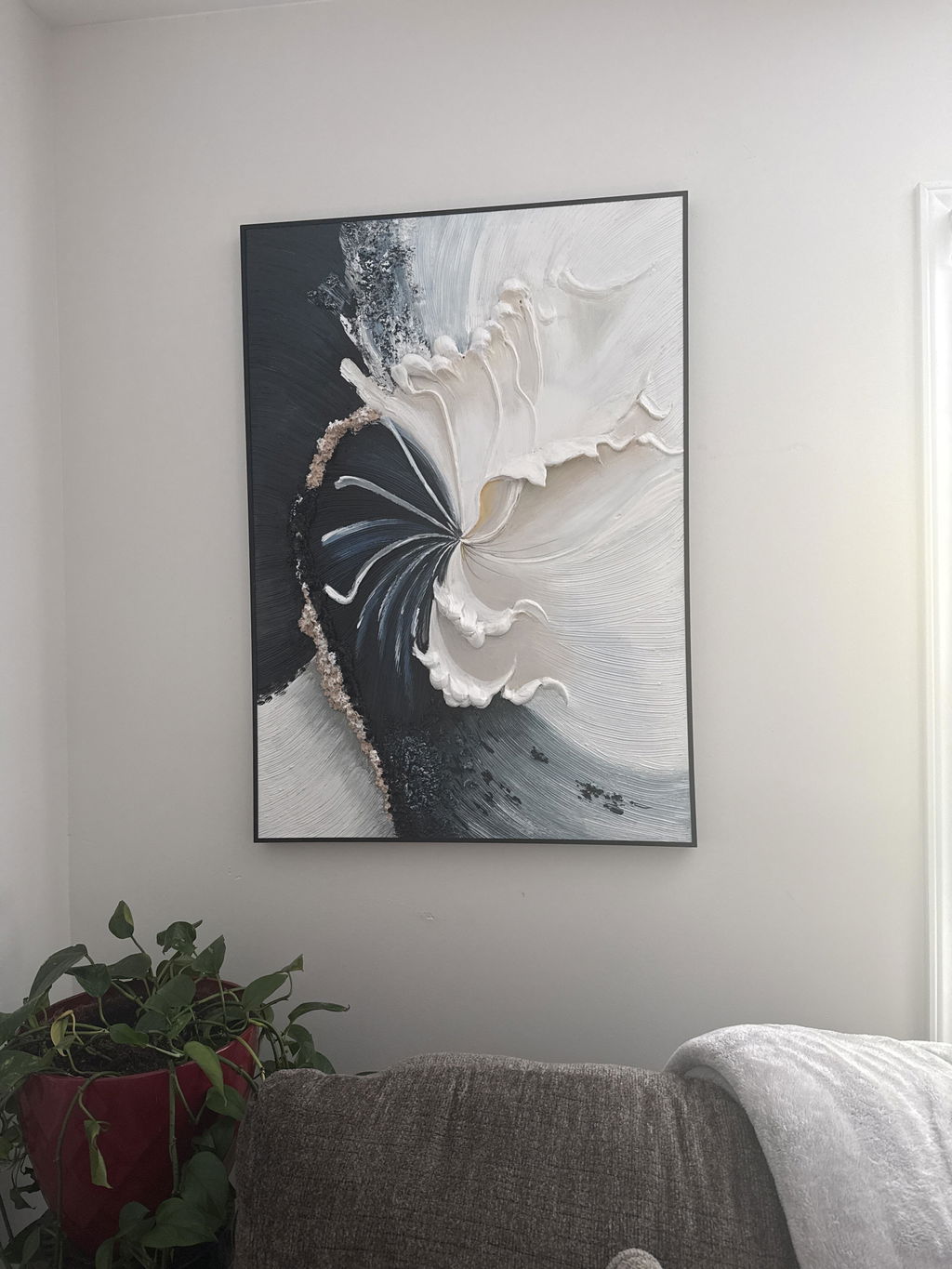
Black and White Abstract Art for Contemporary Contrast
Black and white abstract paintings remain timeless in modern interiors.
This style works especially well in:
-
Contemporary apartments
-
Industrial interiors
-
Monochromatic spaces
-
High-contrast modern homes
Black and white artwork creates visual structure while still maintaining simplicity.
However, many designers now soften monochromatic interiors with texture to avoid spaces feeling too cold or sterile.
Minimal Abstract Paintings for Smaller Spaces
Abstract artwork does not always need to be visually bold.
Minimal abstract paintings featuring:
-
Soft brush movement
-
Open compositions
-
Layered neutrals
-
Subtle texture
work beautifully in:
-
Apartments
-
Bedrooms
-
Hallways
-
Home offices
These pieces help rooms feel visually lighter and more open.

Warm-Tone Abstract Artwork for Cozy Modern Homes
Warm abstract paintings are becoming increasingly popular as homeowners move toward softer, more inviting interiors.
Popular tones include:
-
Terracotta
-
Beige
-
Clay
-
Muted rust
-
Warm taupe
-
Soft gold
Warm-tone abstract art helps spaces feel:
-
More welcoming
-
More emotionally balanced
-
More luxurious
-
Less visually cold
This aligns closely with the growing “warm minimalism” interior trend.
Why Abstract Wall Art Makes Spaces Feel More Sophisticated
One reason abstract artwork feels luxurious is because it allows the room itself to remain the focus.
Traditional decorative art often introduces too much narrative detail.
Abstract paintings create atmosphere instead.
This subtlety is one of the defining characteristics of high-end modern interiors.
Luxury spaces usually feel:
-
Balanced
-
Intentional
-
Calm
-
Understated
Abstract wall art supports all of these qualities naturally.
How to Choose the Right Abstract Wall Art
Focus on Scale First
One of the biggest mistakes homeowners make is choosing artwork that is too small.
Oversized abstract art usually creates a stronger visual impact than multiple smaller pieces.
General sizing guidelines:
| Space | Recommended Artwork |
|---|---|
| Large living room | Oversized horizontal abstract art |
| Bedroom | Medium-to-large calming artwork |
| Entryway | Vertical abstract painting |
| Apartment | Neutral minimalist abstract art |
Match the Color Palette to the Room
Your artwork should complement the interior instead of overpowering it.
Popular combinations include:
| Interior Palette | Recommended Abstract Artwork |
|---|---|
| Beige interiors | Warm neutral abstracts |
| White modern homes | Textured soft gray artwork |
| Earth-tone interiors | Organic layered paintings |
| Dark contemporary rooms | Black and white abstracts |
Prioritize Texture Over Excessive Detail
One of the biggest luxury interior trends today is textured simplicity.
Many designers now prefer artwork that uses:
-
Subtle layering
-
Organic movement
-
Soft dimensionality
-
Minimal compositions
instead of overly busy decorative detail.
This creates a more timeless and upscale appearance.
Consider Lighting
Textured abstract oil paintings interact beautifully with natural and ambient lighting.
This creates subtle movement and visual depth throughout the day, making the artwork feel more immersive.
Abstract Oil Paintings vs Canvas Prints
Many homeowners wonder whether hand-painted abstract artwork is worth choosing over mass-produced prints.
Here’s the difference:
| Feature | Hand-Painted Oil Paintings | Canvas Prints |
|---|---|---|
| Texture | Real layered depth | Flat surface |
| Lighting Interaction | Dynamic | Minimal |
| Uniqueness | Handcrafted details | Mass-produced |
| Visual Richness | Luxury appearance | Decorative/basic |
| Long-Term Appeal | Timeless | Trend-dependent |
For homeowners looking to create a more elevated interior, textured abstract oil paintings generally offer a much more sophisticated result.
Common Abstract Wall Art Mistakes
Even beautiful artwork can lose impact when styled incorrectly.
Common mistakes include:
-
Choosing artwork that is too small
-
Using colors that clash with the room
-
Overcrowding walls with décor
-
Ignoring texture entirely
-
Hanging artwork too high
The most successful modern interiors usually feel intentional, spacious, and visually balanced.
Frequently Asked Questions
Where is the best place to hang abstract wall art?
Abstract artwork works well in areas where it can become a visual anchor, such as above a sofa, fireplace, dining table, bed, or entryway.
The ideal location depends on the room layout and how the artwork interacts with furniture, lighting, and surrounding space.
How do I choose abstract artwork that fits my home style?
Start by looking at the existing elements in your room, including furniture shapes, materials, and lighting.
For modern interiors, clean compositions and neutral tones often create a cohesive look, while warmer abstract pieces can add softness to spaces with wood, linen, or natural textures.
Can abstract wall art increase the perceived value of a home?
Well-selected artwork can make a space feel more intentional and professionally designed. Large-scale abstract paintings often create a stronger sense of balance and sophistication, especially when they are properly scaled to the room.
Artwork does not change the value of a property itself, but it can significantly influence how the interior is experienced.
How many abstract paintings should be displayed in one room?
There is no fixed rule, but modern interiors often benefit from fewer, larger pieces rather than many small artworks.
A single statement painting can create a cleaner focal point, while multiple pieces work best when they share similar colors, textures, or visual styles.
Should abstract art match my sofa and furniture?
Abstract artwork does not need to match furniture exactly. In many designer interiors, artwork creates contrast while still connecting with the overall color palette.
For example, a neutral abstract painting can soften bold furniture, while a darker artwork can add depth to a light-colored room.
What lighting is best for displaying abstract paintings?
Lighting can change how abstract artwork is perceived. Natural side lighting, picture lights, and adjustable spotlights can highlight brush textures, layered surfaces, and subtle color variations.
This is especially valuable for hand-painted abstract oil paintings with raised texture.
Is abstract artwork suitable for every room?
Yes. Abstract art can adapt to different spaces because it focuses on mood rather than a specific subject.
Living rooms often use larger statement pieces, while bedrooms, offices, and hallways may benefit from calmer compositions with softer colors.
Should I choose framed or unframed abstract wall art?
Both options can work depending on the interior style.
Framed artwork can add structure and a more traditional feel, while gallery-wrapped or frameless textured paintings often create a cleaner contemporary appearance.
Is custom abstract artwork a good choice for modern interiors?
Custom artwork can be useful when a room requires a specific size, color combination, or composition.
It allows the painting to become part of the interior design instead of simply being added as decoration.