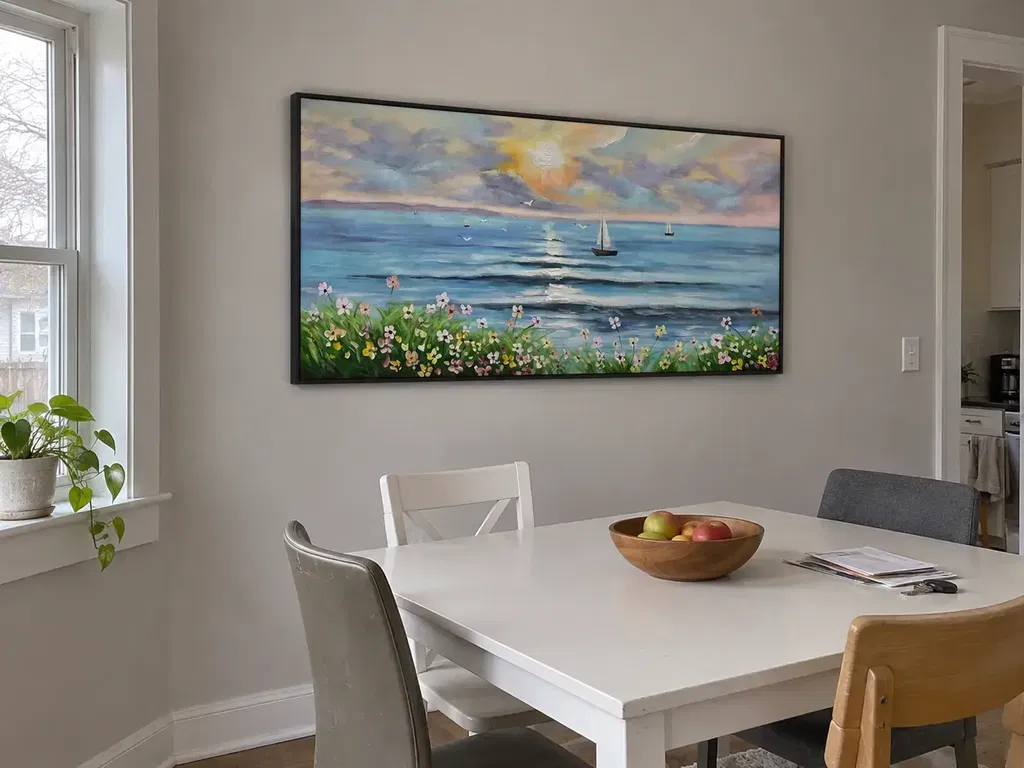
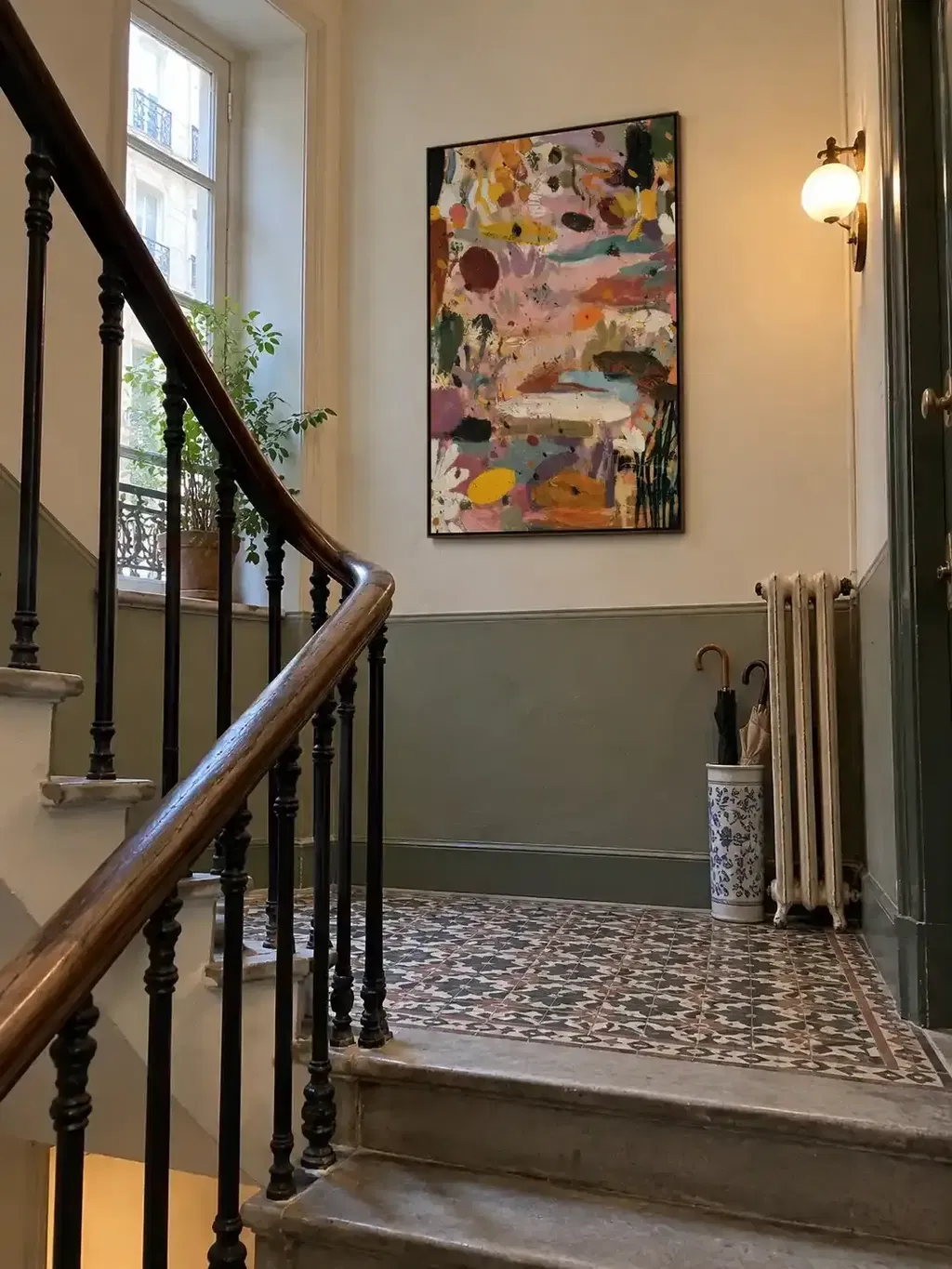
Choosing the right orientation for a piece of art is just as critical as selecting the subject matter or color palette itself. The orientation—whether horizontal, vertical, or square—serves as a silent architectural tool that can physically alter how a viewer perceives the dimensions of a room. By understanding how the shape of a frame interacts with visual weight and spatial dynamics, you can make informed decisions that bring professional-level balance to your home decor.
At its core, artwork orientation dictates the "visual flow" or the path the eye follows when entering a space. Horizontal art tends to ground a room, providing a sense of stability and rest, while vertical art injects energy and emphasizes height. Square formats offer a neutral, centralizing force that works exceptionally well in symmetrical layouts. Knowing which to use depends on the furniture it accompanies, the ceiling height, and the specific energy you want the room to project.
The Core Principles of Artwork Orientation and Visual Weight
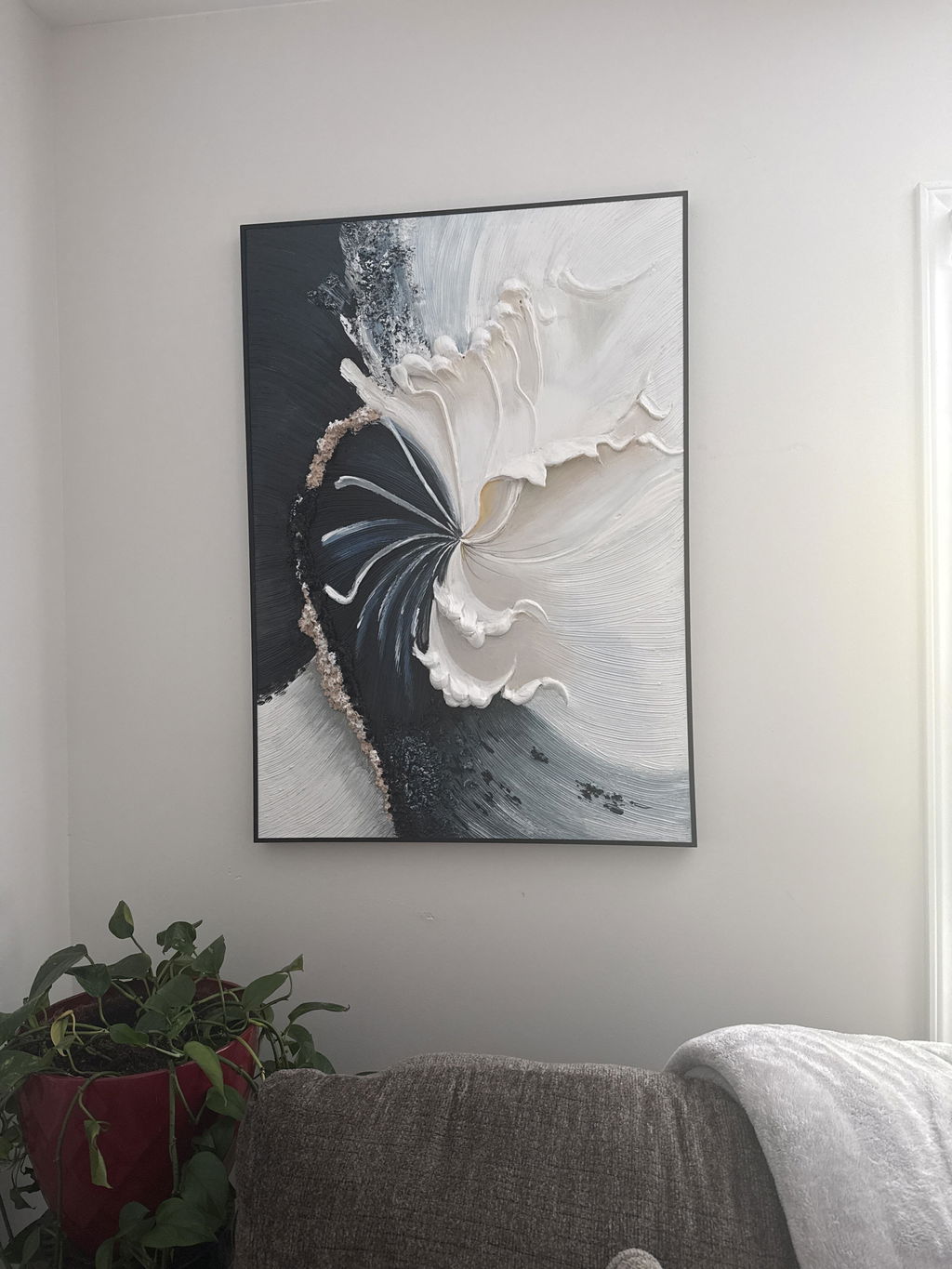
Visual weight is a design concept referring to the perceived heaviness of an object within a composition. In the context of wall decor, orientation is the primary driver of how this weight is distributed. A large horizontal piece feels more "stable" because it mimics the natural horizon line, distributing its weight across a wide plane. Conversely, a vertical piece concentrates its weight along a tall axis, creating a more intense, active presence that pulls the viewer's attention upward.
When selecting modern wall art, you must consider how these shapes manipulate room energy. Landscape-oriented pieces are often associated with tranquility and breadth. They invite the eye to scan from side to side at a leisurely pace. Vertical, or portrait-oriented pieces, are perceived as more dynamic or formal. They represent a break in the horizontal flow of a room, acting as a focal point that demands immediate attention. Square formats occupy a unique middle ground, demanding "radial balance," where the visual weight is distributed equally from the center outward. This prevents the eye from wandering too far in any one direction, keeping the focus tightly locked on the image itself.

Using Horizontal Art to Build Stability and Perceived Width
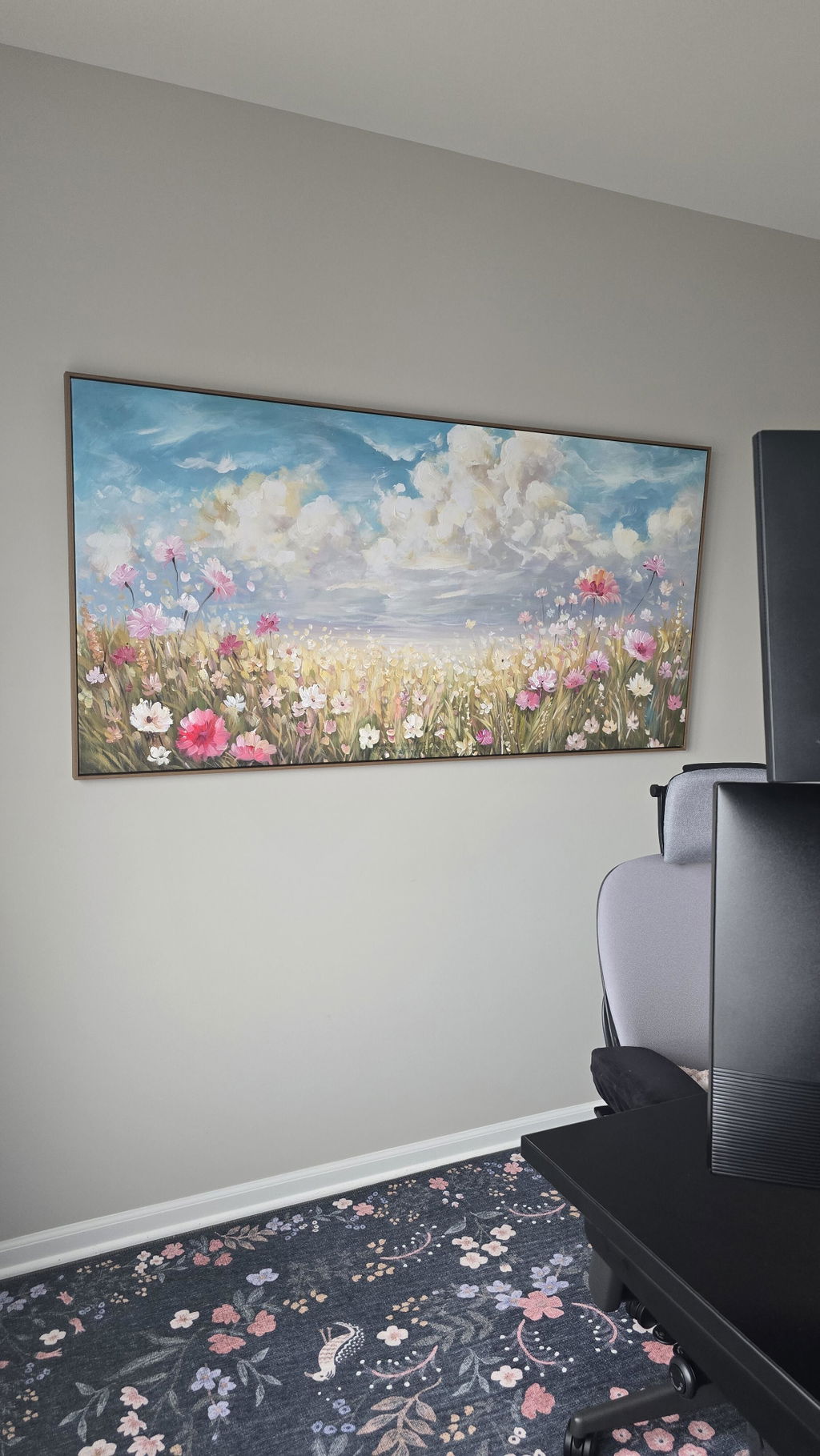
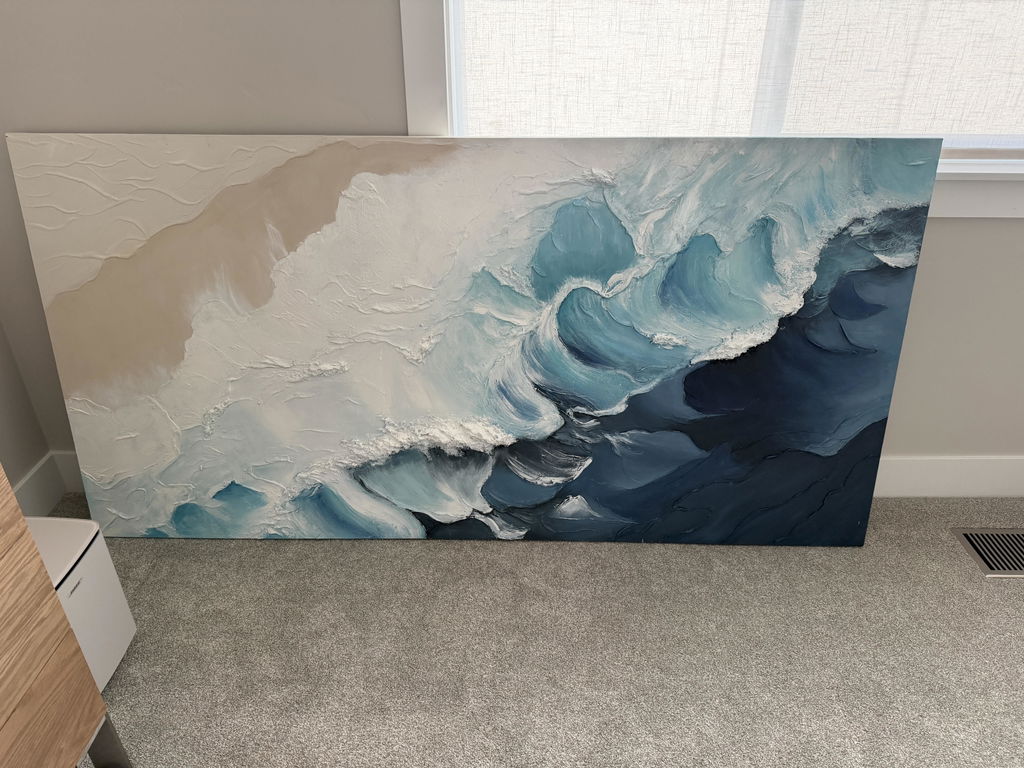
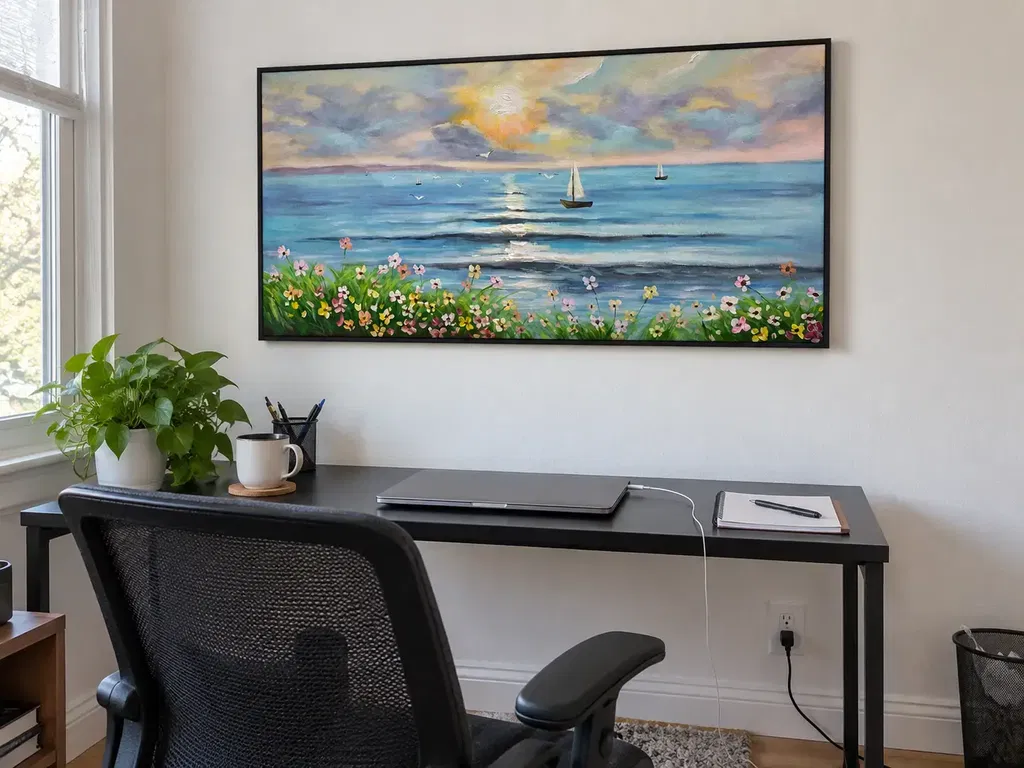
Horizontal artwork, often referred to as landscape orientation, is the most common choice for anchoring large furniture. When placed above a long sofa, a dining sideboard, or a fireplace mantle, a horizontal piece mirrors the furniture's silhouette. This creates a cohesive structural unit that feels grounded and intentional. Psychologically, horizontal lines are associated with rest and permanence. This is why many galleries suggest landscape canvas wall art for bedrooms and living rooms—spaces where relaxation is the priority.
Beyond emotional impact, horizontal pieces are functional tools for correcting narrow rooms. By drawing the eye along the width of the wall, they can make a cramped space feel significantly more expansive. For example, a wide, oversized piece in a 48x24-inch format can bridge the gap between two separate seating areas, unifying the room’s layout.
| Orientation Type | Visual Effect | Best Placement Scenario |
|---|---|---|
| Horizontal | Increases perceived width and provides stability. | Above sofas, headboards, and long mantles. |
| Vertical | Increases perceived height and adds dynamic energy. | Narrow walls, between windows, and entryways. |
| Square | Creates radial balance and central focus. | Small rooms, symmetrical vignettes, and gallery centers. |
Creating Height and Energy with Vertical Orientation
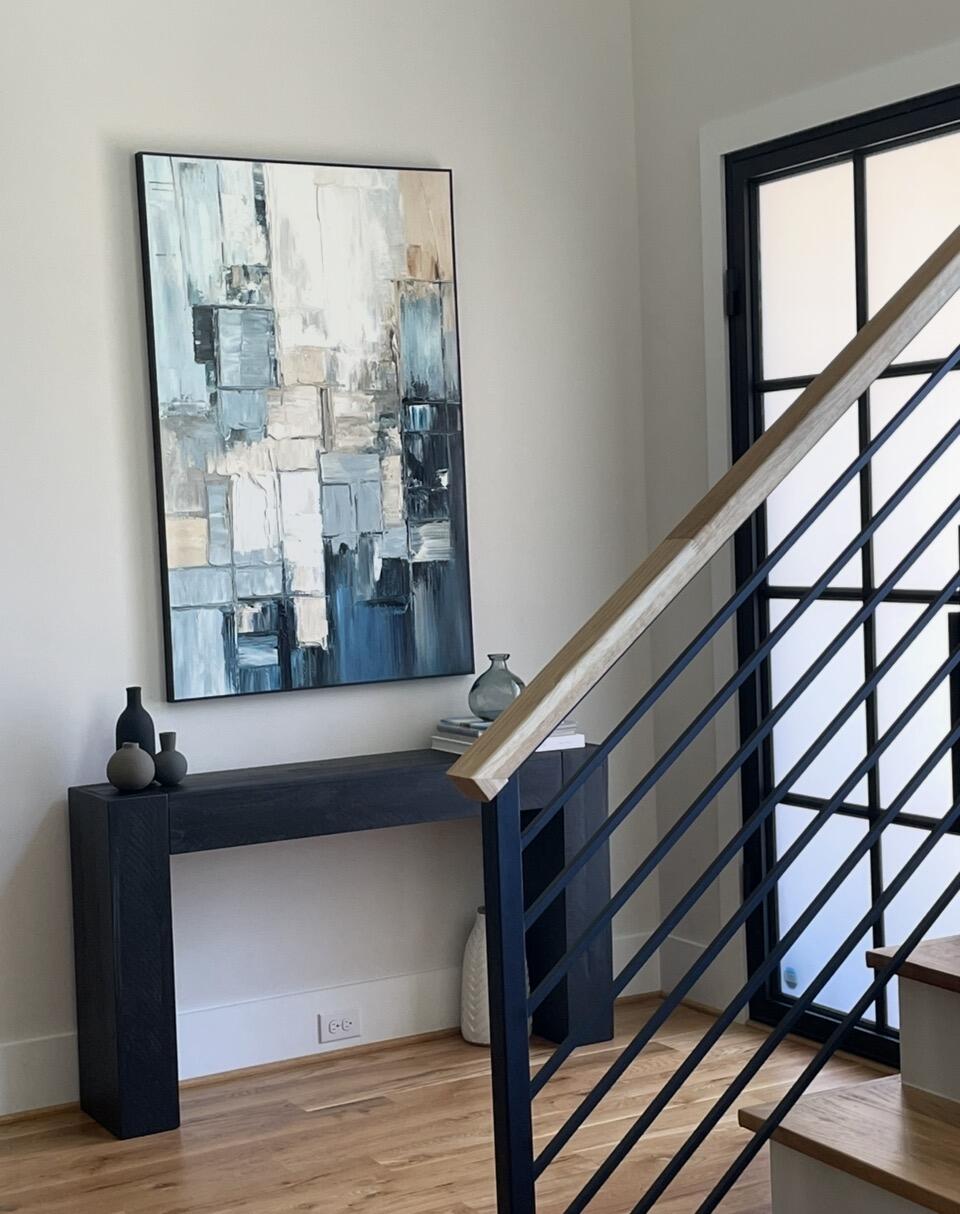
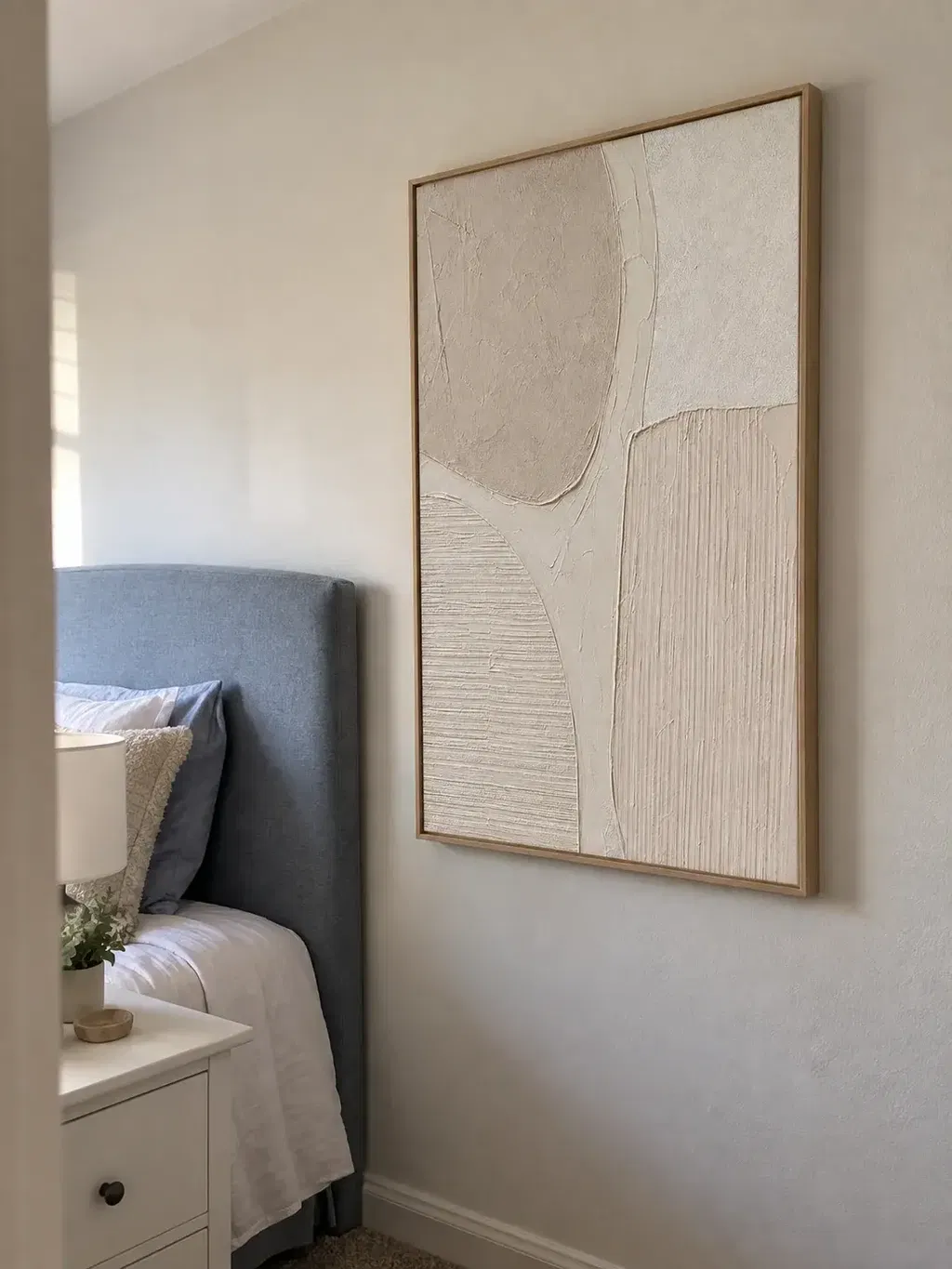
Vertical orientation is the designer’s secret weapon for addressing low ceilings. In many modern homes where ceiling heights may be limited to eight feet, a tall piece of art—such as a 24x36-inch or 30x40-inch vertical frame—tricks the brain into looking up. This vertical movement highlights the distance between the floor and the ceiling, making the room feel more airy and less confined.
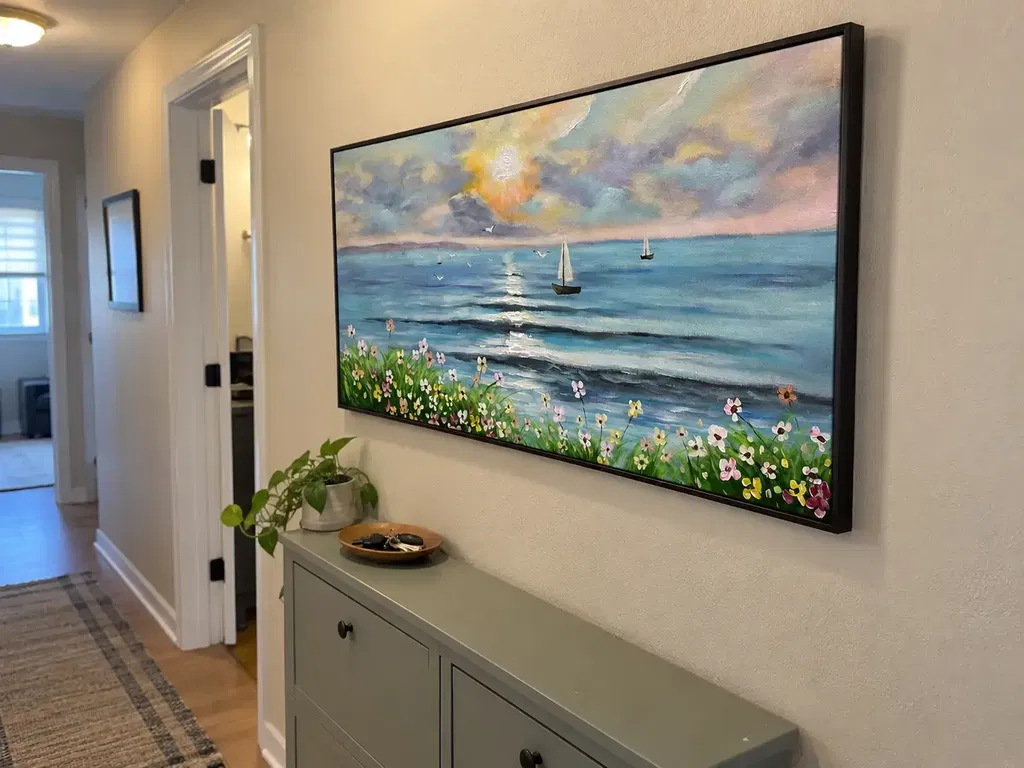
In narrow spaces like hallways or the small wall sections between windows, vertical art is often the only viable choice. These "portrait" orientations are inherently energetic because they defy the natural horizontal planes of our living environments. They are particularly effective for depicting subjects that have a natural upward trajectory, such as architecture or mountain peaks. When you hang a vertical framed oil painting for sale, you are not just adding color; you are adding a pillar of visual interest that breaks up long, monotonous stretches of wall.
The Centering Power of Square Art and Radial Balance
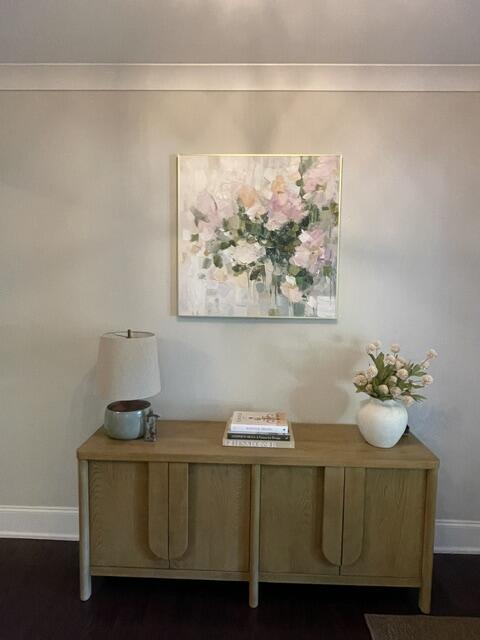
Square artwork is frequently overlooked, yet it offers a unique sense of order that rectangular pieces cannot provide. Because all four sides are equal, the piece does not "pull" the eye in a specific direction. Instead, it creates radial balance. In interior design, radial balance refers to a composition where elements radiate out from or focus into a central point. This makes square art exceptionally effective for small rooms where a large rectangle might overwhelm the available wall space.
Square frames are also the ideal choice for creating a perfectly symmetrical layout. If you have a pair of chairs flanking a small side table, a square piece centered above them creates a balanced, "stilled" environment. It avoids the potentially chaotic energy of a rectangle that might seem to lean toward one piece of furniture more than the other. However, designers often warn against using square art in isolation on very large walls, as it can occasionally feel "static" or lost. In these cases, it is best to use a square piece as the centerpiece of a larger arrangement.
Strategies for Directing Eye Movement and Visual Flow
Visual flow is the science of how a viewer’s gaze tracks across a surface. Orientation acts as the primary conductor for this journey. Horizontal art encourages a scanning motion, which is biologically linked to checking our surroundings for safety and comfort. This is why panoramas and wide landscapes are perceived as calming; they allow the eye to wander without a forced destination.
Vertical art, however, creates an active gaze. It requires the viewer to look from top to bottom (or vice versa), which feels more deliberate and energetic. If you are decorating a home office or a vibrant dining room, vertical pieces can help maintain a sense of alertness and momentum.
To create a successful "path for the eye," you should consider how the orientation of the art interacts with other architectural lines. For instance, if you have tall floor-to-ceiling curtains, a vertical piece of large abstract wall art can complement those vertical lines, creating a rhythmic flow that leads the eye toward the ceiling. Conversely, if your room is filled with low-profile, mid-century modern furniture, horizontal orientations will reinforce that sleek, linear aesthetic.

How to Mix Orientations Cohesively in One Space
Mixing horizontal, vertical, and square pieces in a single room—or even on a single gallery wall—can create a rich, layered look that feels more curated than a matched set. However, without a plan, this can quickly become visually cluttered. Follow this checklist to ensure a cohesive result:
- Maintain a Common Thread: Use consistent frame styles or a unified color palette to bridge the gap between different shapes.
- Identify a Lead Piece: Start with your largest item (the anchor). If it is a large horizontal landscape, use smaller vertical and square pieces to flank it.
- Mind the Spacing: Keep a consistent distance between frames (usually 2 to 3 inches). This "negative space" acts as a grid that holds the different orientations together.
- Balance Visual Weight: If you have a heavy, dark vertical piece on one side of a room, balance it with two or three smaller horizontal pieces on the opposite side to prevent the room from feeling lopsided.
- Align the Centers: When hanging pieces of different heights and widths, aim to keep their center points at the same level (roughly 57 to 60 inches from the floor) to maintain a steady horizon line.
Common Problems: Balancing Large Scale and Vertical Weight
One of the most frequent mistakes in art placement is creating a "top-heavy" feel, especially with vertical pieces. If a tall painting has a dense, dark subject at the top and light colors at the bottom, it can feel like it is pressing down on the room. Expert designers recommend checking the internal balance of the piece itself. For vertical orientations, having the visual "weight" (the darkest or most detailed part) in the lower two-thirds of the canvas helps it feel more grounded.
Additionally, scale must be considered alongside orientation. A massive horizontal piece can sometimes make a room feel "short" if the ceiling is already low. In these instances, breaking the wall space with two smaller vertical pieces side-by-side can provide the necessary width to anchor furniture while still giving the illusion of height.
When hanging these larger pieces, structural safety is paramount. Heavy canvases and frames can impose significant stress on mounting hardware. Always ensure you are using appropriate hanging hardware and checking the integrity of wall attachments to prevent falling damage, which can lead to canvas tears or frame loss.
Conclusion: How Artwork Orientation Affects Balance, Height and Visual Flow
In summary, understanding how artwork orientation affects balance, height and visual flow is essential for anyone looking to optimize their home's interior design. Horizontal art offers a grounding sense of width and stability, making it the perfect companion for sofas and mantles. Vertical art provides a dynamic verticality that can save a room with low ceilings or narrow walls. Square art offers a centering, symmetrical focus that brings order to smaller or more formal vignettes.
By strategically selecting the orientation of your artwork, you aren't just filling a blank wall; you are actively shaping the proportions and energy of your living space. Whether you are searching for original artwork for sale or planning a complex gallery wall, keeping these principles of visual weight and eye movement in mind will ensure your home feels balanced, intentional, and professionally curated.
Safety Notice
This article provides general guidance only. Always follow the manufacturer's instructions, applicable local requirements, and appropriate safety practices for hanging wall art. For installations involving heavy structural loads, high-traffic areas, or specialized mounting hardware, consult a qualified professional to ensure the work is securely fastened and poses no risk to occupants.
FAQs
Can I hang landscape-oriented art vertically?
While technically possible, hanging landscape art vertically can often result in a disconnected aesthetic unless the subject matter is abstract. If the artist intended a specific orientation, changing it may disrupt the intended visual flow and balance of the piece.
What is the best art orientation for a fireplace mantle?
Horizontal (landscape) orientation is generally recommended for mantles. It anchors the wide structural lines of the fireplace, creating a cohesive visual unit that grounds the entire wall.
Does the subject matter dictate the orientation?
Often, yes. Expansive subjects like skies and winding rivers naturally favor horizontal formats to emphasize width. Vertical formats are better suited for subjects like city architecture, mountain peaks, or portraits that emphasize height.