Introduction: Why Modern Spaces Often Feel Flat
Many modern homes look clean and well-designed, but they can still feel incomplete.
One of the biggest reasons is the lack of visual depth.
Minimal furniture, neutral palettes, and smooth surfaces can sometimes make a room feel too flat or sterile. That’s where textured wall art becomes incredibly effective.
Unlike standard canvas prints, textured artwork introduces movement, dimension, and a handcrafted feel that instantly makes a space look more elevated.
In this guide, you’ll discover the best textured wall art ideas for modern interiors, how designers use texture to create balance, and how to choose pieces that work beautifully in living rooms, bedrooms, hallways, and more.
Why Textured Wall Art Is Trending in Modern Interior Design
Over the past few years, interior design has shifted toward spaces that feel calmer, warmer, and more organic.
At the same time, many homeowners have started moving away from overly glossy or mass-produced décor.
This is why textured wall art for modern interiors has become one of the biggest home décor trends.
Texture adds:
- Visual depth
- Natural light variation
- A handcrafted appearance
- More emotional warmth
- A luxury designer feel
Unlike flat prints, textured paintings change throughout the day depending on lighting and viewing angle, making the artwork feel more alive and dynamic.
Many interior designers also prefer textured pieces because they help minimalist spaces feel intentional instead of empty.
What Makes Textured Wall Art Different From Canvas Prints?
A lot of people assume all wall art creates the same visual effect, but texture dramatically changes how artwork interacts with a room.
Here’s the biggest difference:
| Feature | Textured Wall Art | Standard Canvas Prints |
| Surface Depth | Raised texture and layering | Completely flat |
| Lighting Effect | Reflects light dynamically | Minimal light interaction |
| Visual Impact | More dimensional and premium | Simpler appearance |
| Uniqueness | Often hand-finished | Usually mass-produced |
| Designer Appeal | High-end, gallery-inspired | More decorative/basic |
Because textured artwork has physical dimension, it creates shadows and highlights that add richness to the room.
This is especially important in modern interiors where furniture and architecture are often clean-lined and minimal.
Best Textured Wall Art Ideas for Modern Homes
Oversized Textured Wall Art for Living Rooms
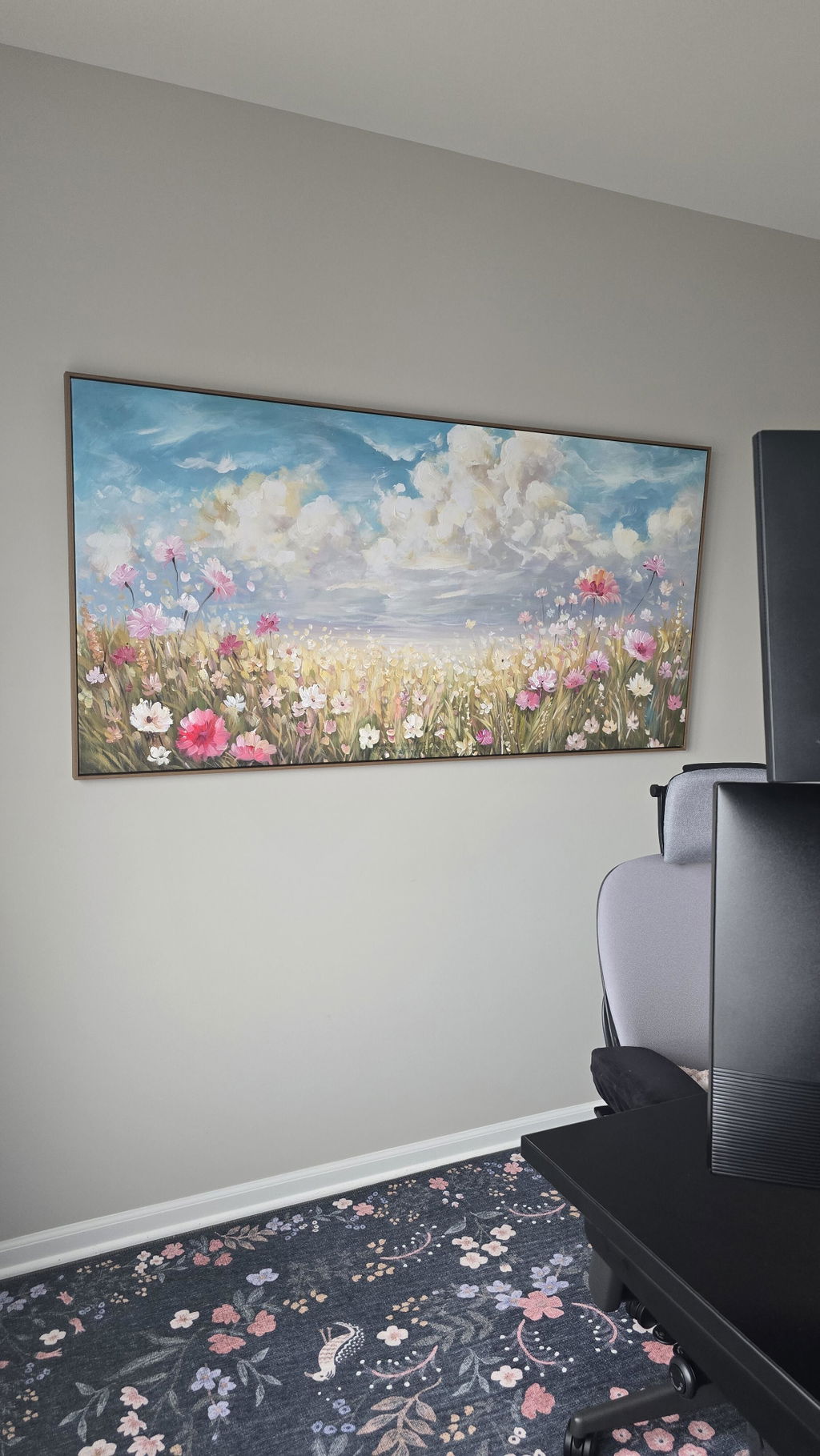
Large-scale textured artwork is one of the most effective ways to anchor a modern living room.
An oversized piece above the sofa immediately creates:
- A strong focal point
- Better wall balance
- A more curated designer look
In open-concept homes, large textured wall art for living room spaces also helps visually define seating areas without adding physical dividers.
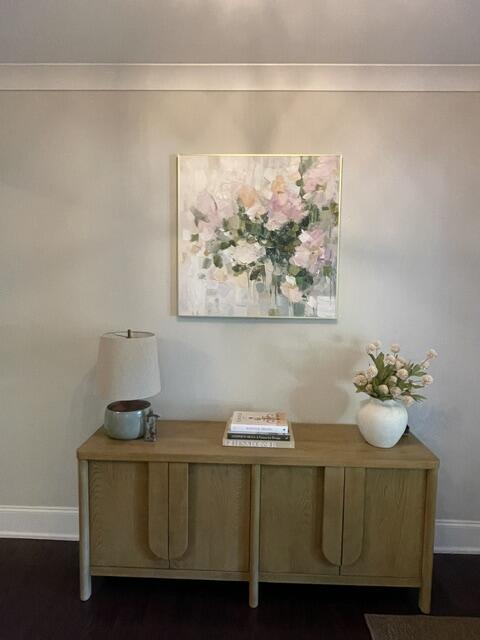
Neutral oversized paintings are especially popular because they feel sophisticated without overwhelming the space.

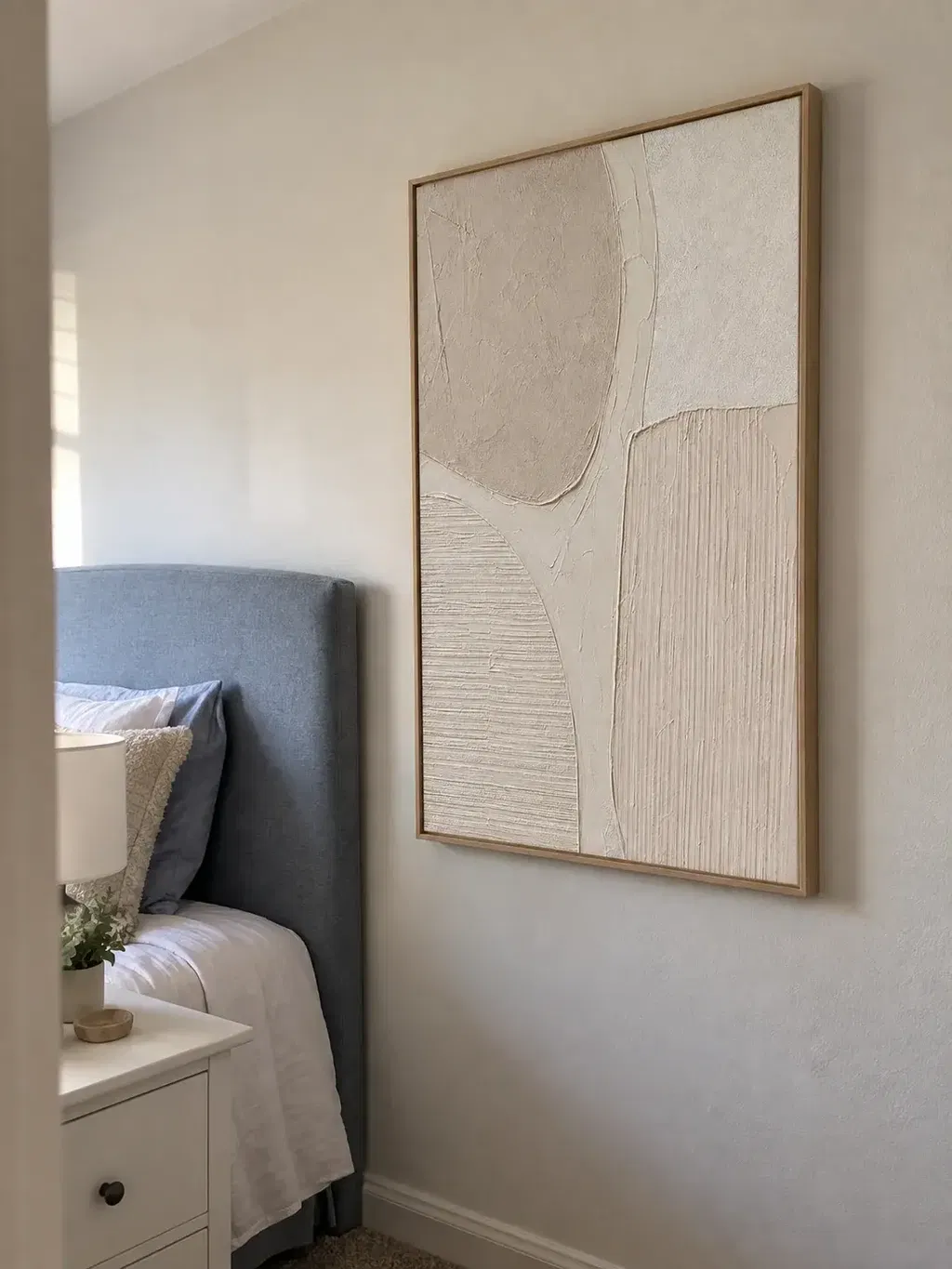
Neutral Textured Wall Art for Minimalist Interiors
Modern minimalist homes often rely on:
- Beige
- Ivory
- Taupe
- Warm gray
- Sand tones
While these palettes create calm environments, they can sometimes lack visual contrast.
Textured artwork solves this problem by adding depth without introducing excessive color.
Instead of relying on bold patterns, the artwork creates interest through:
- Brush movement
- Layering
- Surface variation
- Organic imperfections
This is why neutral textured wall art works especially well in minimalist homes inspired by Japandi, wabi-sabi, or Scandinavian interiors.
Abstract Textured Paintings for Contemporary Spaces
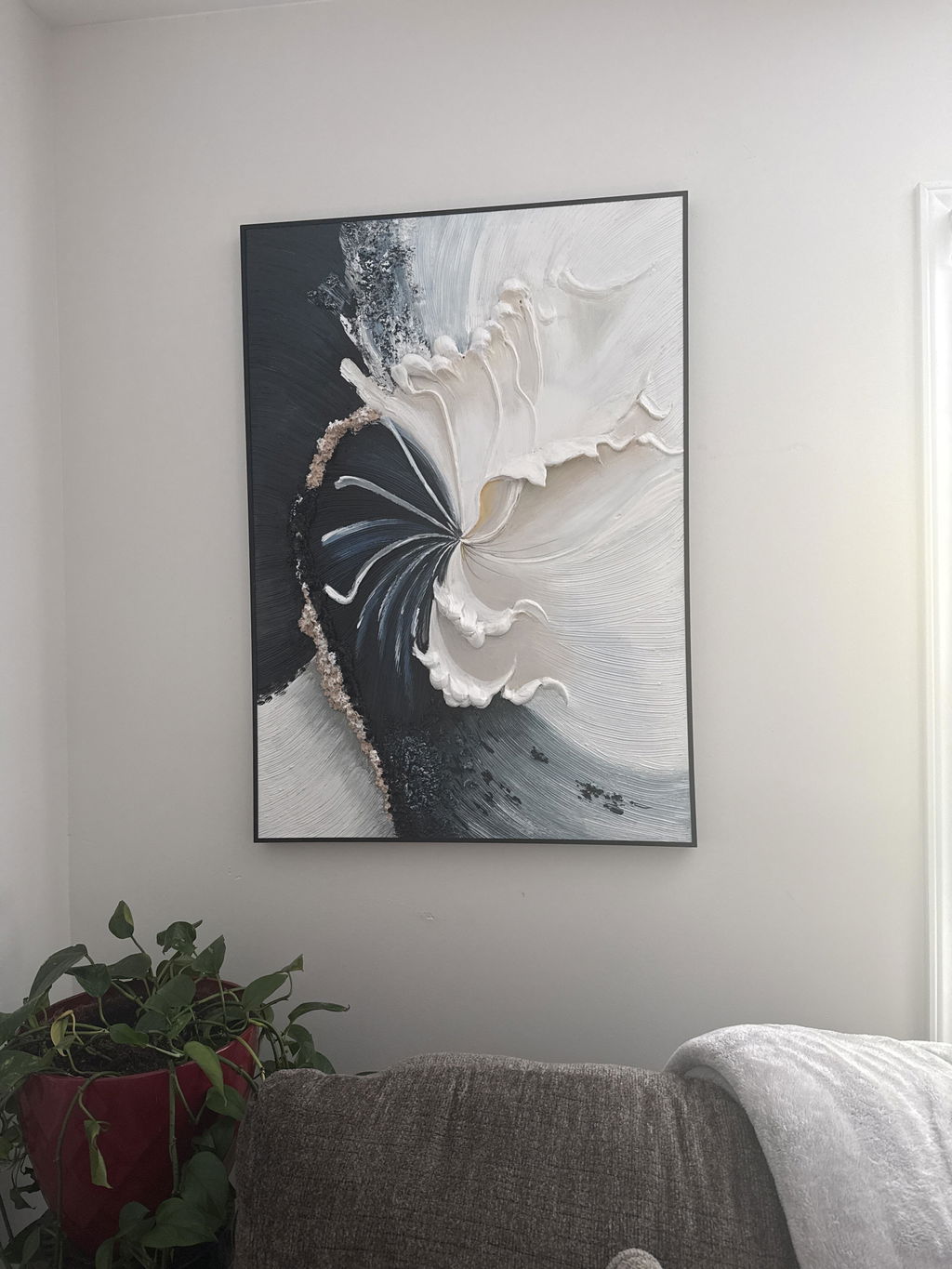
Abstract textured art is one of the easiest ways to make a room feel more modern.
Unlike traditional decorative artwork, abstract pieces allow the texture itself to become the focal point.
Popular styles include:
| Abstract Style | Best Interior Match |
| Soft organic texture | Wabi-sabi interiors |
| Geometric texture | Contemporary homes |
| Heavy impasto | Luxury modern spaces |
| Layered neutral palette | Minimalist rooms |
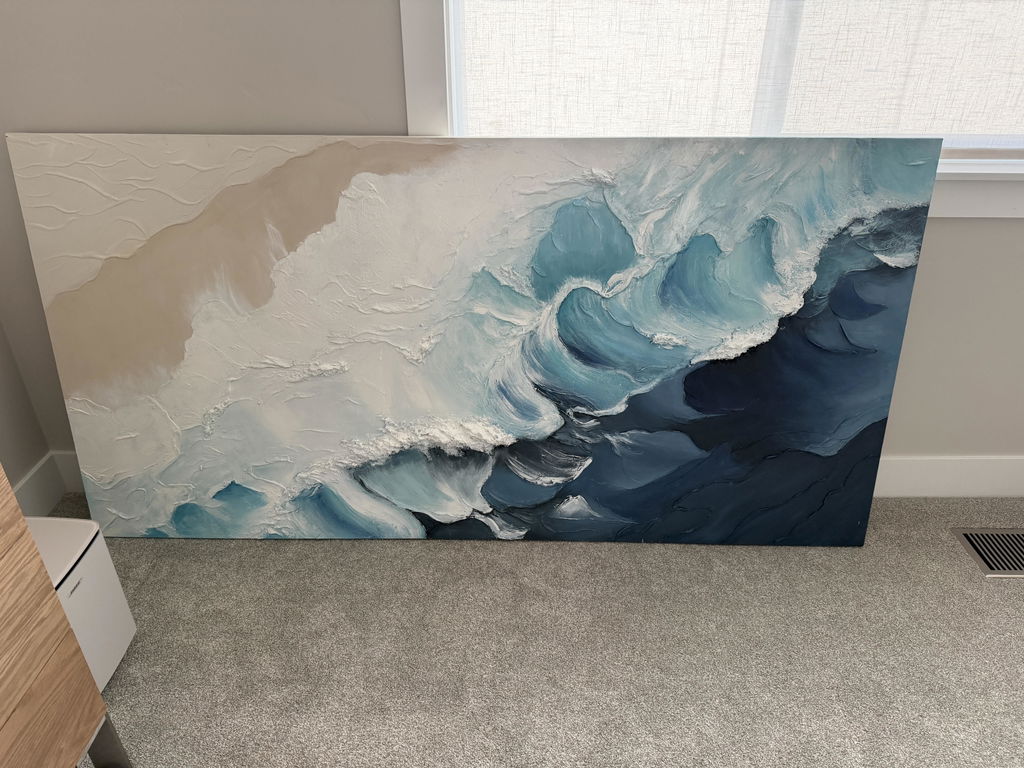
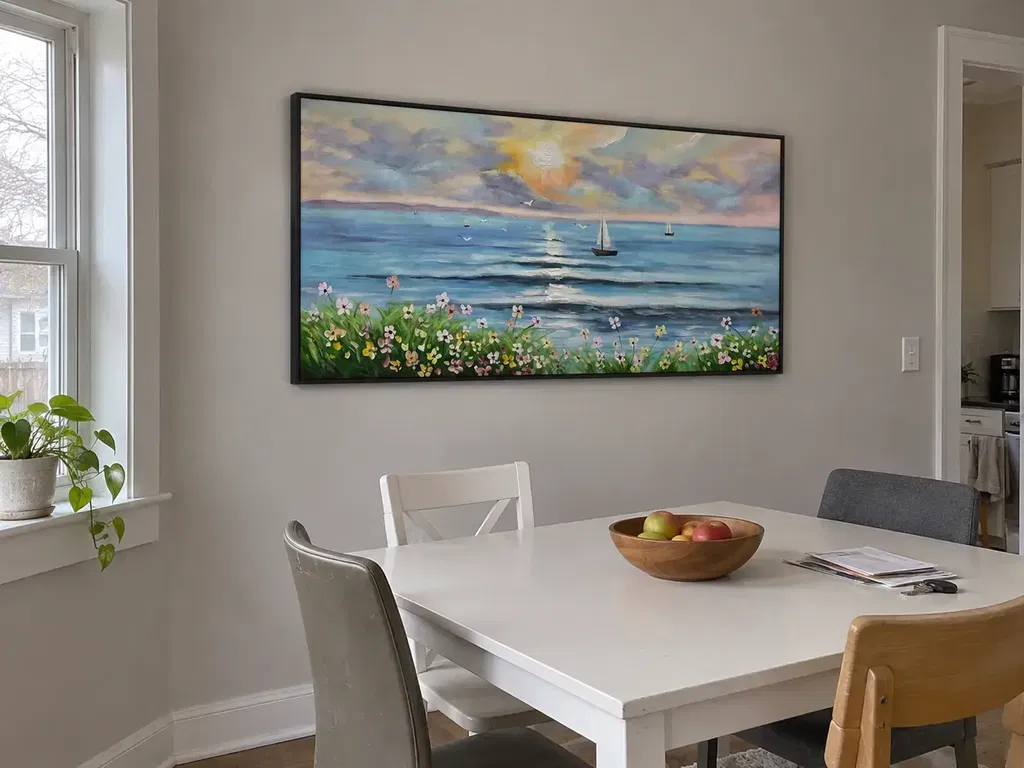
| Textured wave patterns | Coastal interiors |
The best abstract pieces feel balanced rather than chaotic.
Modern interiors benefit from artwork that feels calm, intentional, and cohesive with the architecture.
Textured Coastal Wall Art for Relaxed Spaces
Texture works beautifully in coastal-inspired interiors because it mimics natural elements like:
- Sand
- Waves
- Stone
- Weathered surfaces
Soft blue, beige, and white textured paintings help create a relaxed and airy atmosphere without looking overly themed.
This style works especially well in:
- Beach homes
- Bright living rooms
- Bedrooms
- Open spaces with natural light

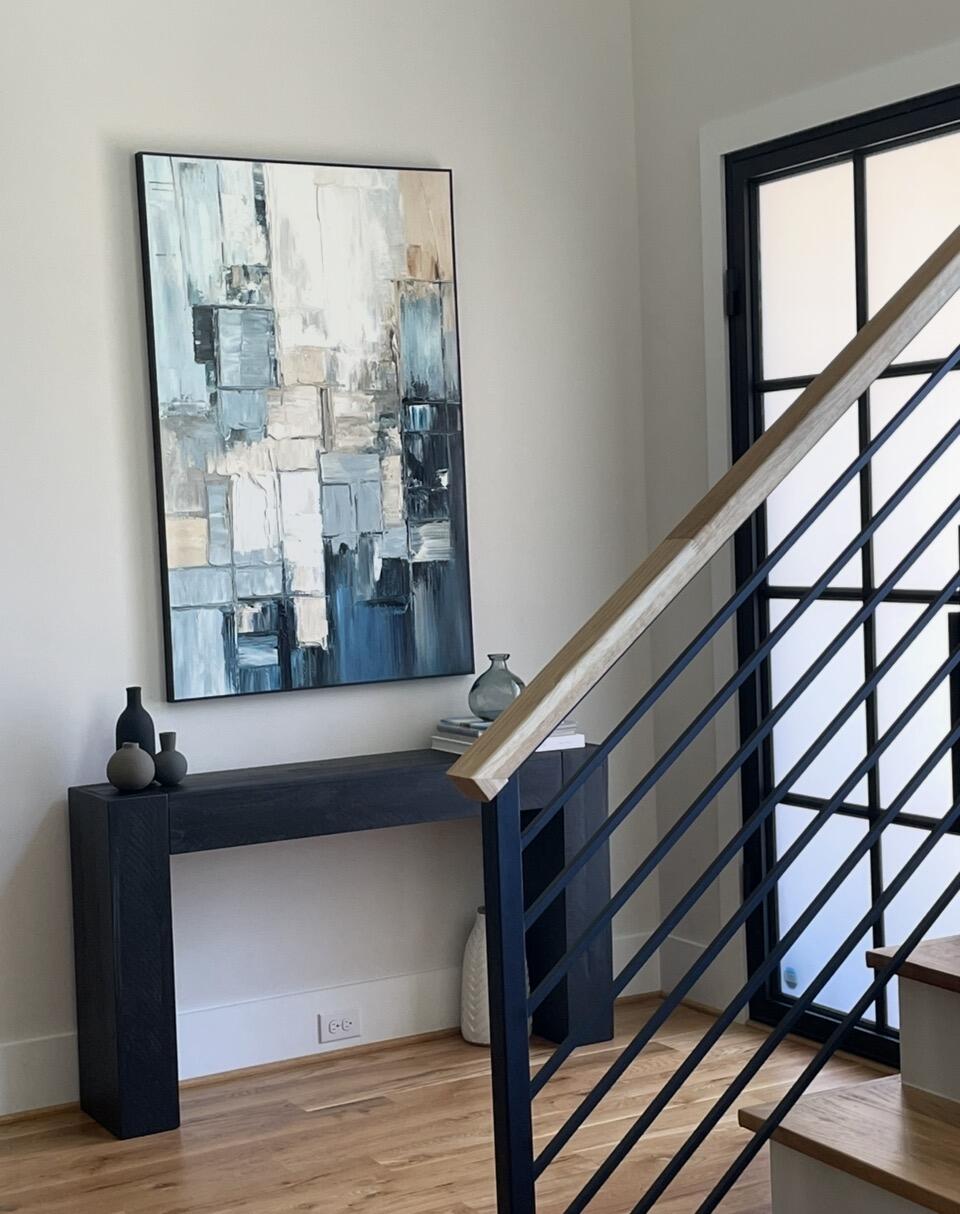
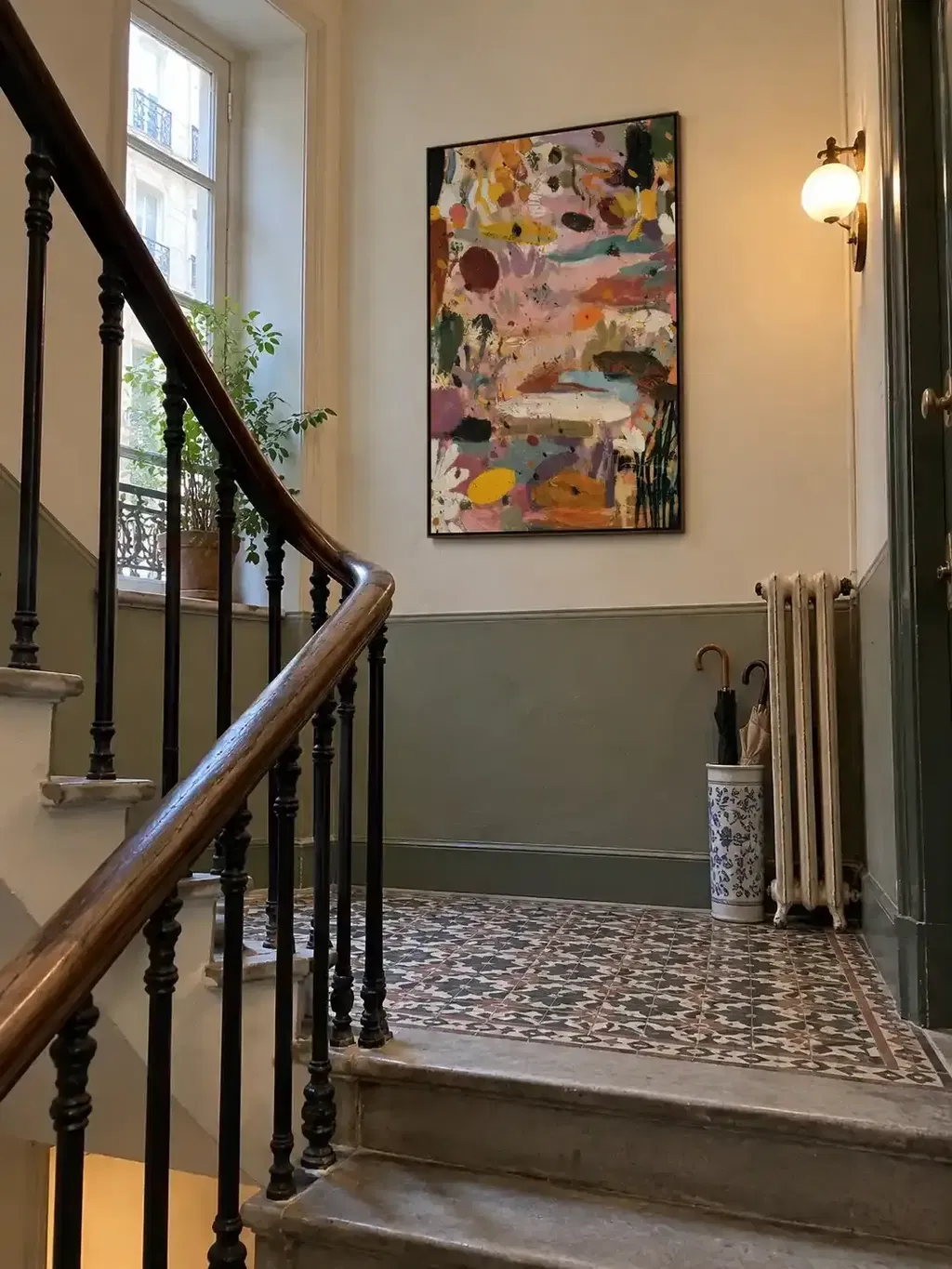
Vertical Textured Art for Narrow Walls
Not every room has large horizontal wall space.
Vertical textured artwork is ideal for:
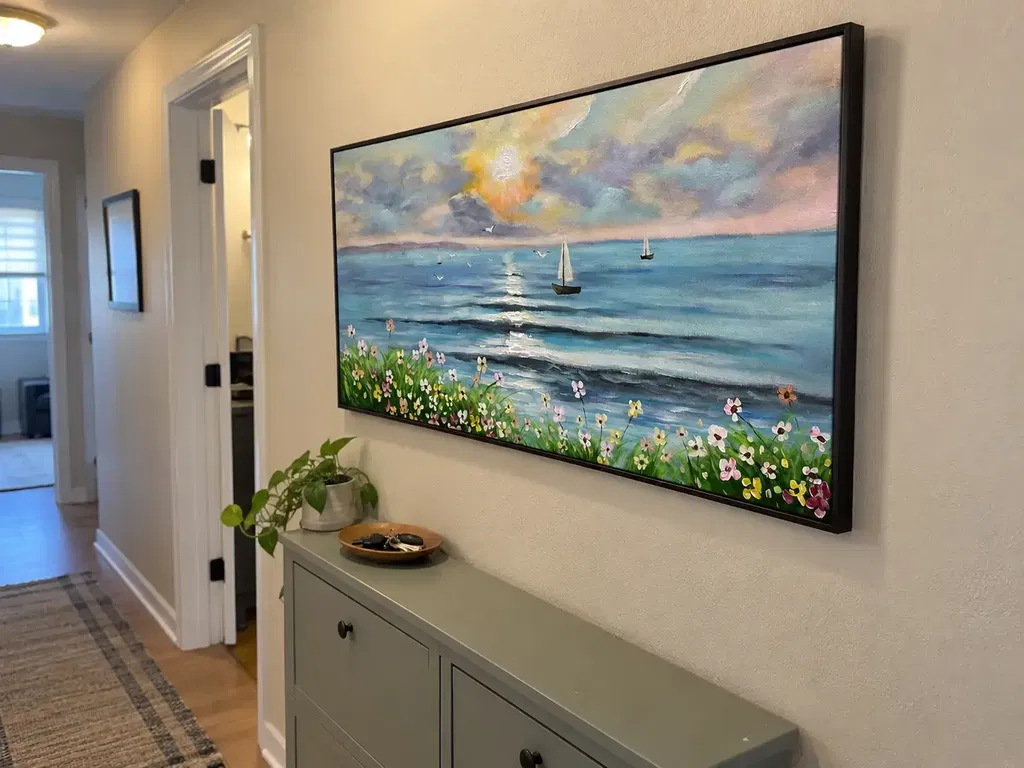
- Entryways
- Hallways
- Corners
- Staircase walls
Vertical compositions help guide the eye upward, making ceilings feel taller and spaces feel less compressed.
This is one reason many designers use vertical textured wall art in transitional areas.
How Designers Use Texture to Make Rooms Feel More Expensive
One of the most common designer techniques is mixing smooth and textured surfaces together.
Modern interiors often contain:
- Smooth walls
- Soft fabrics
- Matte finishes
- Minimal furniture
Without texture, the room can feel visually flat.
Adding textured artwork introduces contrast that immediately creates a more layered and luxurious environment.
Here’s how texture changes the perception of a room:
| Without Texture | With Texture |
| Flat visual appearance | More dimensional |
| Less visual warmth | Warmer atmosphere |
| Generic décor feel | Designer-inspired look |
| Less light interaction | Dynamic shadows/highlights |
| Simpler styling | More refined aesthetic |
This is why textured wall art is commonly used in luxury interior design projects.
How to Choose the Right Textured Wall Art
Consider Room Size
Larger rooms usually benefit from:
- Oversized artwork
- Heavy texture
- Bold scale
Smaller spaces often work better with:
- Softer textures
- Simpler compositions
- Lighter tones
Match the Color Palette
Your artwork should complement the room rather than compete with it.
For modern homes, the safest choices are:
- Neutral palettes
- Earth tones
- Warm whites
- Soft black accents
Pay Attention to Lighting
Texture becomes more visible under directional lighting.
Natural light and wall sconces can dramatically enhance the artwork’s depth.
Choose Real Texture Over Printed Texture
Some prints imitate texture visually but remain completely flat.
Real textured artwork creates actual dimension and produces a much richer result in person.
Common Mistakes to Avoid
Many homeowners accidentally reduce the impact of textured artwork by:
- Choosing pieces that are too small
- Overcrowding walls with multiple items
- Mixing too many styles together
- Ignoring wall scale
- Using overly glossy frames
Textured pieces usually work best when given enough negative space to breathe.
Frequently Asked Questions
What is textured wall art?
Textured wall art uses raised materials, brushwork, layering, or sculptural techniques to create physical depth on the surface of the artwork.
Why is textured wall art popular?
It adds warmth, dimension, and a more luxurious feel compared to flat canvas prints.
Is textured wall art good for modern interiors?
Yes. It works especially well in modern, minimalist, and contemporary spaces because it adds visual interest without excessive decoration.
What rooms work best with textured artwork?
Living rooms, bedrooms, entryways, dining rooms, and hallways all work well with textured art.
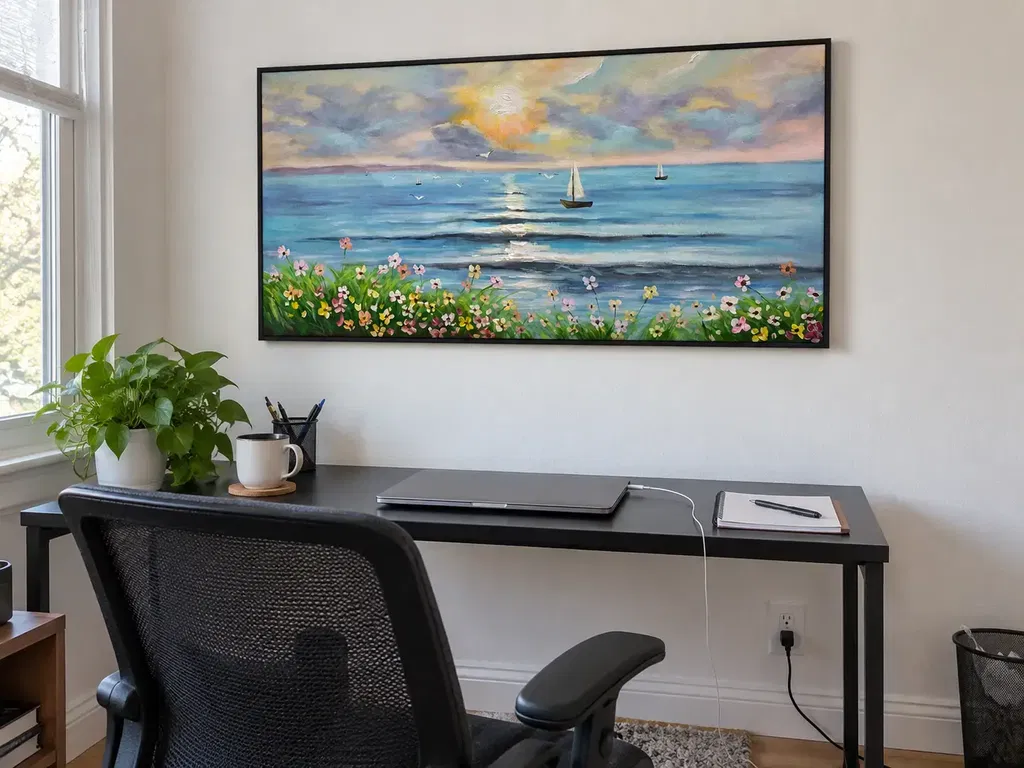
Are hand-painted oil paintings better than printed canvas art?
In most cases, yes. Hand-painted artwork offers more depth, uniqueness, and material richness.
Future Trends: Texture Is Replacing Flat Décor
Interior design trends are increasingly moving toward:
- Organic materials
- Handmade finishes
- Layered interiors
- Warm minimalism
- Artistic texture
As homes become more minimal, texture plays an even bigger role in preventing spaces from feeling cold or unfinished.
This is why textured wall art continues to grow in popularity across modern interiors.
Final Thoughts: Texture Changes the Entire Feel of a Room
The right artwork does more than decorate a wall.
It influences how a room feels.
Textured wall art adds depth, warmth, movement, and sophistication in a way that flat prints often cannot achieve.
Whether you prefer oversized abstract paintings, neutral textured pieces, or hand-painted oil artwork, adding texture is one of the easiest ways to elevate a modern home.
Ready to Add More Depth to Your Space?
Browse our curated collection of textured wall art, hand-painted oil paintings, and oversized modern artwork designed to bring warmth, dimension, and a refined designer feel into your home.
Or request a custom textured painting tailored to your space, color palette, and interior style.