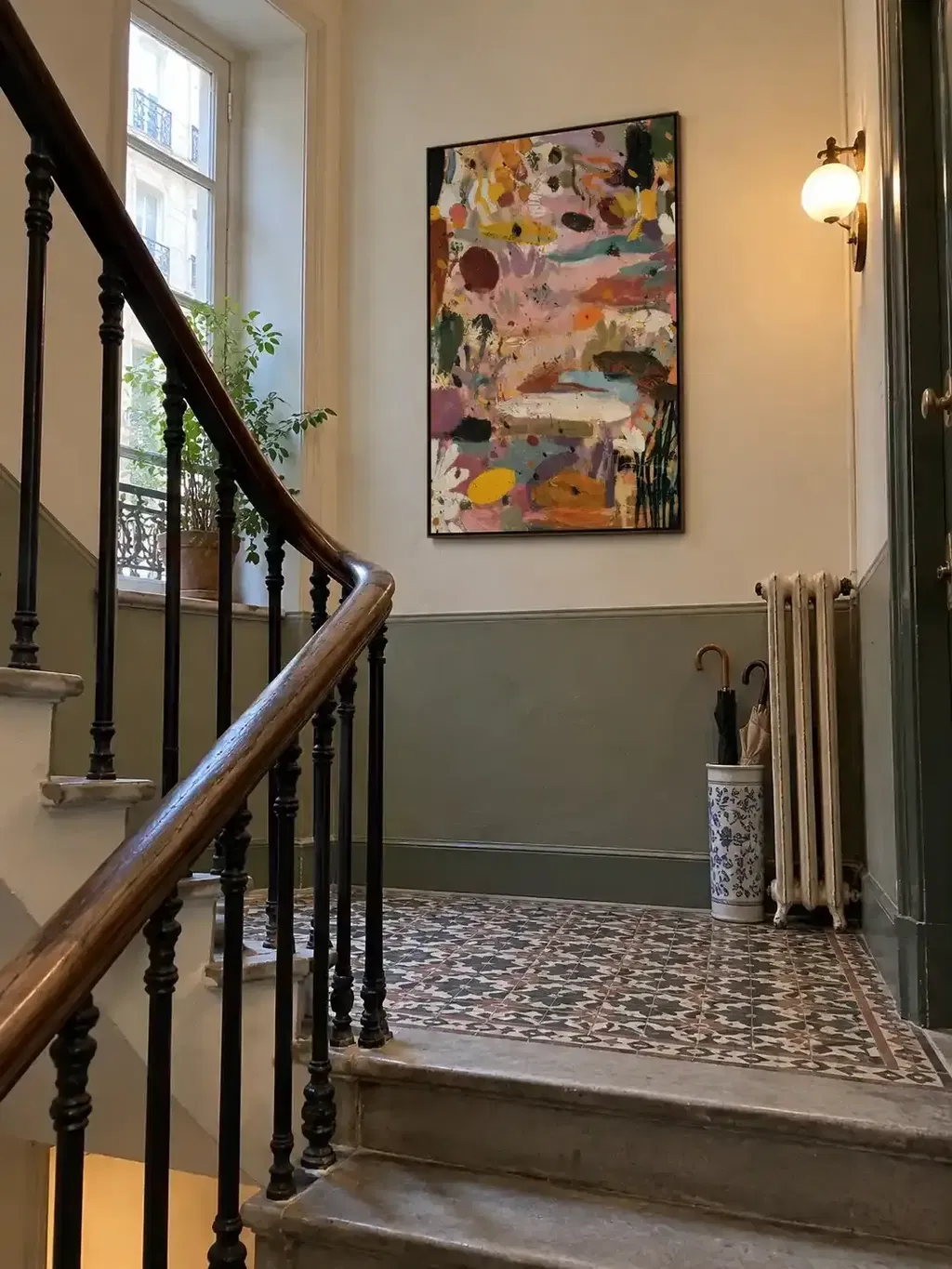
Introduction: Why Dining Room Wall Art Matters More Than Most People Think
The dining room is one of the most social spaces in a home, but it is often the most overlooked when it comes to wall décor. The right dining room wall art can transform an empty wall into a focal point, adding warmth, personality, and balance to the entire space. From oversized modern paintings to textured wall art, the right piece can make your dining area feel more intentional and professionally designed.
Why Wall Art Is Essential in a Dining Room
Dining rooms often contain large empty walls that can make the space feel cold or visually disconnected.
Artwork helps solve this problem by creating:
- A stronger focal point
- Better visual balance
- More warmth and personality
- A designer-inspired atmosphere
- Improved connection between furniture and architecture
Unlike smaller decorative accessories, large wall art for dining rooms has the ability to influence the entire mood of the space.
This is especially important in open-concept homes where the dining room is visible from the kitchen or living area.
Well-chosen artwork helps create flow and cohesion between connected spaces.
What Type of Wall Art Works Best in Dining Rooms?
Not every style of artwork works equally well in dining spaces.
Dining rooms usually benefit from pieces that feel:
- Sophisticated
- Relaxing
- Balanced
- Visually clean
- Large enough to anchor the room
The most effective choices often include texture, oversized scale, and cohesive color palettes.
Here’s a quick overview:
| Wall Art Style | Best For | Visual Effect |
| Oversized Abstract Art | Modern dining rooms | Bold focal point |
| Textured Oil Paintings | Luxury interiors | Depth and elegance |
| Neutral Artwork | Minimalist spaces | Calm atmosphere |
| Coastal-Inspired Art | Bright airy rooms | Relaxed feeling |
| Black & White Art | Contemporary homes | Clean contrast |
| Warm-Tone Artwork | Cozy dining areas | Inviting atmosphere |
Best Dining Room Wall Art Ideas
Oversized Wall Art Above the Dining Table
One large artwork is often the simplest and most effective solution for dining rooms.
Oversized artwork helps:
- Fill empty wall space properly
- Create visual symmetry
- Make the room feel professionally styled
- Reduce clutter from multiple smaller pieces
Large horizontal artwork works especially well above rectangular dining tables because it visually mirrors the shape of the furniture below.
Many interior designers recommend oversized pieces because they create a stronger sense of scale and sophistication.

Textured Wall Art for a More Luxurious Feel
If your dining room feels flat or lacks depth, textured artwork can make a dramatic difference.
Unlike flat canvas prints, textured wall art introduces:
- Visible brushwork
- Layered dimension
- Light reflection
- A handcrafted appearance
These qualities help the room feel more refined and high-end.
Texture is especially effective in modern dining rooms that feature smooth surfaces like glass, stone, or matte-painted walls.
The contrast between clean architecture and textured artwork creates a much richer visual experience.
Neutral Wall Art for Modern Dining Rooms
Neutral palettes remain one of the most popular choices in modern interiors because they are timeless and versatile.
Colors like:
- Beige
- Ivory
- Warm white
- Taupe
- Soft gray
work beautifully in dining spaces because they create a calm and welcoming atmosphere without overpowering the room.
Neutral hand-painted oil paintings also pair well with a wide variety of furniture finishes, including:
| Furniture Finish | Best Neutral Artwork Match |
| Light Oak | Beige and cream tones |
| Walnut Wood | Warm taupe and brown |
| Black Dining Tables | Soft gray and ivory |
| Marble Surfaces | White textured artwork |
| Gold Accents | Warm neutral palettes |
This flexibility makes neutral artwork one of the safest long-term investments for dining room décor.
Abstract Wall Art for Contemporary Interiors
Abstract artwork works particularly well in dining rooms because it feels sophisticated without becoming visually distracting.
Unlike highly detailed imagery, abstract art allows the room to feel:
- More open
- More modern
- More balanced
Modern abstract paintings with texture and movement are especially popular because they create depth while still maintaining a minimalist aesthetic.
This is one reason many luxury interior designers prefer abstract artwork over traditional decorative prints.
Warm-Tone Artwork for Cozy Dining Spaces
Dining rooms should feel welcoming and comfortable.
Warm-toned artwork helps create this atmosphere naturally.
Popular warm tones include:
- Terracotta
- Sand
- Soft brown
- Rust
- Warm beige
These colors pair beautifully with:
- Wooden dining tables
- Warm lighting
- Earth-toned interiors
- Linen textures
Warm palettes also tend to make dining rooms feel more intimate and inviting, especially in the evening under ambient lighting.

Vertical Artwork for Smaller Dining Rooms
Not every dining room has enough width for oversized horizontal art.
Vertical pieces are ideal for:
- Apartment dining spaces
- Narrow dining areas
- Smaller walls between windows or furniture
Vertical artwork helps guide the eye upward, making the room feel taller and more open.
Coastal Dining Room Wall Art for Relaxed Interiors
Coastal-inspired artwork has become increasingly popular in modern American homes because it creates a calm and airy atmosphere.
Popular coastal themes include:
- Ocean-inspired textures
- Soft blue palettes
- Sand-colored abstract art
- Wave-inspired paintings
These styles work especially well in homes with:
- Natural lighting
- Open floor plans
- Neutral furniture palettes
Textured coastal wall art adds a relaxed luxury feel without looking overly themed.
How to Choose the Right Dining Room Wall Art
Choose the Right Size
One of the most common decorating mistakes is choosing artwork that is too small.
As a general guideline:
- Artwork should span around 60–75% of the table width
- Oversized walls often require larger pieces than expected
- Large dining rooms benefit from bold scale
Small artwork on a large wall can make the room feel unfinished.
Match the Room’s Color Palette
Your artwork should support the room’s existing tones rather than compete with them.
Here’s a quick color guide:
| Dining Room Style | Recommended Art Colors |
| Minimalist | Cream, ivory, beige |
| Luxury Modern | Black, taupe, textured neutrals |
| Coastal | Soft blue, sand, white |
| Warm Contemporary | Terracotta, brown, warm gray |
| Scandinavian | Soft neutral earth tones |
Consider Lighting Conditions
Dining rooms often have dramatic lighting fixtures.
Textured artwork performs especially well under:
- Pendant lighting
- Wall sconces
- Natural daylight
The shadows and highlights created by texture help the artwork feel more dynamic throughout the day.
Prioritize Texture Over Excess Decoration
Many homeowners try to decorate dining rooms with multiple small decorative items.
In most cases, fewer larger pieces create a cleaner and more sophisticated result.
This is one reason oversized textured paintings often outperform gallery walls in modern dining spaces.
Dining Room Wall Art: Oil Paintings vs Canvas Prints
Many homeowners wonder whether they should choose printed canvas art or real oil paintings.
Here’s the difference:
| Feature | Hand-Painted Oil Paintings | Canvas Prints |
| Texture | Real physical depth | Flat surface |
| Appearance | More luxurious | Simpler |
| Uniqueness | One-of-a-kind details | Mass-produced |
| Lighting Interaction | Dynamic shadows/highlights | Minimal |
| Long-Term Value | Higher perceived quality | More decorative |
For homeowners looking to create a more elevated and designer-inspired dining room, textured oil paintings usually create the strongest visual impact.
Common Dining Room Wall Art Mistakes
Avoid these common issues:
- Choosing artwork that is too small
- Hanging art too high above the table
- Mixing too many unrelated styles
- Overcrowding the walls
- Ignoring texture and material quality
A cleaner and more intentional approach almost always creates a more elegant result.
Frequently Asked Questions
How high should dining room wall art be hung?
Most artwork looks best when the center of the piece is around eye level. For artwork above a dining table, leave enough space between the table surface, lighting fixtures, and the bottom of the artwork so the area feels connected but not crowded.
Should dining room artwork be horizontal or vertical?
The best orientation depends on the wall and furniture layout. Horizontal artwork usually works well above long dining tables because it follows the shape of the furniture, while vertical pieces can help narrow dining areas feel taller and more balanced.
How do I choose artwork that matches my dining room style?
Start with the overall atmosphere you want to create. Modern dining rooms often work well with abstract paintings and textured artwork, while warmer spaces may benefit from natural tones, organic forms, or landscape-inspired pieces.
The artwork should support the room’s mood rather than compete with existing furniture and lighting.
Can wall art make a small dining room look bigger?
Yes. Artwork with the right scale and composition can influence how spacious a dining area feels. Light-colored paintings, vertical artwork, and pieces with open compositions can help create a more visually open atmosphere.
What frame style works best for dining room artwork?
The frame should complement both the artwork and the interior style. Minimal black frames often suit modern spaces, natural wood frames work well with warm interiors, and frameless textured paintings can create a cleaner contemporary look.
How do I protect artwork in a dining room?
Dining areas may experience changes in temperature, humidity, and occasional food splashes. Choosing quality materials, avoiding direct sunlight exposure, and keeping artwork away from areas with excessive moisture can help maintain its appearance over time.
How many pieces of artwork should be placed in a dining room?
The ideal number depends on the size of the wall and the visual weight of the artwork. In many modern dining spaces, one large statement piece creates a stronger and cleaner effect than several smaller artworks competing for attention.
Is custom artwork a good option for dining rooms?
Custom artwork can be a good choice when standard sizes or colors do not fit the space. It allows homeowners to match the artwork dimensions, palette, and style with the specific dining room design.