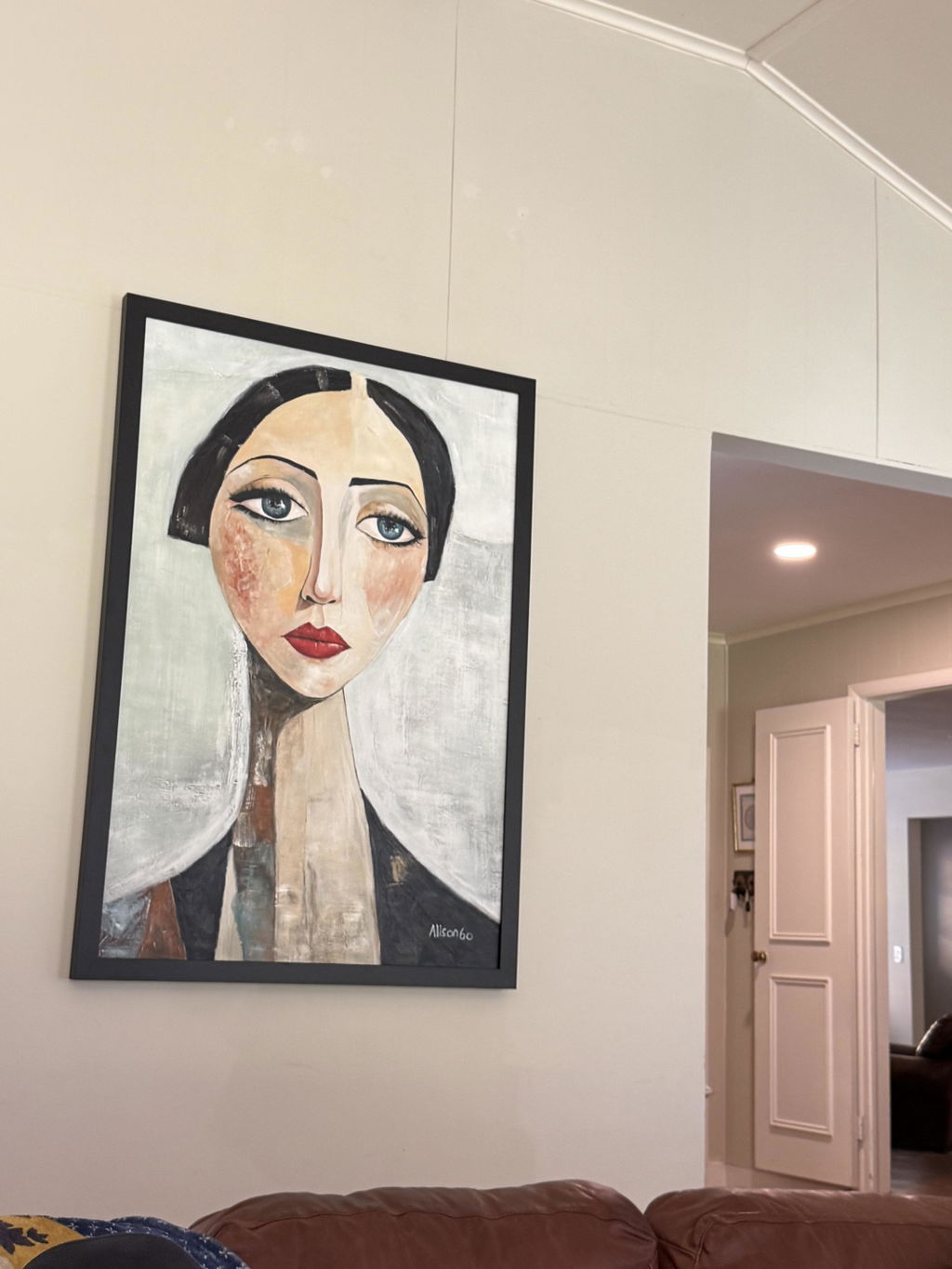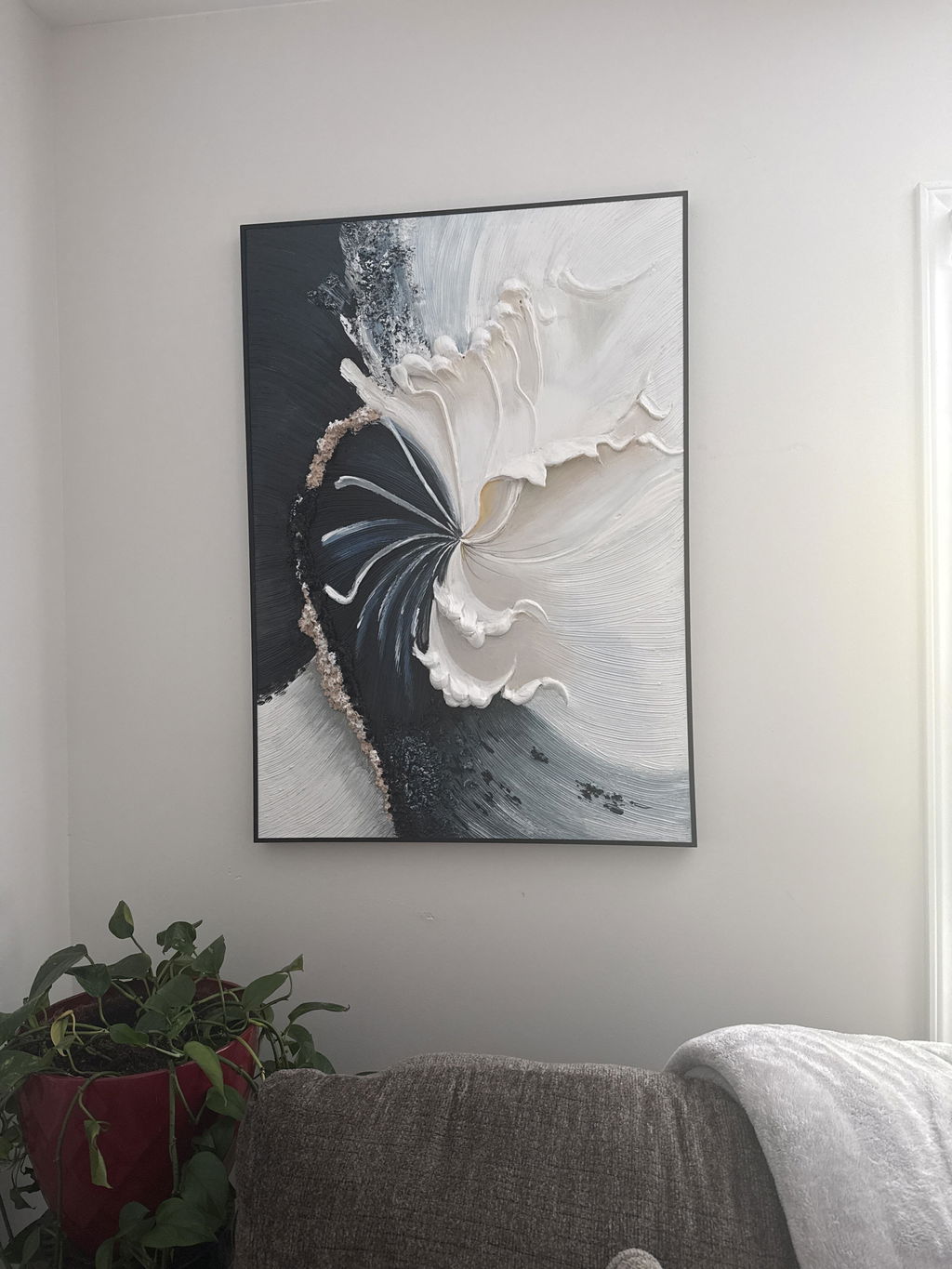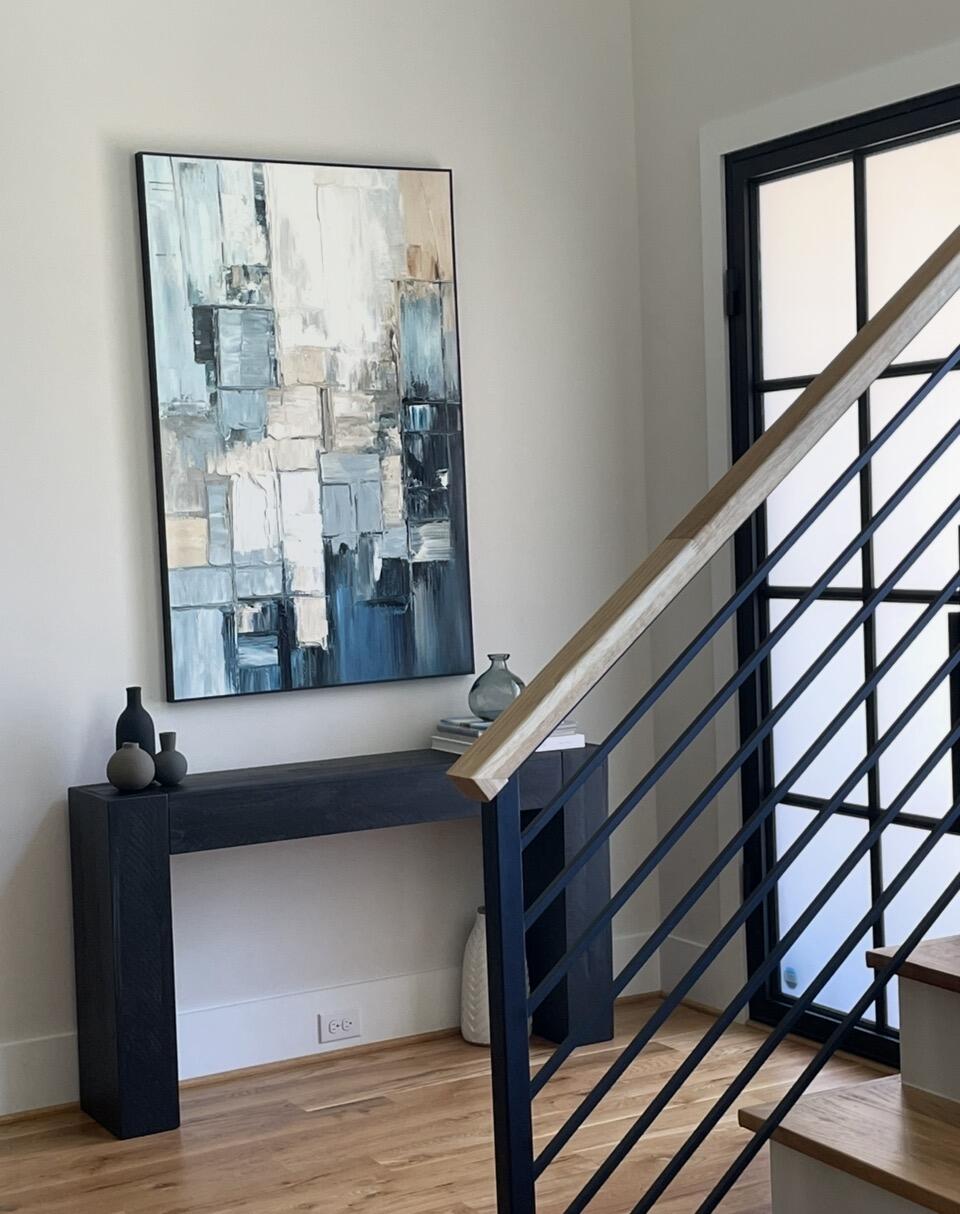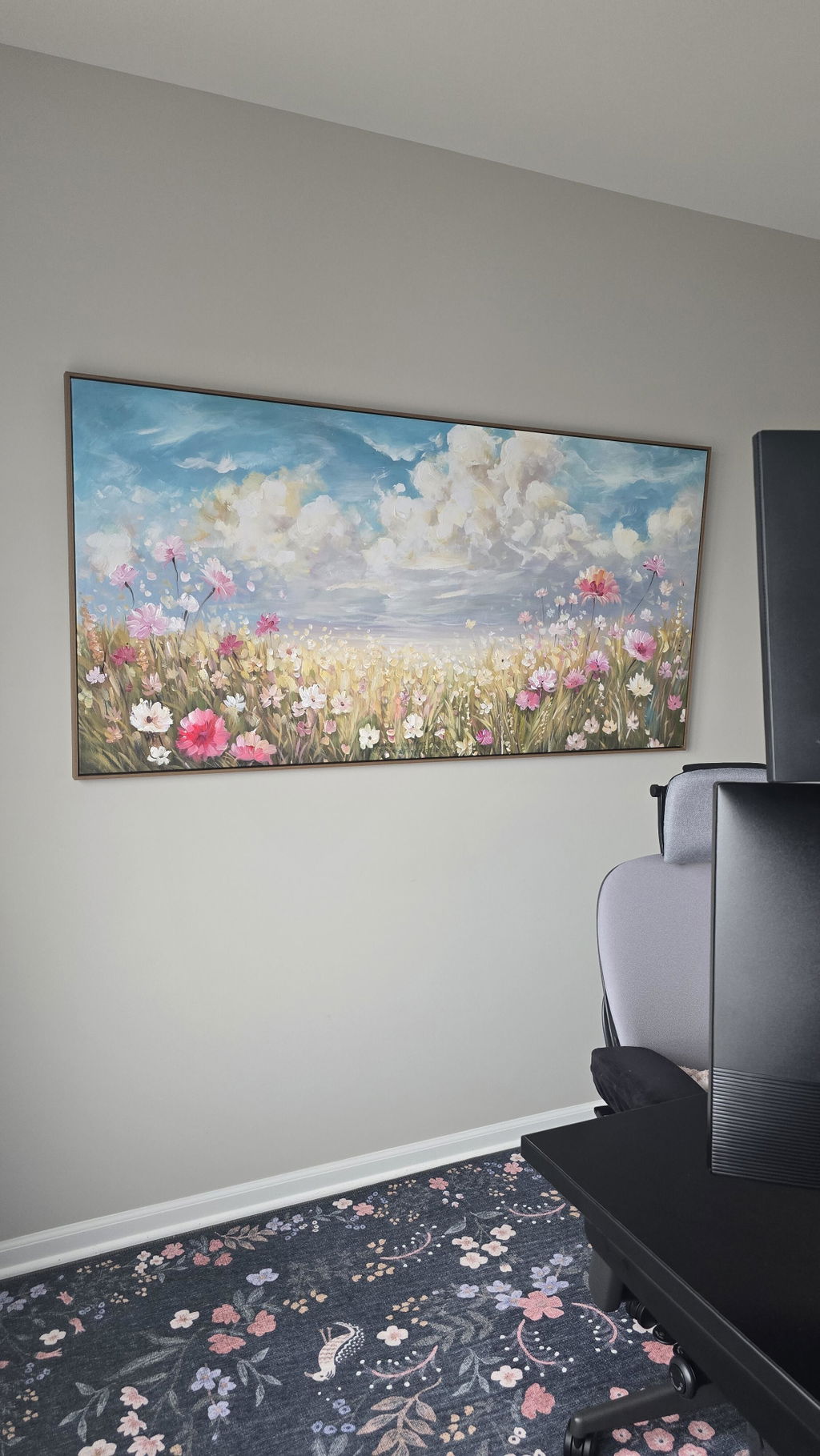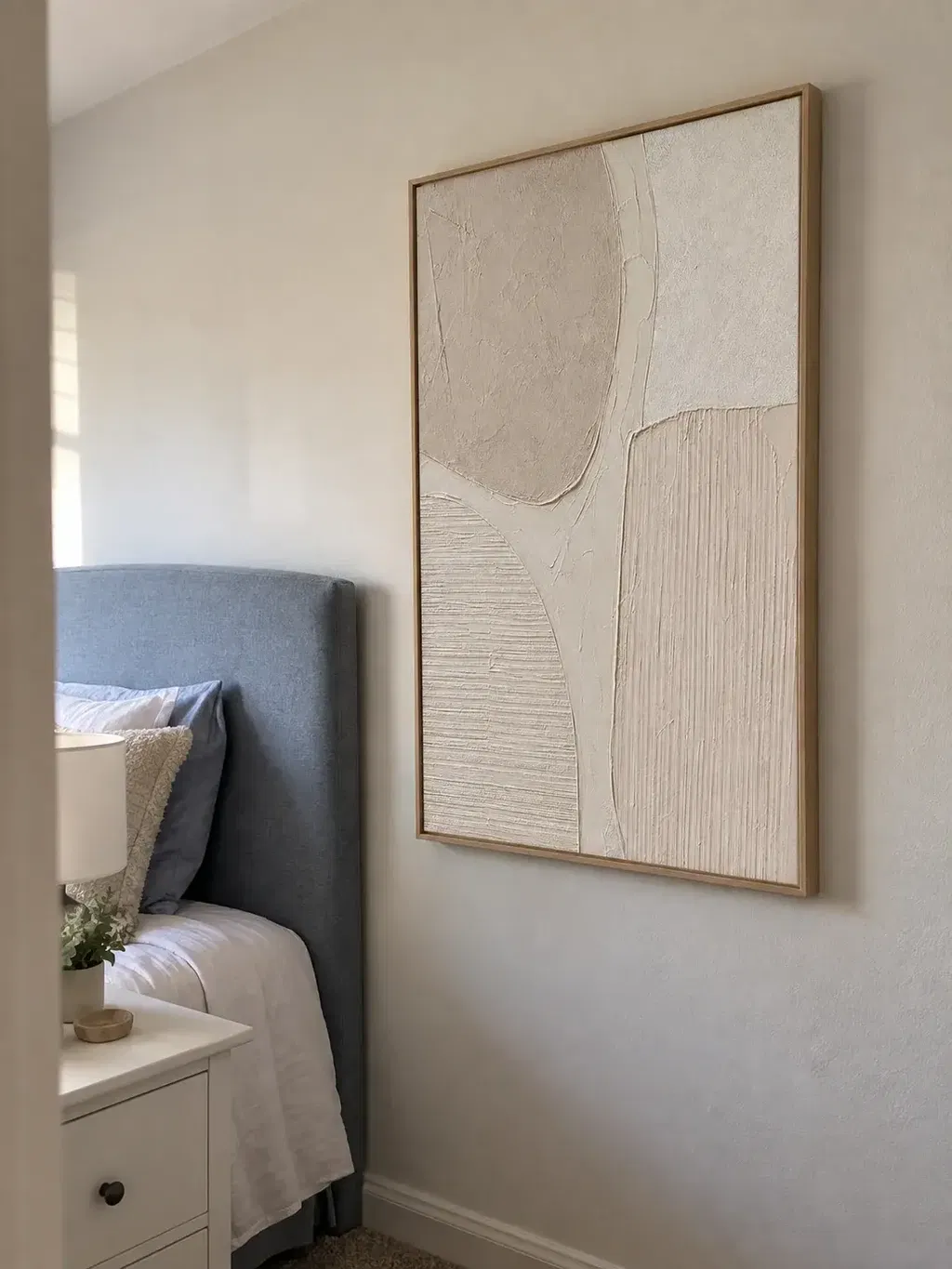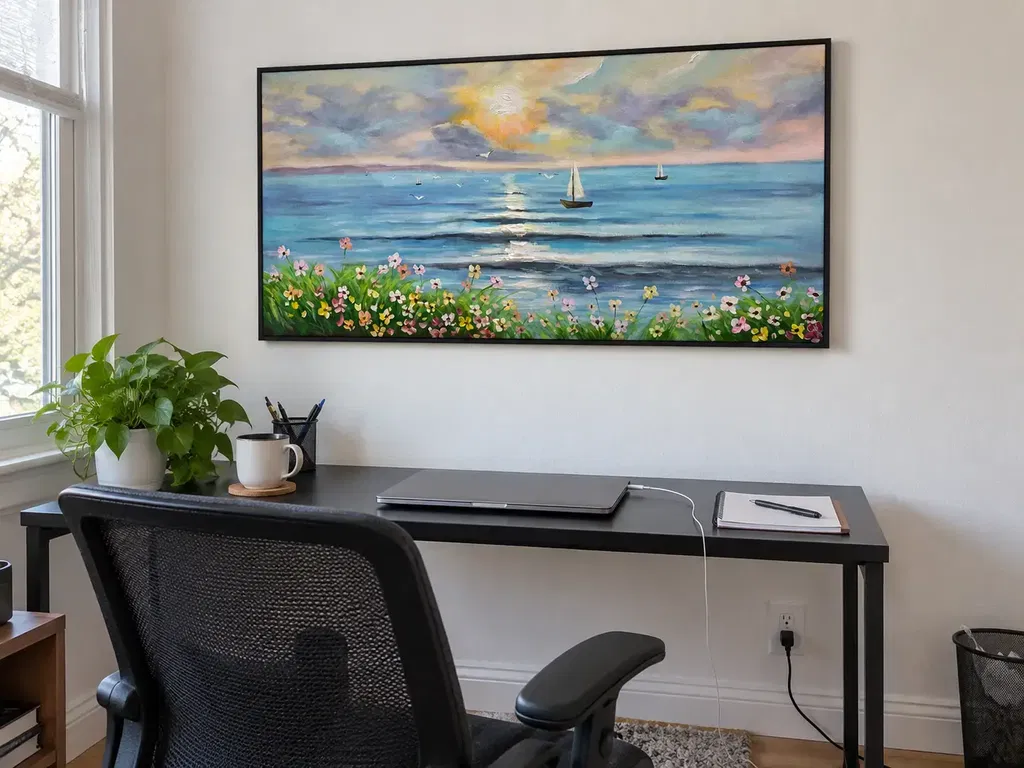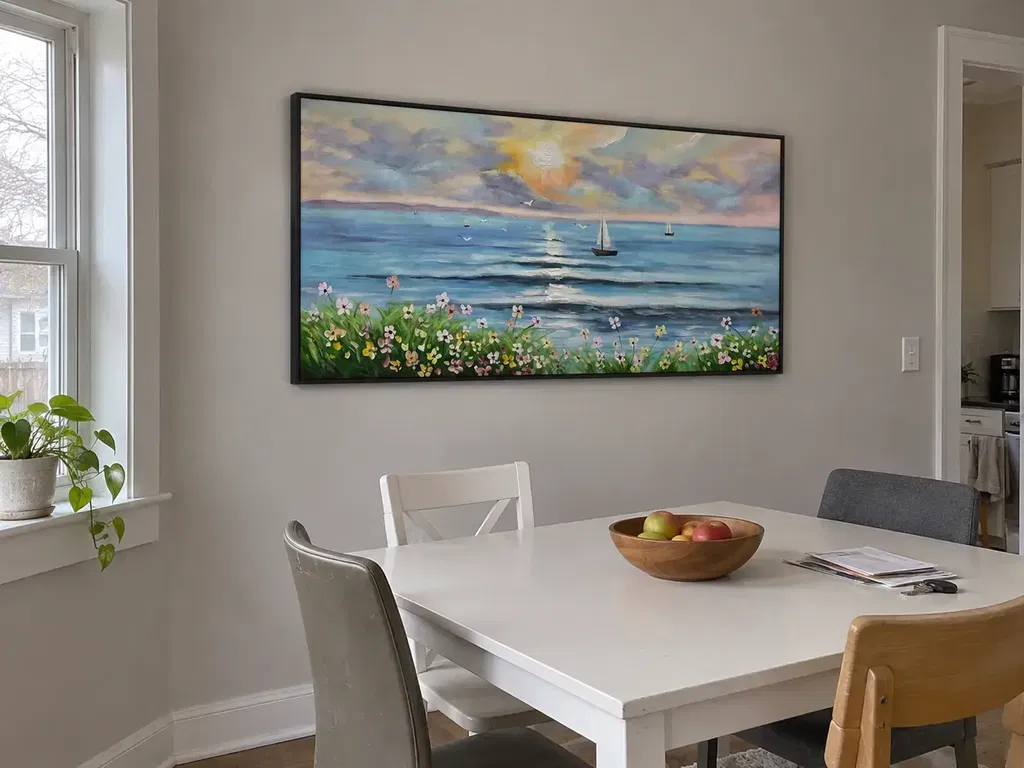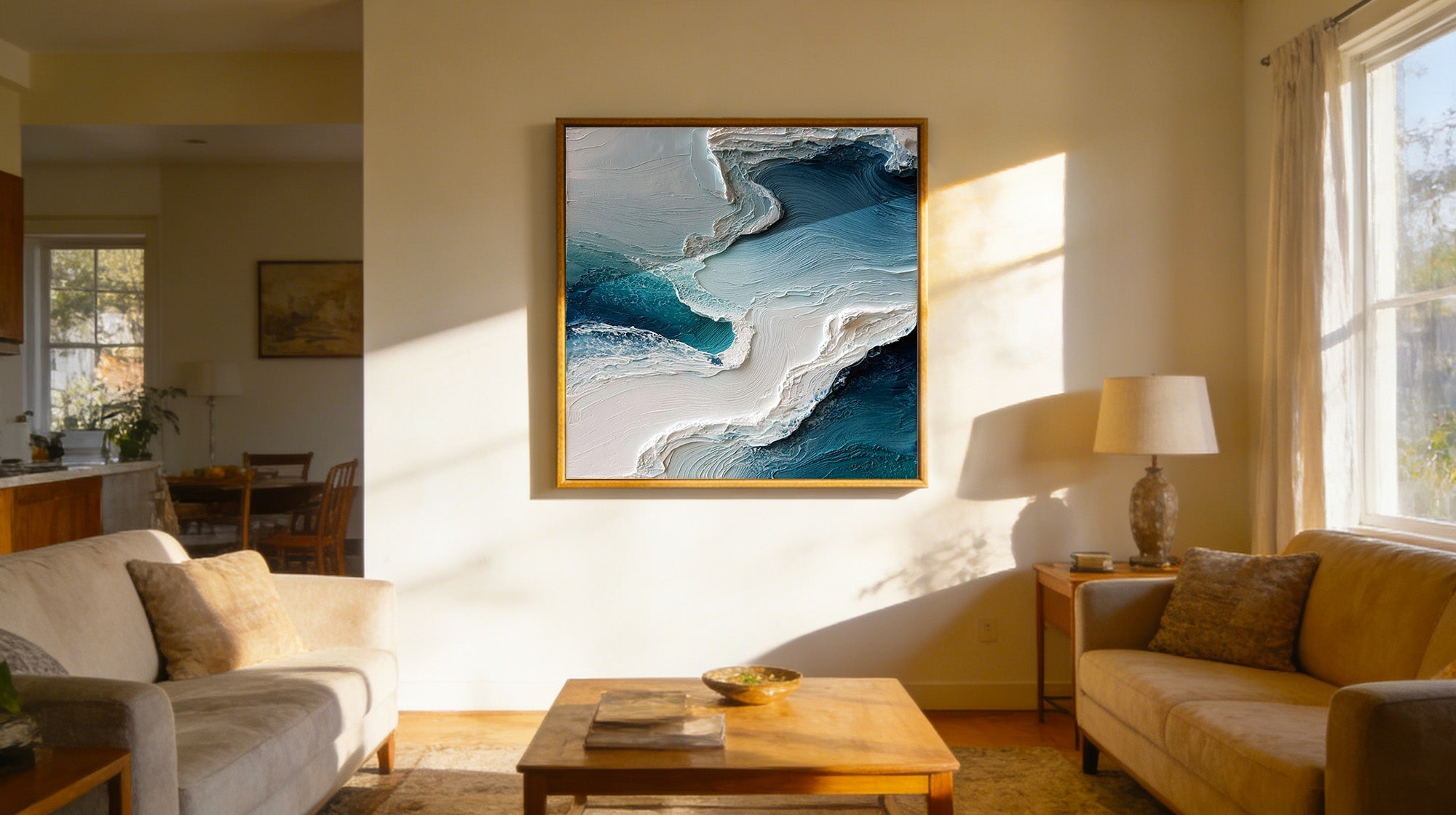
Watching vibrant colors dance in the sunlight makes your mood as bright as the morning rays. But wait! Did you know that sunlight is actually one of the biggest threats to the longevity of artwork?
How Sunlight Actually Damages Your Paintings
Sunlight contains ultraviolet (UV) radiation, visible light, and infrared radiation (heat). Of these, UV radiation is the most harmful to wall paintings.
When UV rays hit a painting, they trigger a chemical reaction called photochemical degradation. This actually changes the structure of the paint and canvas from the inside out. Unlike dust or dirt, which can be wiped away, sun damage is permanent.
For oil paintings, the damage can show up in two ways.
First, the chemical bonds in the colors break down, causing them to fade or shift.
Second, the heat from direct sunlight can dry out the oils much faster. While high-quality, heavy-texture oil paints are robust, constant exposure to UV rays speeds up the aging process, eventually making a vibrant art piece into a dull one.

What Will Happen to Your Sun-Damaged Paintings
- Vibrant colors fade: Warm tones like reds, oranges, and browns are the first to lose the colors. If your paintings face the direct sunlight for a long time, maybe only blue can survive, as blue pigments are the only ones stubborn enough to resist UV rays for long.
- The surface turns yellow: Intense sunlight will "cook" the materials, causing paper, mats, and even protective varnishes to turn yellow or brown. This will eventually make the artwork look aged and dirty.
- "Chalking": The paint itself breaks down in long-time sun exposure, leaving a fine, powdery residue on the surface.
- Details become murky, too: Eventually, the crispness of the image dissolves. The overall picture will appear cloudy or unclear.
How to Hang Pictures to Avoid Sun Damage
Sun damage accumulates silently. By the time you spot these signs with the naked eye, the sun has already harmed your art.
So before that, display your art in the right ways and places.
1. Avoid Direct Sunlight
Never hang a valuable painting on a wall that receives direct beams of sunlight, even for just an hour a day. The "golden hour" sun is intense and damaging.
2. Choose North-Facing Walls
If you have windows facing north, the light coming through is usually indirect and softer. This is the safest natural light for living room wall art. South-facing windows (in the Northern Hemisphere) let in the most intense, direct light and should be managed carefully.
3. Utilize Interior Hallways
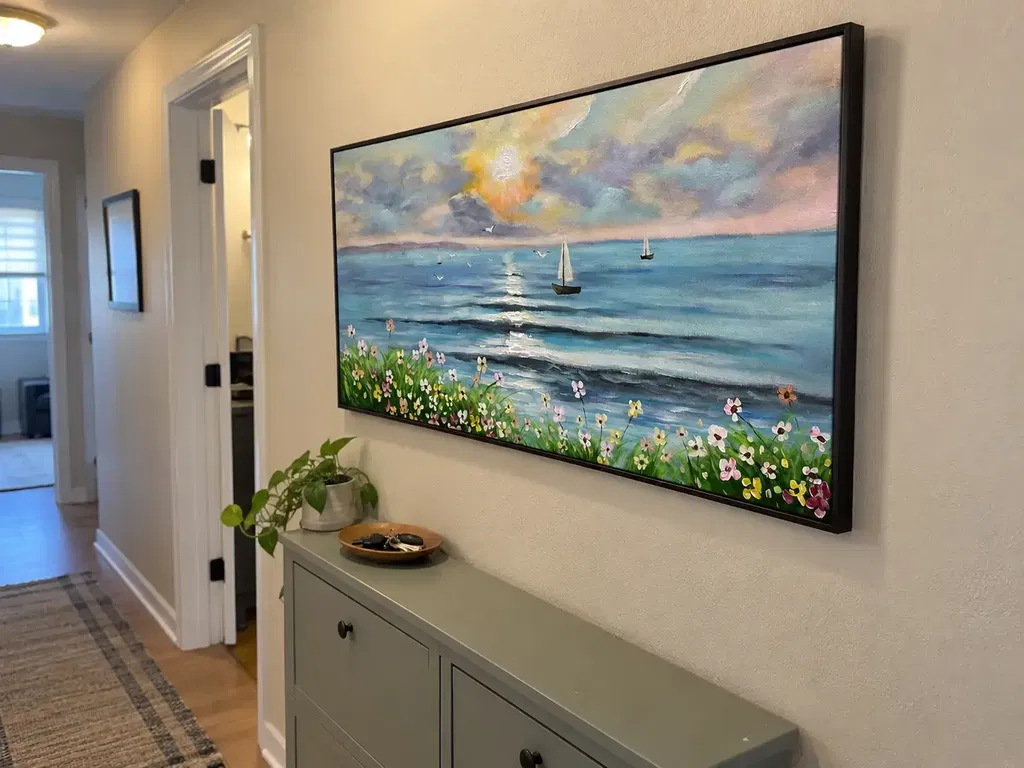
Hallways and corridors are excellent galleries for original art because they rarely have windows directly opposite the hanging space. This protects the work from UV rays while still allowing it to be a focal point of the home.
4. The "Hand Test"
Not sure if a spot is too bright? Place your hand on the wall where you want to hang the art at the brightest time of day. If you feel heat on your hand, it is too hot and too bright for an oil painting.

Using Proper Frames for UV Protection
When you invest in framed canvas wall art, the frame serves as more than just a decorative border; it is a protective shelter.
UV-Filtering Glazing
If you are framing a work on paper or a canvas that fits behind glass, opt for museum-quality glass or acrylic. Standard glass reflects only about 47% of UV rays, whereas museum-grade glazing can block up to 99% of harmful UV radiation without distorting the visual clarity of the artwork.
To Glaze or Not to Glaze Oil Paintings?
Traditionally, most oil paintings are displayed without glass. This lets the paint "breathe" and shows off the natural texture. But as there is no glass to act as a shield, you must be extra careful about where you hang the artwork, as we mentioned earlier.
However, if you must hang an oil painting in a brighter room, ask a framer for a "shadow box." This frame uses a special UV cover that sits away from the canvas. It protects the art from the sun without crushing the thick, beautiful paint.
Other Environmental Threats to Your Painting
Heat and Humidity
- Sunlight brings heat. High temperatures can cause the canvas to slacken or the wood stretcher bars to warp.
- High humidity can lead to mold growth, while low humidity can cause paint to crack.
So to protect your art, aim for a stable environment—ideally around 70°F (21°C) with 50% relative humidity.
Dust and Pollutants
Airborne dust settles on the texture of oil paintings over time. This brings us to a common question: how to clean an oil painting.
Cleaning Tips:
- Do: Use a very soft, dry natural hair brush (like a large makeup brush or a badger hair brush). Gently flick the dust off the surface.
- Don't: Never use water, damp cloths, feather dusters (which catch on textured paint), or chemical cleaning sprays. These can trap moisture against the paint or strip away the varnish.
The Art Preservation Checklist
To ensure your collection remains a legacy for future generations, follow this quick checklist:
- Audit Your Walls: Check the path of the sun in your rooms at different times of the day and year.
- Rotate Your Collection: Just like museums do, consider rotating your art. Swap living room wall art with pieces in darker rooms every few months to give them a "rest" from light exposure.
- Install Window Treatments: Use UV-blocking window films or sheer curtains to filter out harmful rays while still keeping your room bright.
- Switch to LED Lighting: If you use picture lights, ensure they are LED. Old incandescent bulbs emit high heat and UV radiation; LEDs are cool and UV-free.
- Inspect Regularly: Once a year, take the painting down to check the back for mold or bugs and inspect the front for any new cracks.

MontCarta Arts Are Made to Last
Lasting beauty starts with the quality of the art itself. At MontCarta, we define true luxury as craftsmanship that stands the test of time. Unlike factory-made prints that fade quickly, our artists hand-paint every piece in our collection.
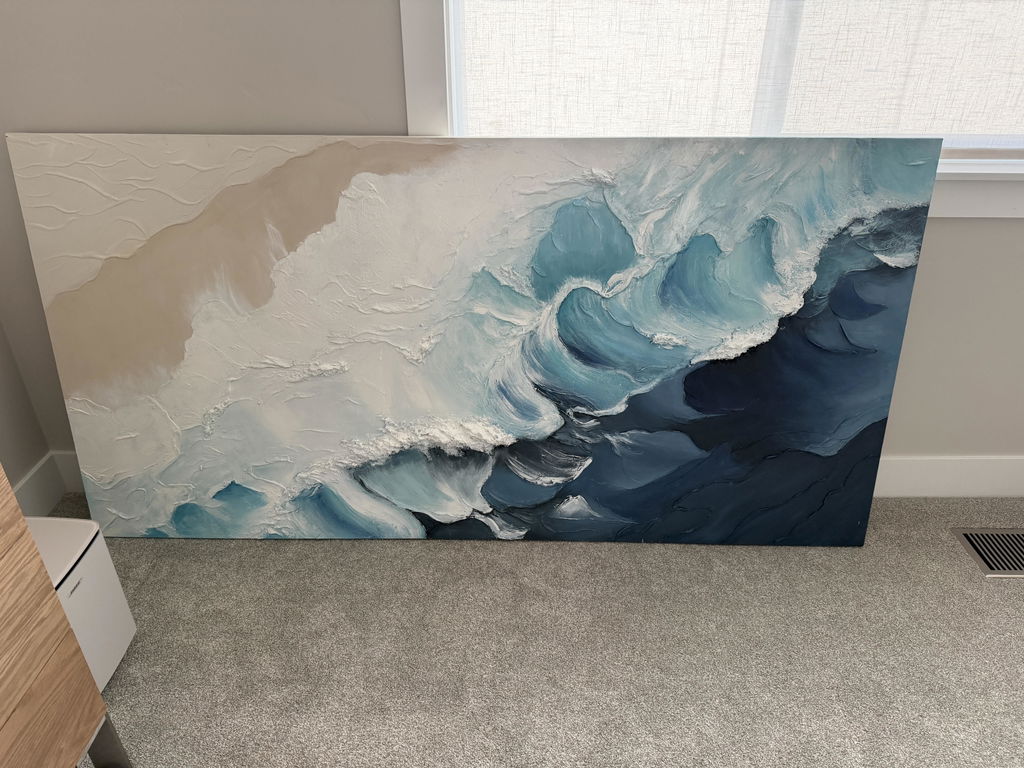
We use rich, high-quality oils that resist fading and create incredible depth. For example, our artists build the Ocean Whispers seascape with thick, textured layers of paint. This heavy texture gives the artwork a durability that thin, machine-printed canvases simply cannot match.
We craft pieces like Misty Shores using professional materials that keep colors true for decades. Plus, since we paint every piece to order and ask for your approval via photo and video before shipping, you can be sure you are getting a durable, authentic masterpiece.
Bring Home Art Designed to Endure
Natural light might make your art look beautiful in the moment, but it is a silent threat to its longevity. From fading colors to drying oils, the damage caused by UV rays and heat is permanent. With care and proper placement, you can preserve the vibrancy of your paintings.
If you are looking to elevate your space with durable, hand-painted masterpieces that redefine modern luxury, explore the curated collections at MontCarta. From the texture of the brushstrokes to the vibrancy of the pigments, discover art that is built to be cherished.
FAQs about Art Protection
Q1: Can I fix an artwork that has been damaged by the sun?
Most of the time, fading caused by UV light can't be fixed. A skilled art conservator, however, might be able to repair areas of paint loss or clean up varnish that has become discolored. Because it is delicate and often costs a lot, the best approach is prevention in the first place.
Q2: Do LED lights damage paintings?
No, LED lights don't damage paintings. In fact, they are currently the best way to light art. LEDs don't give off as much UV radiation or heat as halogen or incandescent bulbs do, so they're great for highlighting your wall paintings without damaging them.
Q3: Is reflected sunlight as bad as direct sunlight?
While reflected light is not as harmful as direct sunlight, it still contains UV rays. Although it is better to hang art in indirect light, high levels of daylight can still cause it to fade slowly over time. Window film that blocks UV rays is a great idea for rooms that are very bright.
Q4: How do I store works that I'm not displaying right now?
Paintings should be kept vertically, not stacked flat, in a dark, climate-controlled closet.
And stay away from attics and basements where the temperature and humidity change a lot. A dry cotton sheet can be placed over them to keep dust off.