You're in your living room and looking up at the big, empty wall above your couch. There is a lot of promise in that space, but it can be hard to figure out how to use it. If you choose the right art, it can change the whole room and give your house a story. A triptych might be the right piece for you if you want something that is both classic and modern. But how do you pick the right pictures for a beautiful three-piece show?
What Is Triptych Wall Art?
Simply put, triptych wall art is a single piece of art displayed across three separate panels. The name comes from the Greek word triptykhos, meaning "three-fold". This art form has a long history, dating back to ancient Roman writing tablets and becoming popular as altarpieces in medieval churches. Originally, these three-panel pieces told powerful biblical stories, with two outer "wings" that could fold inward to protect the main image.
Today, the triptych has moved from churches into modern homes. This three piece wall art is a stylish way for artists and designers to make a bold statement, create an eye-catching focal point, and add character to any room.

The Power of Three: Why Choose a Triptych for Your Space?
There's a reason why three-panel art feels so balanced and pleasing to look at. It's all thanks to a design trick called the "Rule of Three," which says that things grouped in odd numbers are more visually appealing than even-numbered groups. Our brains are naturally drawn to patterns, and three is the smallest number needed to create one, giving us a sense of completion.
Here's why choosing a triptych artwork is such a great design choice:
- Creates a Sense of Flow: Unlike a single painting, a triptych encourages your eye to travel from one panel to the next. The small gaps between the canvases create a visual rhythm that makes the artwork feel more dynamic and engaging.
- Tells a Bigger Story: The three-panel format is perfect for storytelling. It can show a beginning, middle, and end, or look at one subject from three different angles. This adds depth to the art and makes it a natural conversation starter.
- Adds Dimension to a Room: A large triptych can act like a set of windows, breaking up a plain wall and adding depth. A horizontal layout can make a room feel wider, while a vertical one can make the ceiling seem higher.
- Makes a Bold Statement: Triptychs are ideal for filling large, empty walls, like the space above a king-sized bed, a long sofa, or a dining room table. While a single piece might get lost on a big wall, a 3 piece wall art set grabs attention and anchors the entire room.

One Image or Three? Understanding the Two Main Triptych Styles
When selecting images for a triptych, you'll find two main approaches. Understanding the difference is key to choosing the perfect piece for your home.
1. The Continuous Triptych
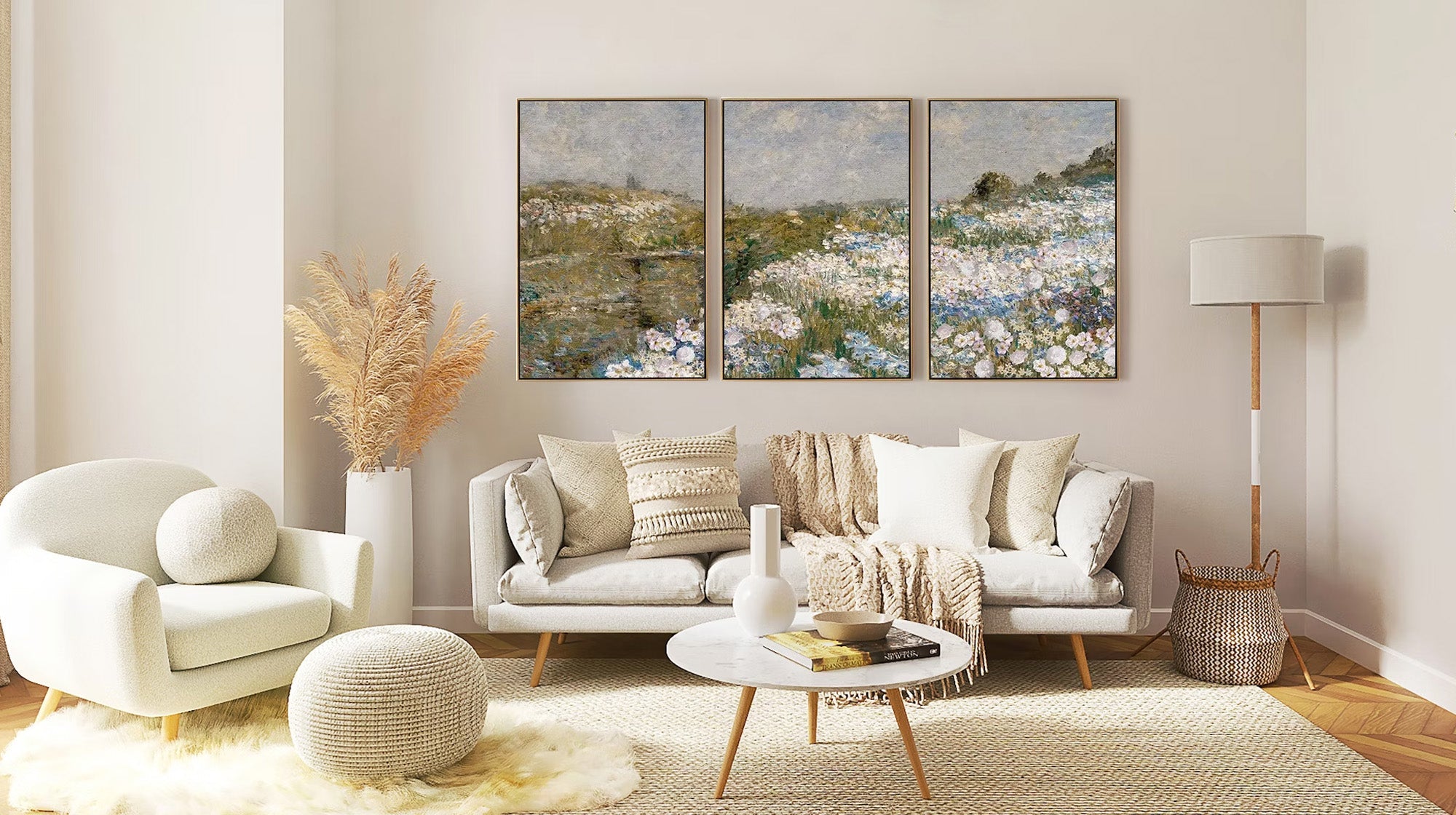
This is one of the most common styles of modern wall art. A continuous triptych takes one large image—like a panoramic landscape or a sweeping abstract design—and divides it across three panels. The picture flows smoothly from one canvas to the next, and the gaps between them add a modern touch without interrupting the scene. This style pulls you in, creating a window-like view that can make you feel like you're looking out at a calm beach or a busy city.
2. The Thematic Triptych
A thematic triptych, also known as a serial triptych, features three separate but related images. These individual pictures are connected by a shared element, such as:
- A shared subject: Three different flowers from the same garden.
- A consistent color palette: Three abstract pieces that all feature shades of blue and gold.
- A progression or story: A single object captured from three different angles or a scene shown at three different times of day.
This style creates a curated, gallery-like feel on your wall. It allows for more complex storytelling and invites you to compare and contrast the individual panels, discovering the connections between them.
Top Image Styles That Shine as Triptychs
Certain subjects and styles work especially well in a three-panel format. Whether you like a single continuous scene or a set of related images, here are some popular styles that look great as triptychs.
Sweeping Landscapes & Seascapes
Panoramic views are a classic choice for continuous triptychs. The long, horizontal lines of a coastline, mountain range, or forest horizon flow beautifully across the three panels, creating a calm and expansive feeling. These pieces can make any room feel larger and more open.
Dynamic Abstract Art
Abstract art is incredibly versatile and works well in both continuous and thematic styles. A single, fluid composition can be split to emphasize movement and energy, while a set of three complementary abstract patterns can create a sophisticated, coordinated look. Textured styles like Impasto and Palette Knife are especially powerful, as the physical depth of the paint adds another layer of interest to the multi-panel format.
Elegant Florals & Botanicals
Perfect for the thematic triptych style, florals offer endless possibilities. Imagine a series showing a single flower in three stages of bloom, or a trio of different but complementary botanical illustrations. This approach brings a touch of nature's delicate beauty indoors in a structured and artistic way.
Minimalist Compositions
The clean lines and simple subjects of minimalist art are beautifully enhanced by the geometric structure of a triptych. A single, simple form presented in three parts gains a sense of importance and visual complexity, making it a perfect statement piece for a modern, uncluttered space.

Size and Layout: How to Choose the Perfect Triptych for Your Space
Getting the size and placement right is key to making your triptych look professional and balanced. Here are a few simple rules designers follow:
- The Sizing Rule: The total width of your triptych—including the spaces between the panels—should be about two-thirds (2/3) to three-quarters (3/4) of the width of the furniture it hangs above, like a sofa or headboard.
- The Height Rule: The center of the entire three-piece arrangement should be at eye level, which is generally 57 to 60 inches from the floor. If you're hanging it above furniture, aim for the bottom edge of the canvases to be 8 to 10 inches above the top of the furniture.
- The Spacing Rule: The gap between each panel is key. A space of 2 to 4 inches is typically ideal. Too little space can make the art feel crowded, while too much can make it feel disconnected. Smaller pieces work well with a 2-inch gap, while larger works can handle up to 4 inches.
To make it even easier, here's a handy reference chart:
| Furniture Type | Average Width | Recommended Total Artwork Width (2/3 to 3/4 Rule) |
| King Bed | 76 inches | 50 - 57 inches |
| Queen Bed | 60 inches | 40 - 45 inches |
| Full-Size Sofa | 84 inches | 56 - 63 inches |
| Loveseat | 60 inches | 40 - 45 inches |
| Console Table | 55 inches | 36 - 41 inches |
Making It Personal: The Power of Custom Triptychs
Sometimes, the perfect image for your space is the one that's still in your imagination. That's the great thing about original art—it can be completely personal. Instead of searching for the perfect piece, you can have it created just for you.
At Montcarta, we believe art should be a team effort. Our custom painting process lets you work directly with one of our talented artists to bring your unique vision to life.
- Share Your Vision: You can request a specific subject, ask for a modification to an existing painting in our collection, or provide a custom color palette to perfectly match your room's decor.
- Perfect Your Piece: Our artists can create a triptych in the exact dimensions your space requires, ensuring a flawless fit. Whether you desire the rich texture of an Impasto piece or the clean lines of a Minimalist work, the style is yours to choose.
- Approve with Confidence: We understand that ordering a custom piece is a special investment. That's why we provide you with updates throughout the painting process and only ship your artwork once you've given it your final seal of approval. It's your art, your way, backed by our Montcarta Art Assurance.
Conclusion
A triptych fills large walls with coordinated visual impact. You get three panels that create balance above sofas, beds, or tables. You can adjust spacing to match your exact wall width and choose scenes that flow together or work as a set.
Use a triptych to anchor your room's color palette. Pick panels matching your existing furniture or decor for instant cohesion.
Browse Montcarta's collection or contact us for custom work with your specific colors and dimensions.
FAQs about Triptych Wall Art
Q1. What spacing works best between triptych panels?
Leave 2 to 4 inches between each panel. This gives each piece its own space while keeping them connected as one artwork. Bigger canvases can go a bit wider apart. Smaller ones look better closer together.
Q2. Can you hang a triptych vertically?
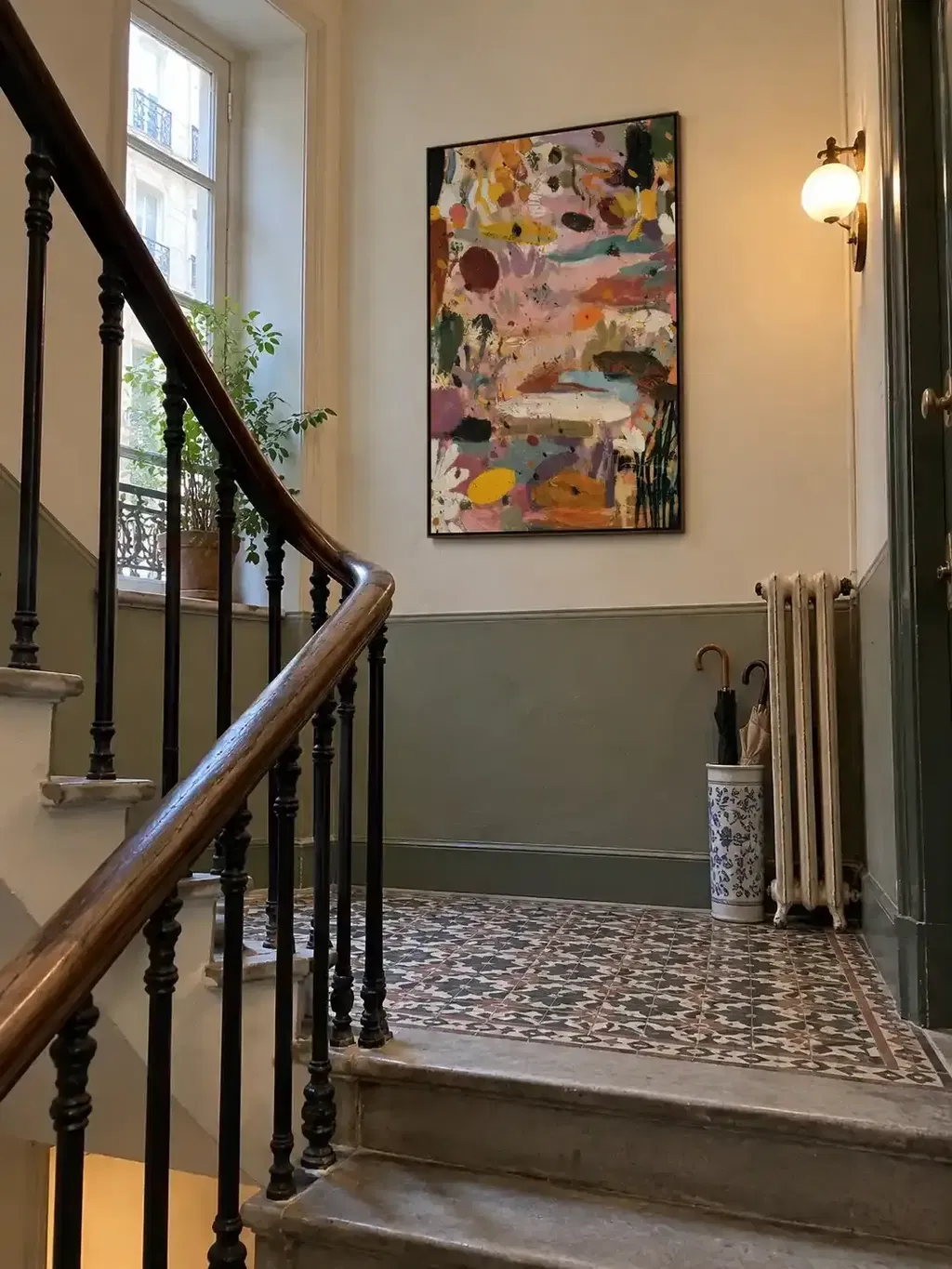
Yes. Most people hang them horizontally, but vertical works great too—especially on narrow walls like entryways or stairwells. Hanging art vertically makes your ceiling look higher.
Q3. How do I take care of my triptych?
Dust gently with a soft, dry cloth. Keep it out of direct sunlight—colors fade over time. Avoid humid rooms like bathrooms so the canvas and frame stay in good shape. Montcarta pieces use quality, eco-friendly materials that last. They arrive ready to hang.