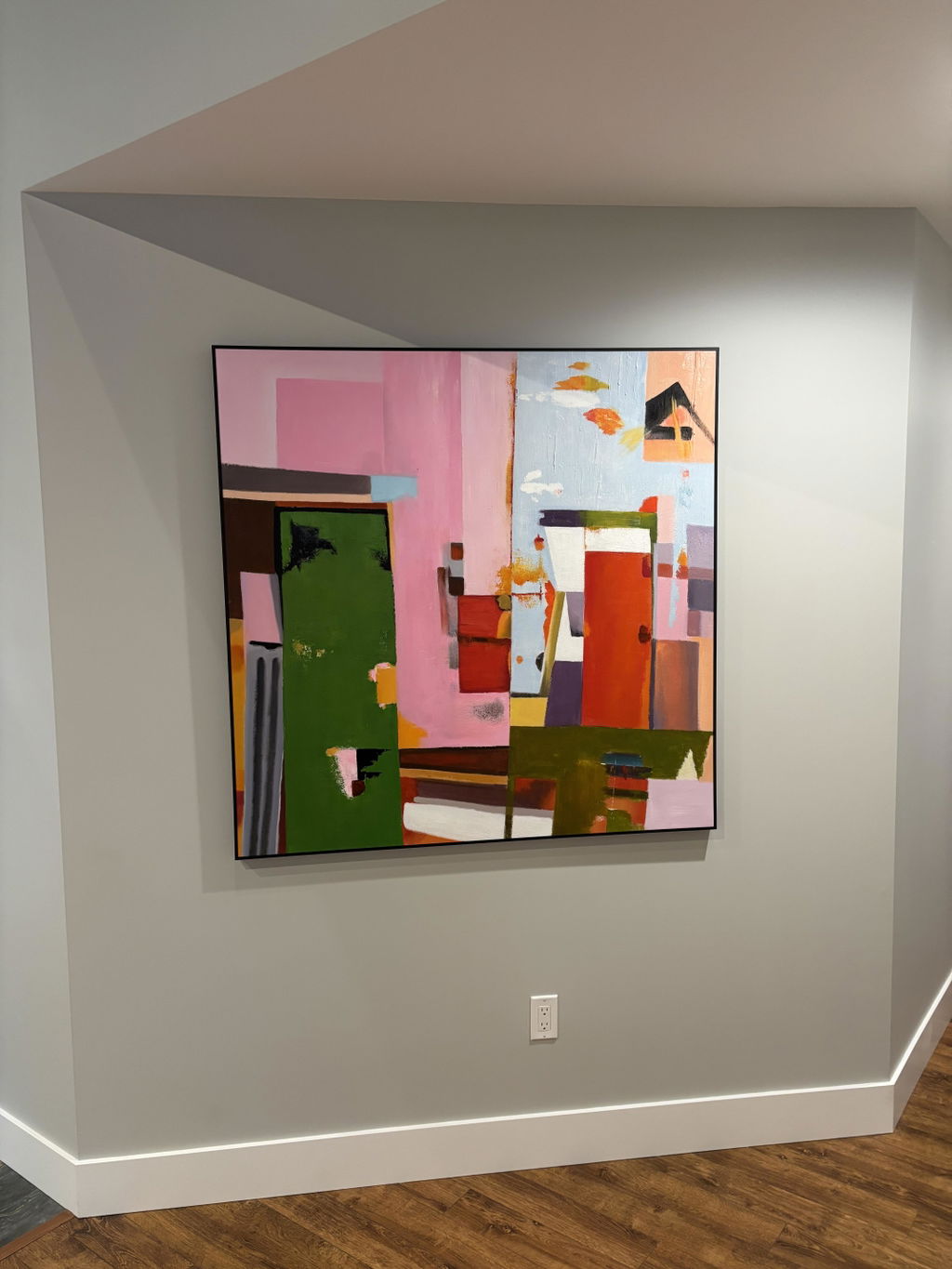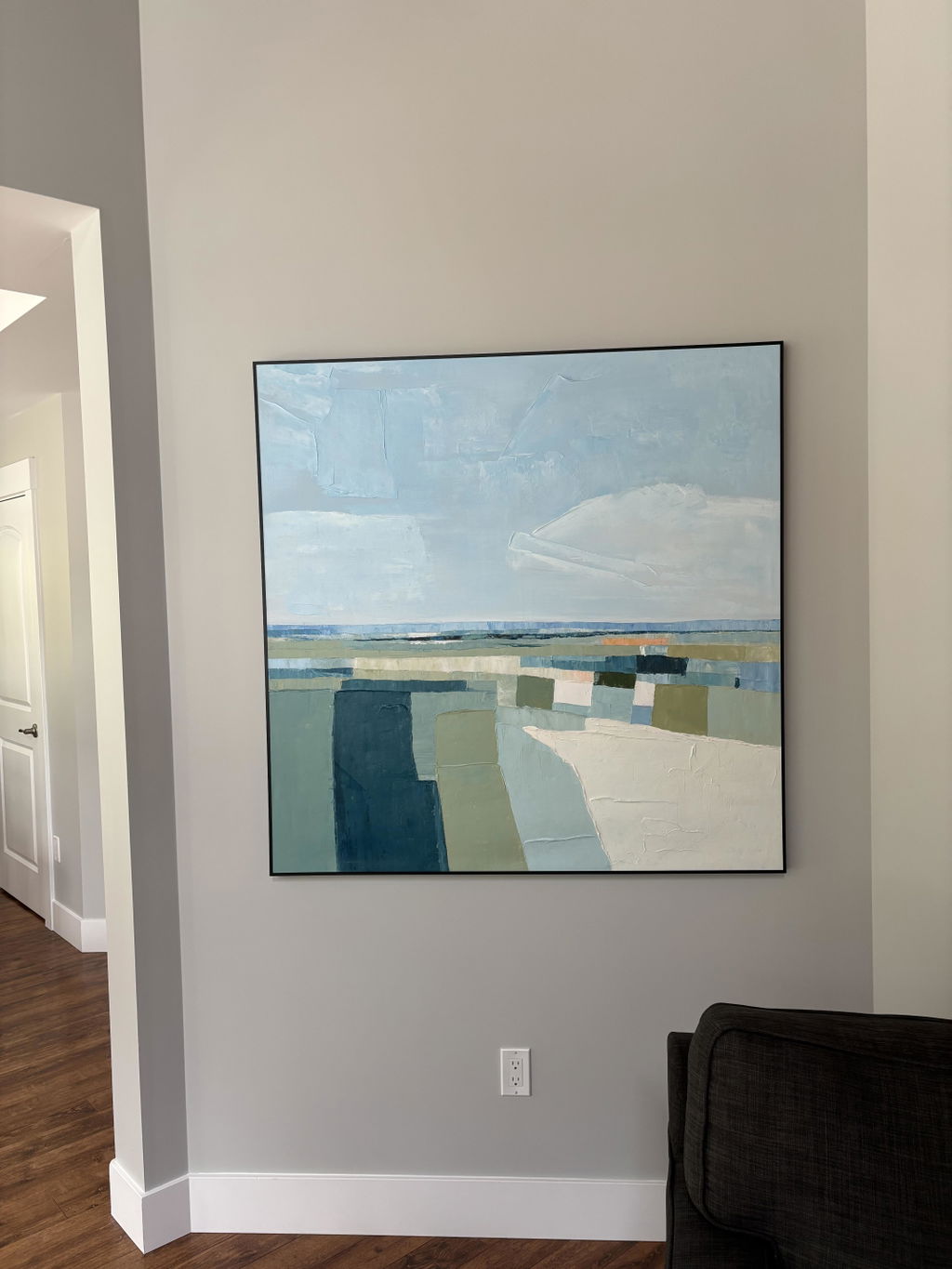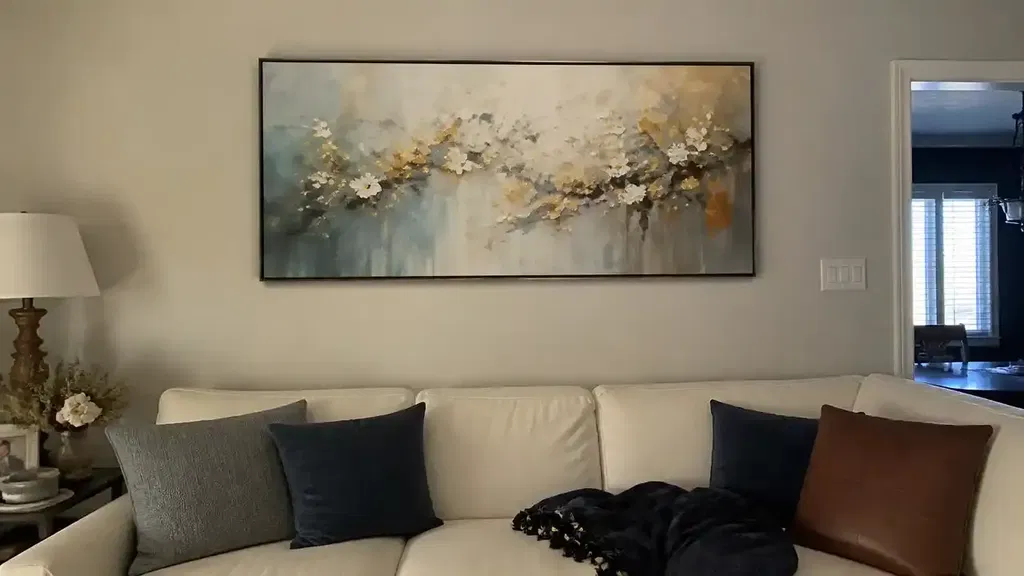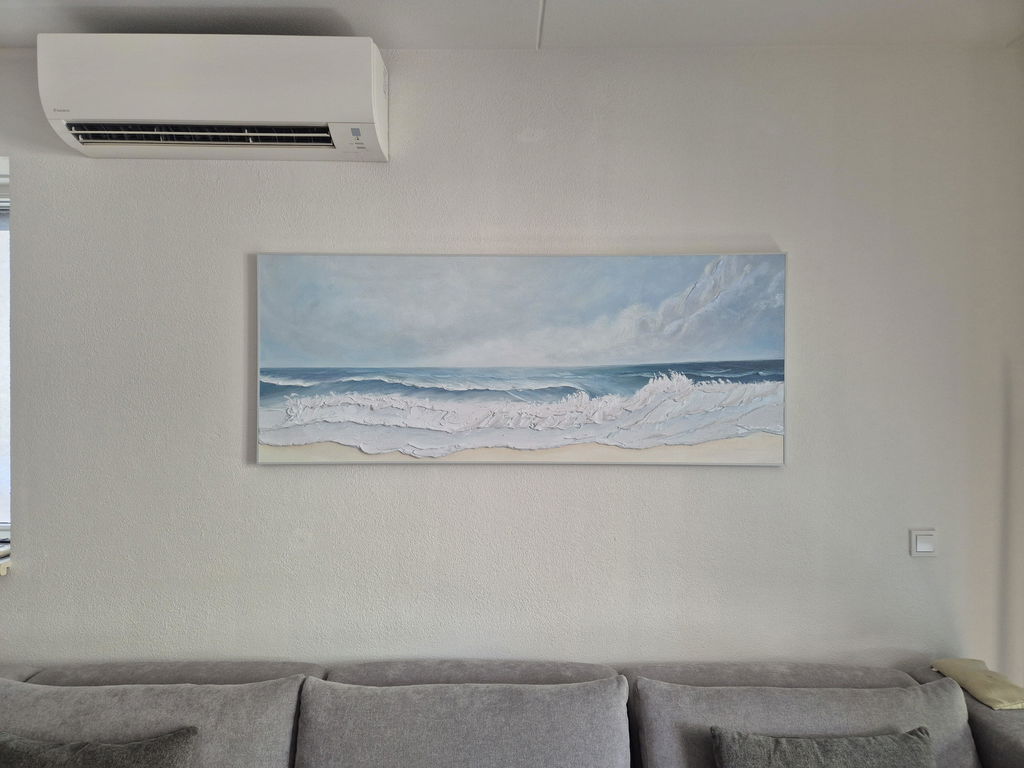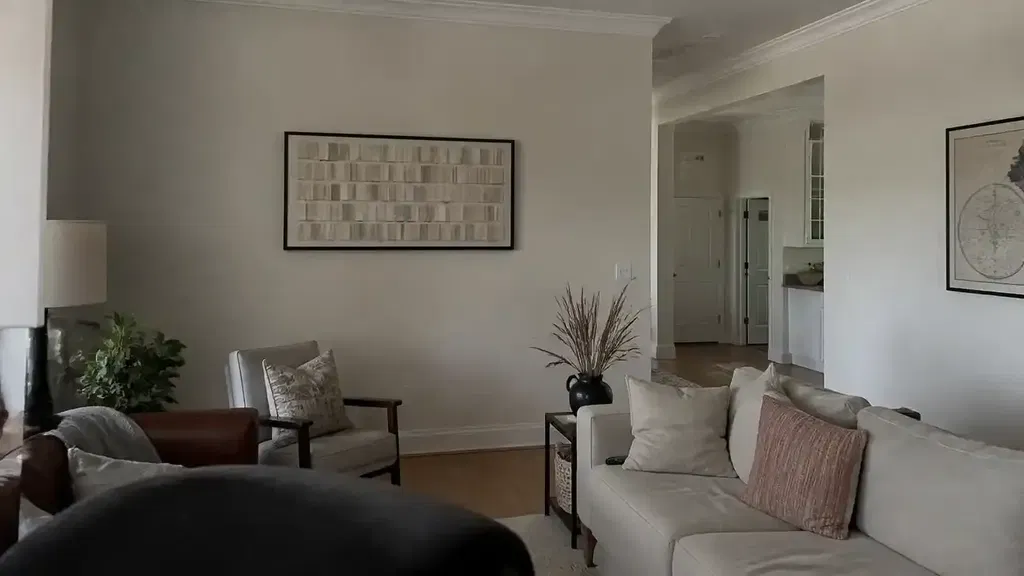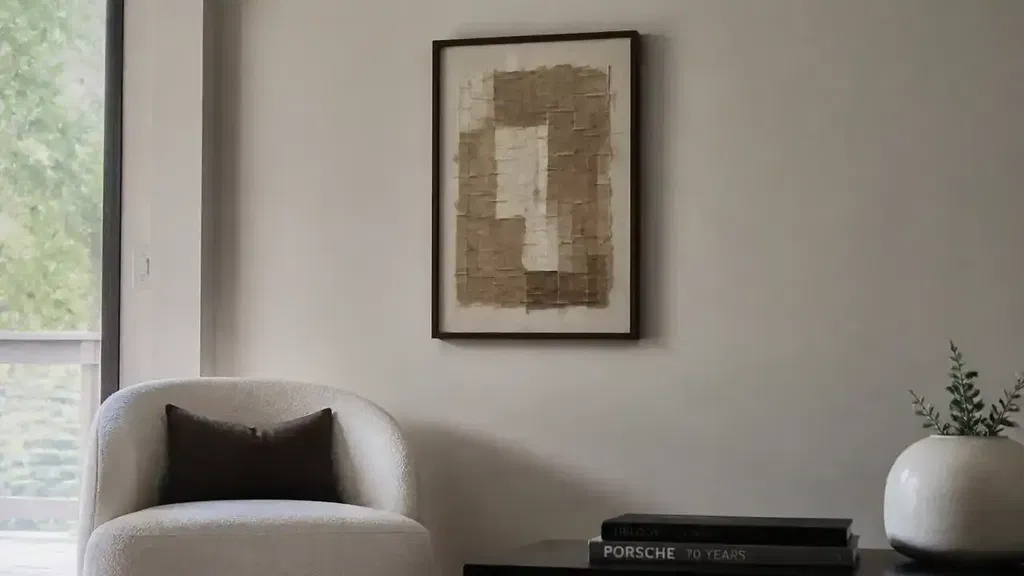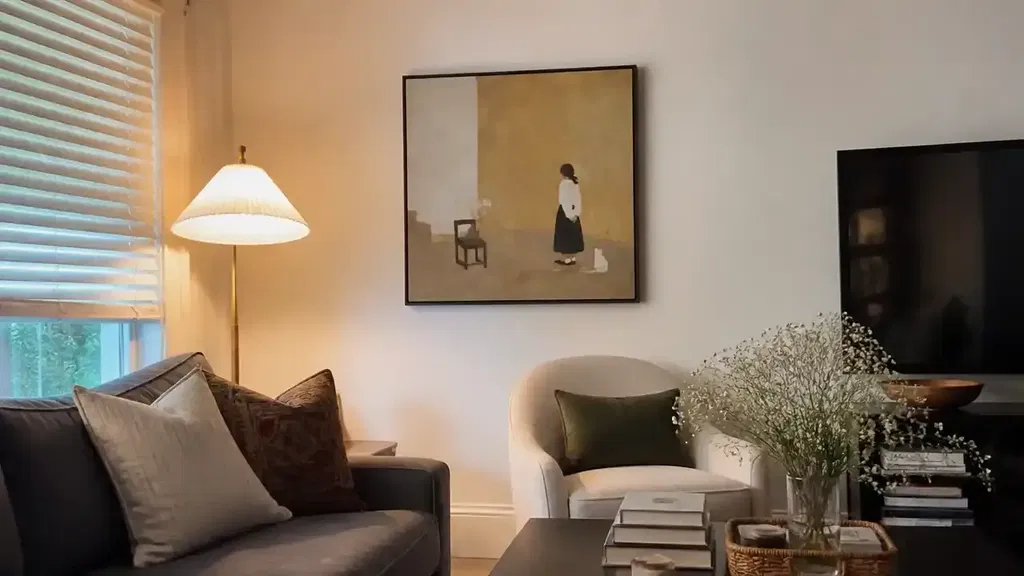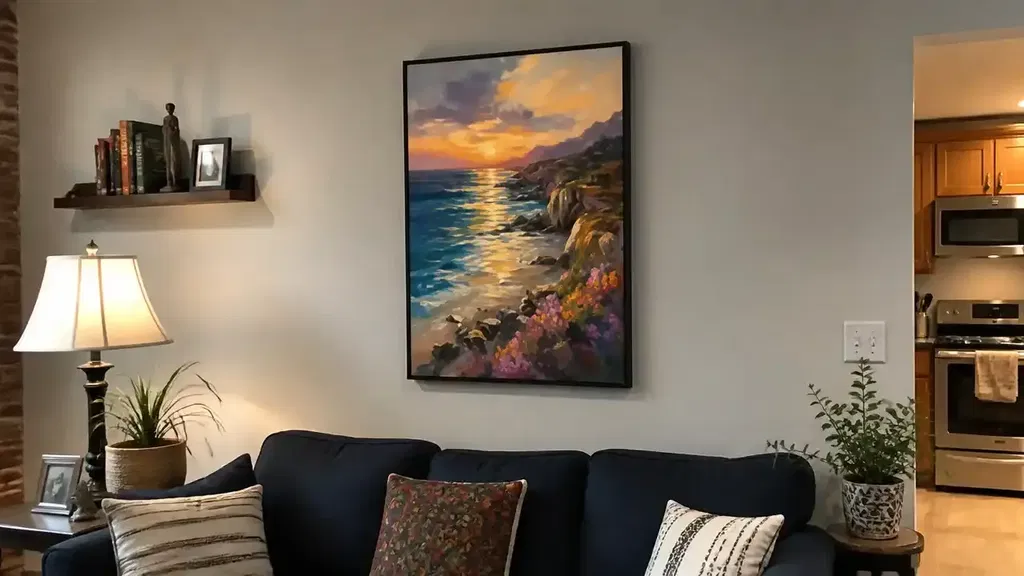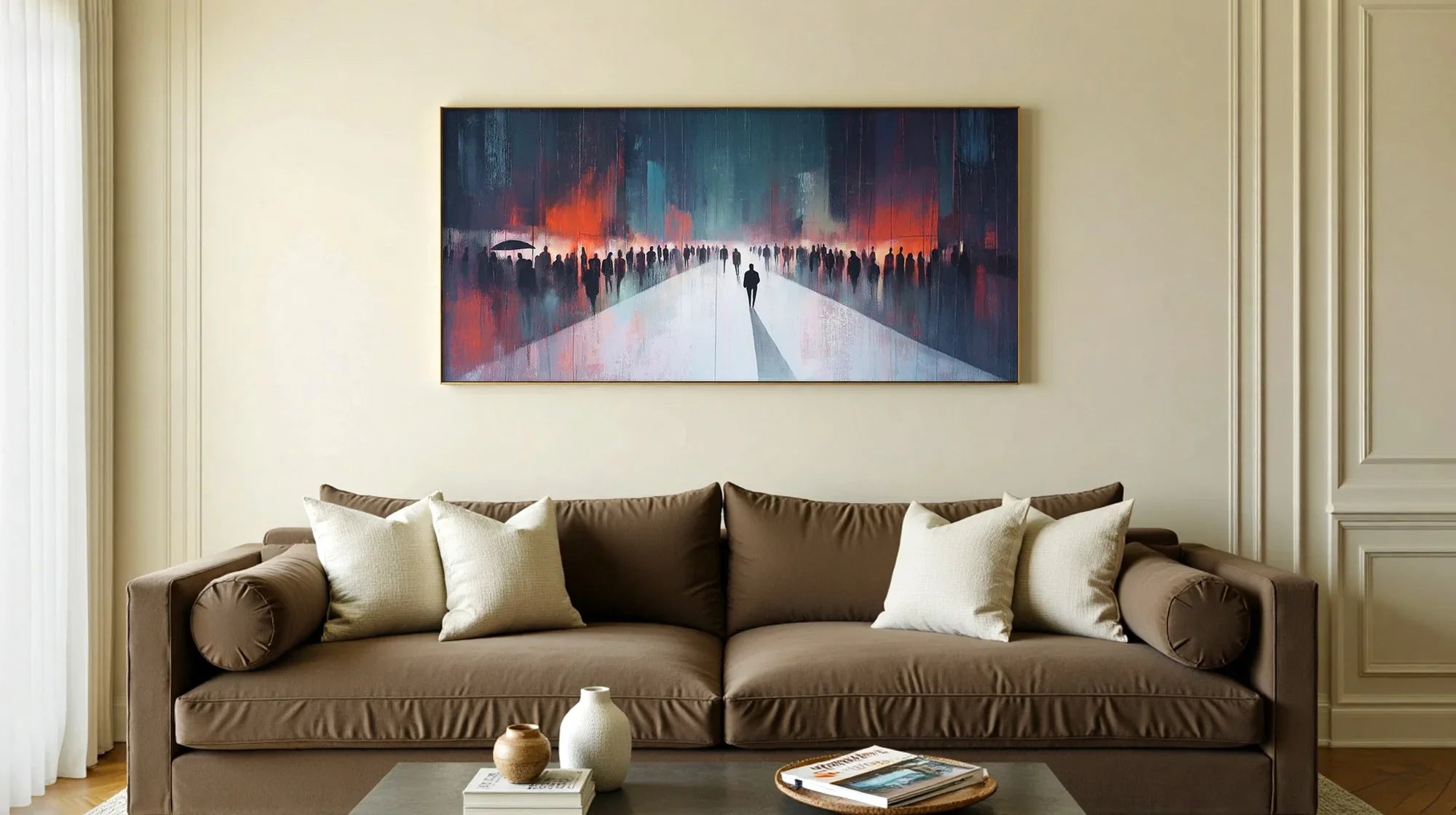
Acrylic paintings are popular among homeowners, designers, and art lovers. Their vibrant colors and versatility make them ideal for adding personality to any room. With the right piece, even a plain wall can transform into a lively and welcoming space.
Why Acrylic Paintings Are Special
Acrylic art stands out because it blends beauty, practicality, and creativity. Here's why acrylics are so unique:
Key Benefits of Acrylic Paintings
- Fast drying and flexible: Acrylic dries much faster than oil paint, allowing artists to layer multiple colors in one session. It can be applied to various surfaces such as canvas, wood, paper, and fabric.
- Colors stay bright and last: Acrylic colors remain vibrant over time and don't yellow like oil paints. You can also create textures ranging from smooth finishes to raised strokes.
- Good for any budget: Acrylics are accessible for both beginners and serious art collectors. Whether you're decorating a home or looking to add to a collection, there's an option for everyone.

Multiple Techniques That Create Varied Styles
Acrylic paint can be applied in many ways, each producing a distinct style:
- Layering and glazing: Thin layers create a soft, deep look, perfect for dreamy or calming effects.
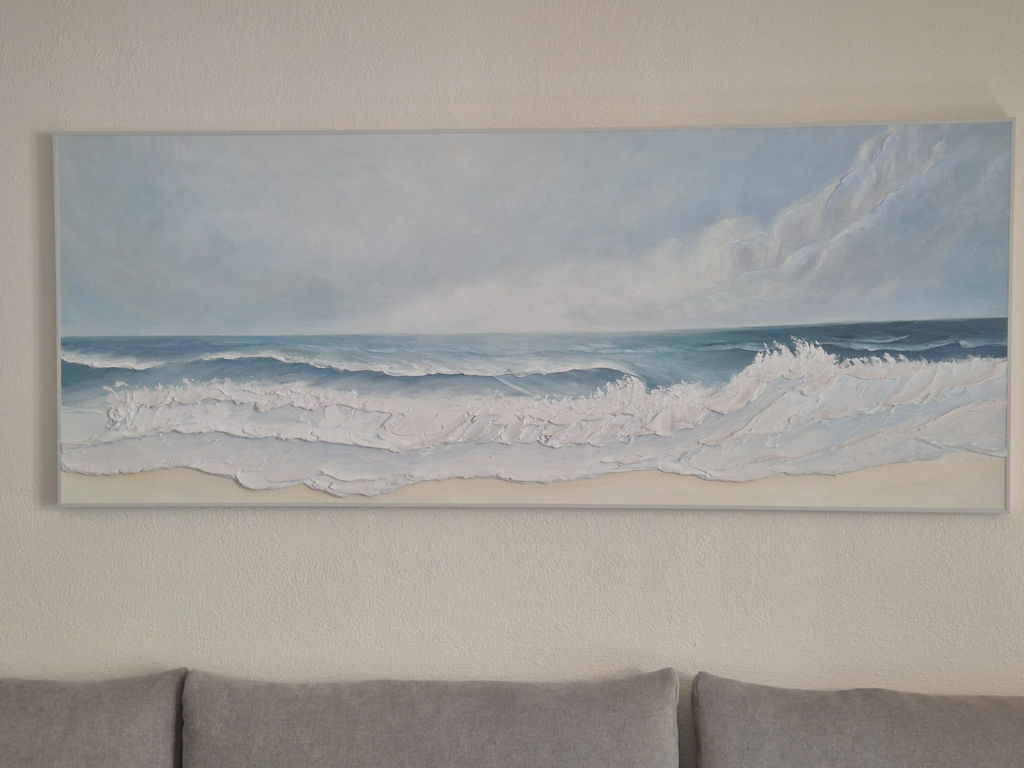
- Impasto: Thick paint strokes create texture and a raised effect, adding dimension to the artwork.
- Dry brushing: Light strokes on rough surfaces give a sense of movement or an aged appearance.
- Pouring and dripping: Liquid paint flows naturally, ideal for modern or abstract styles.
Each of these techniques can suit different moods, from calm to energetic, and complement various home aesthetics.
How to Choose the Right Acrylic Painting for Your Space
Choosing the right acrylic painting involves a step-by-step process. Follow this guide for a perfect match:
Step 1: Define the Space Function and Atmosphere
Different spaces require different moods, and acrylics are versatile enough to adapt to them:
| Space | Atmosphere Needed | Recommended Acrylic Style |
| Bedroom | Quiet, soothing | Cool tones, soft abstract or gradient acrylics |
| Living Room | Social, display space | Large abstract, geometric, or bold pop art |
| Dining Room | Warmth, appetite | Warm colors, fruit or nature themes |
| Study/Work Area | Focused | Clear lines, restrained palette, expressive but not distracting |
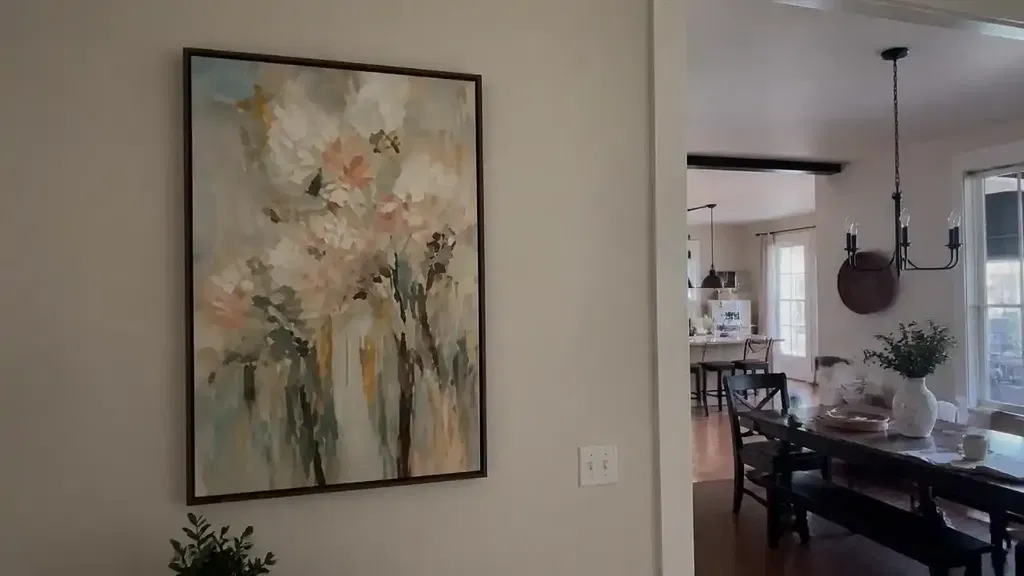
| Hallway/Entryway | Transitional | Vertical pieces or grouped acrylic blocks |
Acrylic paintings can create soft gradients for bedrooms or vibrant strokes for living rooms, depending on the desired effect.
Step 2: Match Art to Your Furniture
Acrylic art can fit many styles, but it should also complement your furniture:
- Modern/Minimalist: Use large blocks of color or simple shapes. Layered acrylics can create a bold focal point.
- Vintage/Classic: Realistic depictions of places or people provide a timeless look without being as heavy as oil paintings.
- Industrial/Wooden: Earthy tones in acrylics and thicker paint strokes can complement industrial or wooden furniture. (Avoid thick paint on thin walls.)
- Eclectic: Pop art, collages, or splatters add color without overwhelming the space.

Step 3: Select an Acrylic Style
- Layered Abstract: Depth and space with stacked colors. Ideal for large rooms with open spaces.
- Pouring/Fluid Acrylic: Flowing, liquid patterns with varied viscosity. Great for hallways and entries.
- Impasto: Textured and impactful. Impasto painting is Perfect for industrial or dining room walls.
- Gradient Blending: Smooth fades using retarders. Best for bedrooms and study areas.
- Pop & Geometric: Bold, clean lines and saturated colors. Suited for modern or youthful spaces.
Step 4: Decide on a Color Strategy
Acrylic paints are bright and durable, so choose colors carefully:
- Cool tones: Create calmness for bedrooms or quiet areas (blue/green gradients).
- Warm tones: Bring energy to living and dining areas (orange, red, yellow).
- Black & White + Accent: Crisp black-and-white with gold or red highlights. Perfect for minimalist spaces.
- Nature-inspired palettes: Greens and browns complement wood and plants.
Tips:
- If your room is colorful, opt for neutral acrylics to balance it out.
- If the room feels plain, choose high-saturation acrylics to energize it.
Step 5: Size and Composition
Choose the appropriate size for your room:
- Large rooms (living/dining): Use large abstracts or triptychs to make an impact.
- Small rooms (bedroom/hallway): Medium or vertical pieces can elongate the space, while gradients and fluid effects soften the feel.
- Sets/Series: Grouped small paintings create rhythm and flow.
Proportion Guide:
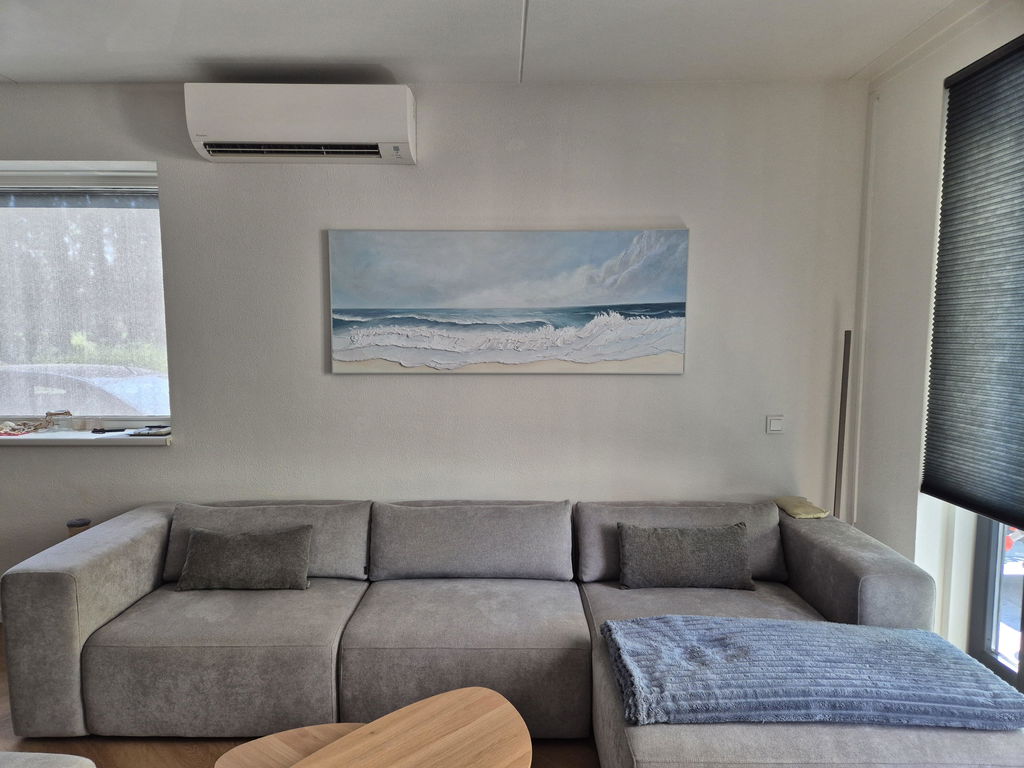
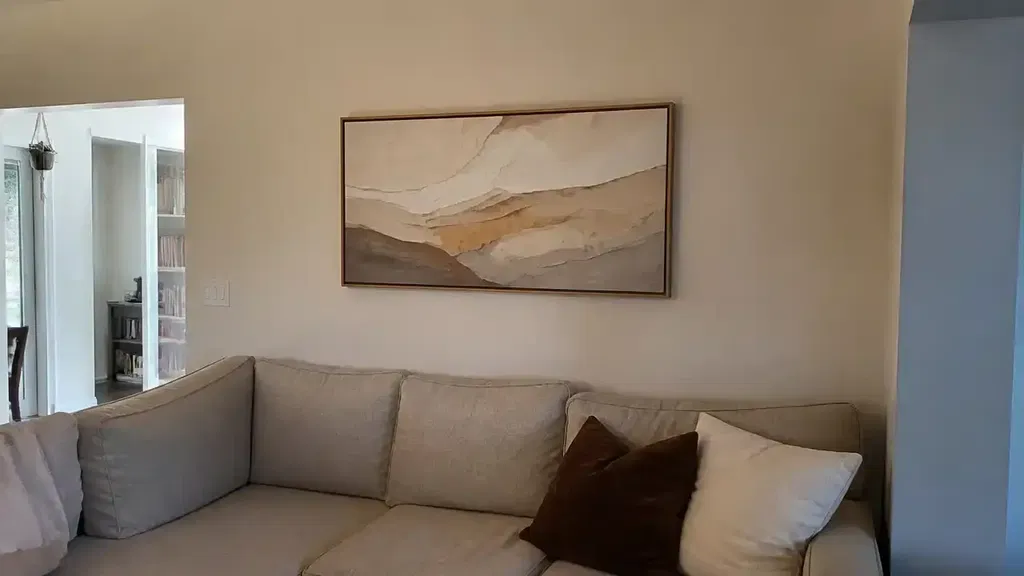
- Sofa Wall: Painting width = 60–75% of sofa width.
- Bedhead: Painting width = 50–70% of bed width.
- Console/Sideboard: Painting should be 10–30 cm narrower than the surface (≈5–15 cm margin per side).
Hanging Height:
- Standard walls: Center artwork at 145–150 cm.
- Above furniture: Keep the bottom edge 20–30 cm above the surface/backrest, adjusting for balance.

Step 6: Light and Texture
Consider lighting when selecting acrylic paintings:
- Impasto textures: Warm lighting (2700–3000K) highlights depth.
- Gradients/Fluid effects: Neutral light (3000–4000K) preserves natural transitions.
- Bold color blocks: Lighting with CRI ≥ 90 maintains color accuracy.
Note: Acrylics are more lightfast than watercolors, but avoid direct sunlight. Use UV-protective glass or varnish to preserve color.
Step 7: Test Before Finalizing
Practical checks prevent mistakes:
- Cut a paper template to size and tape it to the wall
- Convert a photo to black-and-white to check the balance
- Print a mini version or use an app to simulate colors; lower saturation if necessary
- Judge from your usual viewing distance—does it overpower or fade?
- Use a flashlight/phone torch to test glare issues
Common Mistakes to Avoid with Acrylic Art
- Avoid overly bright colors for already colorful rooms.
- Don't use thick paint in small spaces, as it may make the room feel cramped.
- Don't hang a painting that's too small on a large wall; it will get lost.
- Consider the paint's sheen and how it will interact with your room's lighting.
- Don't always center the art at eye level. Focus on fitting it with the furniture.
Purchasing and Experiencing Channels
After deciding on style and size, here's how to buy acrylic paintings effectively:
Channel Descriptions & Tips
| Channel | Description | Tip |
| Galleries | Curated pieces with artistic value. See textures, depth, and color vibrancy. | Ask about the artist's background and authenticity certificates. |
| Art Markets/Fairs | Discover new artists. Bargain for unique pieces. | Check for signatures or numbered pieces to ensure authenticity. |
| Art Platforms | Wide selection with the option to see how art looks on your wall. | Read reviews and ensure shipping protection for large pieces. |
| Custom Orders | Order specific sizes, colors, or themes for a personalized painting. | Confirm delivery timeframes and return policies before ordering. |
Final Checklist Before Paying
- Edges: Ensure clean canvas corners with no loose threads.
- Backside: Look for a sturdy frame with neat nails.
- Paint surface: Layers should look natural; avoid cracked paint.
- Signature & details: Real art often has the artist's signature and year.
Offline channels give you authenticity, while online ones provide convenience and variety. By following a simple checklist, you ensure your acrylic painting is not only beautiful but also of high quality.
Choose Your Acrylic Story
Acrylic paintings bring bright colors, flexibility, and ease of use. The right piece can transform a room's atmosphere—calming a bedroom, energizing a dining room, or adding character to a hallway. By considering color, style, size, and personal meaning, your painting will become more than just art on a wall. It will be a reflection of your home's story.