Introduction: Why Hotel Wall Art Matters More Than Ever
When guests walk into a hotel, the atmosphere shapes their first impression within seconds.
Before they notice the bed quality, amenities, or service, they experience the overall feeling of the space. This is why modern hotels invest heavily in interior design — especially artwork.
Today, hotel wall art is no longer treated as simple decoration. Instead, it plays a major role in creating a memorable guest experience, defining brand identity, and making spaces feel more luxurious and welcoming.
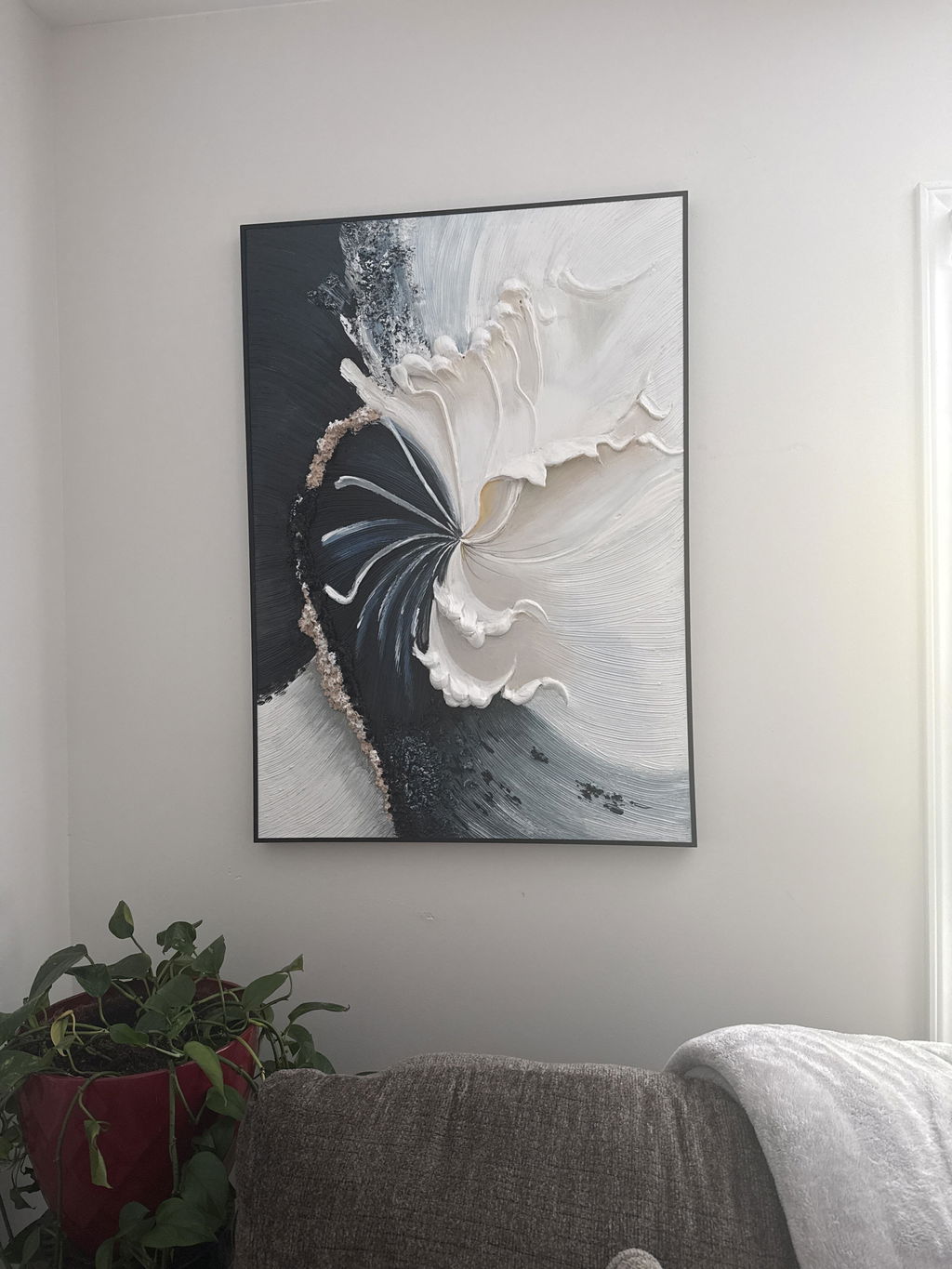
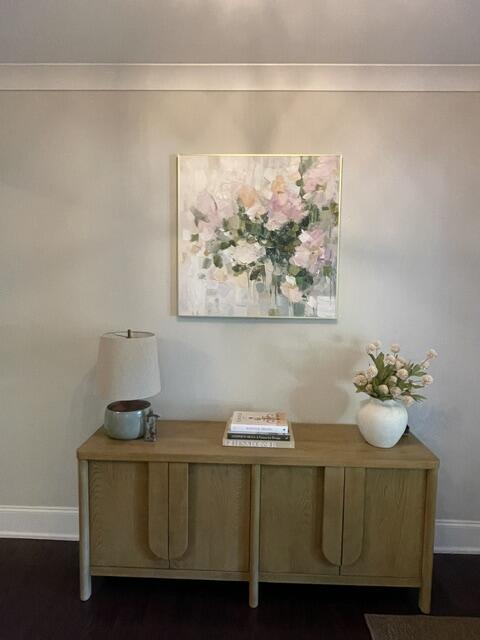
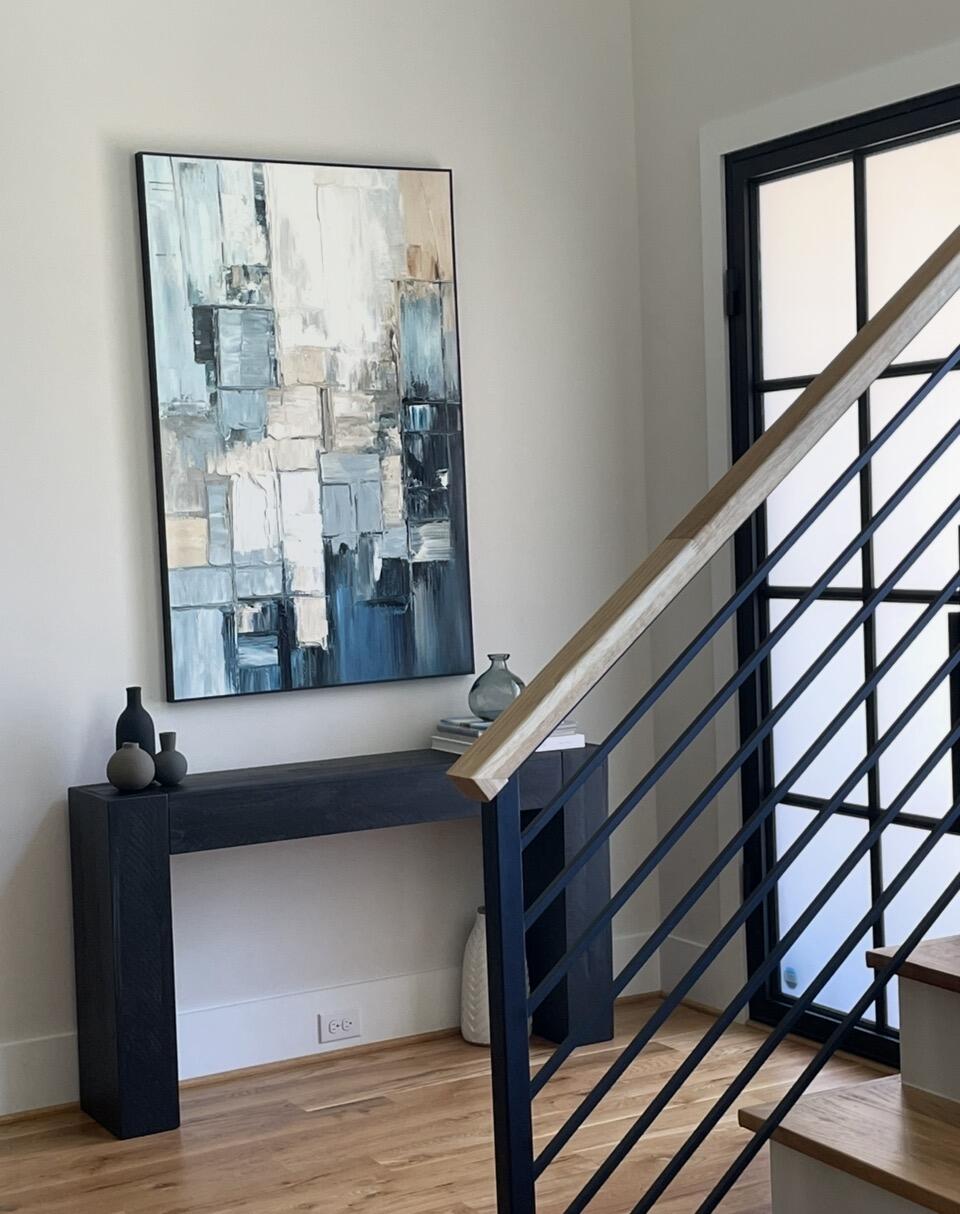
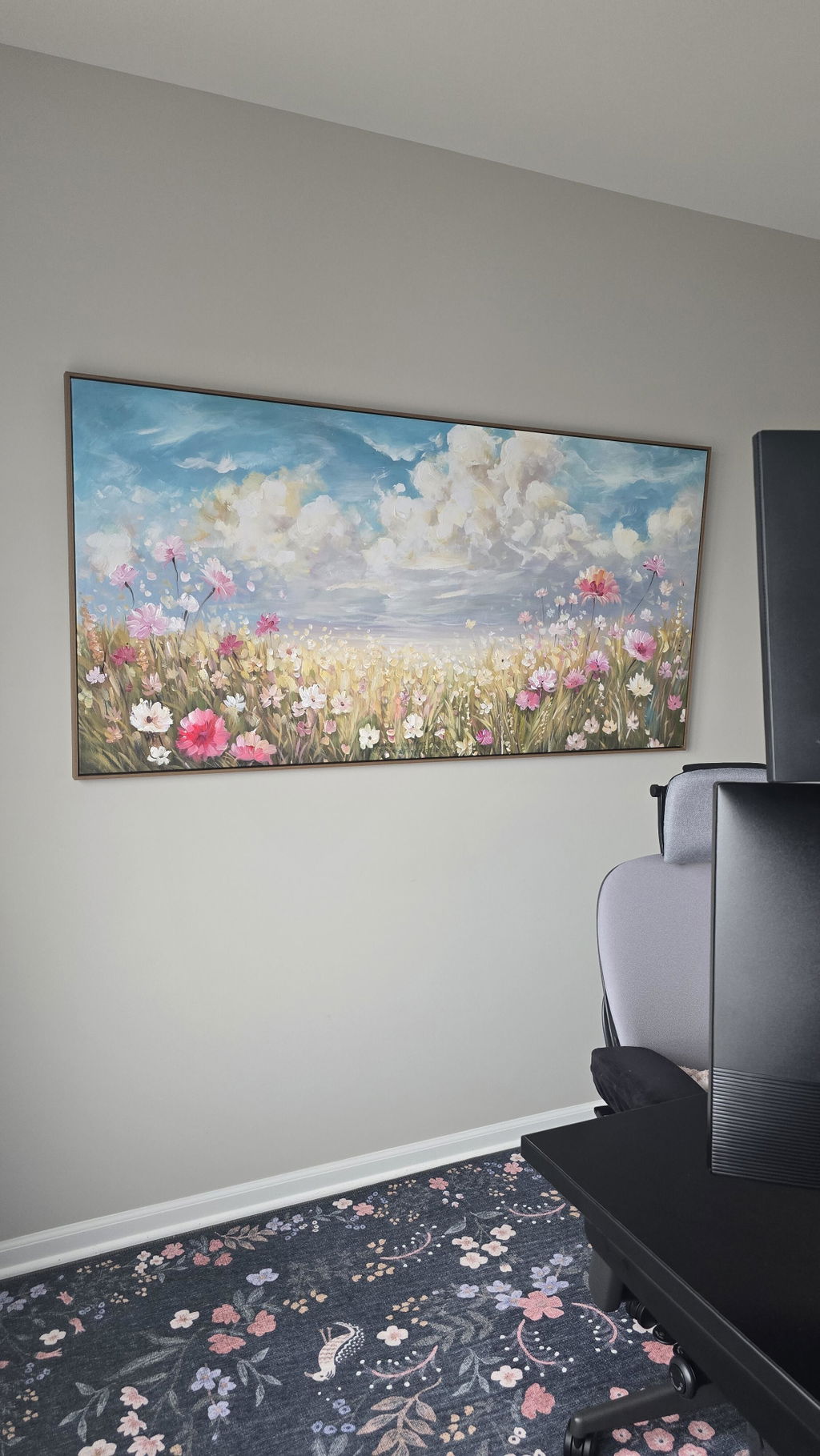
Among all décor options, hand-painted oil paintings and textured wall art have become especially popular in boutique hotels, luxury resorts, modern business hotels, and upscale hospitality spaces.
In this guide, you’ll discover how hotels use wall art strategically, what types of artwork work best in hospitality interiors, and how textured oil paintings can dramatically elevate hotel spaces.
Why Wall Art Is Important in Hotel Interior Design
Hotels are designed to create emotional experiences.
The right artwork helps hotels:
- Create a strong first impression
- Establish a luxury atmosphere
- Reinforce brand identity
- Improve guest comfort
- Make spaces feel curated and memorable
Without artwork, even expensive hotel interiors can feel cold, generic, or unfinished.
This is especially true in modern hospitality design, where minimalist architecture often relies on texture, lighting, and statement décor pieces to create warmth.
Large-scale artwork also helps hotels visually fill oversized walls commonly found in:
- Lobbies
- Guest rooms
- Hallways
- Restaurants
- Lounge areas
- Conference spaces
Why Oil Paintings Work So Well in Hotels
Many luxury hotels prefer hand-painted oil paintings over printed art because they provide more depth, texture, and sophistication.
Unlike flat canvas prints, oil paintings create:
- Visible brush texture
- Layered dimension
- Richer lighting interaction
- A handcrafted appearance
- Greater visual impact from a distance
This is particularly important in large hotel spaces where small decorative elements often disappear visually.
Textured artwork also photographs better, which matters more than ever in the age of social media and online hotel marketing.
Guests are more likely to remember and photograph interiors that feel unique and visually immersive.
Best Types of Hotel Wall Art
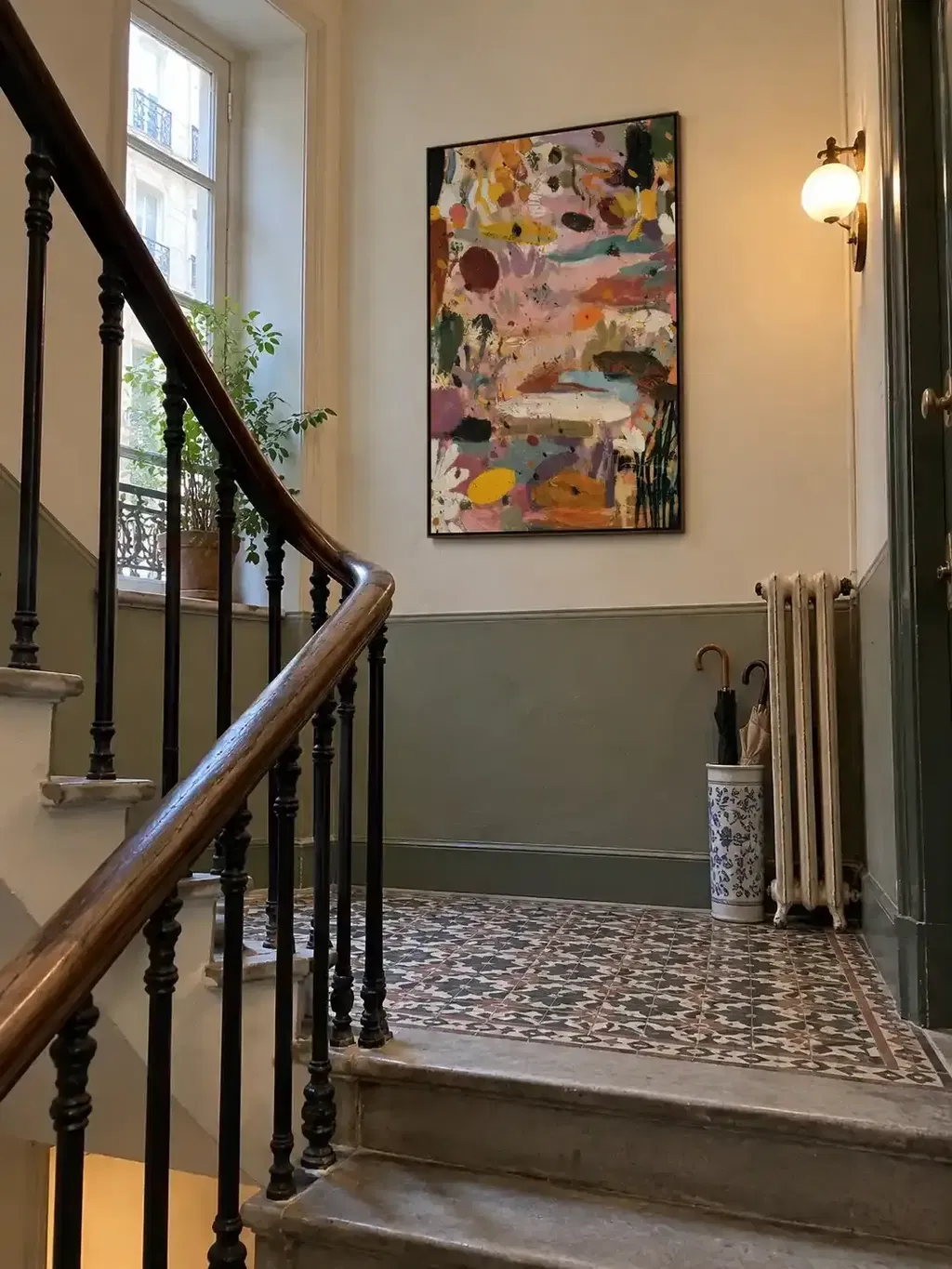
Oversized Abstract Oil Paintings for Hotel Lobbies
The hotel lobby is one of the most important visual spaces in hospitality design.
Large abstract paintings help create:
- A luxury focal point
- Strong visual identity
- A more upscale first impression
Most modern hotel lobbies feature oversized artwork because it instantly fills large walls without cluttering the space.
Abstract styles are especially effective because they feel sophisticated and universally appealing without becoming visually distracting.

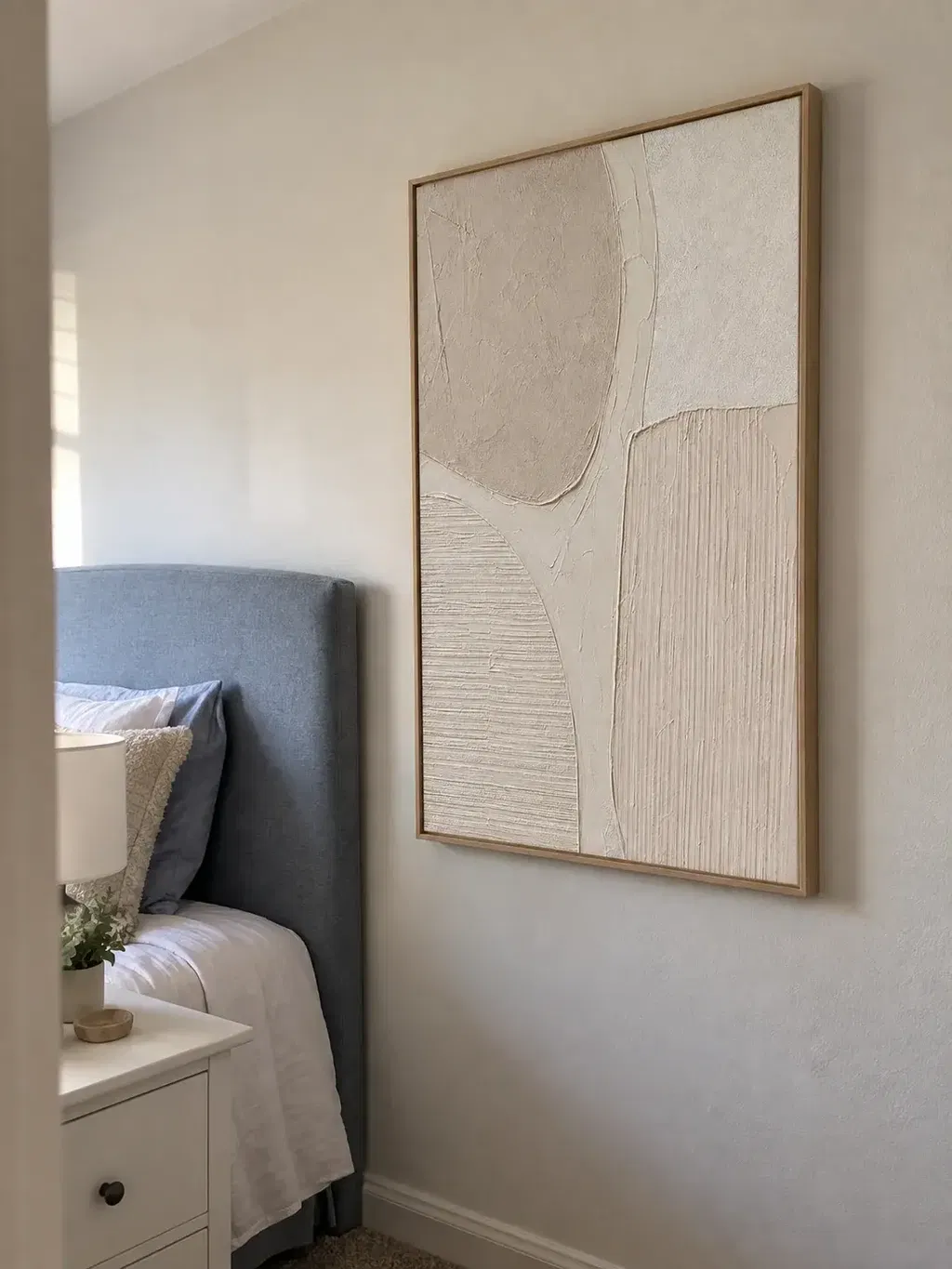
Textured Wall Art for Boutique Hotels
Boutique hotels often focus on creating more emotional and personalized experiences compared to large chain hotels.
This is where textured wall art becomes especially valuable.
Texture adds:
- Warmth
- Character
- Artistic individuality
- A handcrafted luxury feel
Boutique hotels frequently use textured neutral artwork to make interiors feel more intimate and design-focused.
This style also aligns with current hospitality trends centered around:
- Organic materials
- Warm minimalism
- Natural textures
- Calm interiors
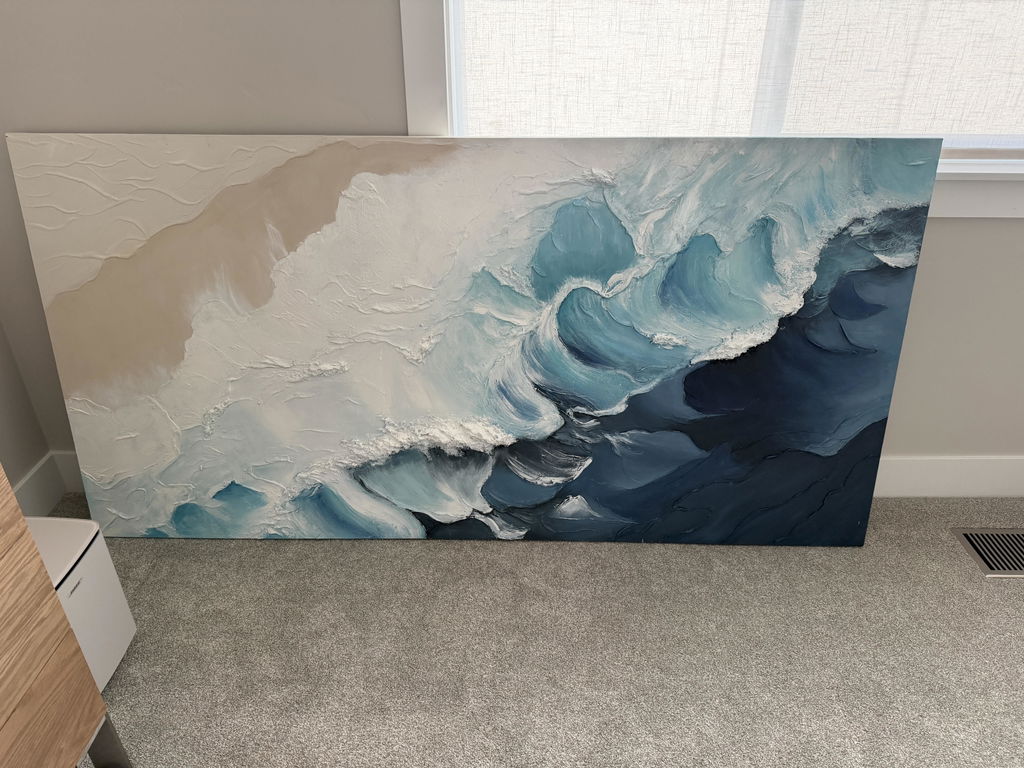
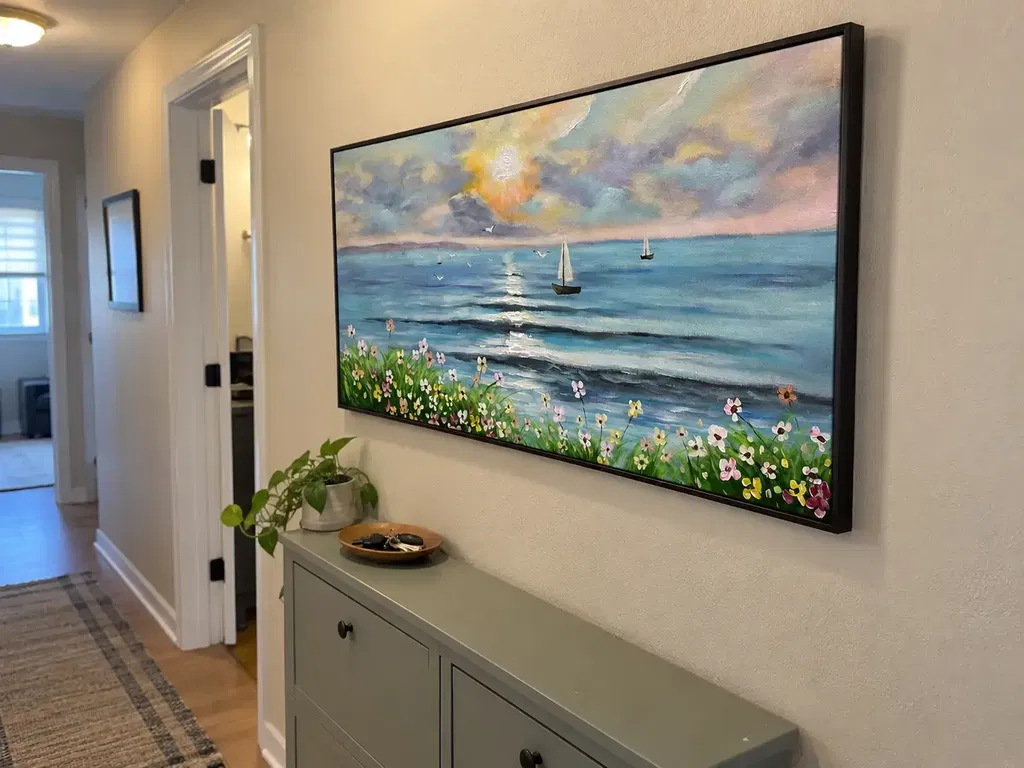
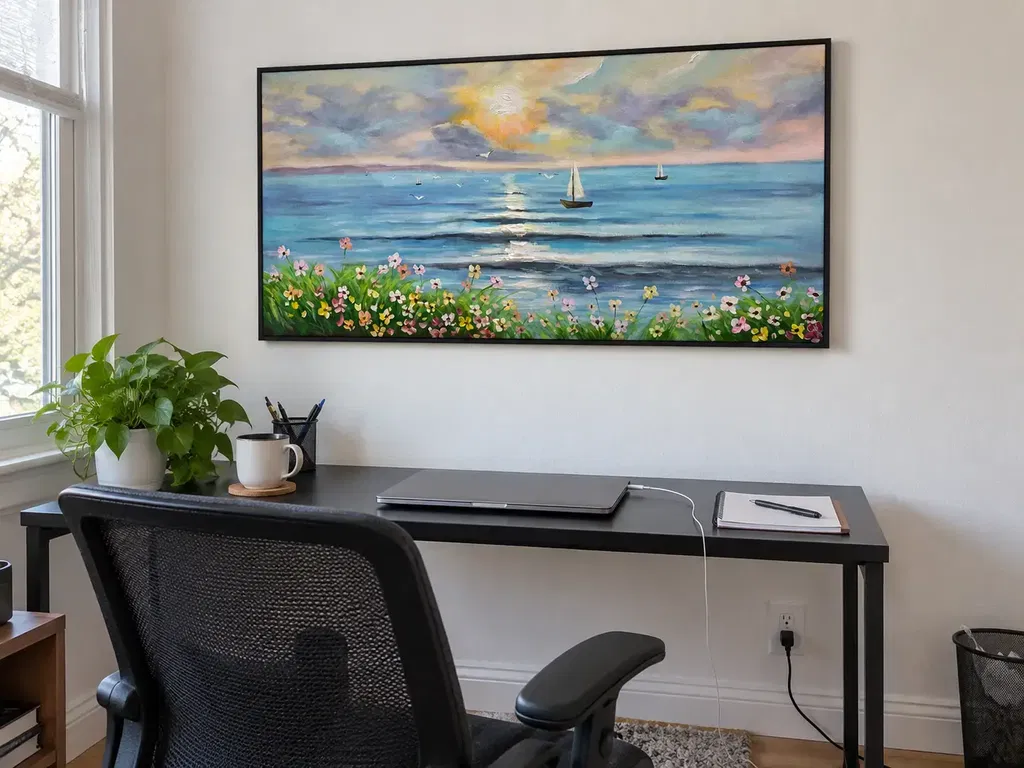
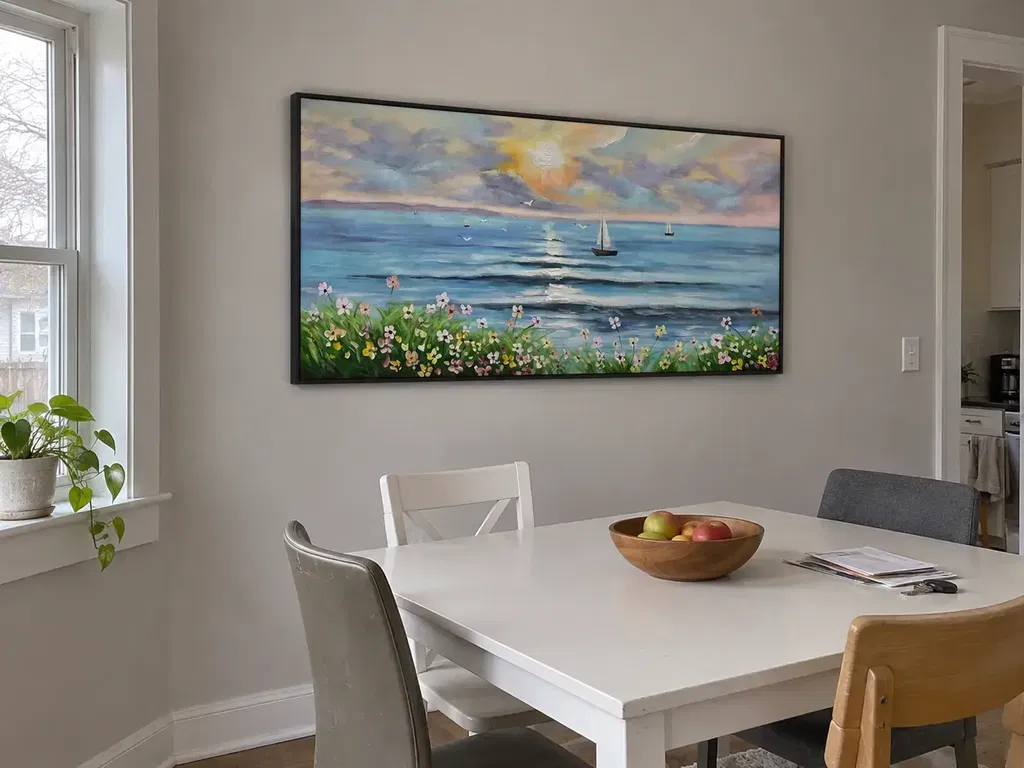
Coastal Artwork for Beach Resorts
Coastal resorts often use artwork inspired by:
- Ocean waves
- Sand textures
- Natural landscapes
- Soft blue palettes
These paintings help reinforce the relaxing atmosphere guests expect from resort environments.
Textured coastal oil paintings work especially well because they create movement and depth that mimic natural ocean elements.
Neutral Modern Art for Guest Rooms
Guest rooms should feel calming and universally appealing.
This is why many hotels choose neutral-toned artwork featuring:
- Beige
- Cream
- Soft gray
- Earth tones
Neutral paintings help rooms feel:
- Larger
- Brighter
- More relaxing
- More timeless
This approach also allows hotels to maintain a cohesive design language across multiple rooms.
Statement Art for Luxury Hotel Suites
Luxury suites often use large statement artwork to create exclusivity and visual drama.
Popular styles include:
Statement artwork helps premium rooms feel more custom-designed and less standardized.

How Hotels Choose the Right Wall Art
Hotels typically consider several factors before selecting artwork.
Scale and Proportion
Large walls require artwork with enough visual weight.
Small pieces can easily look lost in hotel environments.
General guidelines:
| Space | Recommended Artwork Style |
| Lobby | Oversized statement art |
| Hallways | Repeating vertical artwork |
| Guest Rooms | Medium-to-large calming pieces |
| Suites | Large luxury focal pieces |
| Restaurants | Warm-toned artwork |
Oversized paintings are often preferred because they create stronger visual impact while maintaining a clean layout.
Color Psychology
Hotels carefully use color to influence mood.
Different tones create different emotional responses:
| Color Palette | Emotional Effect |
| Warm neutrals | Comfort and luxury |
| Soft blues | Calmness and relaxation |
| Earth tones | Organic warmth |
| Black & white | Sophistication |
| Gold accents | Premium atmosphere |
This is why many hospitality interiors use soft, balanced palettes rather than highly saturated colors.
Texture and Lighting Interaction
Hotel lighting changes throughout the day.
Textured artwork responds beautifully to:
- Natural daylight
- Warm ambient lighting
- Wall sconces
- Lobby spotlights
The shadows and highlights created by textured oil paintings make hotel interiors feel more dynamic and expensive.
Durability and Timelessness
Hotels often prefer artwork that:
- Remains visually timeless
- Works across multiple design trends
- Feels sophisticated long-term
Neutral abstract oil paintings are especially popular because they rarely go out of style.
Why Modern Hotels Prefer Textured Oil Paintings Over Prints
Printed artwork can work in budget-friendly hospitality environments, but luxury hotels increasingly prefer real textured paintings because they create a stronger emotional impression.
Here’s why:
| Feature | Textured Oil Paintings | Standard Prints |
| Texture | Real physical depth | Flat surface |
| Luxury Feel | High-end appearance | Decorative/basic |
| Lighting Effect | Dynamic shadows | Minimal interaction |
| Uniqueness | Handcrafted details | Mass-produced |
| Guest Perception | More memorable | Less impactful |
This difference becomes especially noticeable in upscale hotel environments.
Common Hotel Artwork Mistakes
Even beautiful hotels can reduce their visual impact with poor artwork choices.
Common mistakes include:
- Choosing artwork that is too small
- Using overly generic prints
- Mixing too many styles together
- Ignoring wall scale
- Overcrowding spaces with décor
The most successful hospitality interiors usually feel intentional, cohesive, and visually calm.
Frequently Asked Questions
How do hotels choose artwork for different spaces?
Hotels usually consider the purpose and atmosphere of each area before selecting artwork. Lobby spaces often need larger statement pieces that create a memorable first impression, while guest rooms usually benefit from calming artwork that supports relaxation.
The best choice depends on the room size, lighting conditions, brand style, and the feeling the hotel wants guests to experience.
How large should artwork be in a hotel lobby?
The ideal size depends on the wall dimensions and surrounding architecture. Large hotel lobbies typically require oversized artwork because smaller pieces can lose visual impact in open spaces with high ceilings.
A useful approach is to choose artwork that feels proportional to the wall rather than simply choosing a standard frame size.
Should hotel artwork match the hotel’s interior design style?
Yes, but it does not need to perfectly match every element. Successful hospitality design usually focuses on creating visual harmony rather than identical colors or patterns.
For example, abstract oil paintings can complement modern interiors, while textured neutral artwork works well with warm minimalist or boutique hotel styles.
Can custom wall art improve a hotel’s brand identity?
Yes. Custom hospitality artwork allows hotels to create a more unique visual experience that reflects their location, concept, or brand personality.
Many boutique hotels and luxury properties use custom paintings to make their interiors feel less standardized and more memorable for guests.
What type of wall art works well for hotel bedrooms?
Hotel bedrooms usually benefit from artwork that creates a calm and comfortable atmosphere. Soft abstract paintings, neutral textured artwork, and nature-inspired designs are common choices because they add character without overwhelming the relaxing environment.
How should hotels display textured wall art?
Textured wall art works best when the lighting can highlight its surface details. Directional lighting, wall sconces, or adjustable spotlights can enhance the depth created by brushstrokes and layered paint.
The placement should also allow guests to view the artwork from different distances, since texture is often appreciated both up close and across the room.
Is investing in original hotel artwork worthwhile for hospitality businesses?
For hotels that want a distinctive interior experience, original artwork can create stronger emotional value than generic décor.
Hand-painted pieces provide individuality, help create memorable spaces, and can become part of the overall guest experience rather than simply filling an empty wall.
What artwork trends are becoming popular in modern hotels?
Current hospitality design trends include oversized abstract artwork, textured wall art, organic-inspired paintings, neutral color palettes, and handmade pieces that create a more personal atmosphere.
Many hotels are moving away from generic decorative prints and choosing artwork that adds character and authenticity to their spaces.