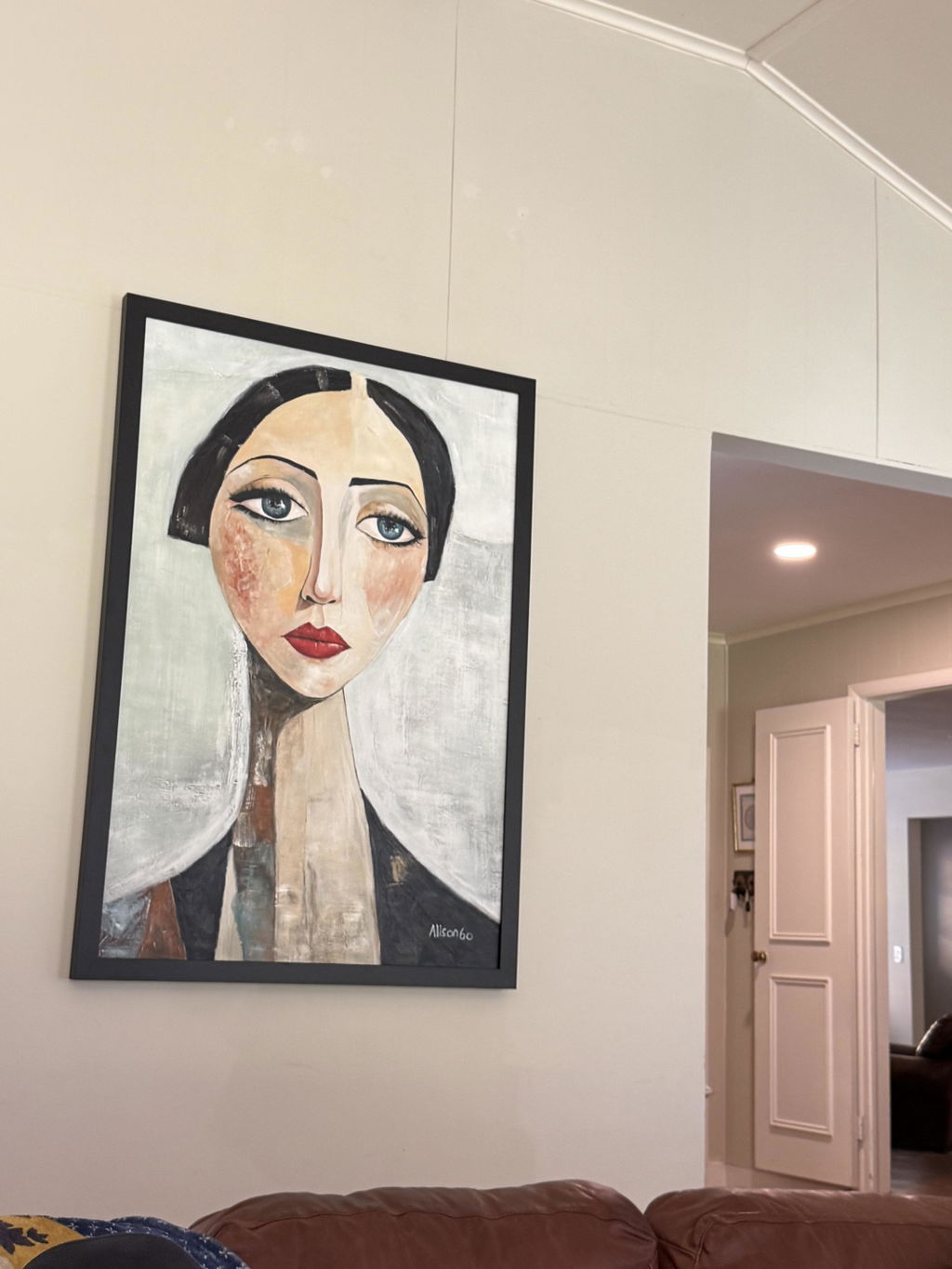
A practical comparison of floater frames and raw stretched canvas for heavy impasto art, covering edge protection, clearance, look, and installation weight.
A practical guide to choosing sophisticated abstract coastal art, reading its color and texture cues, and pairing pieces with modern architectural interiors.
We are so pleased with how our Garden Reverie artwork turned out; it was the perfect piece for our
We are so pleased with how our Garden Reverie artwork turned out; it was the perfect piece for our entryway. The initial version we saw for approval didn't quite capture the original artwork - the palette knife work was too heavy - but MontaCarta team was very easy to work with and the artist turned around revisions quickly. We love how it turned out.
Beautiful artwork and even more impressive in person. The texture and detail are gorgeous, and it looks perfect in my office. The option to customize and positive customer service added so much to the overall experience. I only wish the lovely artist would have signed her work. This should be an option, to be sure! Thank you for the piece, I couldn't be happier with it!
The sculpted ridges and layered surface are beautifully done. You can clearly see that this is a hand-finished piece rather than a flat printed canvas.