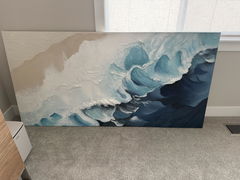
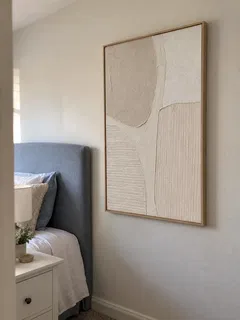
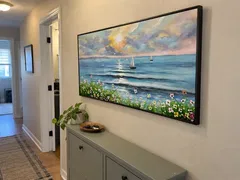
Discover all exquisite original oil and acrylic paintings. Elevate your space with stunning art.

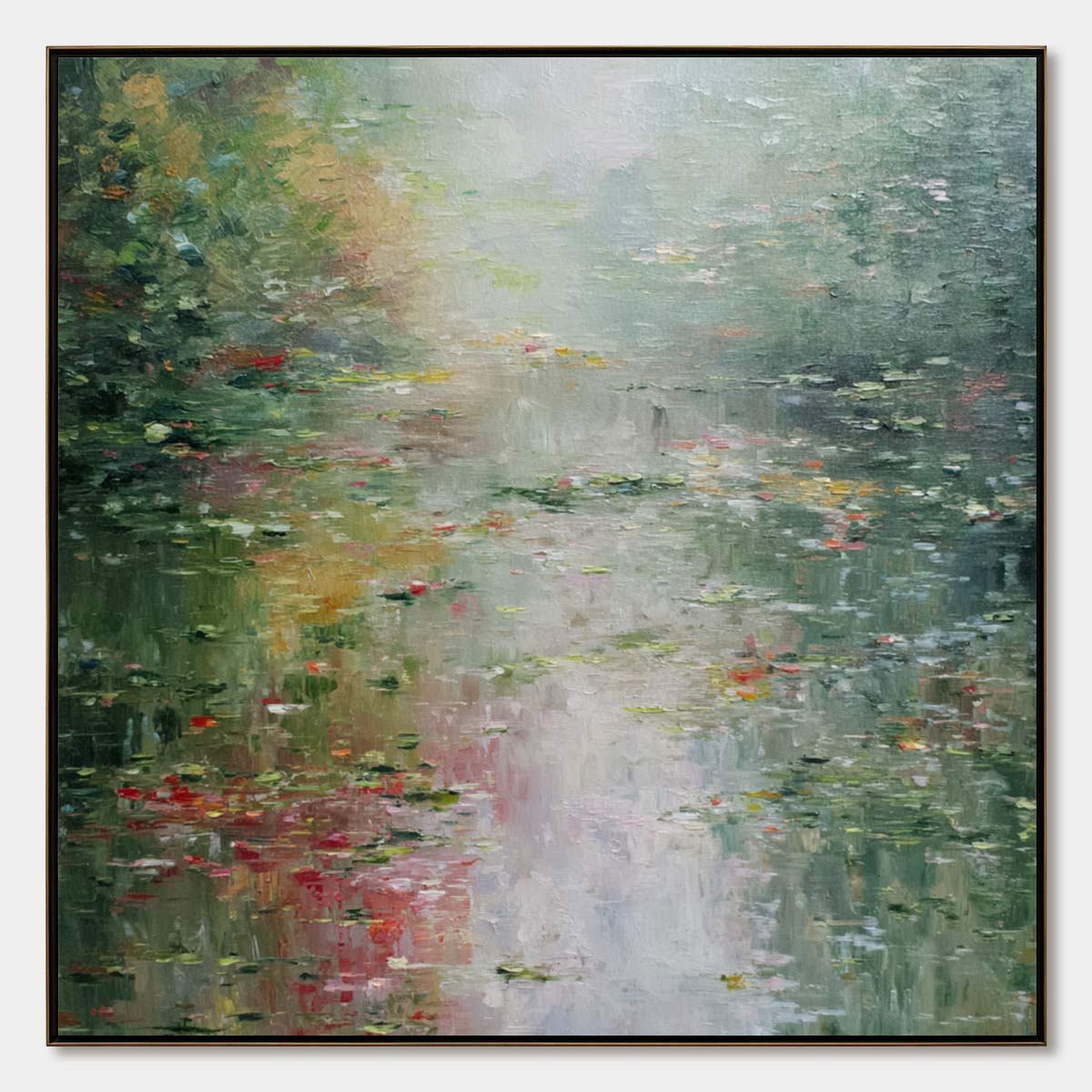




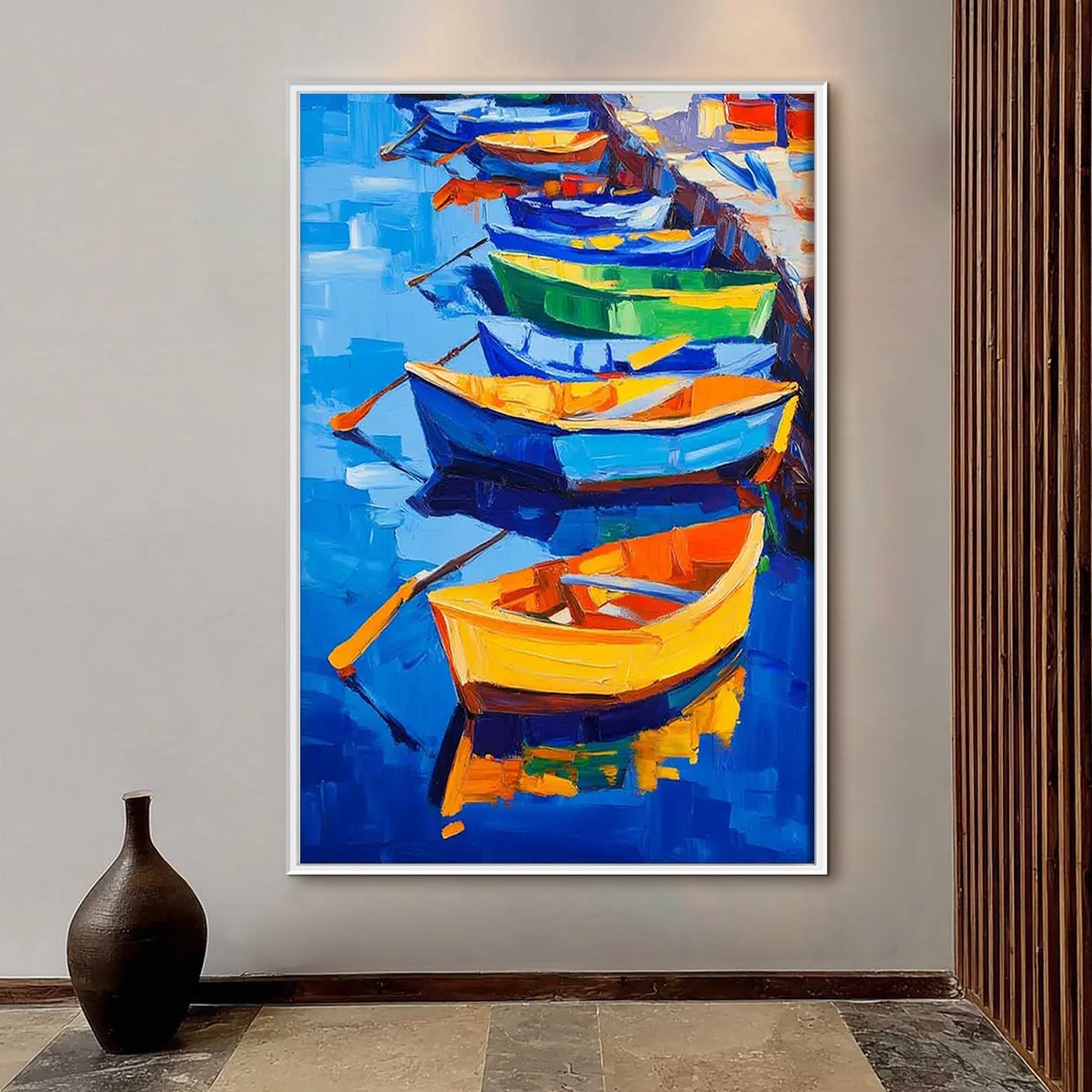
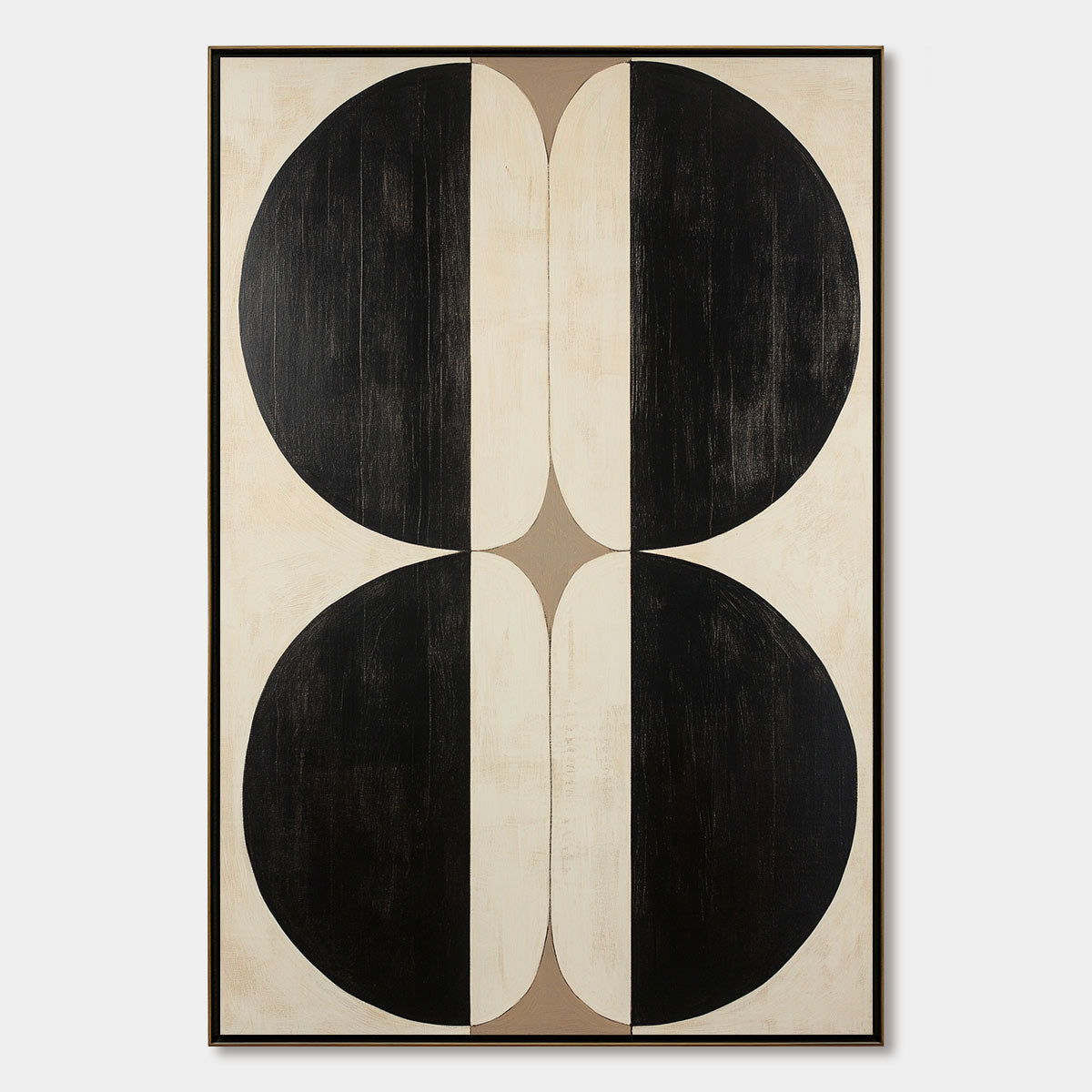

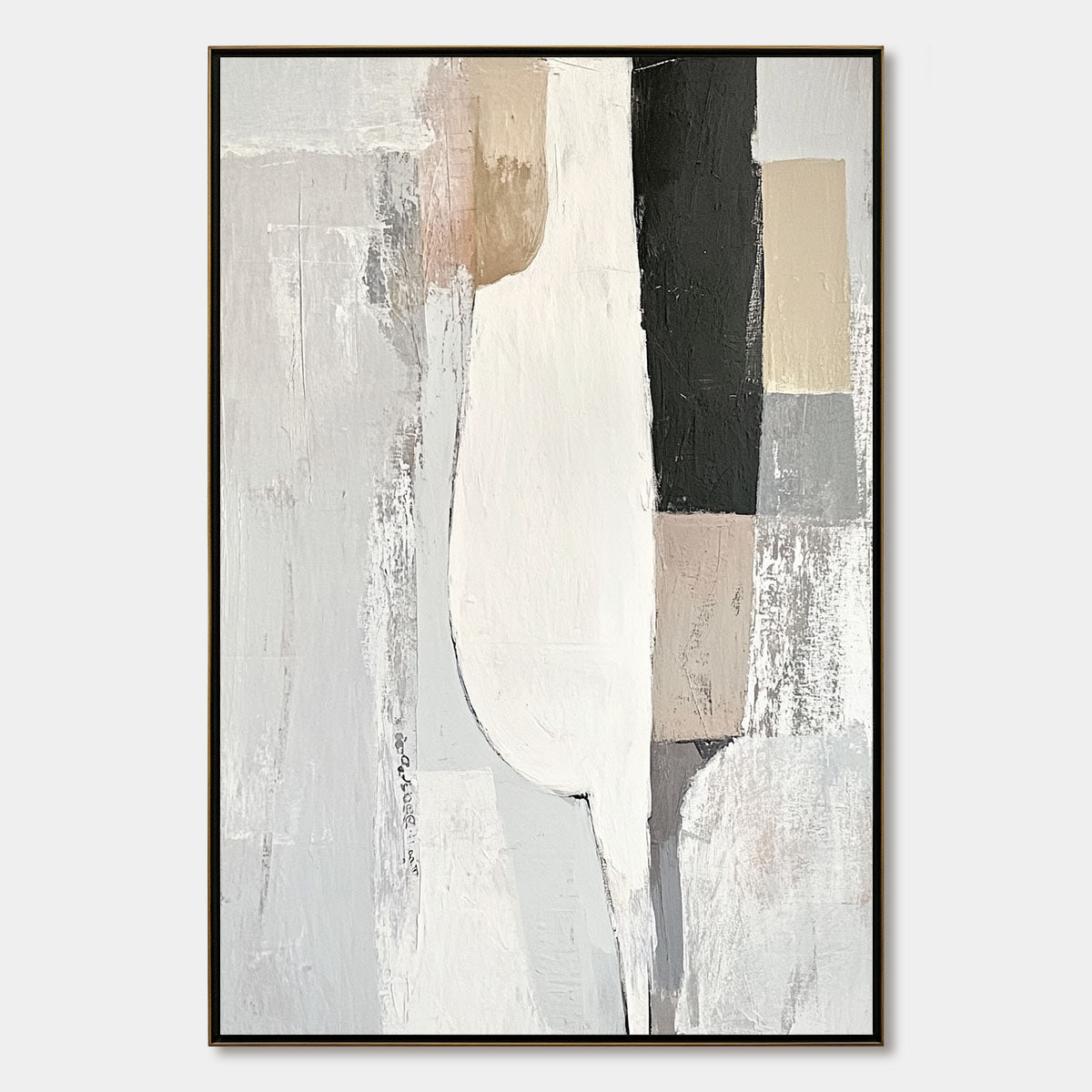
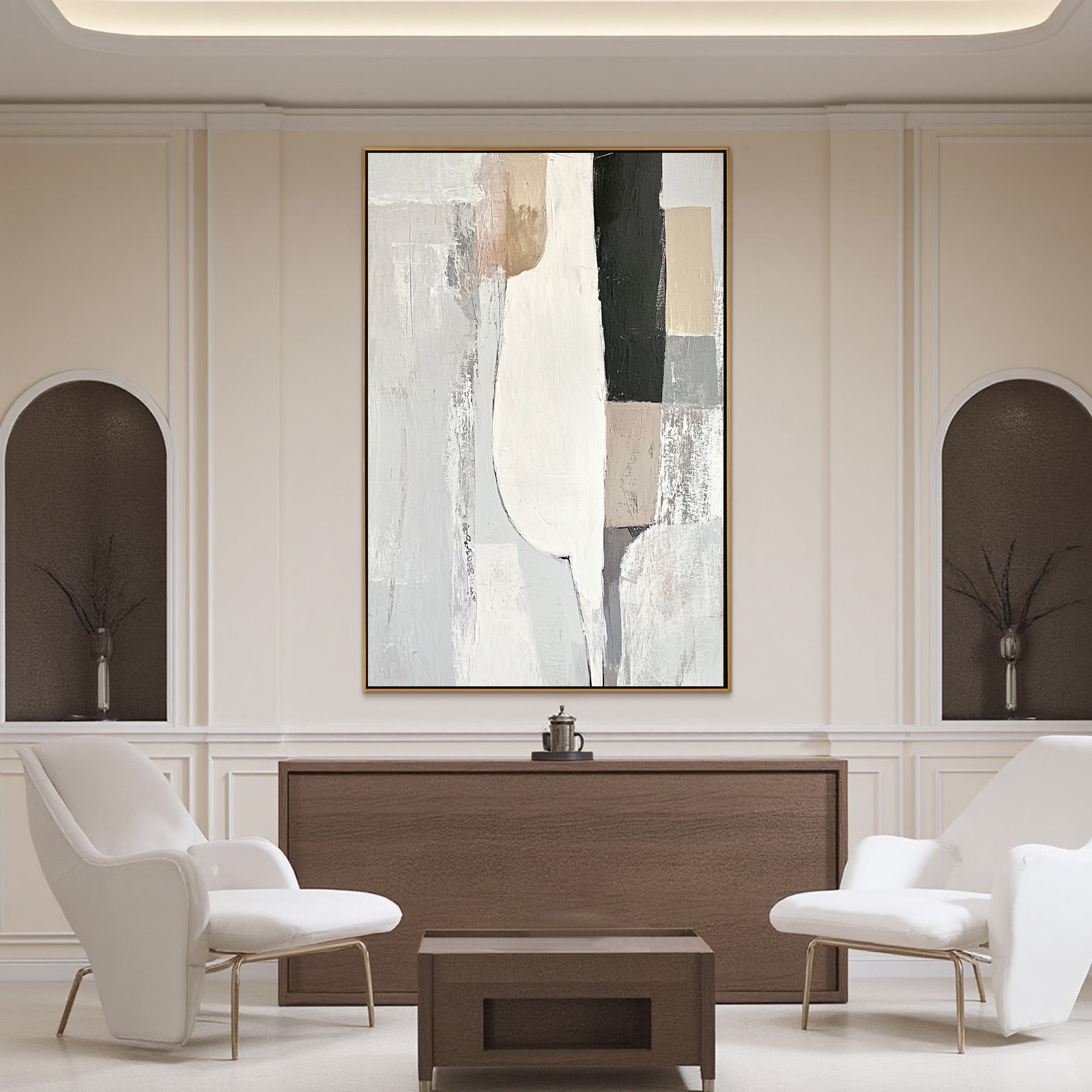


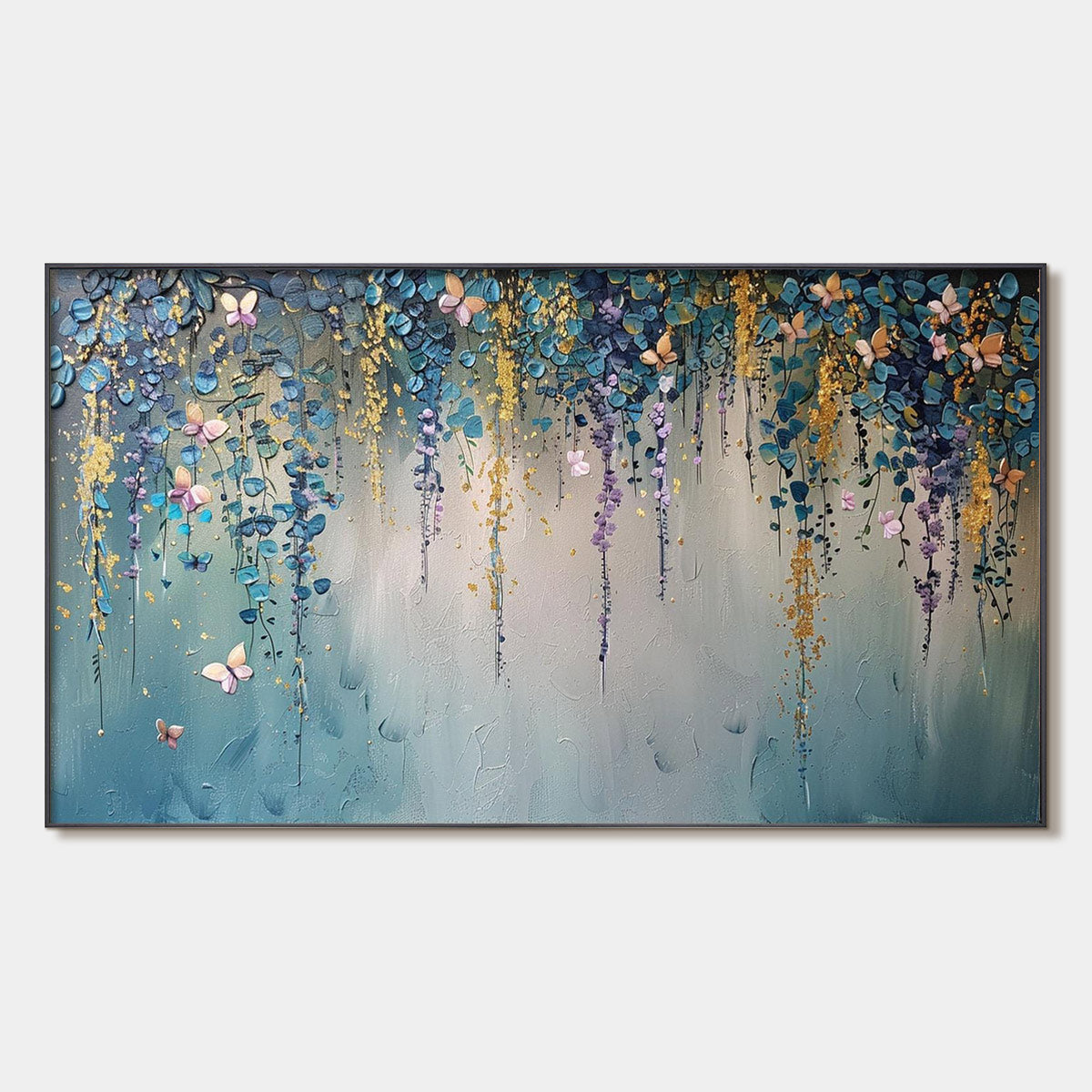
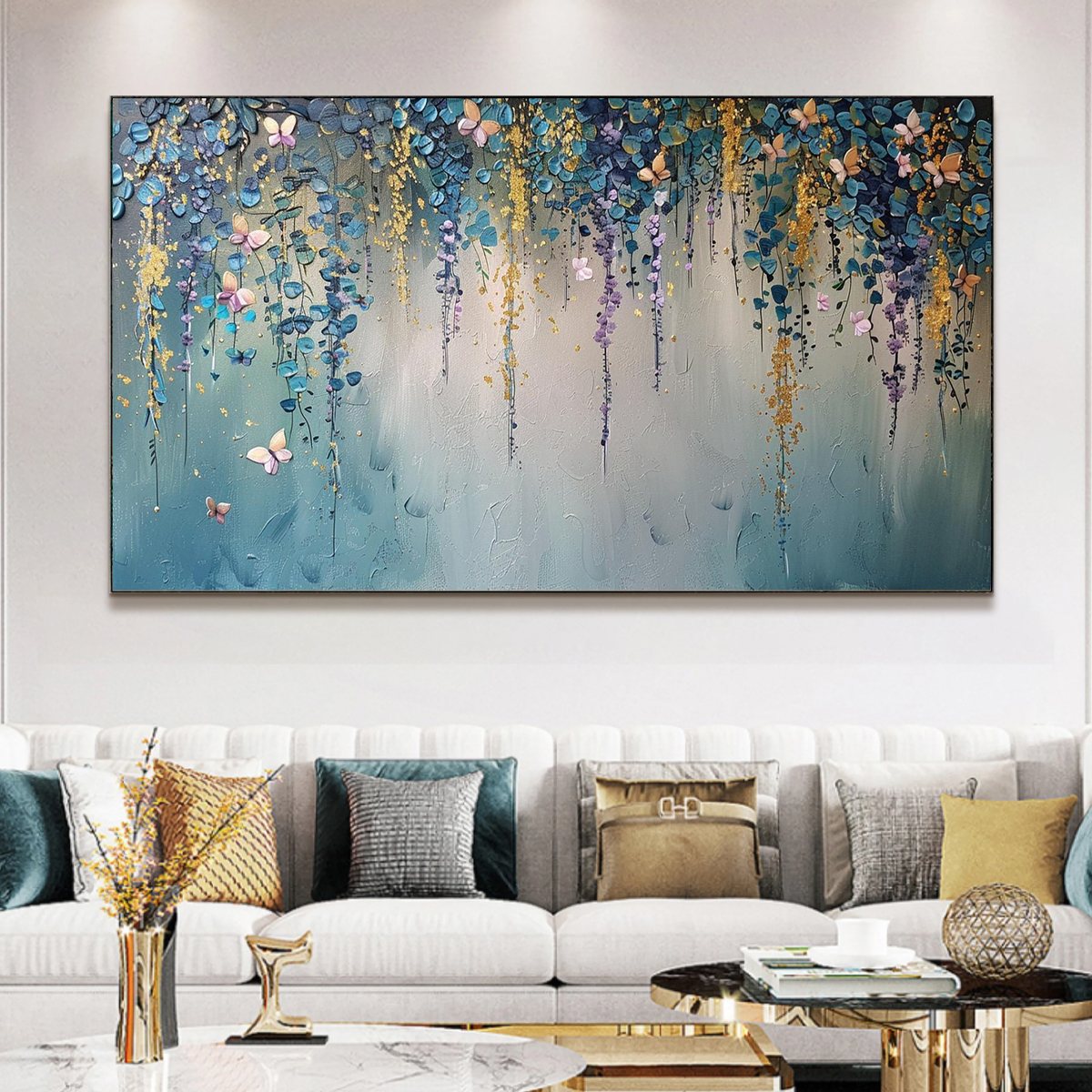








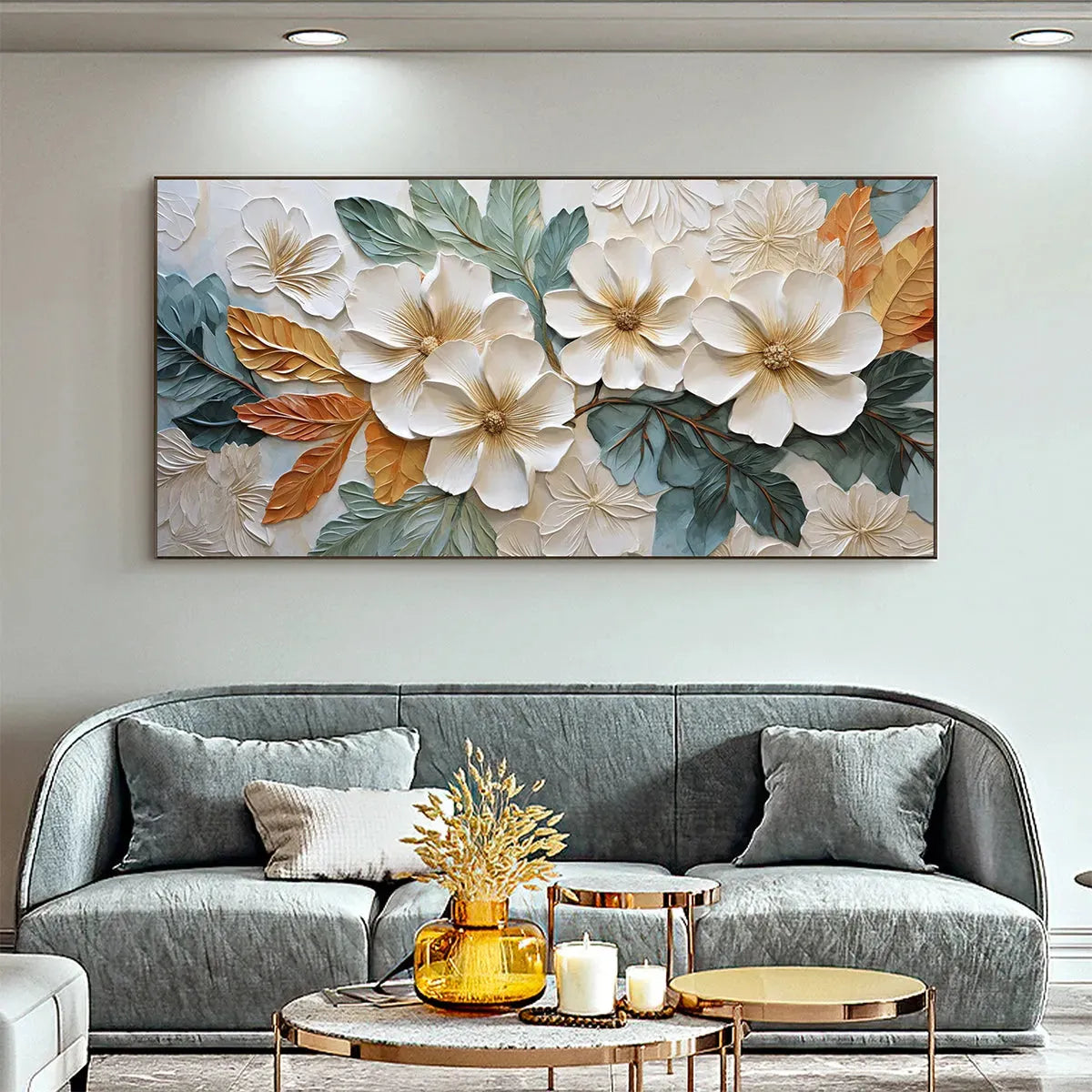
Original Paintings: Find a Subject, Texture and Format You Love
Finding a painting is easier when you give yourself one useful starting point. You might already know the wall it will hang on, be drawn to a particular color, or want a subject that means something to you. Begin there, then use the collection filters to compare a smaller group of works. You can refine the size and framing once the image feels right.
MontCarta's collection includes hand-painted works in oil and acrylic, with abstracts, landscapes, florals and figurative subjects to explore. Materials, proportions and available options vary by artwork, so read the individual listing as you build your shortlist.
Start with the part of a painting you notice first
Look at several works without trying to match every color to your room. Notice what holds your attention: a recognizable place, a single figure, a flower, or the movement of paint across the surface. That response gives you a more useful direction than choosing only by the color of a cushion.
If you like an image with an everyday story, Afternoon Stroll by Yan Nan Li shows a figure carrying a bouquet with a dachshund nearby. Its beige ground, muted greens and dark blue details create a restrained setting for the subject. A work like this can reward a closer look beside a reading chair or in a smaller room where the figure remains visible.
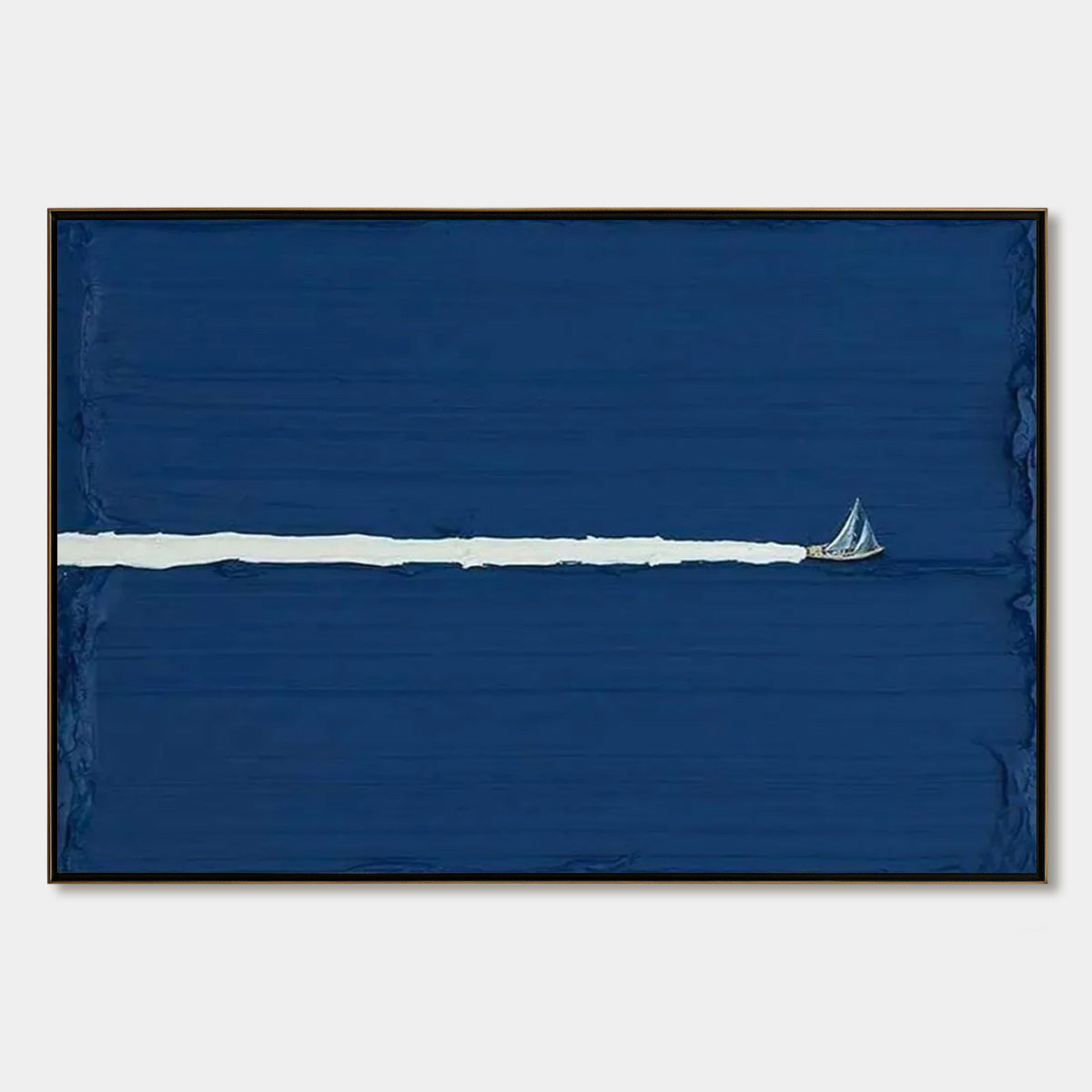
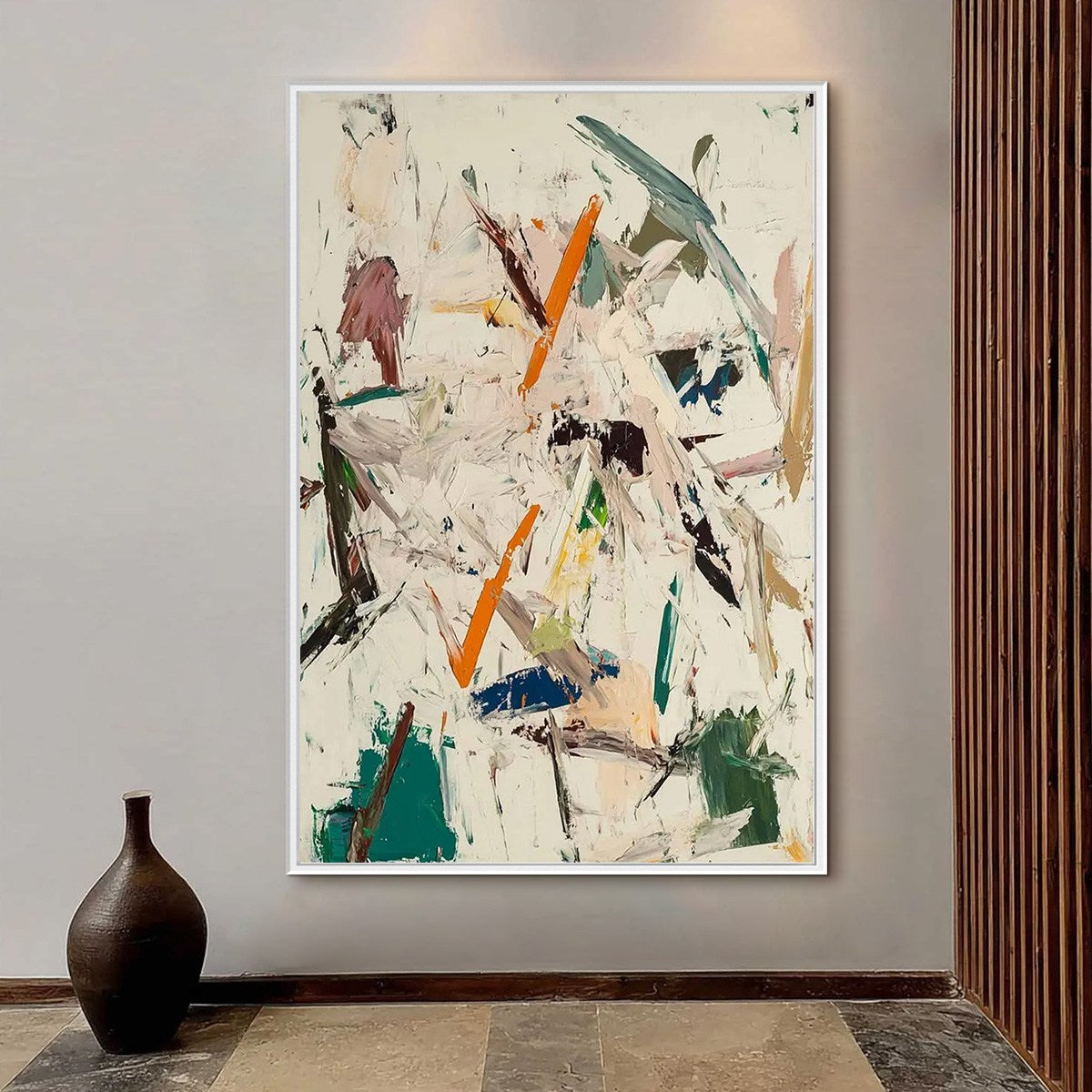
If subject matter is less important to you than shape and color, compare abstract works instead. Keep a few favorites open together and look for the differences that matter to you, rather than making the longest possible list.
Compare quiet surfaces with visible texture
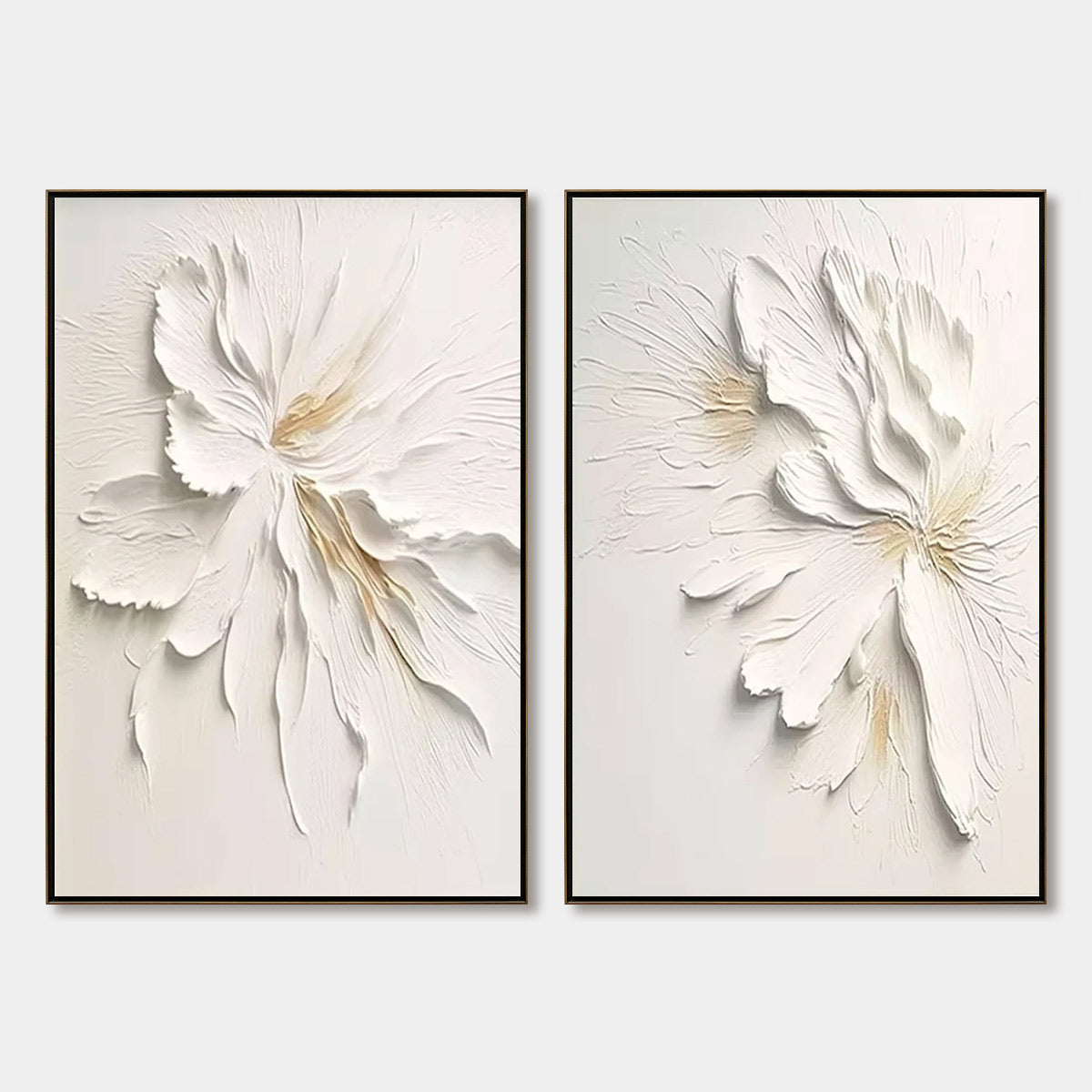
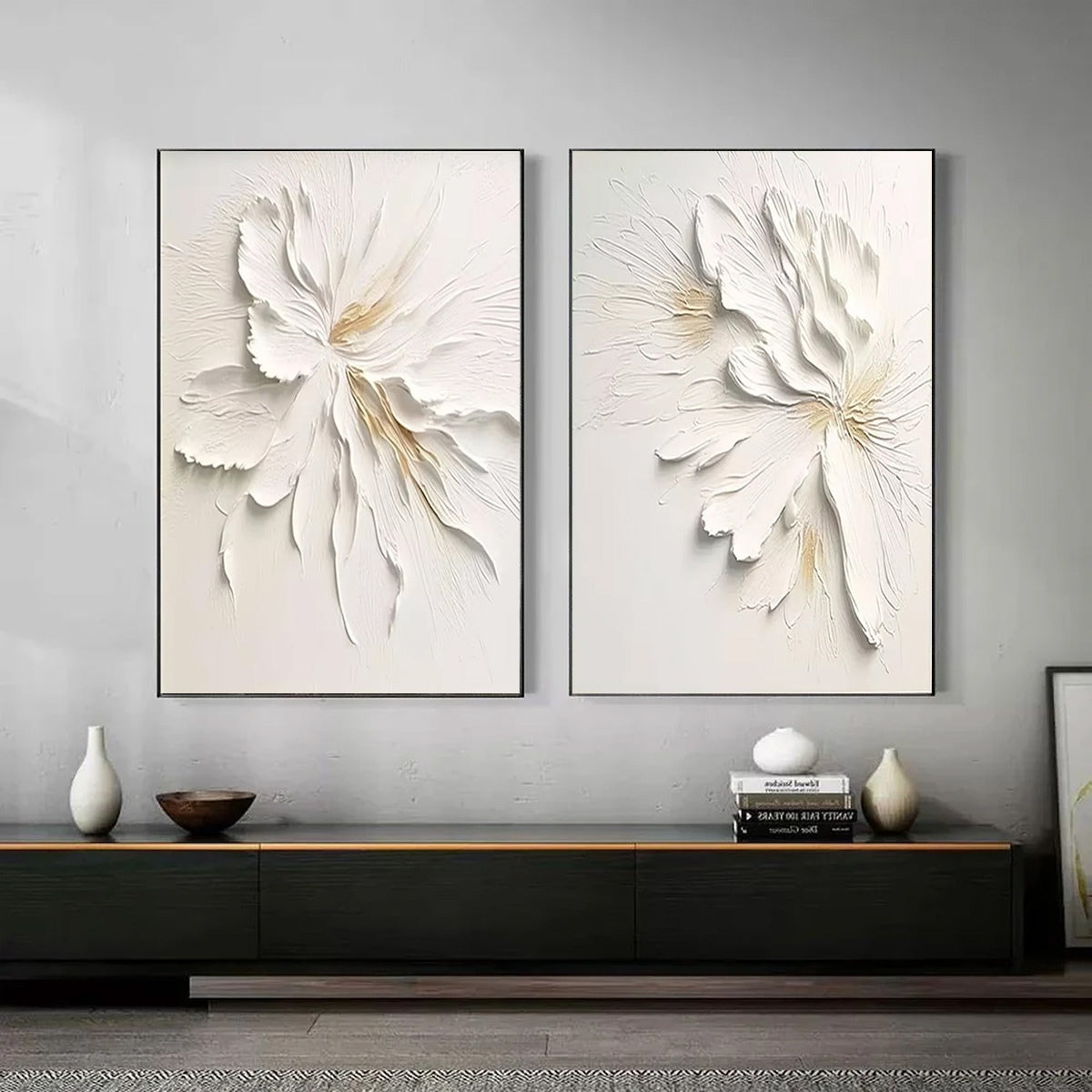
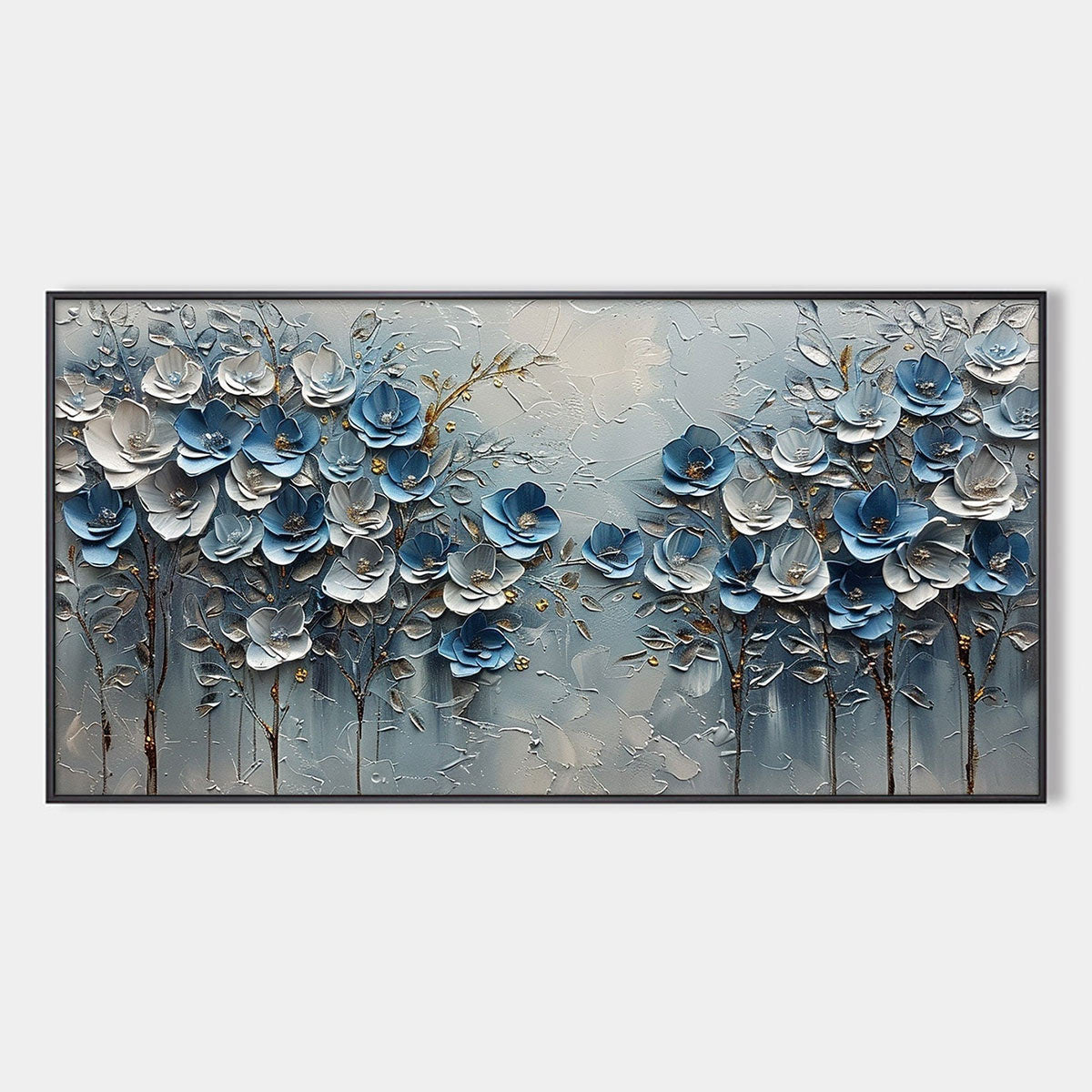
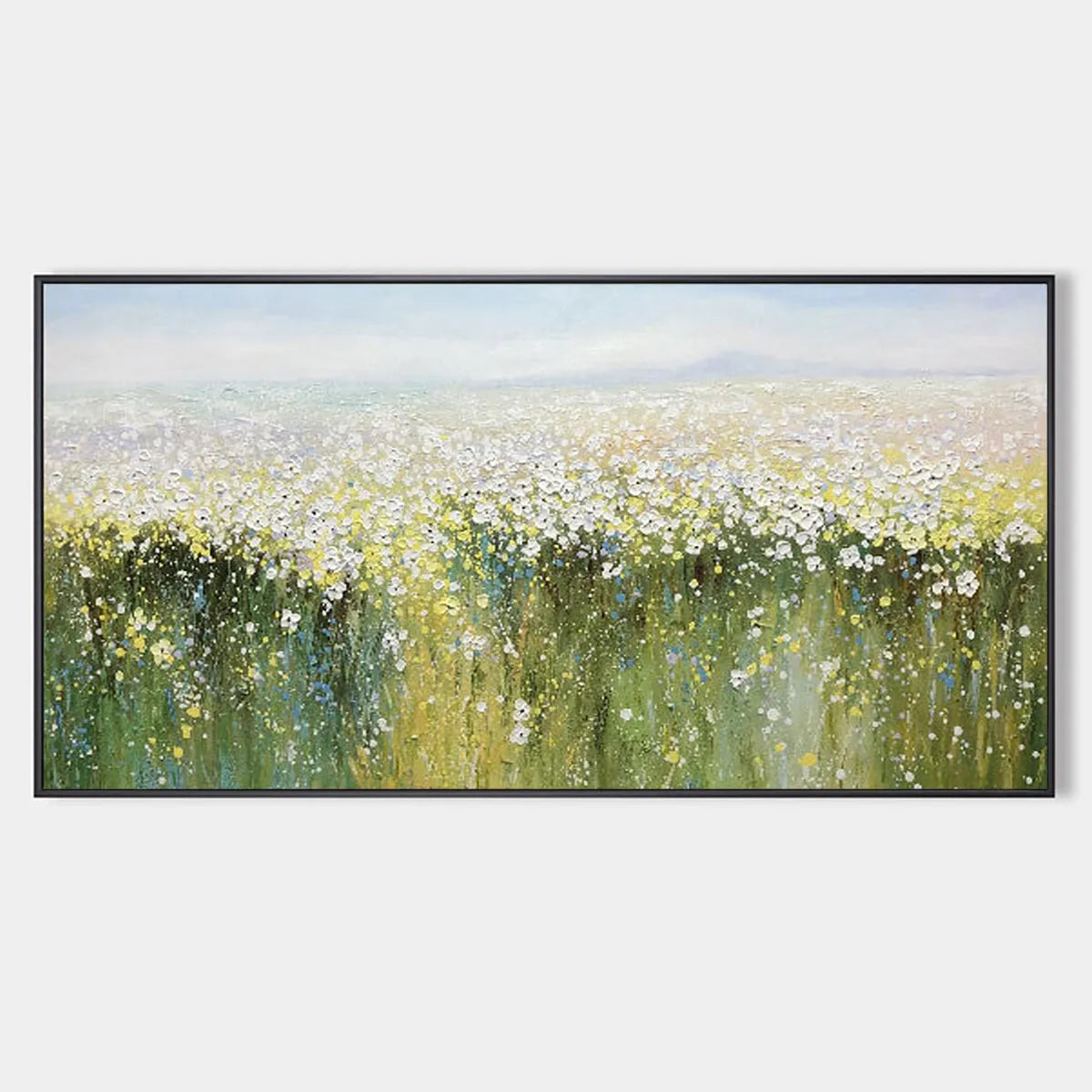
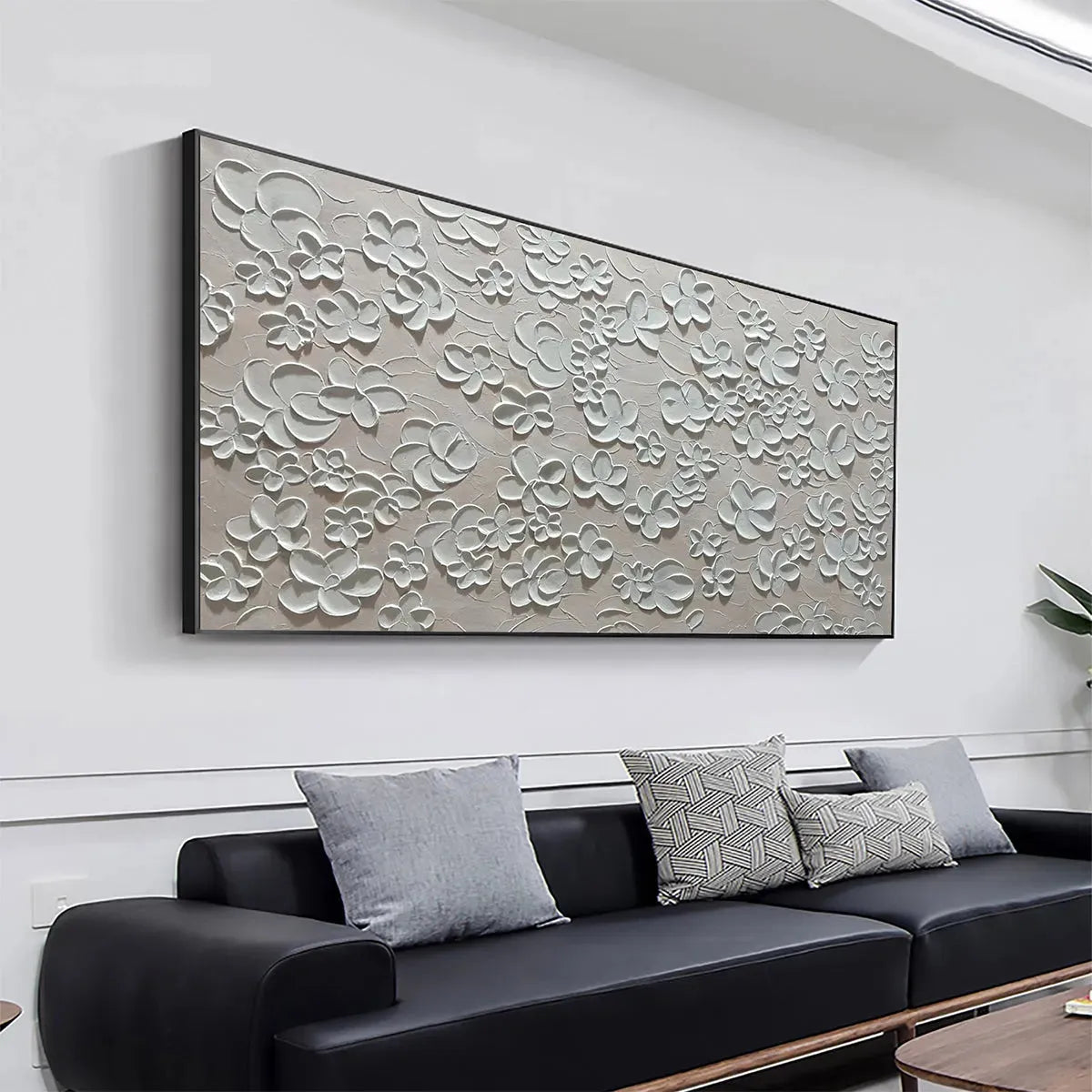
Texture changes what you notice as you move closer to a painting. Look at detail photographs as well as the complete image: a restrained palette can still contain strong ridges and brushwork. Consider the light at your intended location, including nearby lamps and windows.
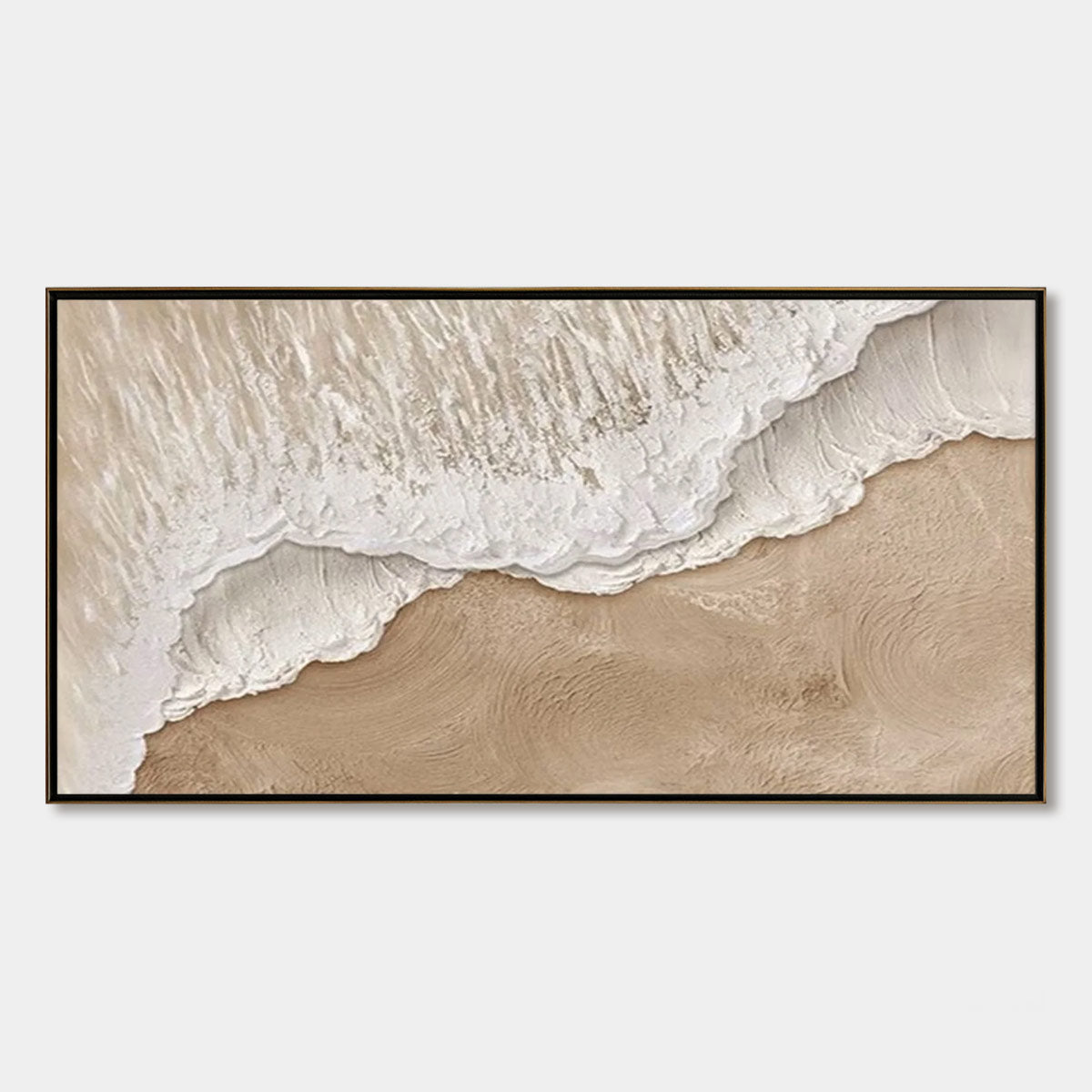
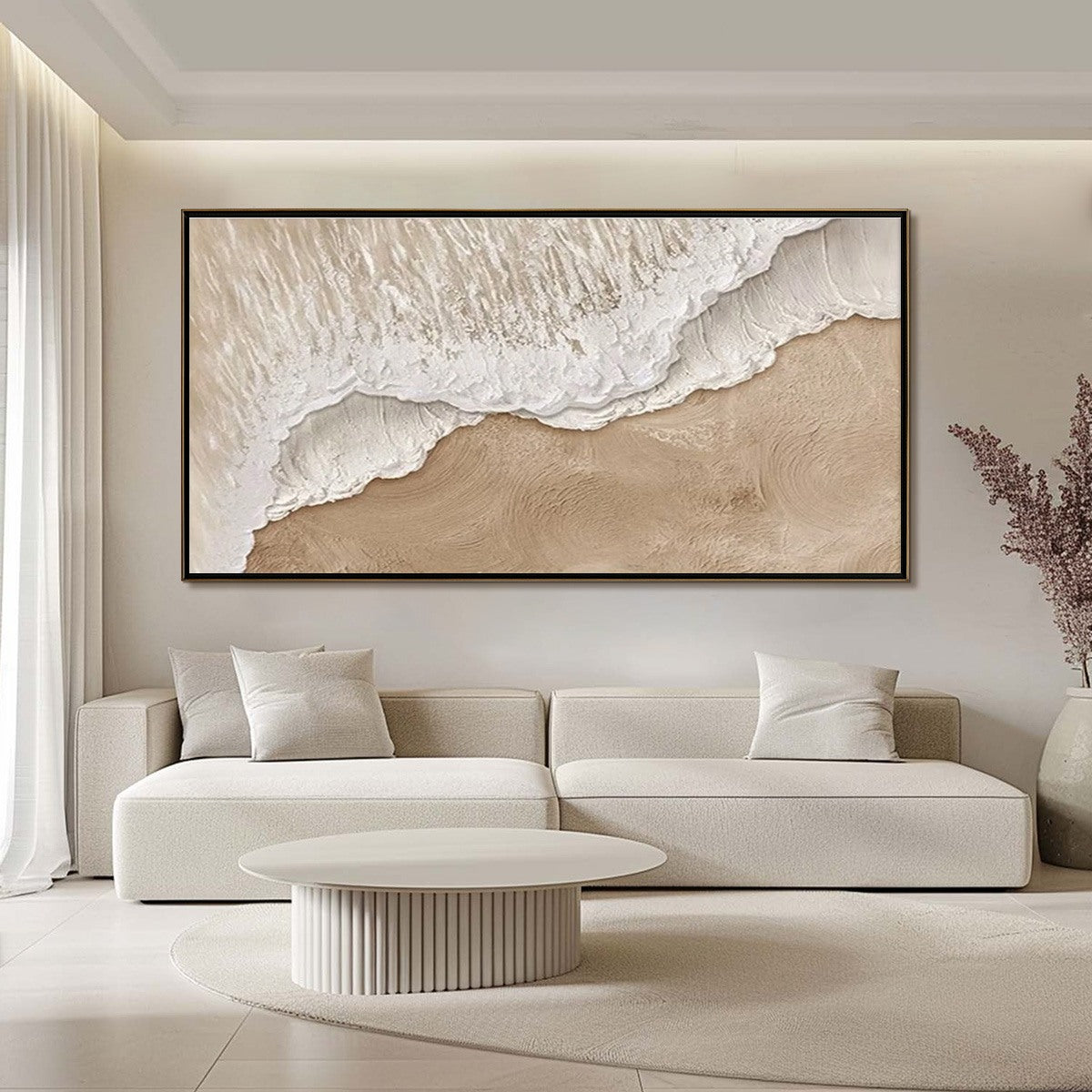
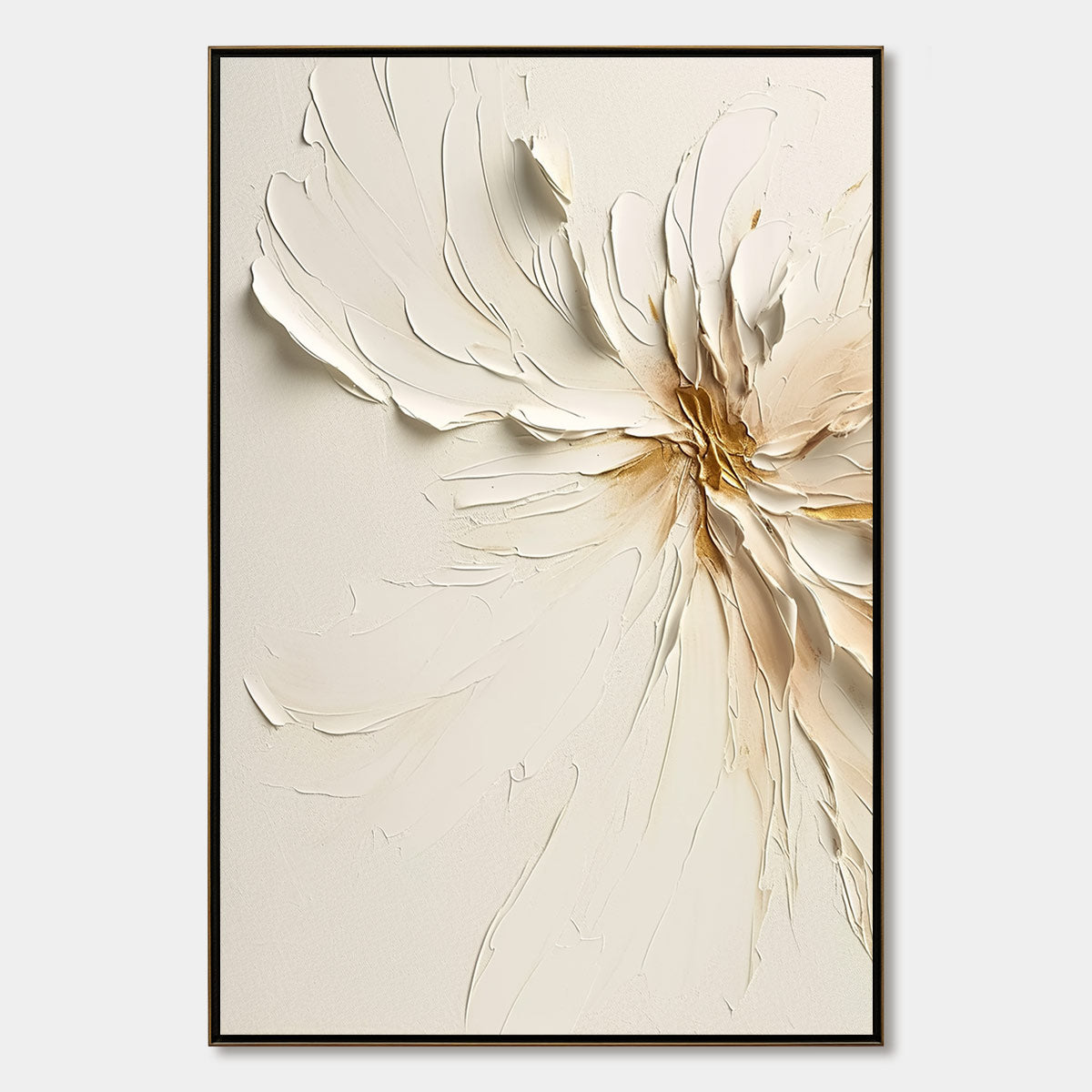
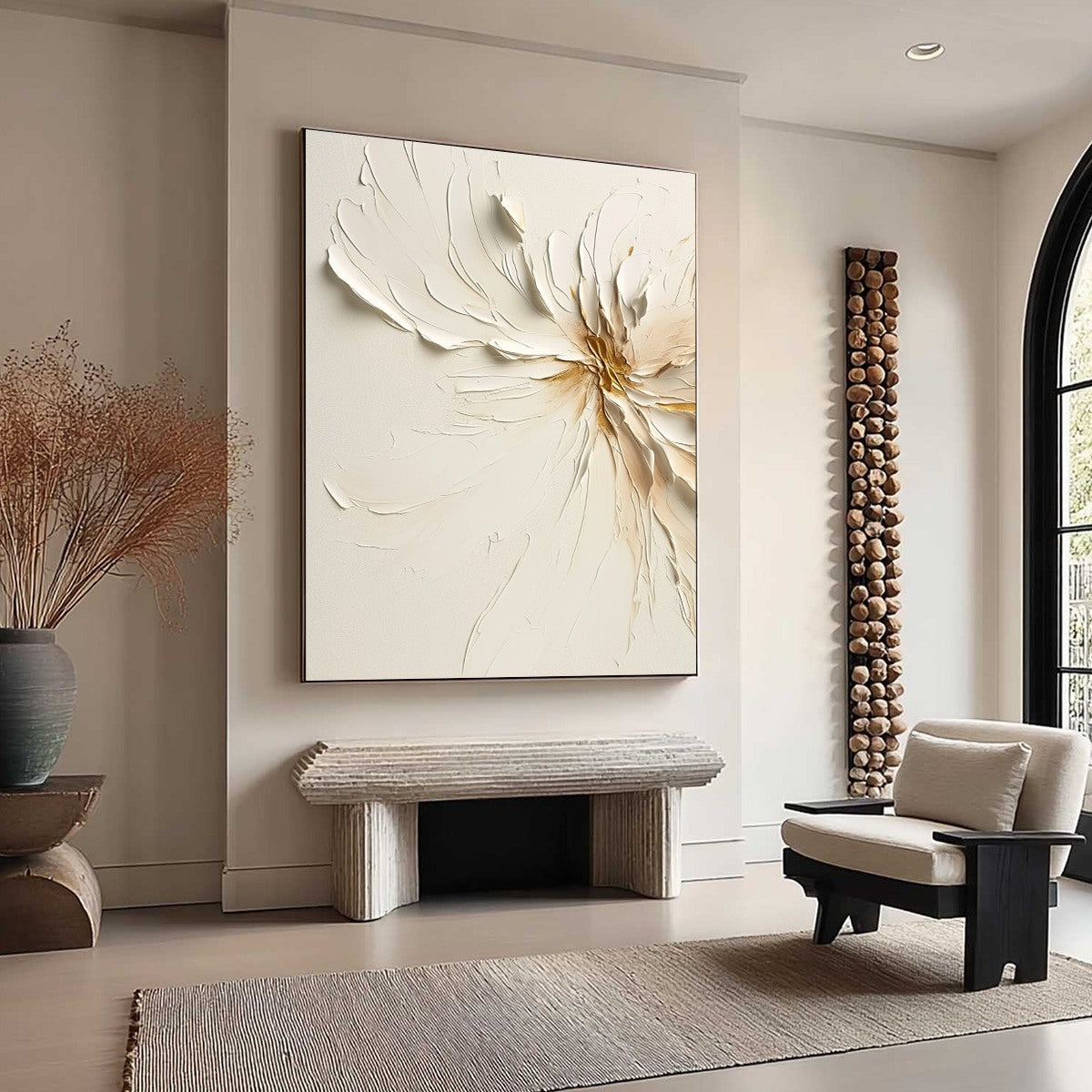
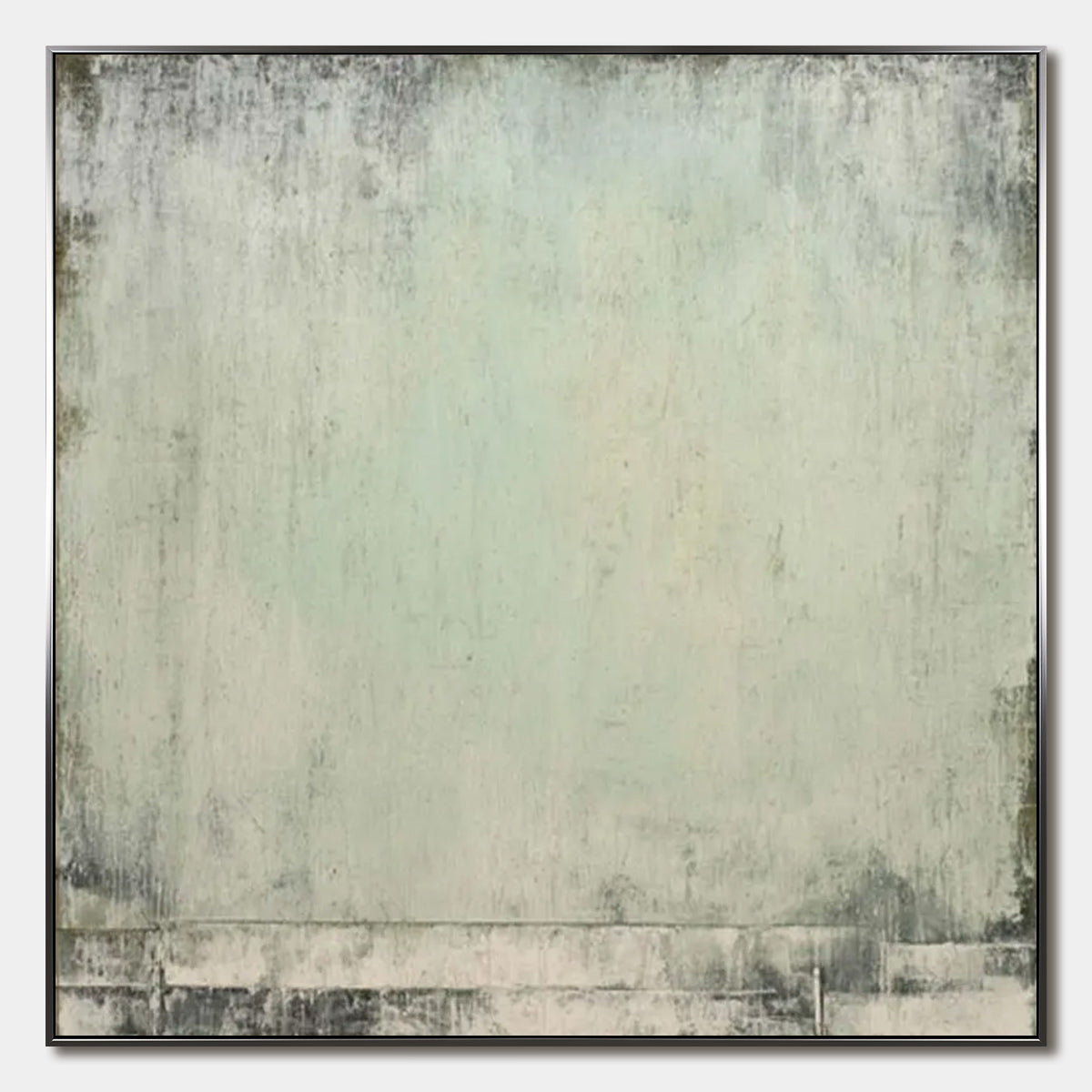
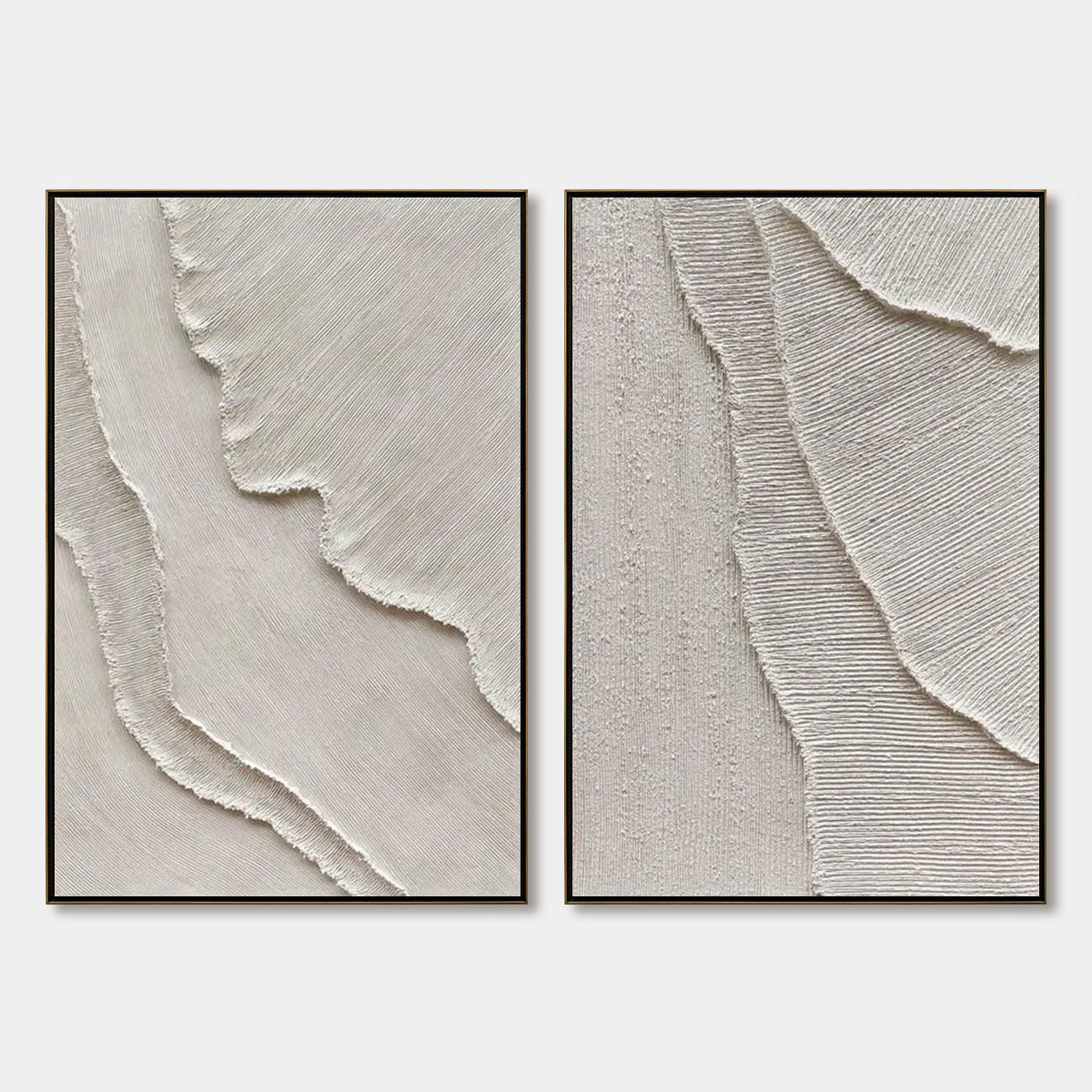
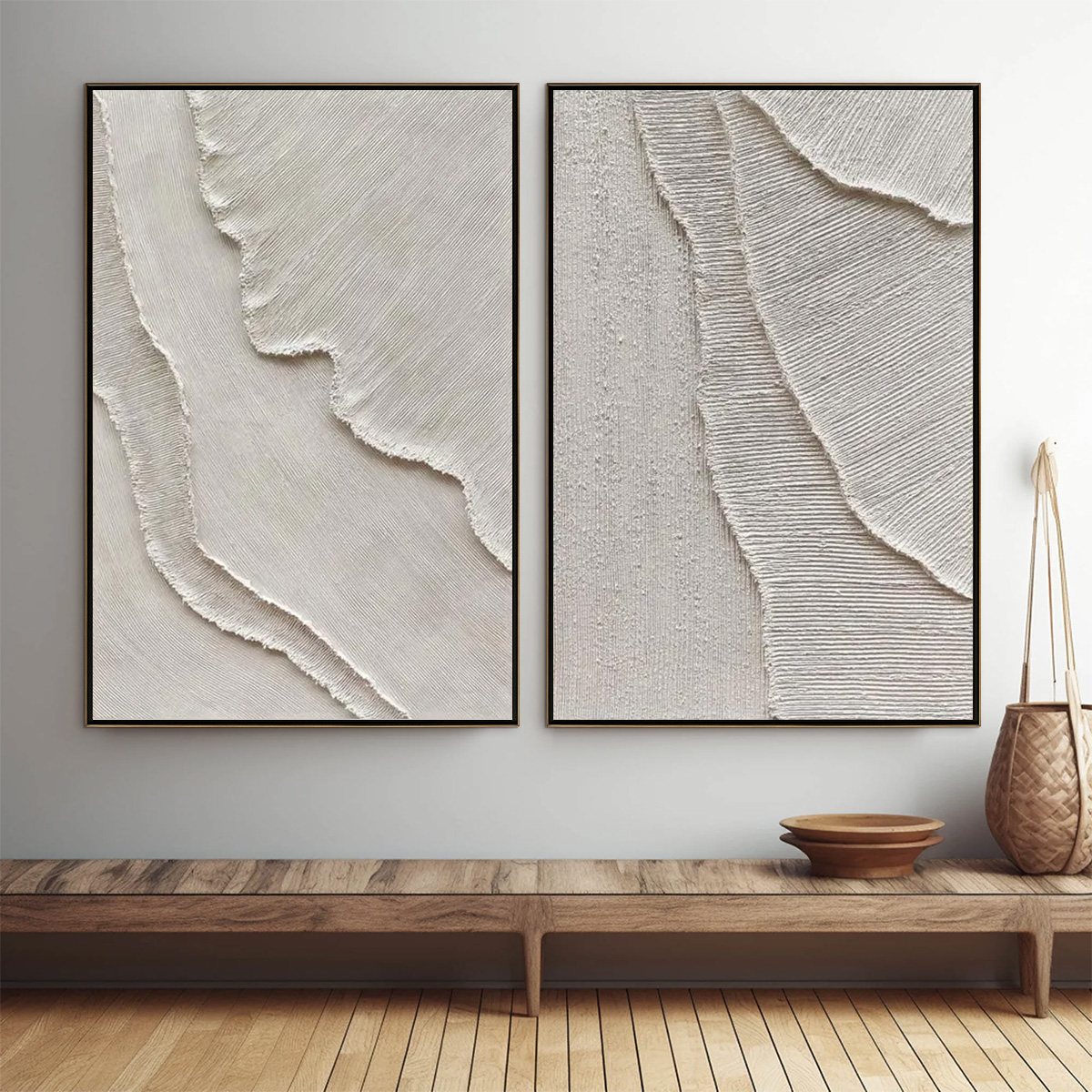
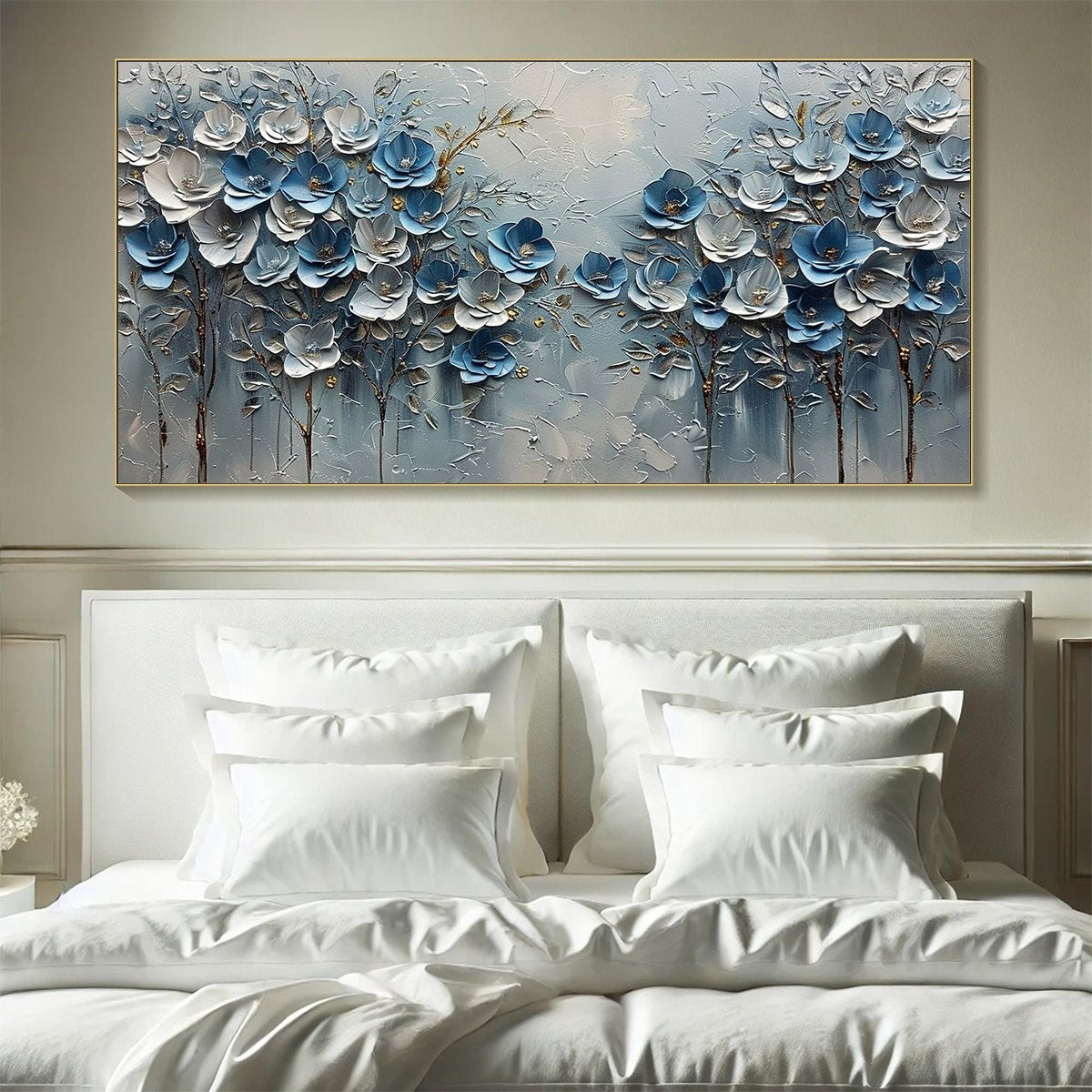
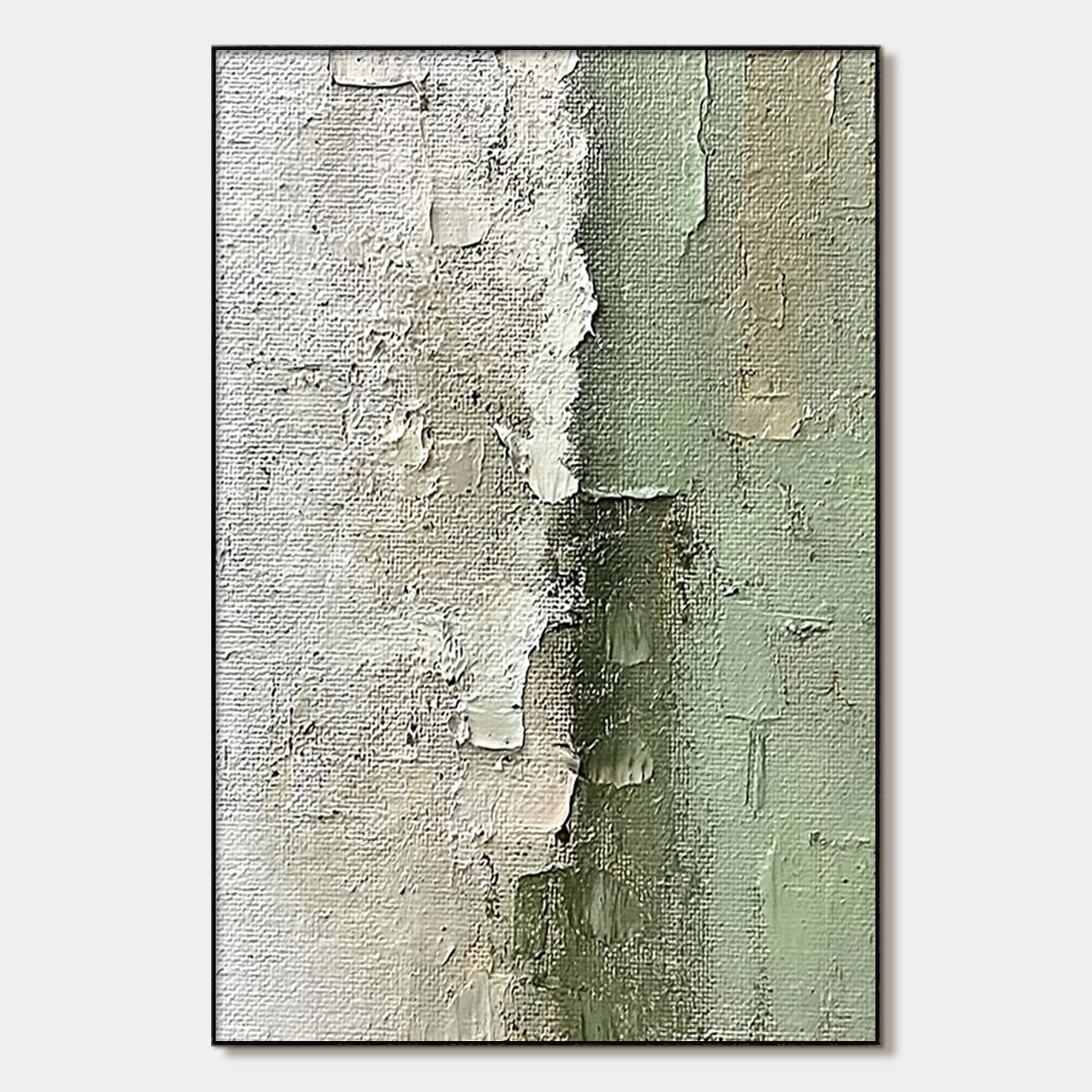
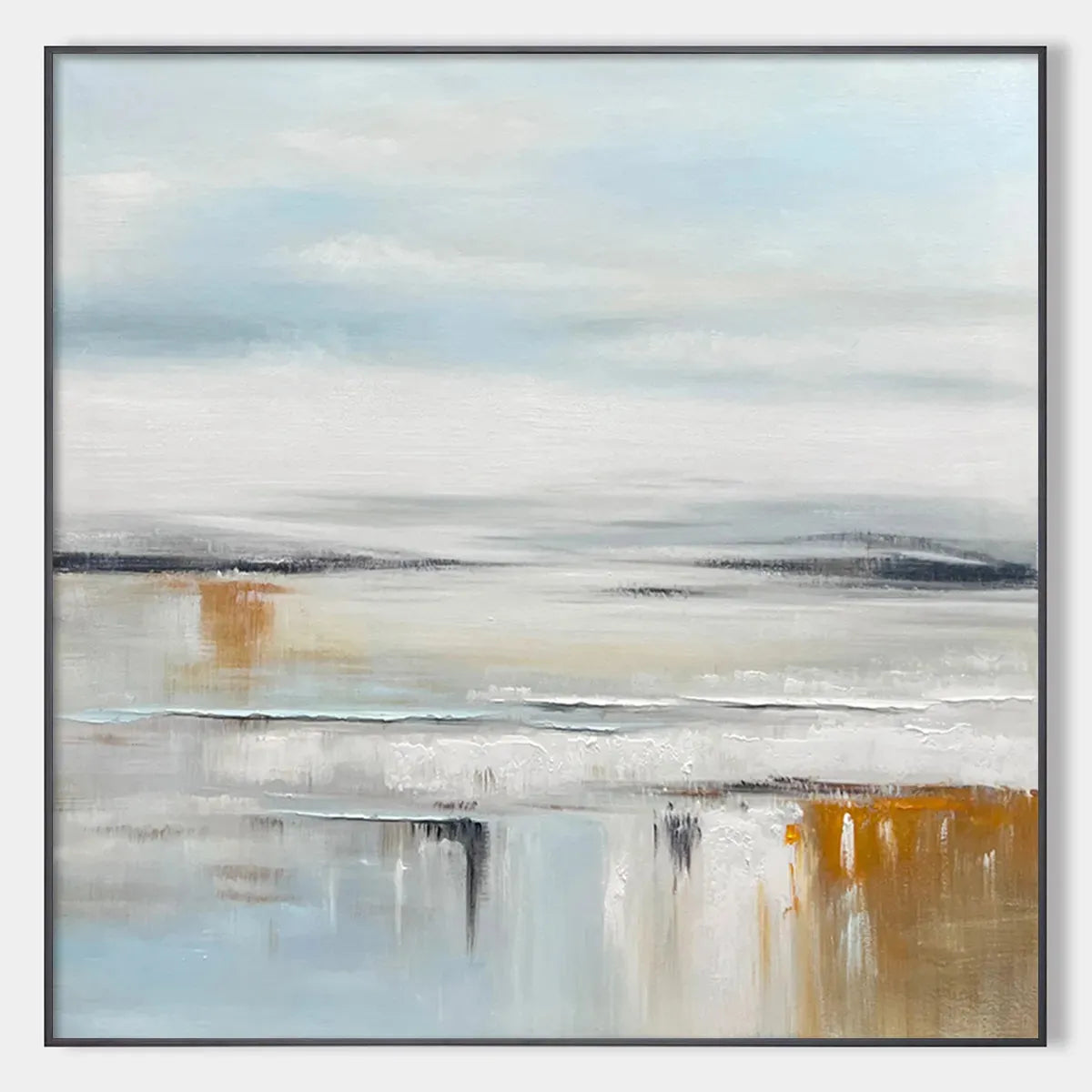
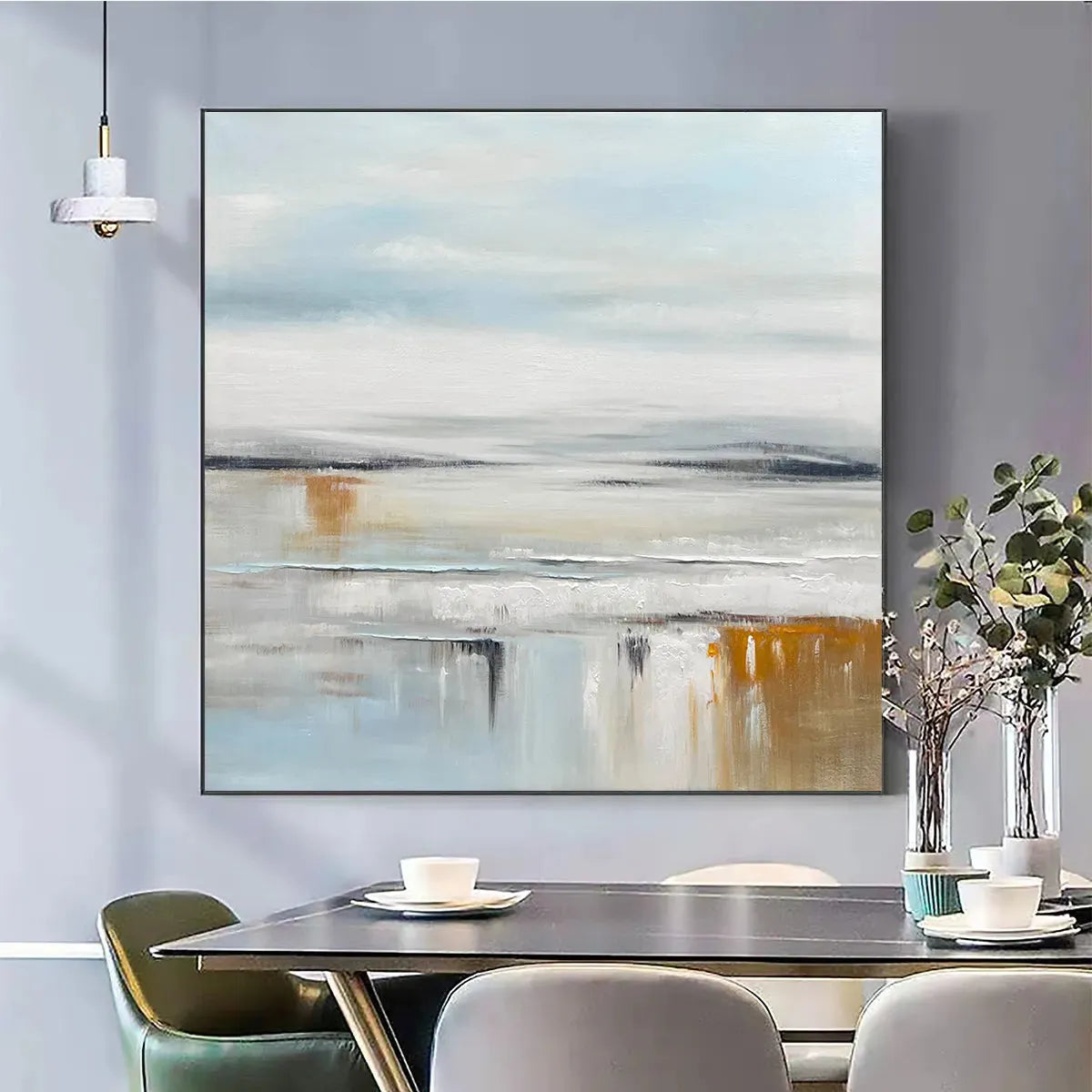
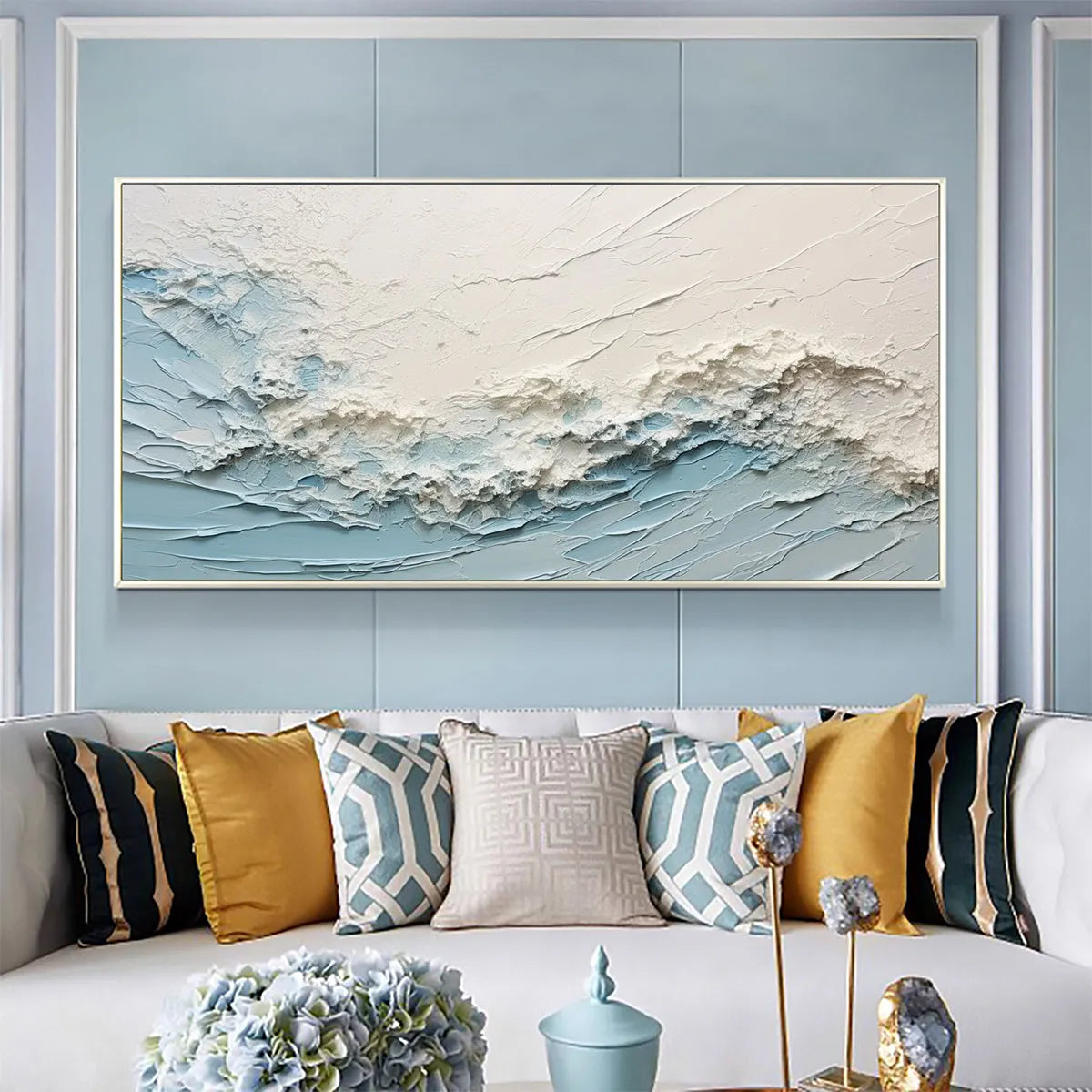
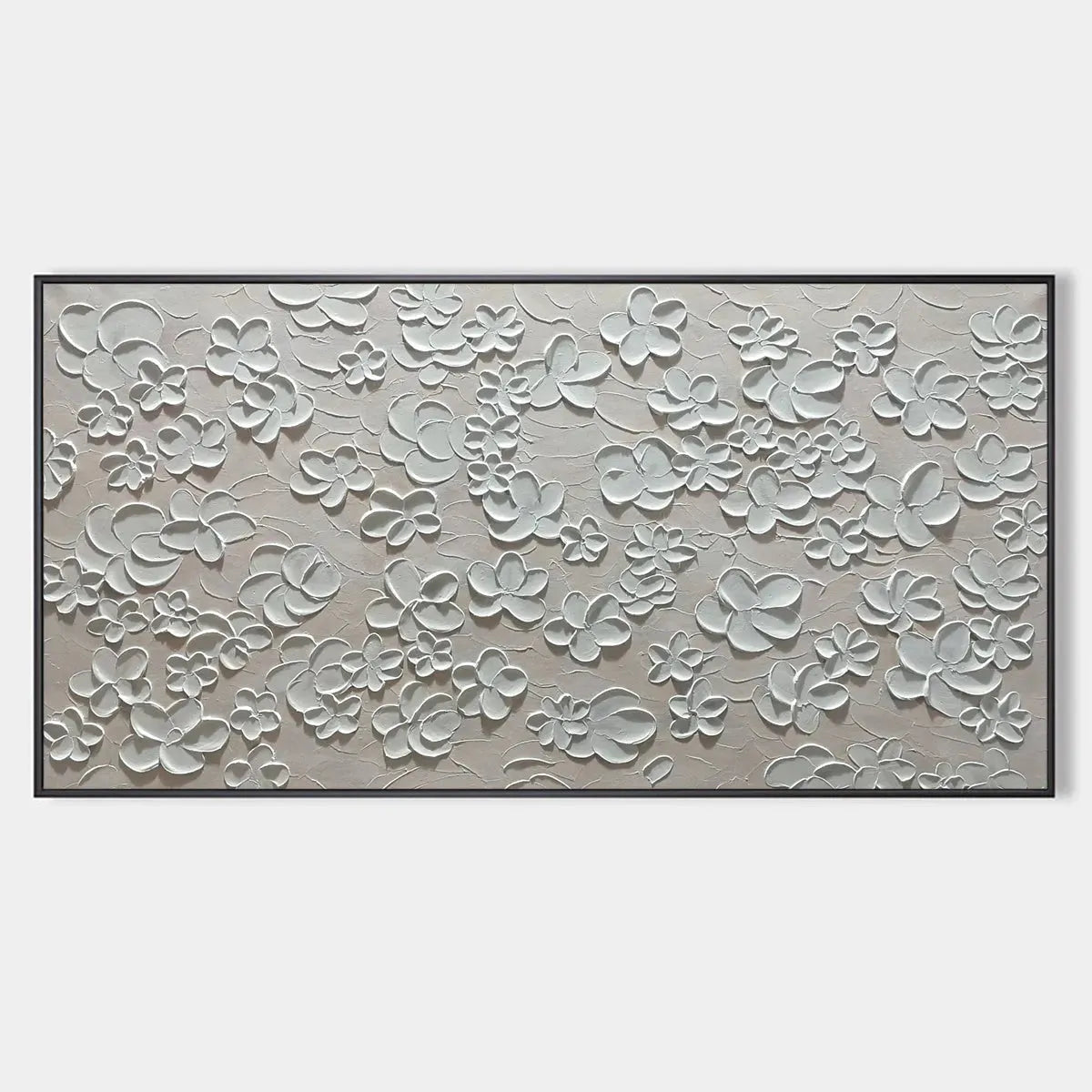
Serene Pathways by Elodie Dubois combines white and beige with impasto texture. It is a useful example of choosing surface detail while keeping the color range narrow. You can use that distinction when comparing it with a busier composition for the same wall.
Explore the impasto collection if raised paint is central to your choice. Read each artwork's material description separately. Both the appearance of the texture and the painting medium deserve attention; one does not reliably tell you the other.
Give color a specific job in the room
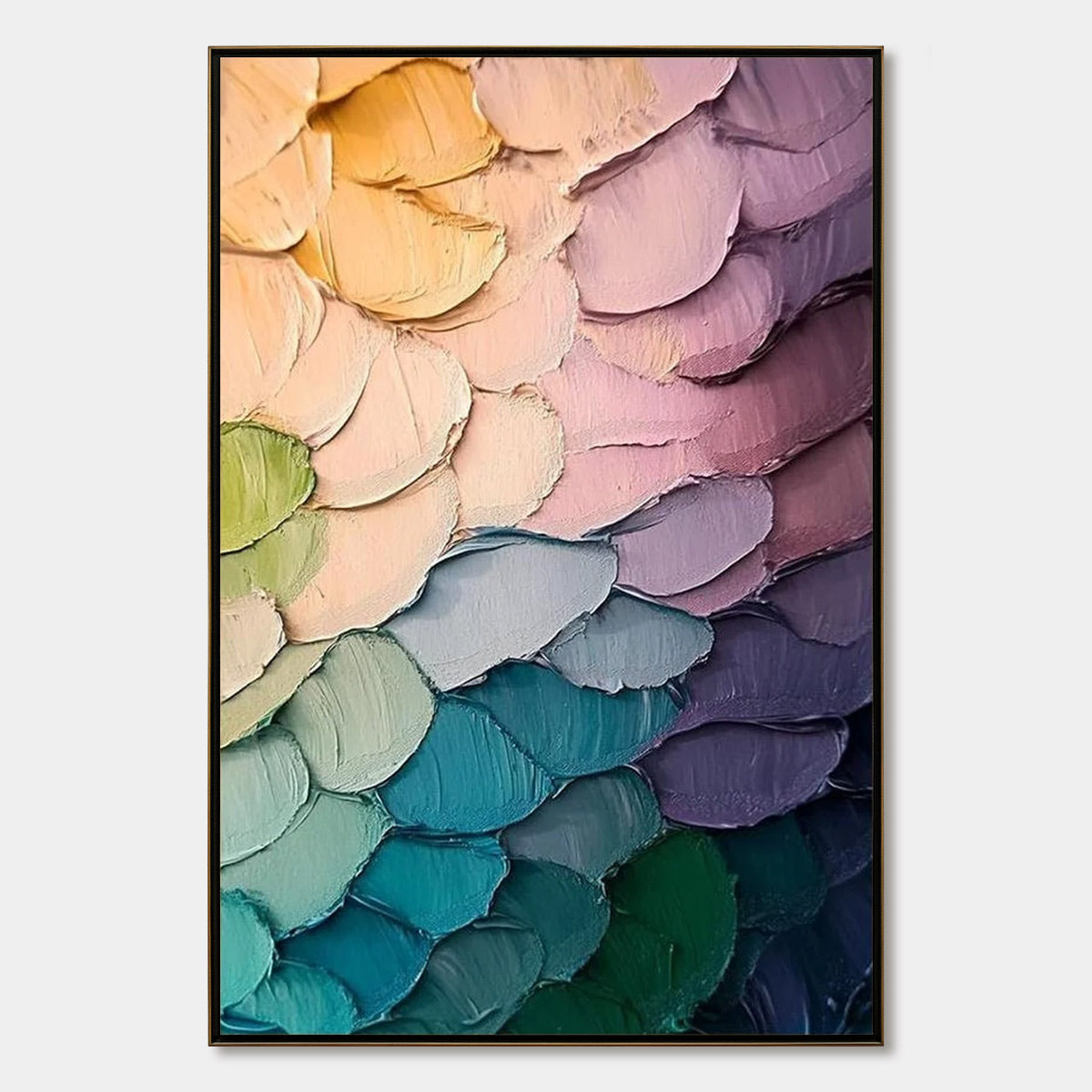
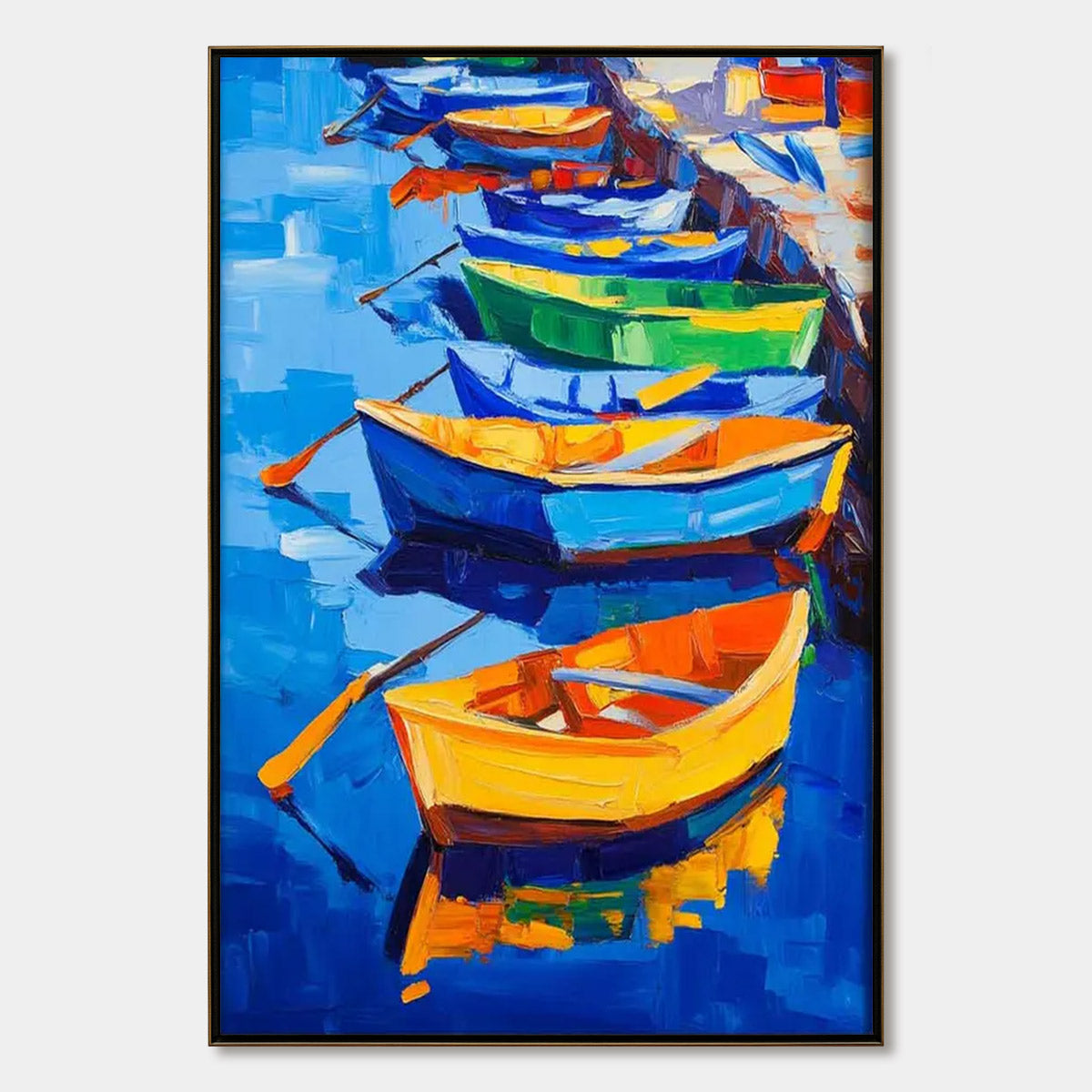
A painting can repeat a color already present or introduce a new accent. Decide which role you want before filtering by color. For a room with several patterned textiles, a narrower palette may be easier to coordinate. A simple room can leave more space for contrasting colors and a stronger subject.
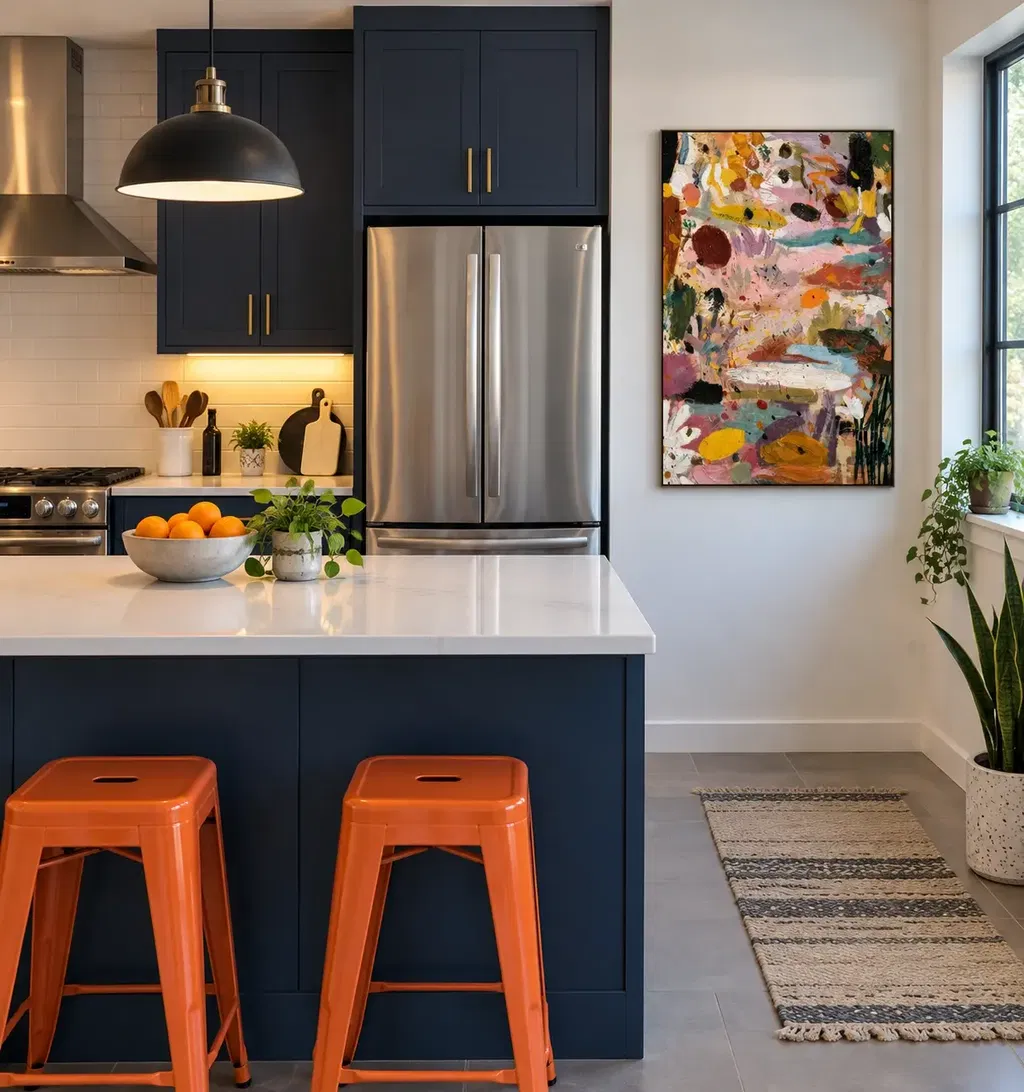
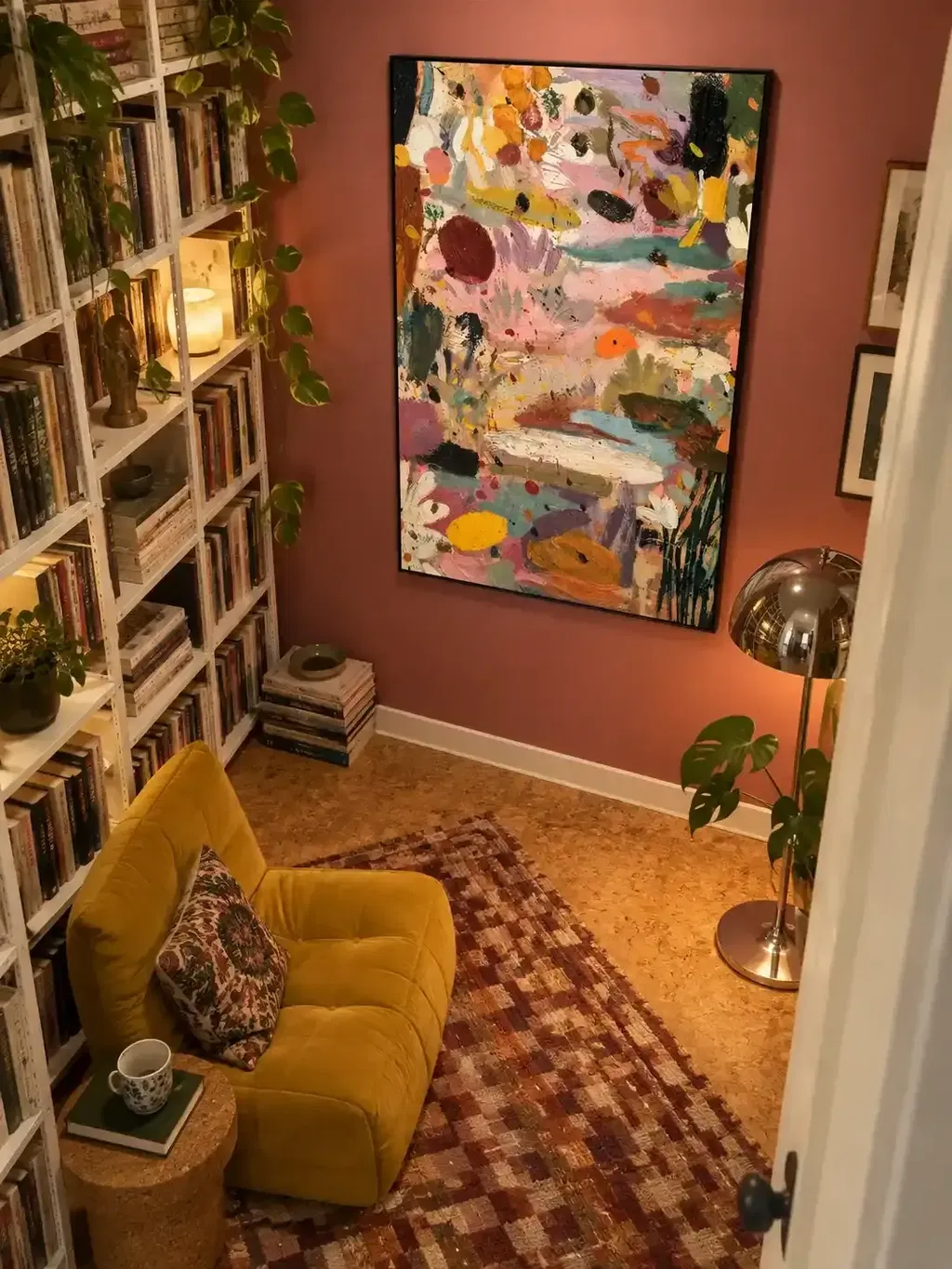
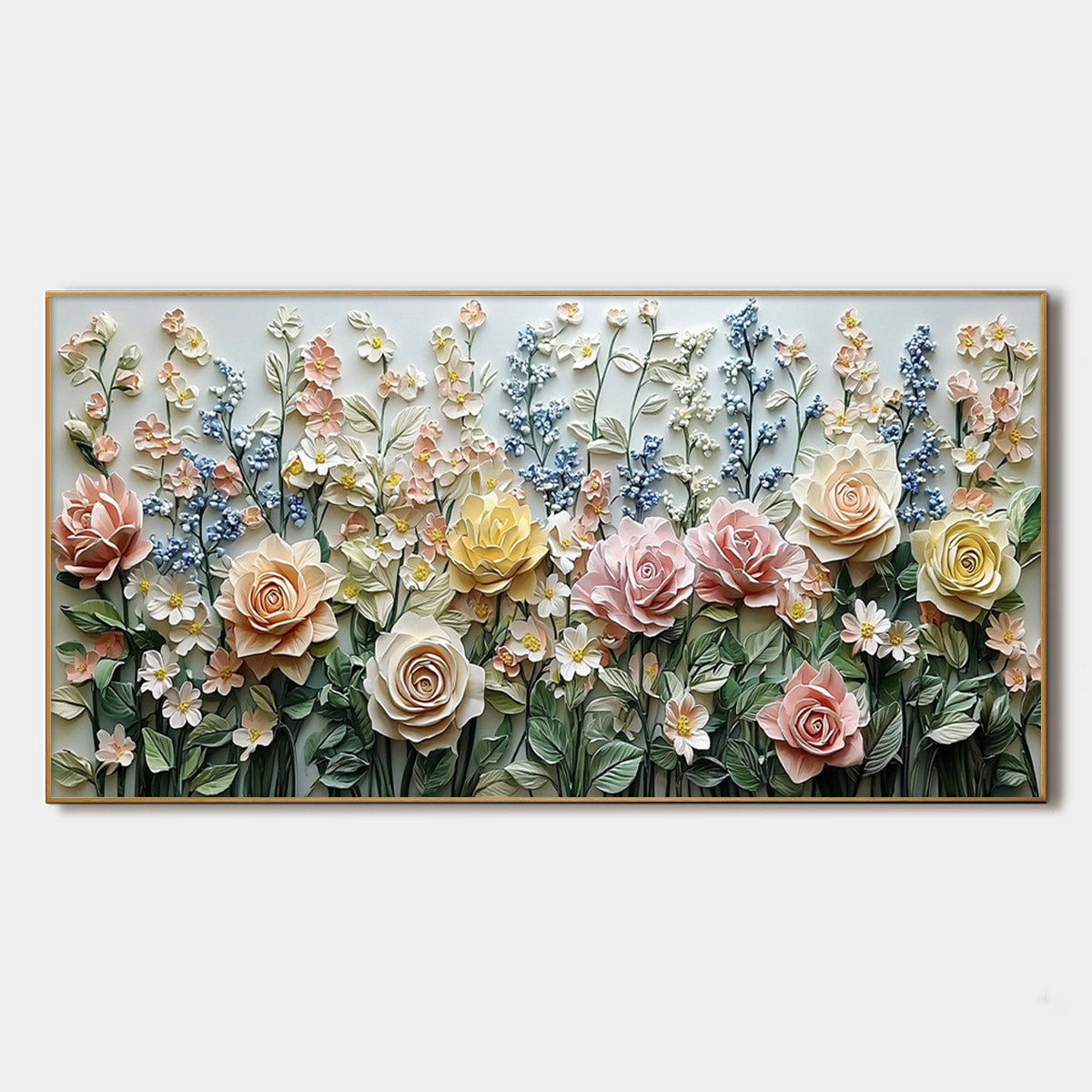
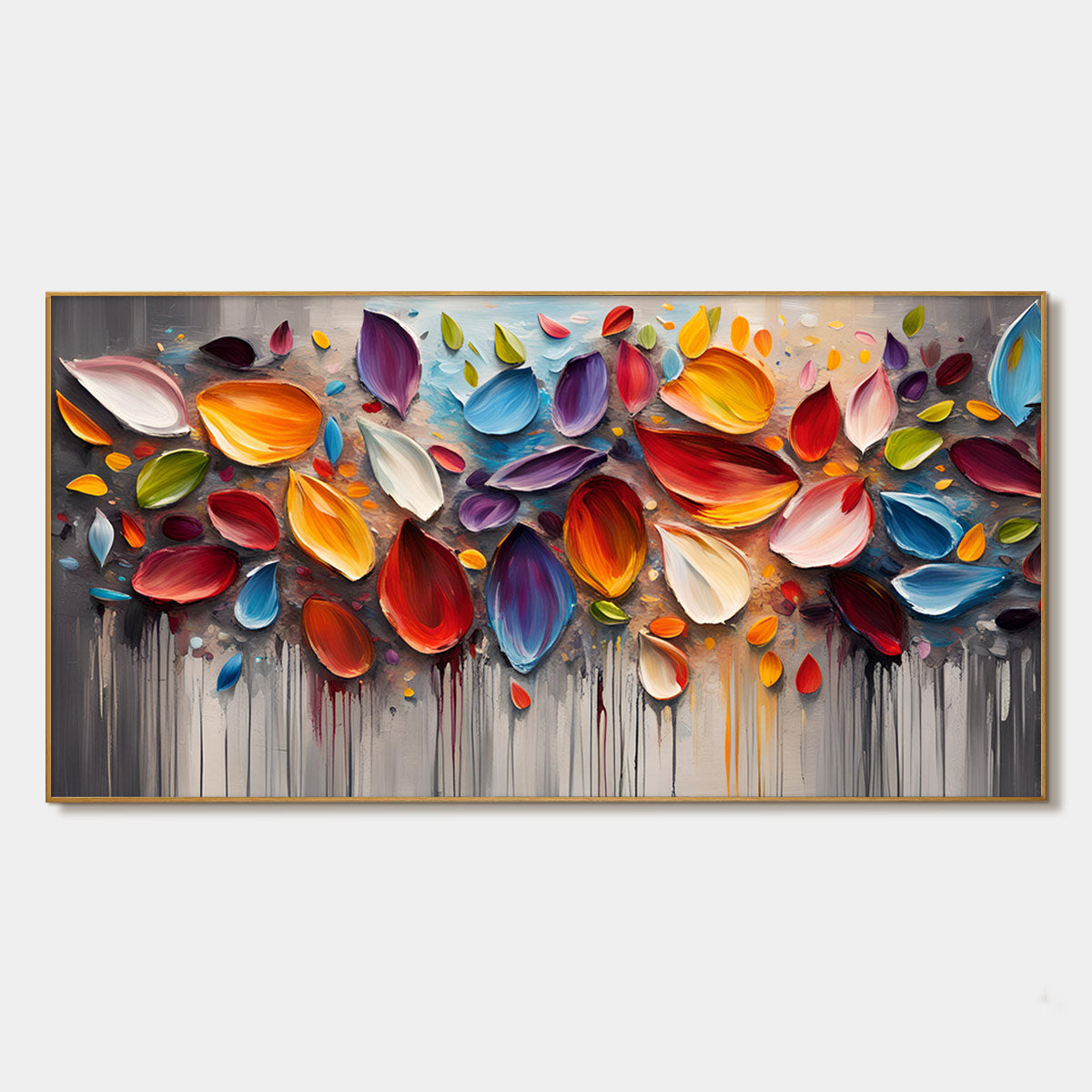
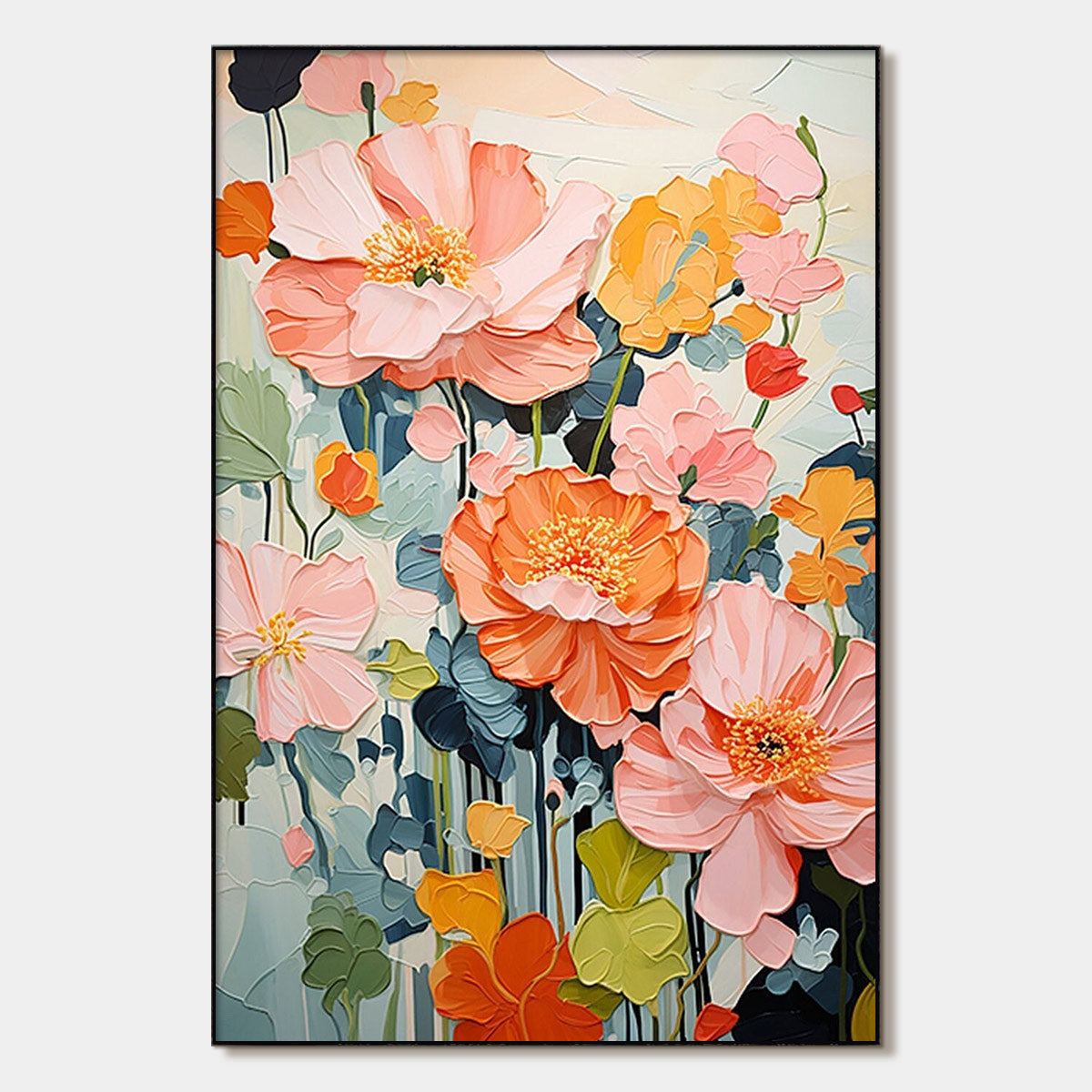
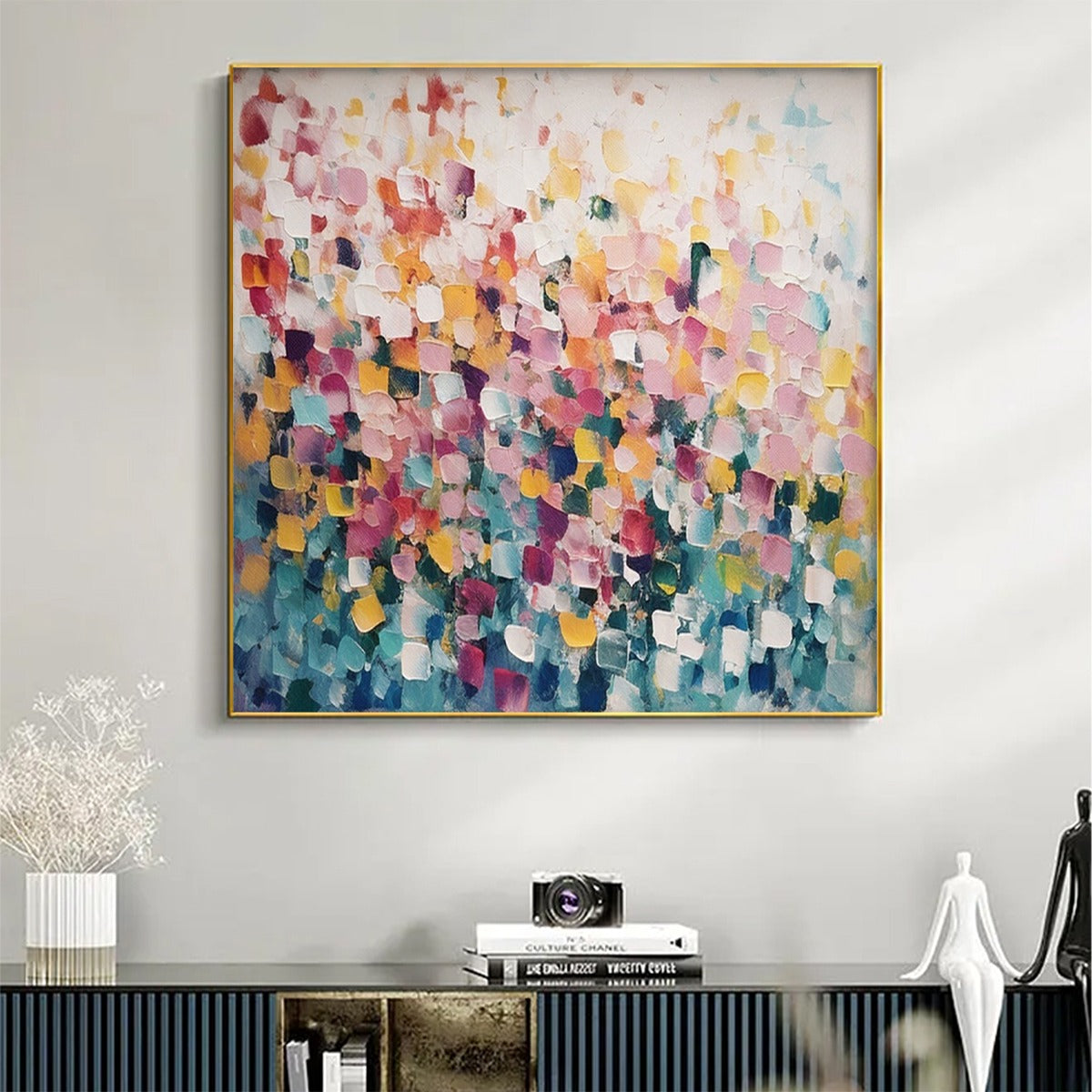
Vibrant Petals by Chak Yu Lam uses pink and orange floral forms in hand-painted oil. It offers a more colorful direction than a pale neutral painting. Compare those warm tones with the room's larger surfaces, and check the whole composition before focusing on a small detail that happens to match your furnishings.
Screens and room lighting affect how color appears. Review the available photographs and ask about any color detail that is important to the purchase. A small accent can connect a painting to the room without requiring an exact match across every object.
Narrow the shape before choosing the final size
Once you have a few preferred images, measure the usable wall area. Include furniture, lamps, door openings and anything else that limits placement. Work out whether you want a broad composition, a taller piece, or a more evenly proportioned shape.
| Your starting point | A useful next step |
| A wall above a sofa or sideboard | Compare width and height in the horizontal selection |
| A narrow wall between openings | Look at taller formats and check clearances |
| A long, shallow wall area | Compare panoramic dimensions with the available height |
| An image you already love | Test its listed sizes against the room before choosing |
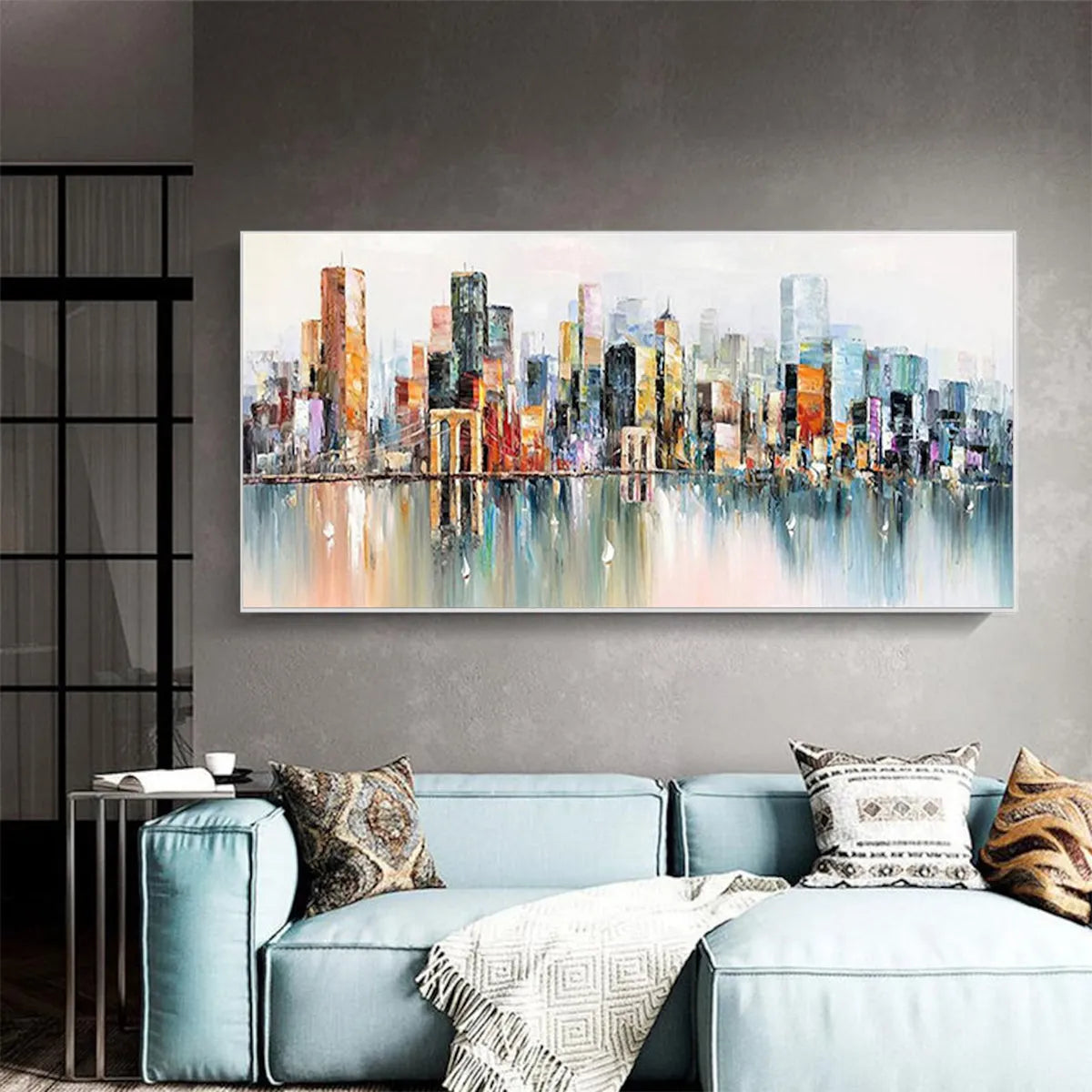
The horizontal wall art, vertical wall art and panoramic wall art collections provide different browsing routes. Their names help you navigate; the dimensions on the selected artwork are what determine the fit. Tape a paper outline on the wall and look at it from your normal seat before settling on a size.
Choose the finish for the way you plan to display it
Compare the frame options on the artwork itself. The featured listings offer rolled canvas, frameless stretched canvas and several framed finishes, but the selection should be checked for the work you intend to buy. Rolled canvas needs stretching or framing before wall display, so include that step in your plans.
A frame can echo wood furniture, add a dark edge to a pale painting, or introduce a metallic detail. Judge it as part of the complete arrangement. Save the product name, size and finish together so it is clear which version you selected.
Questions about buying an original painting
Are all the paintings made with the same medium?
No. The collection includes oil and acrylic works. Check the material description for each painting, particularly when you are comparing textured pieces that may look similar in a small photograph.
Should I choose the painting or the room color first?
Either can be your starting point. If the room is already finished, use its larger surfaces to narrow your choices. If you are decorating around a favorite painting, select a few colors from it for the room instead of reproducing the entire palette.
How can I compare two artworks with different proportions?
Compare their listed width and height, then mark both outlines on the wall. The same width can produce very different overall sizes when one painting is much taller than the other.
What should I check before placing my order?
Confirm the artwork, medium, size and frame option on its product page. Review the current order terms and ask about any essential detail before buying, especially if the painting must fit a particular space or arrive for a planned occasion.
★ Reviews