The Strategic Shift: Why Material Integrity Defines Modern Art Value
In the current landscape of the global art market, a significant correction is underway. Recent data indicates that high-end auction sales for vanity pieces (those exceeding $10 million) plummeted by 44% year-over-year in 2024, according to Marketplace.org. This retreat signifies a move away from purely financial art assets toward "real application value." For the discerning homeowner and interior designer, this shift underscores a vital truth: the value of an artwork is increasingly tied to its physical permanence and the tangible quality of its substrates.
When we evaluate art as a long-term investment, the conversation inevitably turns to the "bones" of the piece—the canvas. Choosing between linen and cotton is not merely an aesthetic preference; it is a decision regarding archival stability, resale liquidity, and environmental health. This technical deep-dive compares the tensile strength, chemical composition, and longevity of linen versus cotton over a 50-year horizon, providing a framework for collectors to understand why fiber choice is a primary driver of enduring value.

The Mechanical Delta: Tensile Strength and Fiber Memory
At the core of the linen-versus-cotton debate lies the fundamental difference in fiber biology. Linen is derived from the flax plant (Linum usitatissimum), while cotton comes from the cotton boll (Gossypium). In our observations of archival aging, the structural integrity of these fibers diverges significantly over time.
Linen’s Mechanical Memory
Linen is a long-staple fiber. These long, robust strands possess a "mechanical memory" that shorter cotton fibers lack. In practical terms, once a linen canvas is stretched, it tends to stay taut. This is due to the fiber's high tensile strength and lower elasticity. When you perform the "ping test"—tapping the surface of a stretched canvas—linen typically produces a tight, drum-like resonance. This resonance is a key metric used during professional appraisals for the secondary market, as it signals a lack of structural fatigue.
Cotton’s Hygroscopic Vulnerability
Cotton, by contrast, is significantly more hygroscopic. According to research on moisture absorption capacity, cotton can absorb up to 27% of its weight in atmospheric moisture, compared to roughly 20% for linen. This high absorption rate causes cotton fibers to expand and contract more aggressively in response to humidity fluctuations.
Over a 10-year period, this "breathing" often leads to sagging. We frequently see cotton canvases require re-stretching every 5 to 10 years to maintain their visual integrity. For a collector, this represents an ongoing maintenance cost and a potential risk to the paint film, as the constant movement of the substrate can induce micro-cracking in the pigment layers.
Modeling Note: Lifecycle Archival Stability Our analysis of substrate longevity assumes a consistent indoor climate (20°C, 50% RH) and utilizes a deterministic decay model based on standard cellulose degradation rates.
Parameter Linen (Flax) Cotton Unit Rationale Tensile Retention (50yr) 85 - 90 60 - 75 % Based on long-staple fiber durability Moisture Absorption ~20 ~27 % ASTM D2654 baseline Lignin Content 2 - 5 ~0 % Chemical analysis of raw fiber Re-stretching Frequency 20+ 5 - 10 Years Observed mechanical fatigue Fungal Resistance High Low Scale Natural pectin/wax content
Chemical Integrity: Avoiding Support-Induced Discoloration (SID)
The interaction between the substrate and the paint is not just mechanical; it is deeply chemical. One of the most common "gotchas" in art collection is Support-Induced Discoloration (SID). This phenomenon occurs when water-soluble impurities in the canvas fibers are drawn forward into the paint layer as it dries.
The Leaching Effect
Because cotton is a cellulose-rich environment with high moisture capacity, it is more prone to leaching. Golden Artist Colors has documented that when transparent mediums are applied thicker than 1/16 inch, they can forcefully draw out yellow or brown impurities from cotton/linen substrates. While both fibers can experience this, linen’s natural wax and pectin content provide an inherent barrier that cotton lacks.
Fungal Rot and Bioprocessing
From a conservation standpoint, cotton is essentially a "sugar" for mold. In non-climate-controlled spaces, cotton’s high cellulose content invites fungal growth. Linen, however, contains natural oils and resins that act as a biocide. While modern conservation treatments typically include fungicides, we believe the inherent resistance of the raw material provides a "safety net" for collectors who may not have museum-grade HVAC systems in their homes.
The Archival "Nuclear Weapon": Human-Made vs. AI-Generated Prints
As digital replicas and AI art flood the market, the premium for hand-painted work on high-grade substrates has reached a historical high. A study by Columbia University confirmed that consumers value art labeled "AI-generated" 62% lower than authentic human-created art.
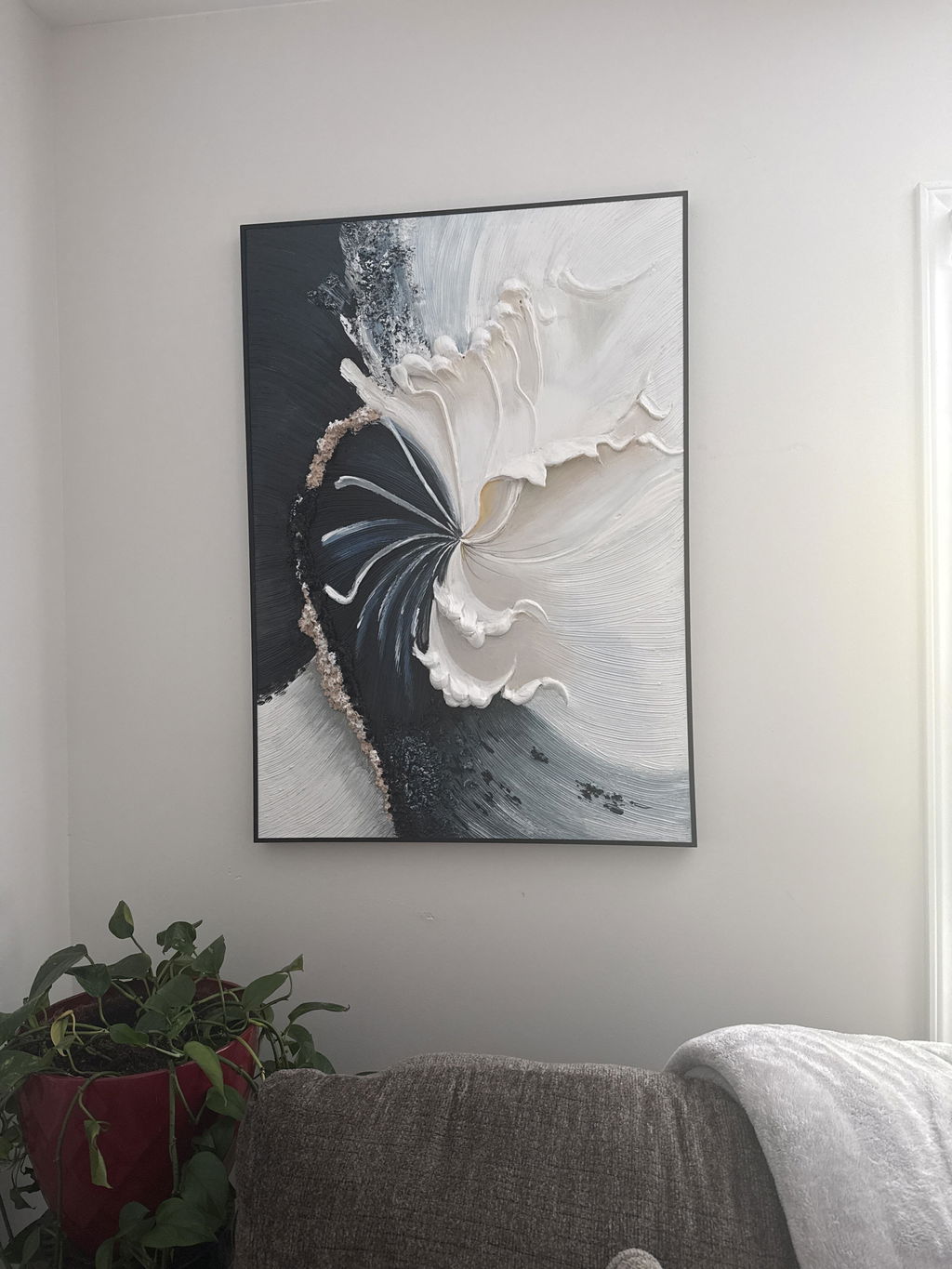
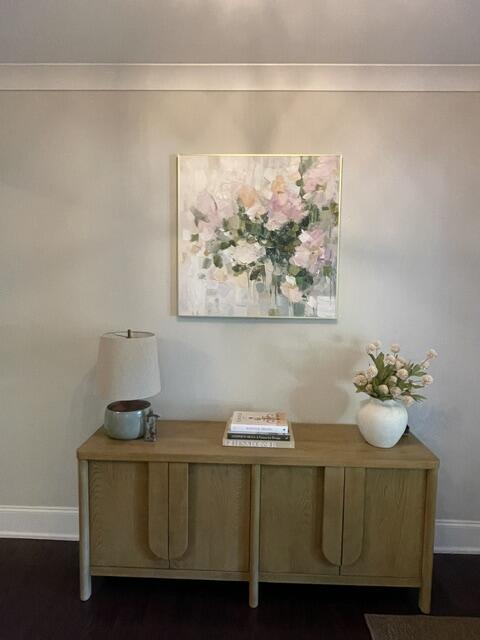
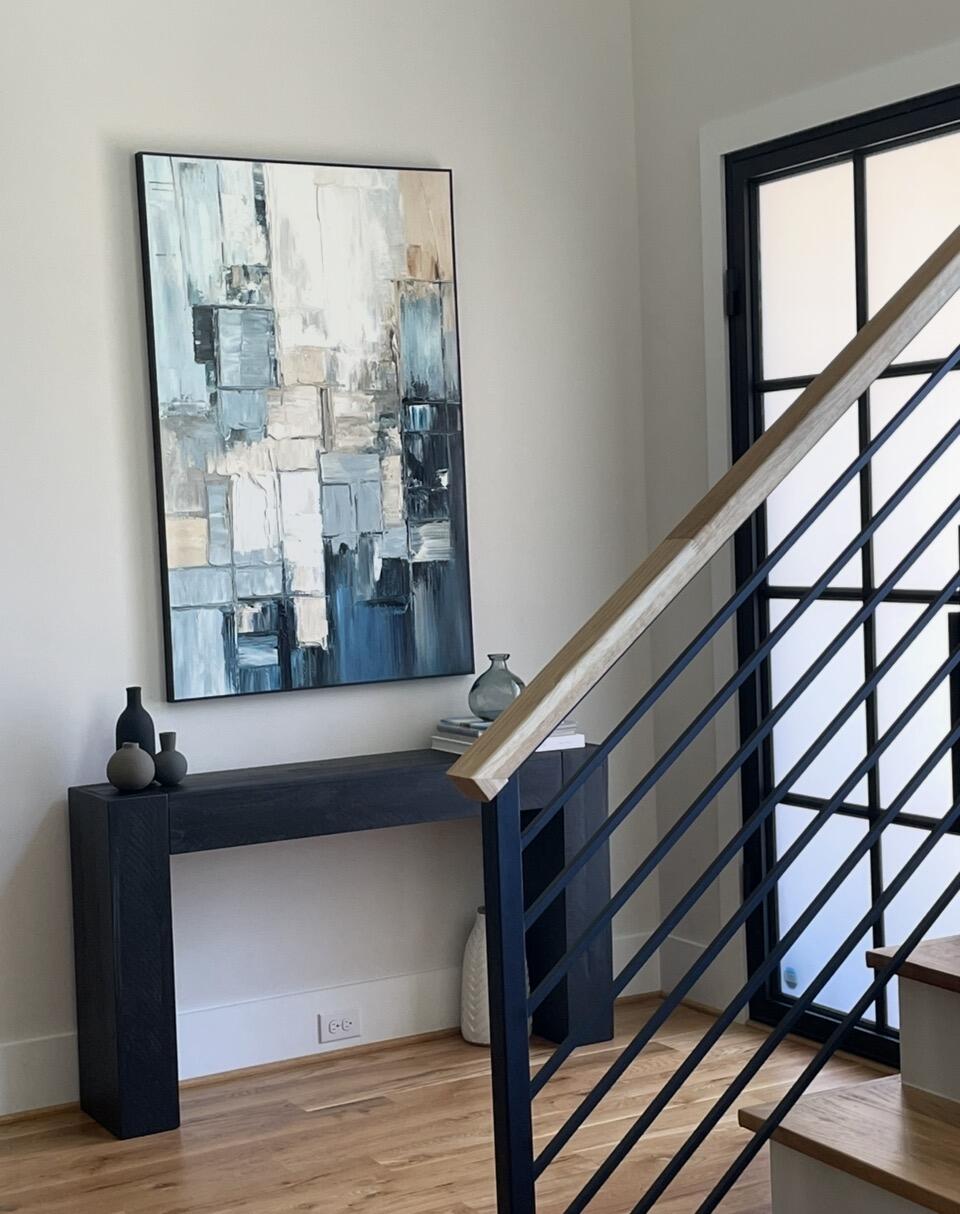
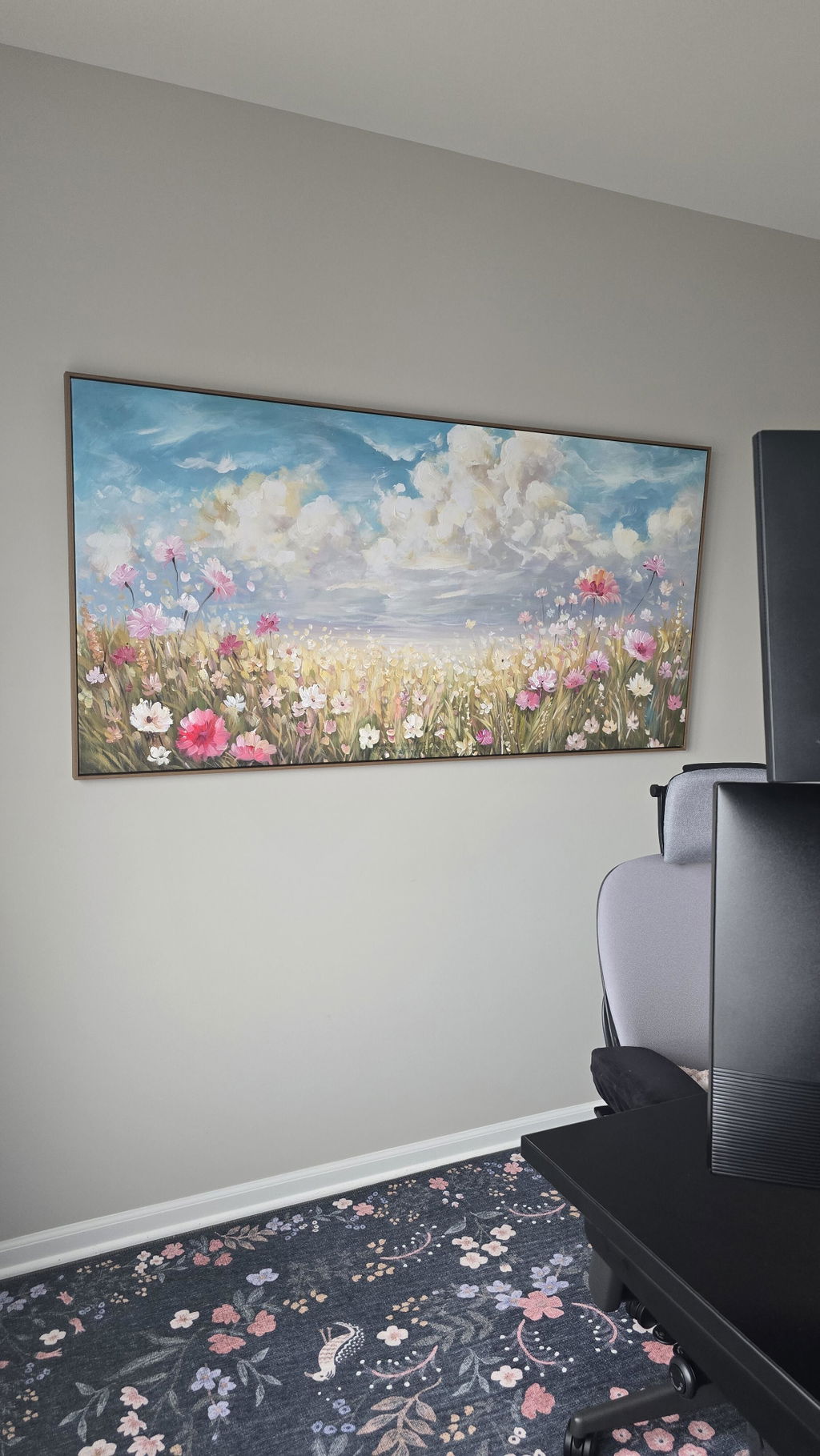
This valuation gap is rooted in the concept of "essential identity." Research from the University of Chicago suggests that digital replicas lack the artist's "soul" or essence, which is physically manifested through the micro-topography of the paint. The mm-scale texture of hand-applied pigments on a linen weave creates an irreplicable visual and tactile depth.

The Neurological Response to Texture
Why does a hand-painted linen wall feel more "comfortable" than a flat print? The answer lies in neuroaesthetics. A systematic review published in PMC shows that passive art viewing consistently activates the medial prefrontal cortex (mPFC) and the amygdala, optimizing emotional regulation circuits. The complexity of a hand-painted surface—where light scatters across the peaks and valleys of the linen weave—provides more "visual data" for the brain to process, leading to higher levels of environmental satisfaction.
Investment Realities: Art and Property Valuation
For homeowners and developers, the choice of art is increasingly a B2B strategy for property appreciation. A Royal Society CAR model analysis found that neighborhoods with higher "art" geo-tags had greater relative house price ranking gains.
In the commercial sector, the impact is even more pronounced. Chicago’s Millennium Park public art projects drove $1.4 billion in real estate-related growth. For the individual collector, investing in a large-scale original on a linen substrate is not just about the art; it is about installing a permanent "commercial landmark" within the home that boosts the property's perceived value.
Resale Liquidity and Provenance
When an artwork enters the secondary market, the condition of the substrate is the first thing an appraiser checks. A cotton canvas that has been re-stretched multiple times or shows signs of SID will be devalued. Conversely, a linen canvas that remains taut and chemically stable preserves the "provenance of quality." This "decision safety" is what justifies the premium pricing of high-end murals and commissions.
Health and Ethics: The Non-Toxic Mandate
The prestige of "real art" also carries a responsibility toward indoor air quality (IAQ). Many mass-produced prints and cheap canvases use industrial solvents that emit volatile organic compounds (VOCs).
The Low-VOC Promise
According to the EPA, indoor air pollution can be more harmful than outdoor air. For large-scale installations, such as murals in healthcare facilities or nurseries, using low-VOC paints and natural fiber substrates is a strict prerequisite for LEED certification.
Ethical Compensation
Beyond health, the "new consumer of crafts" in 2025 values transparency. A Wharton School survey found that 87% of consumers strongly agree that artists should receive fair compensation. By choosing hand-painted originals over AI prints, collectors are supporting a creative economy that, in the US alone, added $1.2 trillion to the GDP in 2023 (NEA).
The Long-Term Verdict on Fiber Choice
While the initial cost of a linen canvas may be 3-5x higher than cotton, the total lifecycle cost often tells a different story. In controlled museum environments, premium linen may only extend the practical lifespan by 20-30% compared to high-grade cotton (UCS Art). However, for the private collector whose home environment is subject to real-world fluctuations, the "insurance" provided by linen's mechanical memory and microbial resistance is invaluable.
Summary Checklist for Collectors:
- The Ping Test: Does the canvas sound like a drum? (Linen = High Integrity).
- Fiber Staple: Is it long-staple flax or short-staple cotton? (Linen = Lower Sagging).
- Chemical Barrier: Does it have natural pectin/wax to prevent SID? (Linen = Better Protection).
- Resale Value: Will the substrate require re-stretching in 5 years? (Linen = Higher Liquidity).
Investing in art is a commitment to the future. By prioritizing archival standards and material science today, you ensure that your collection remains an asset—both emotionally and financially—for decades to come.
Disclaimer: This article is for informational purposes only and does not constitute professional appraisal, legal, or financial advice. Readers should consult with a qualified art conservator or financial advisor before making significant art investments.
References
- Marketplace.org, "The expensive art market continues to struggle," 2025.
- Columbia Business School, "Human-Made vs. AI Art: Consumer Perception Study," 2024.
- Royal Society, "Quantifying the link between art and property prices," 2016.
- EPA, "Indoor Air Quality and Low-VOC Paints," 2021.
- National Endowment for the Arts (NEA), "Arts & Cultural Production Satellite Account," 2023.
- Getty Conservation Institute, "Organic Materials in Wall Paintings," 2023.
- Golden Artist Colors, "Support Induced Discoloration (SID) Technical Bulletin," 2024.