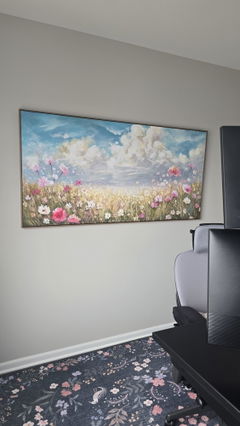
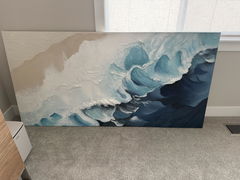
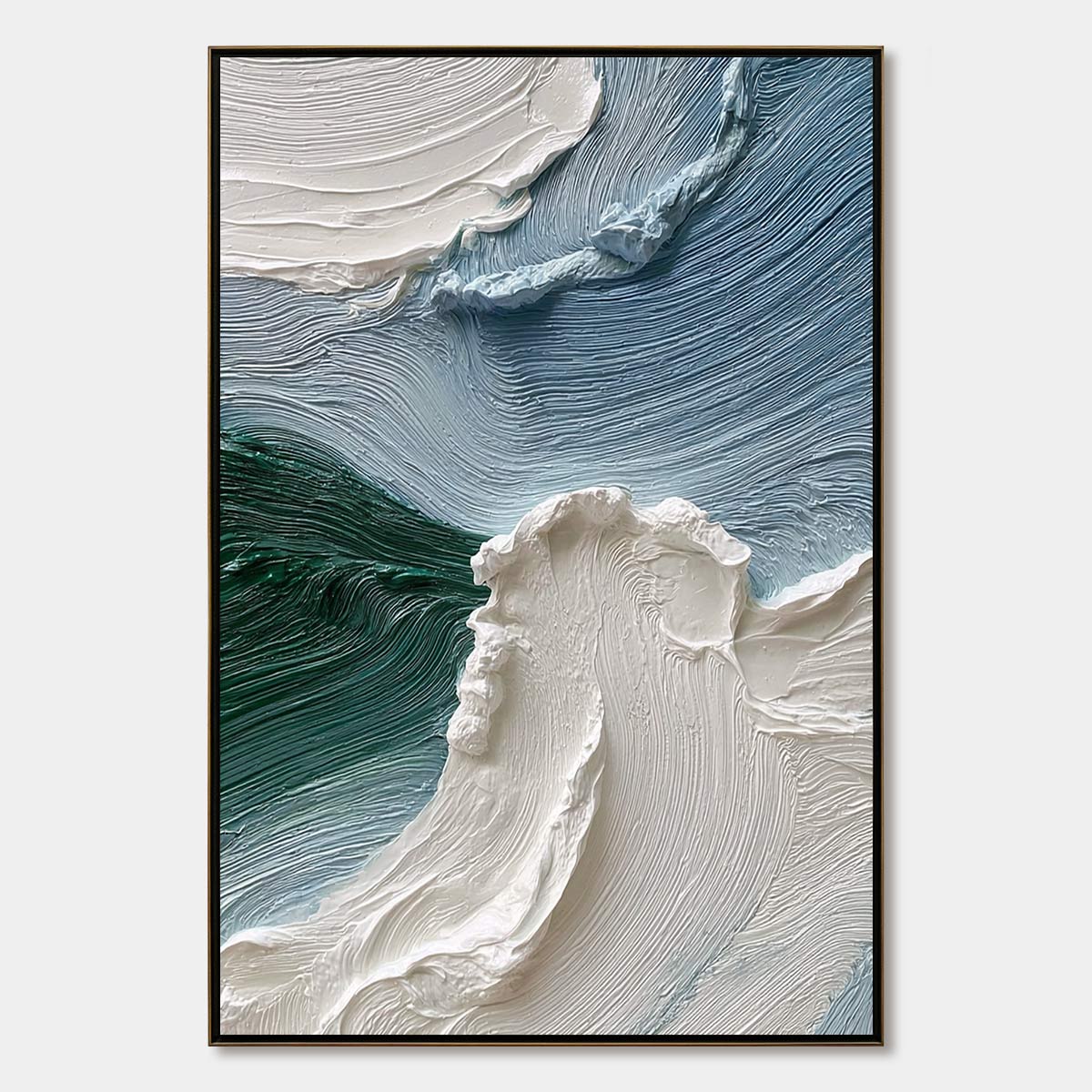
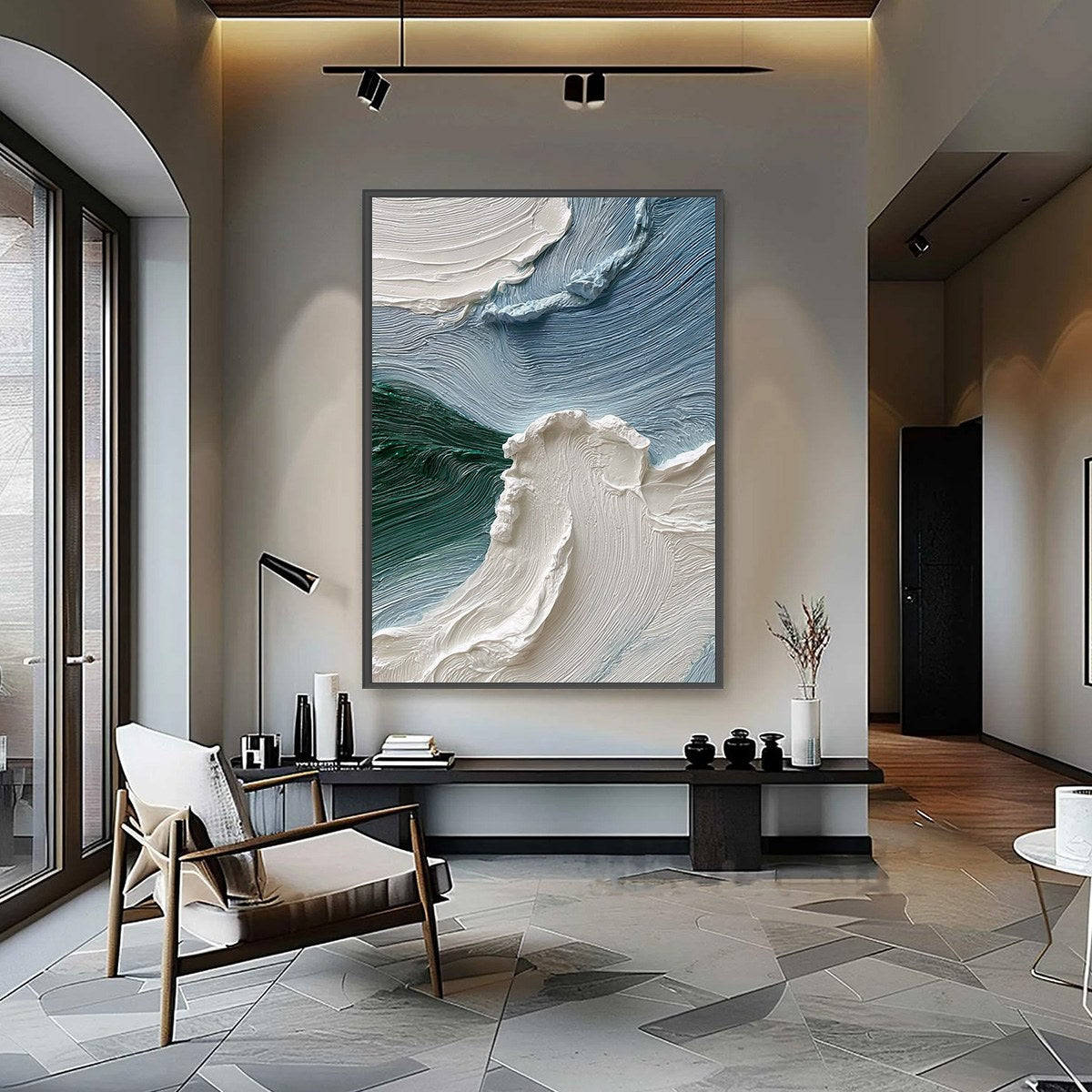
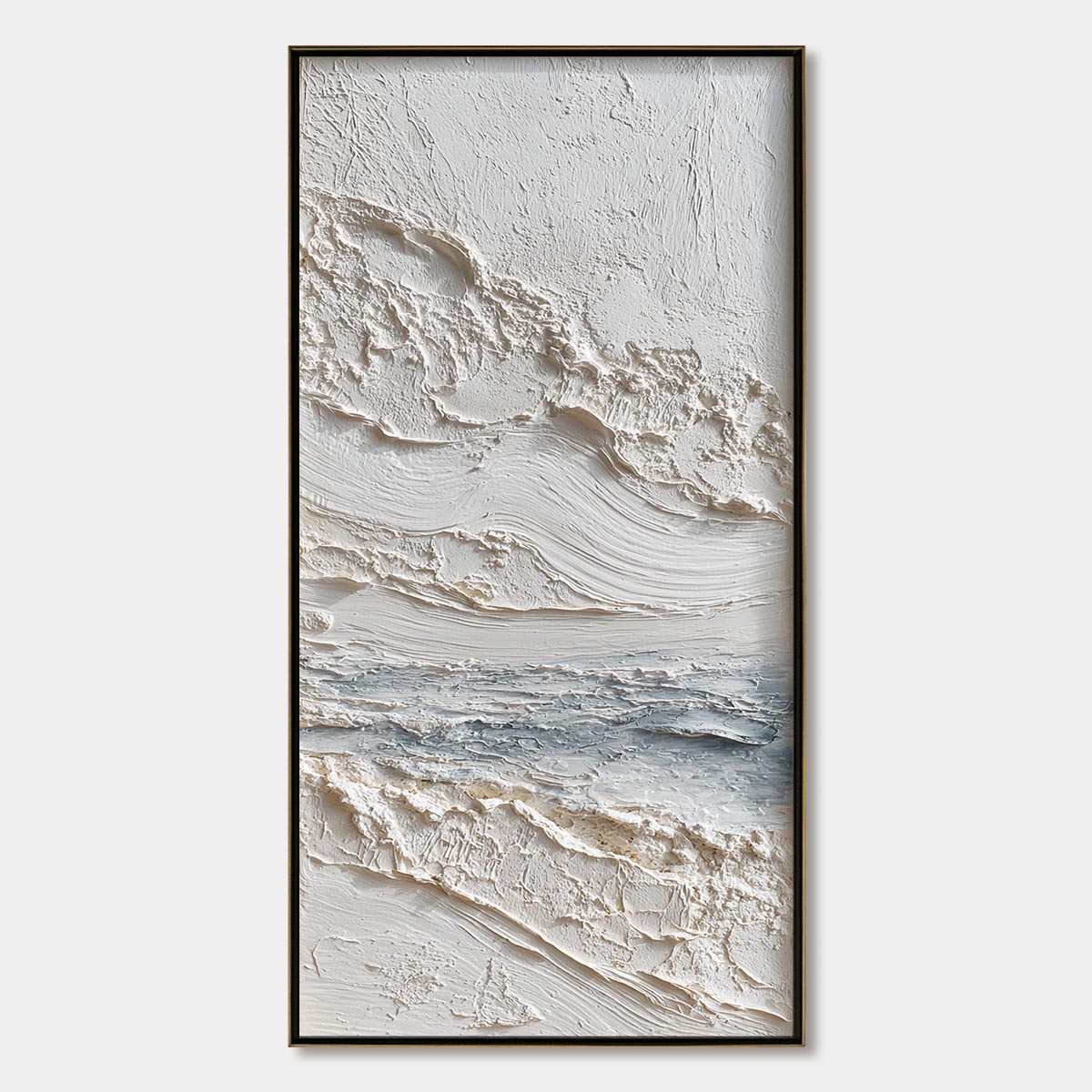
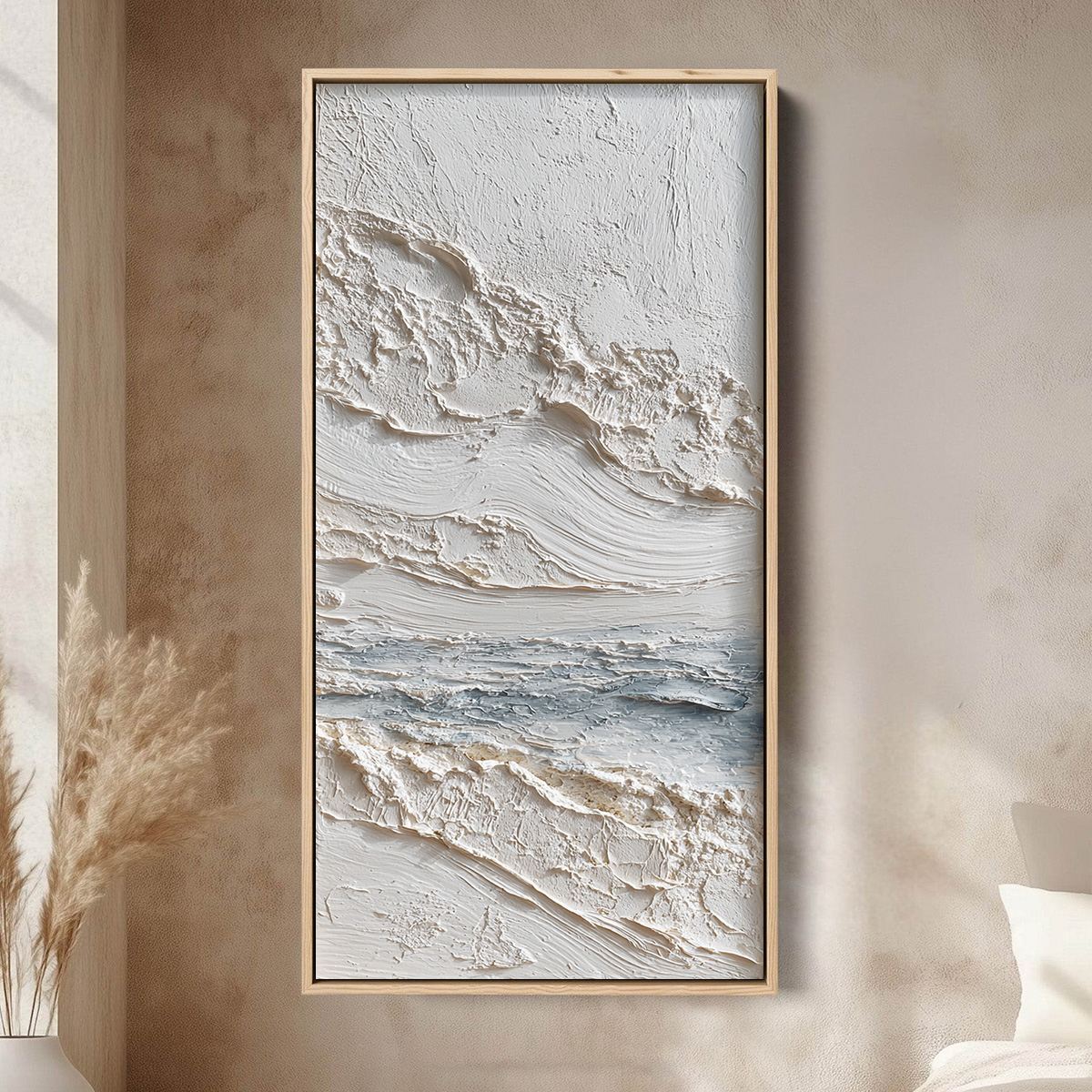
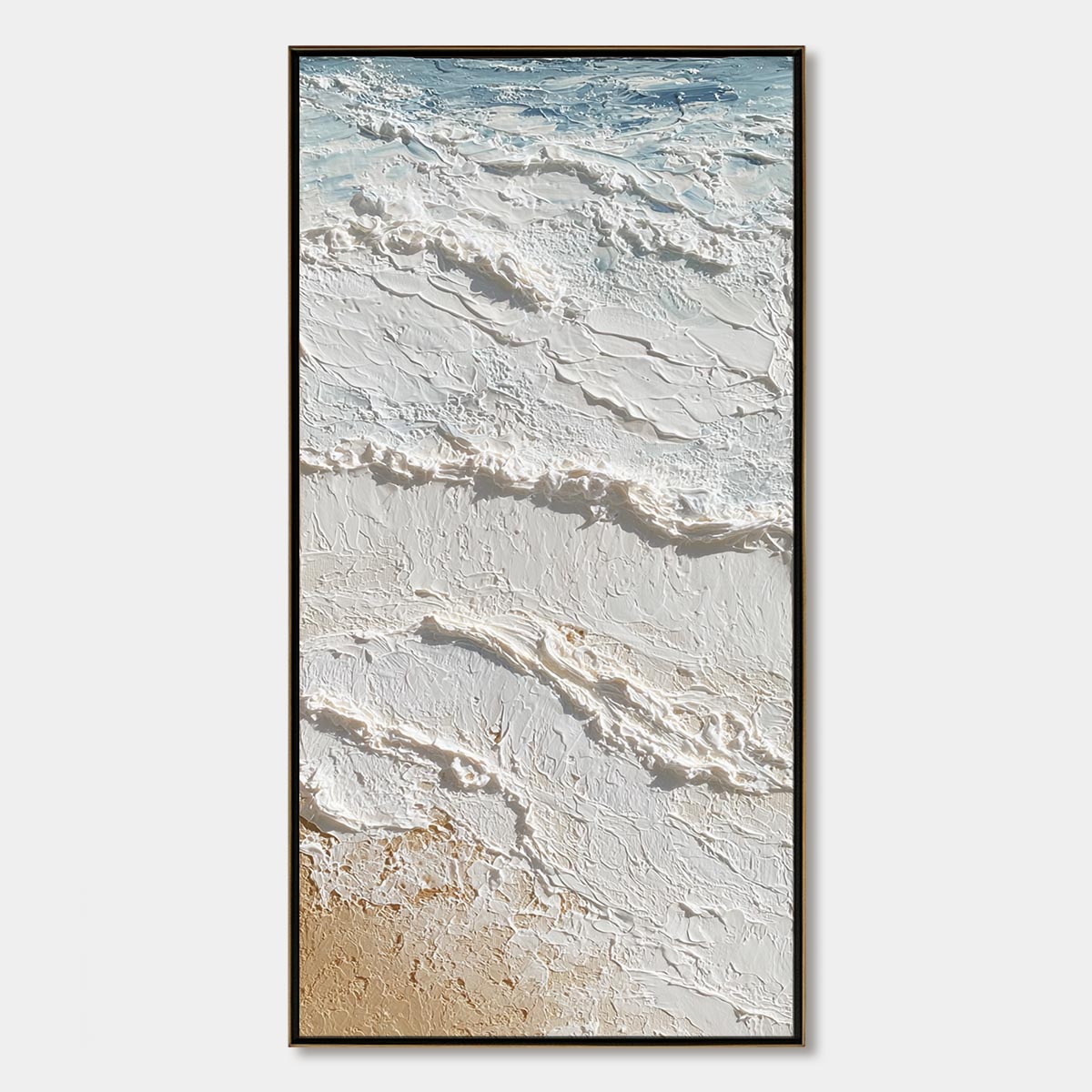
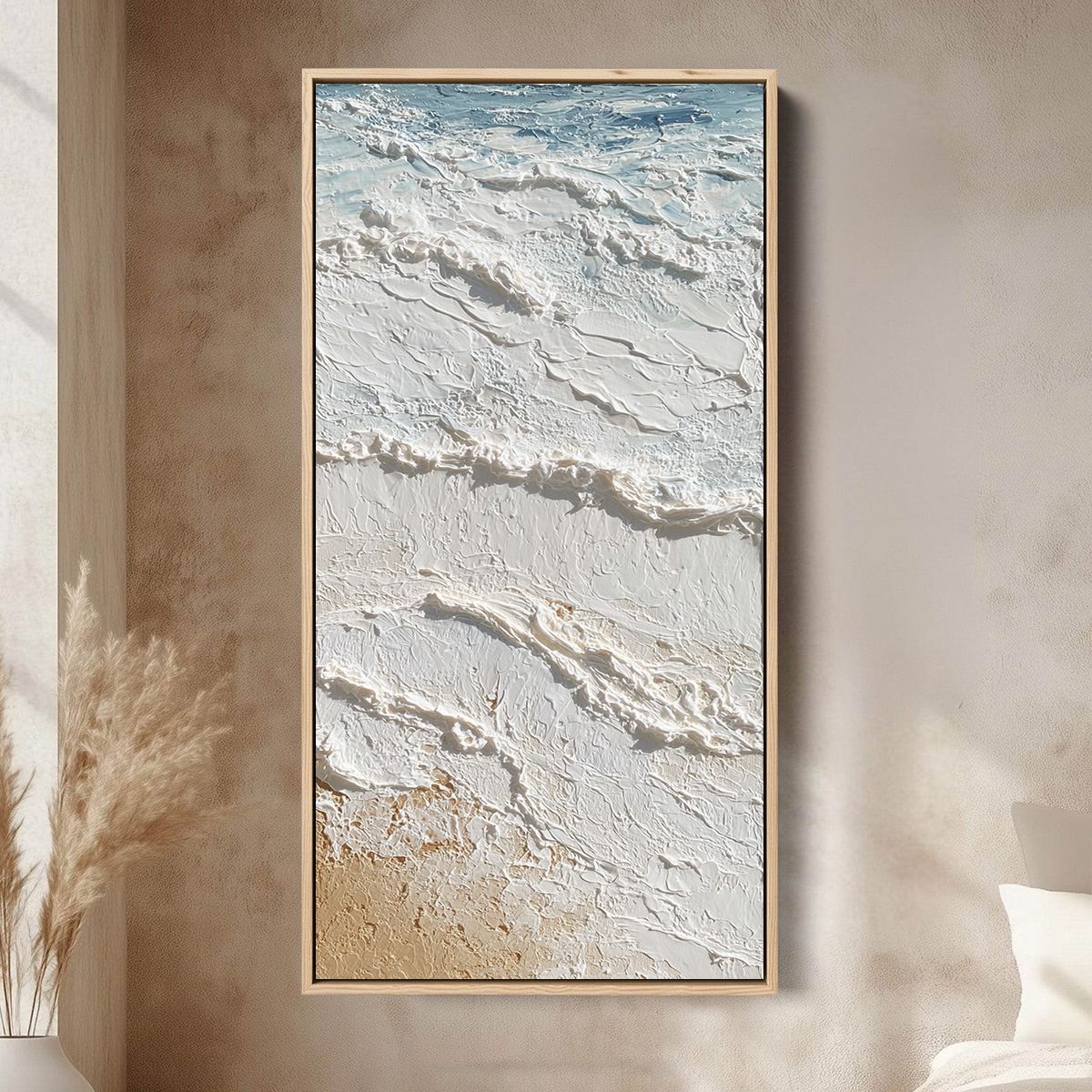
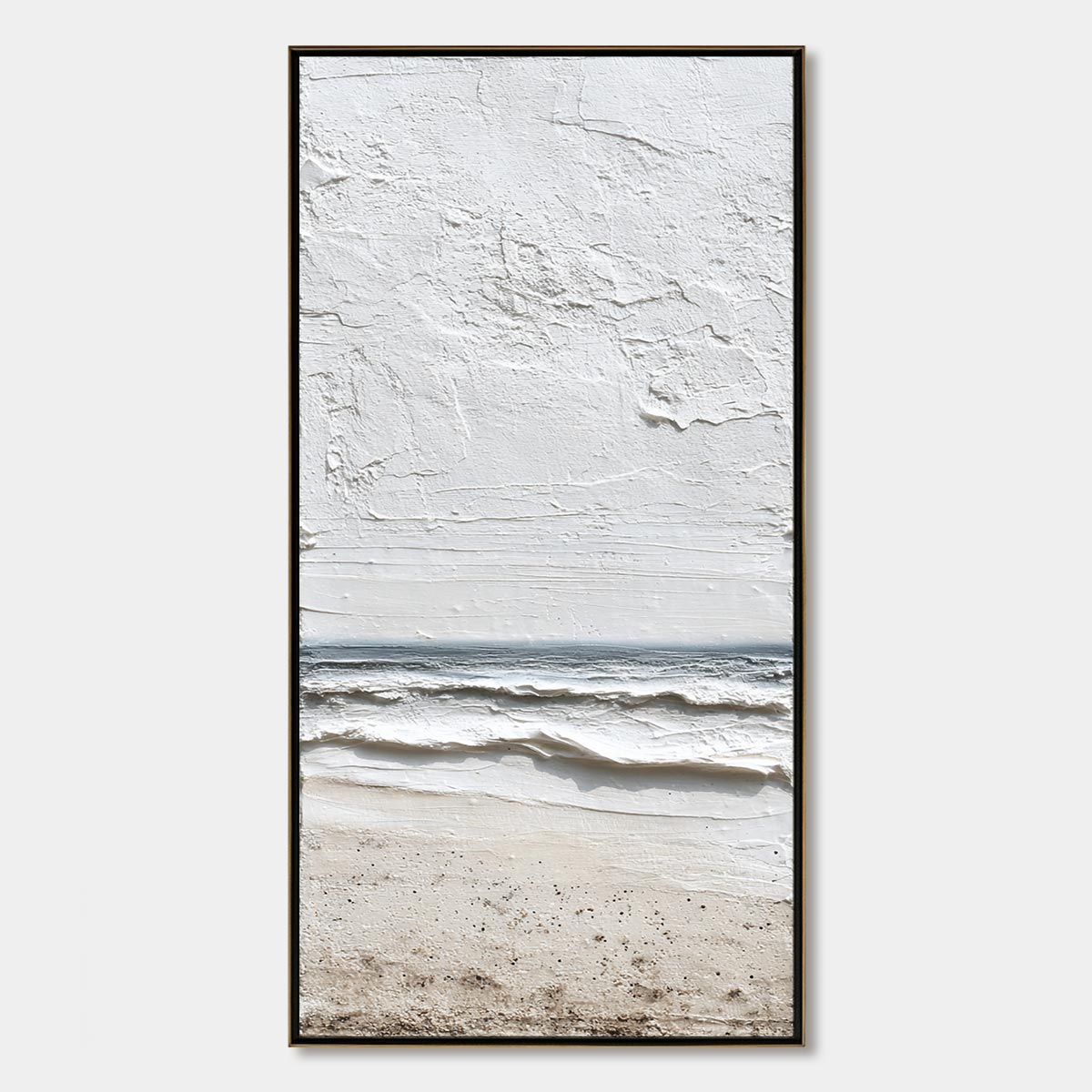
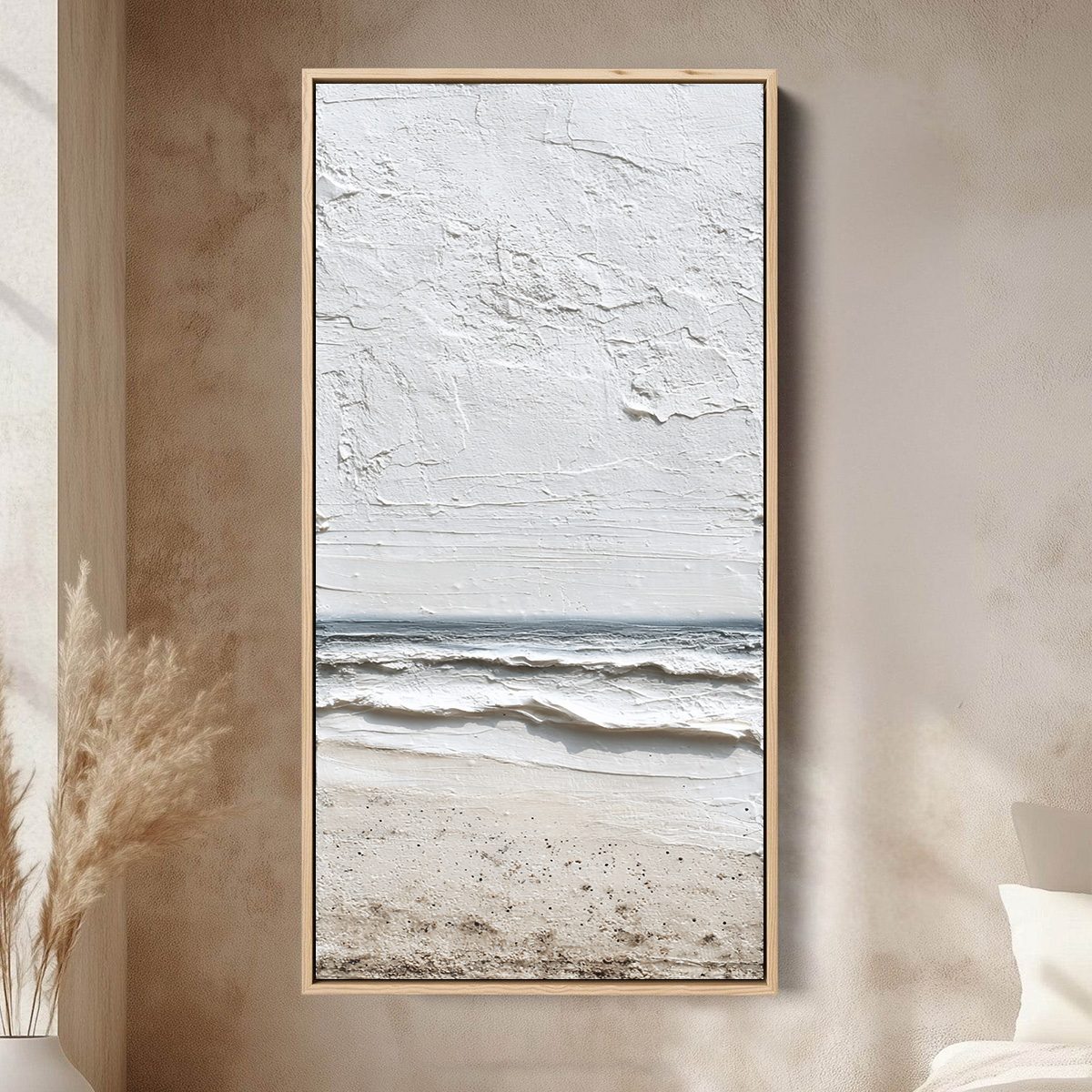
Beach scene artwork brings tranquil coastal vibes and fresh energy, transforming your space with soothing colors and serene, uplifting ocean views.

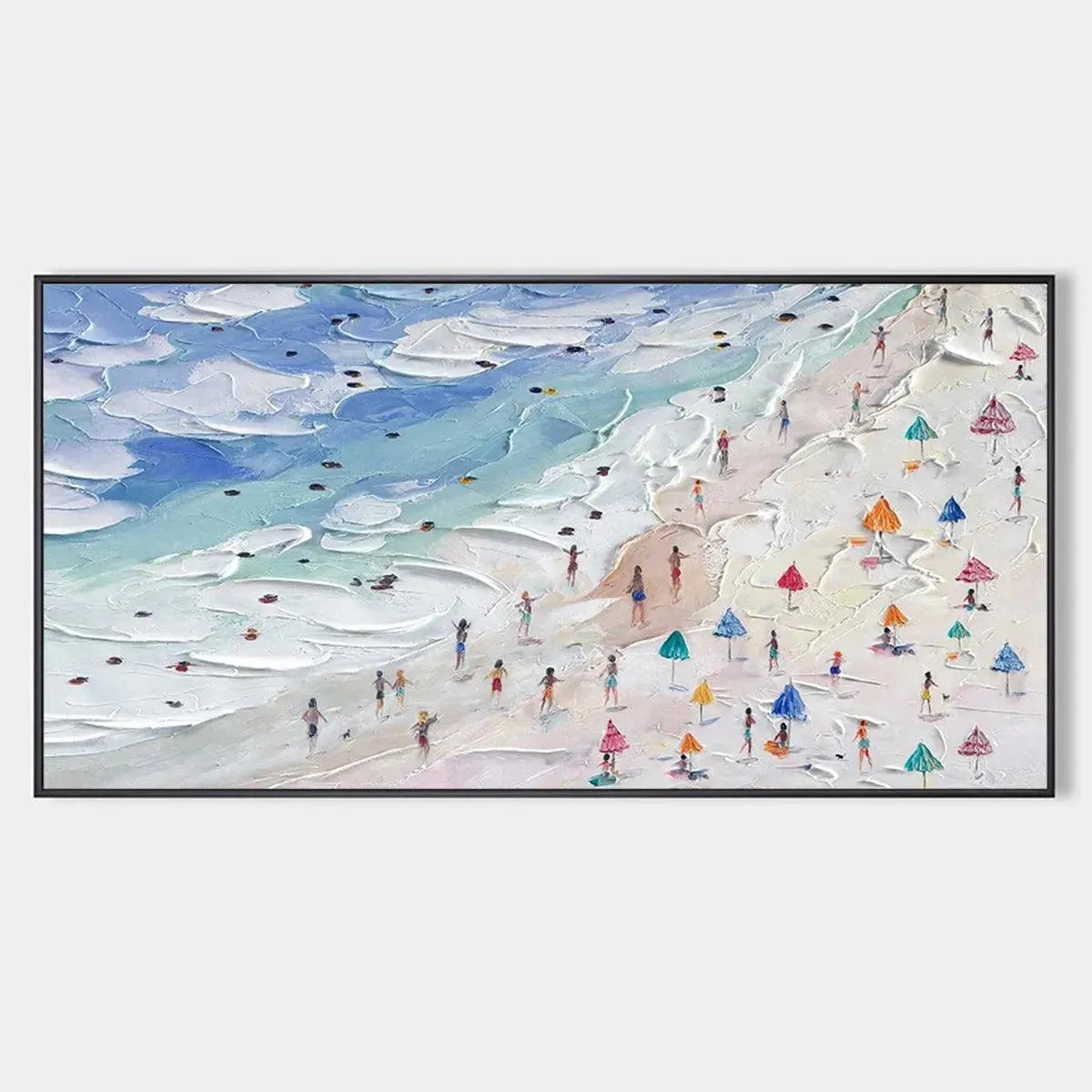

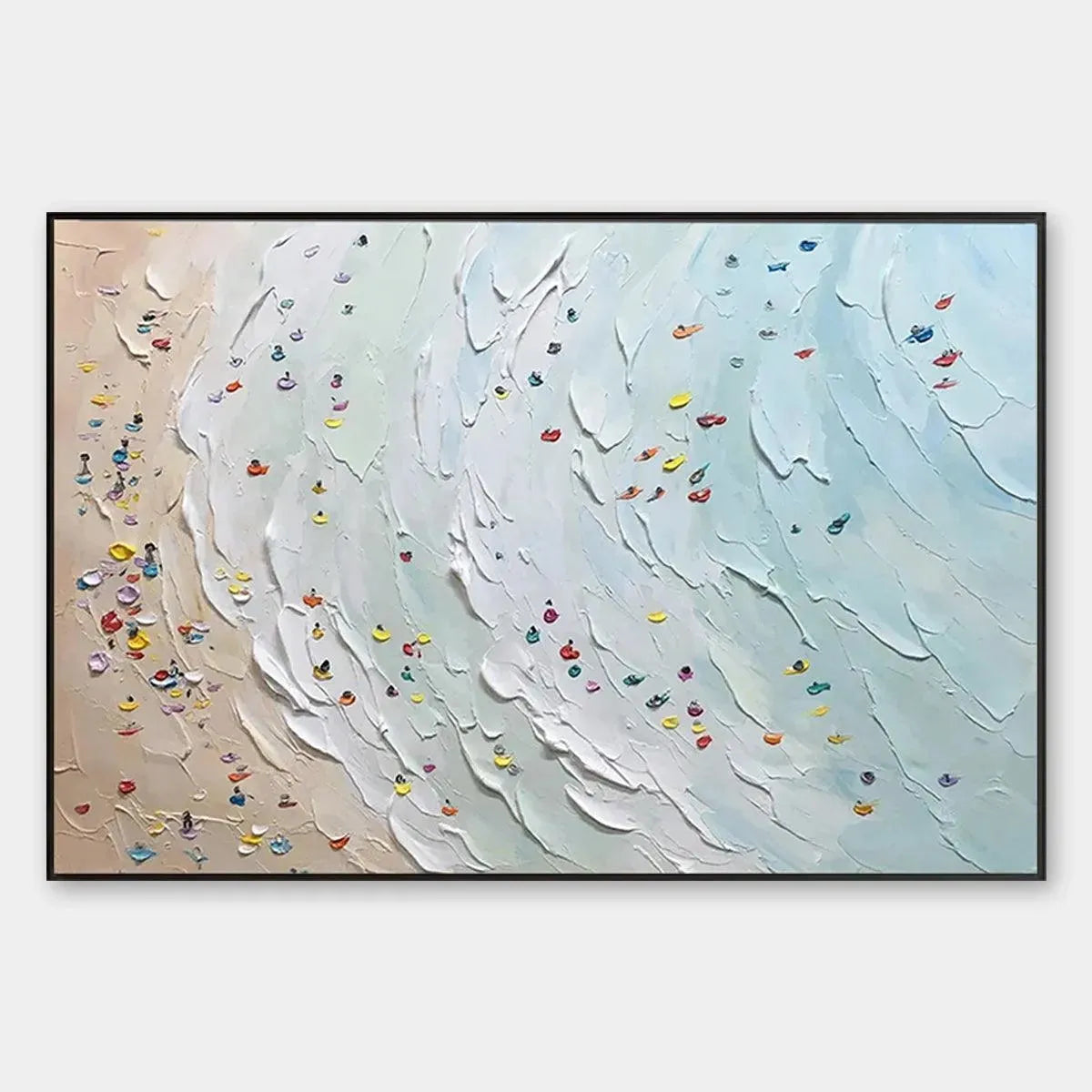








Beach Scene Artwork for Living Rooms, Bedrooms and Coastal Spaces
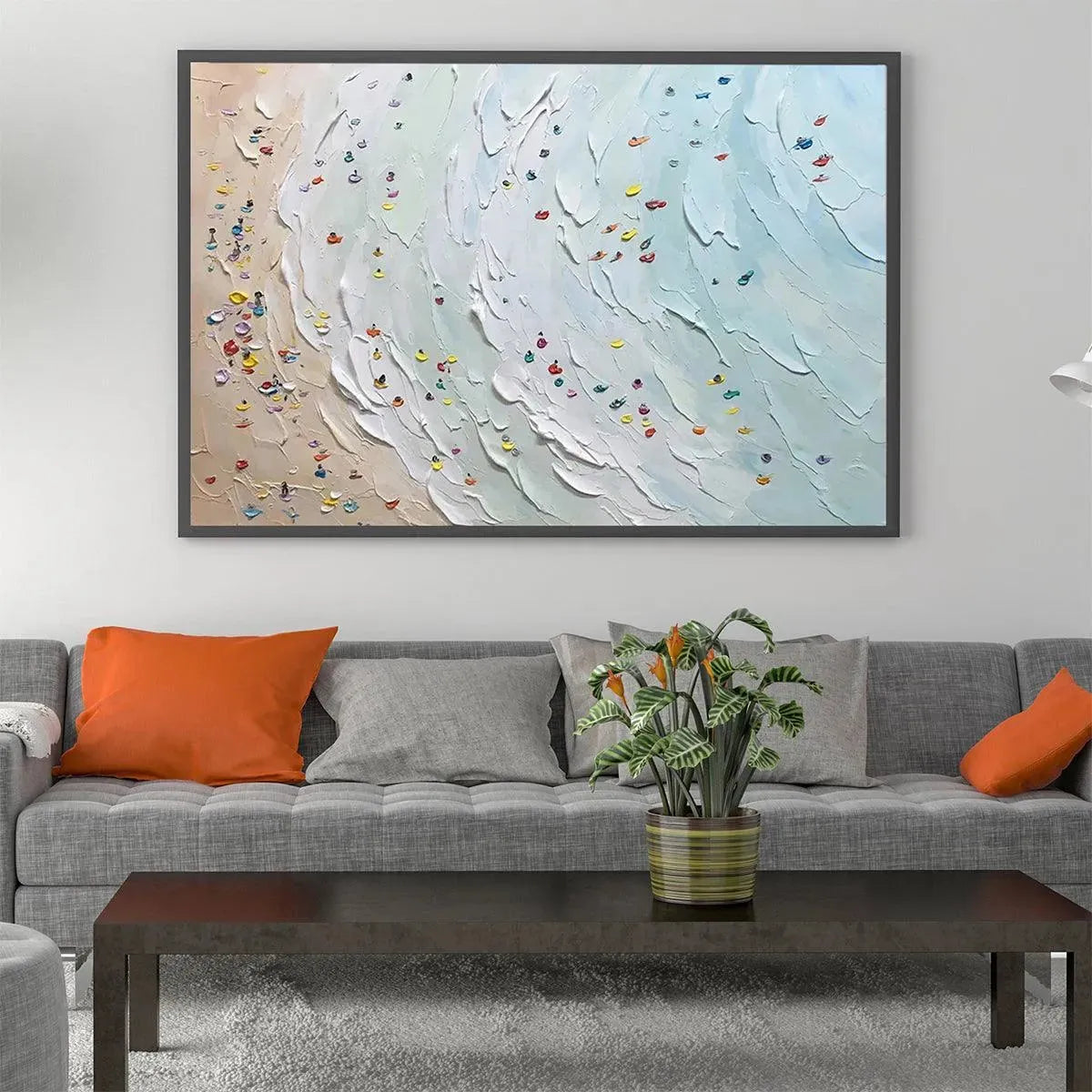
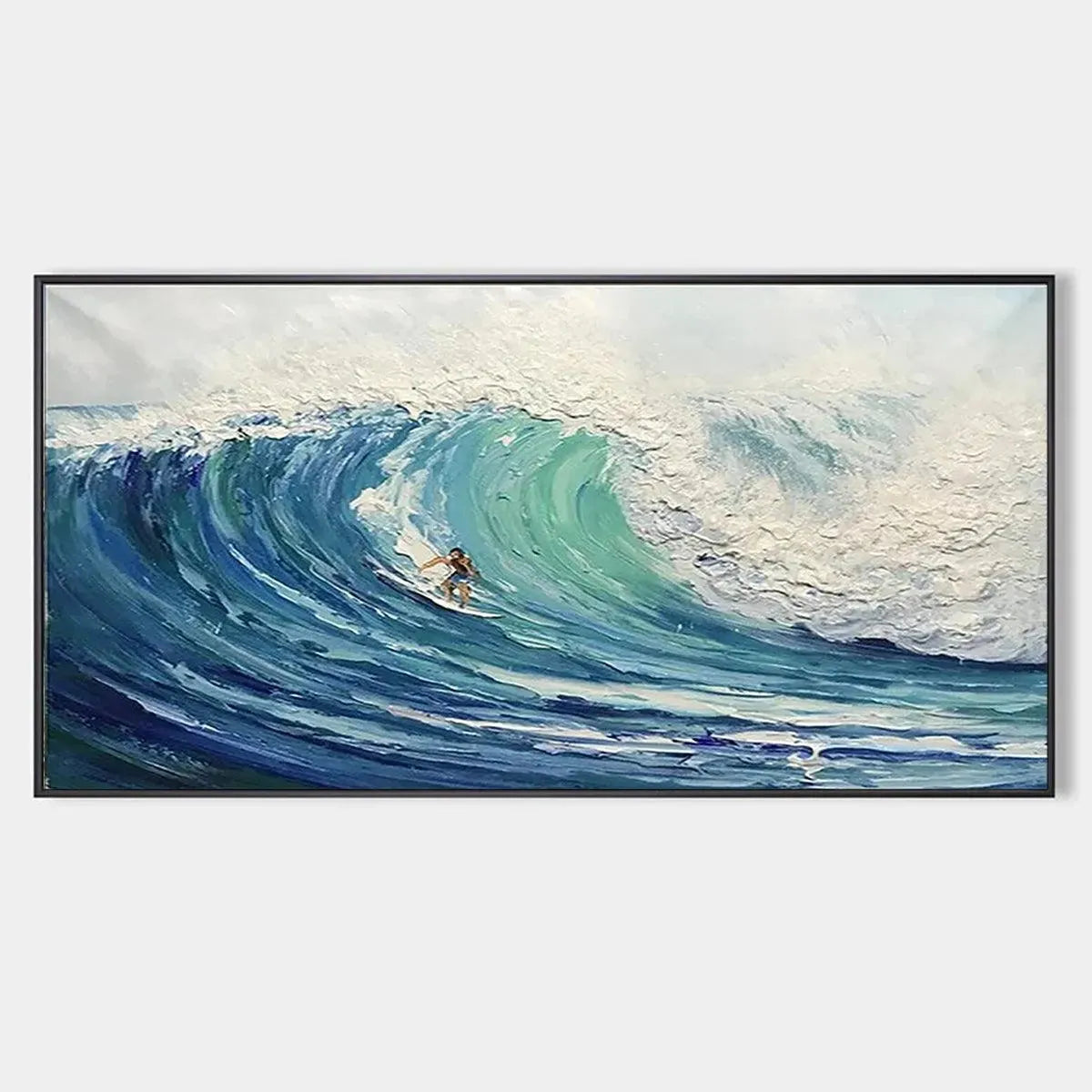
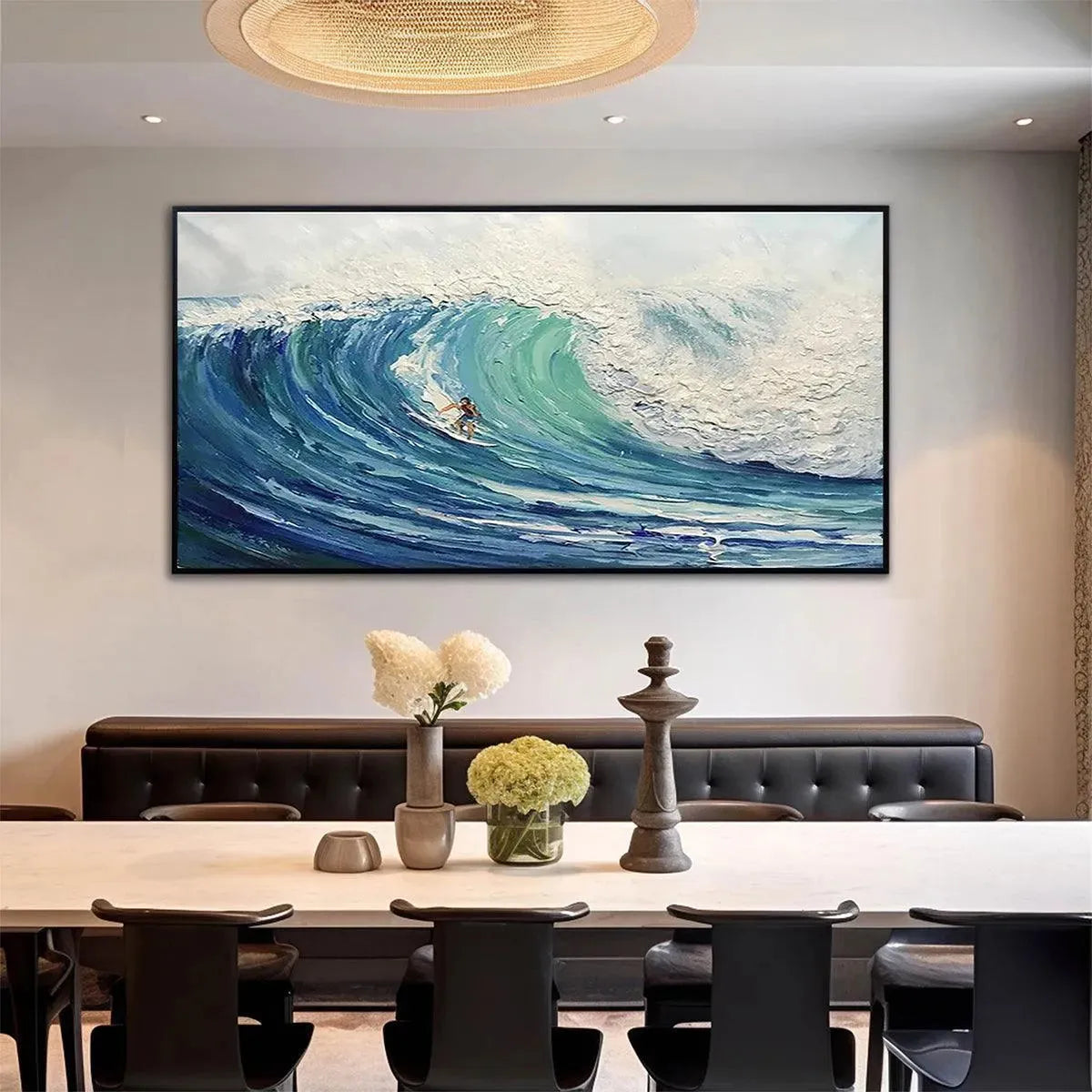
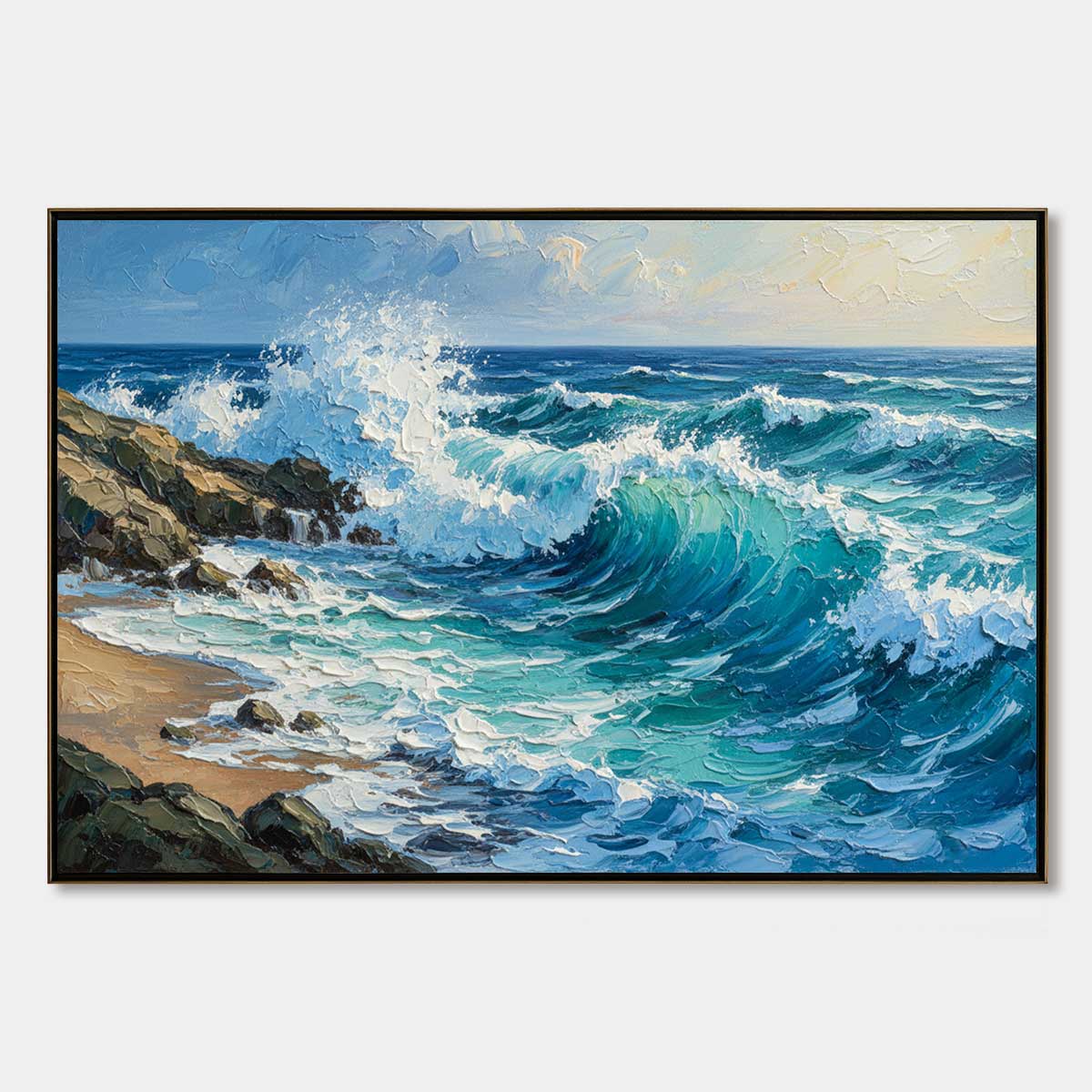
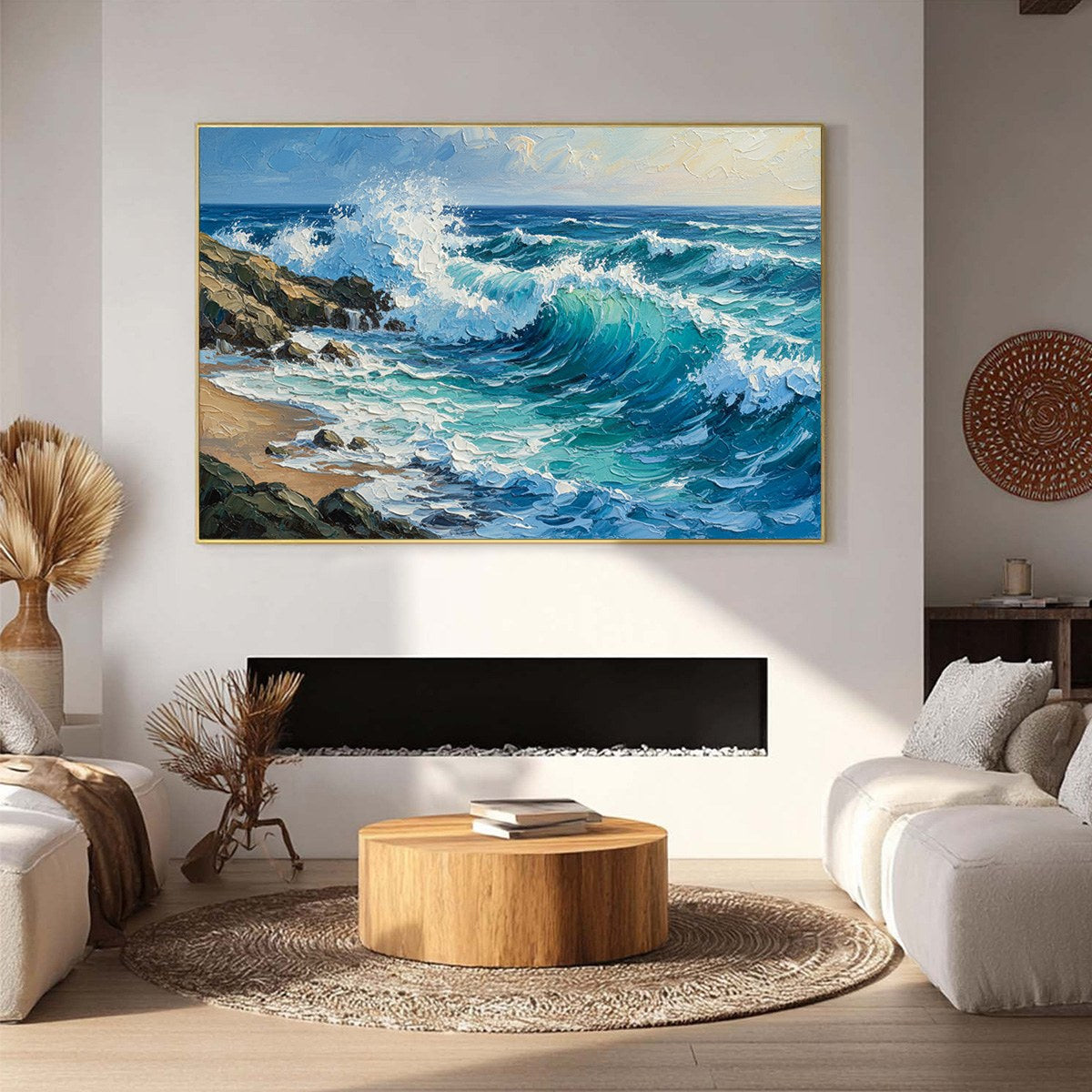
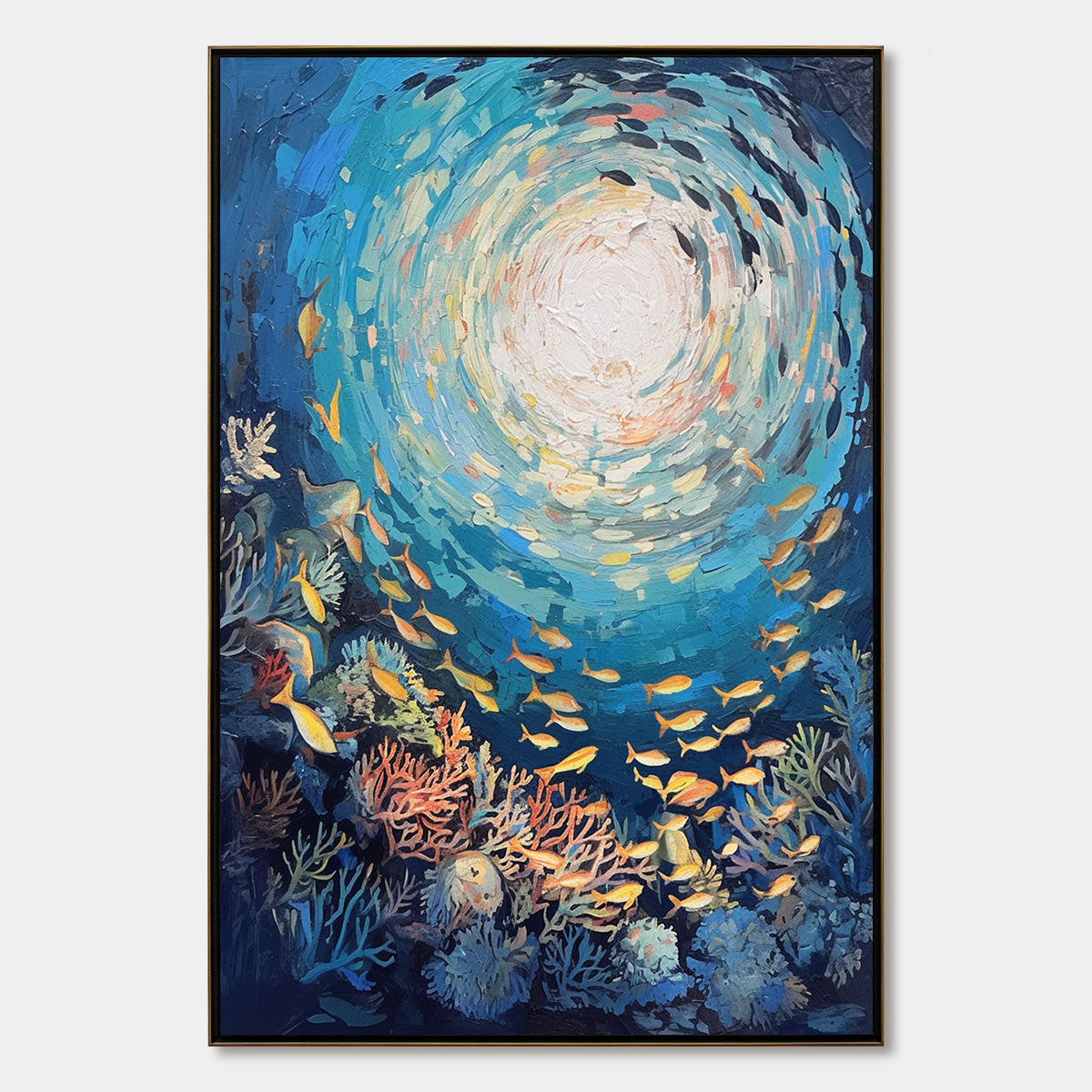
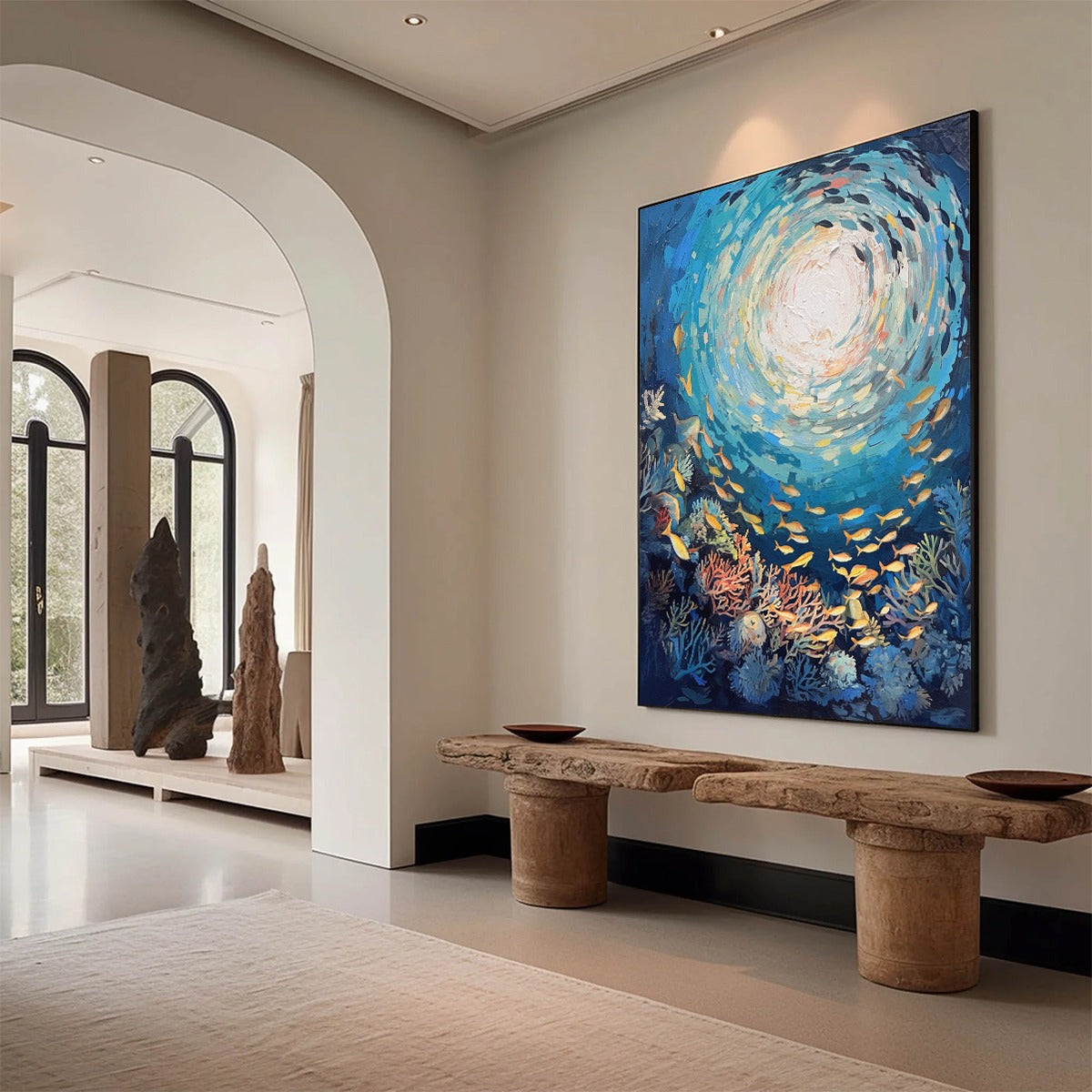
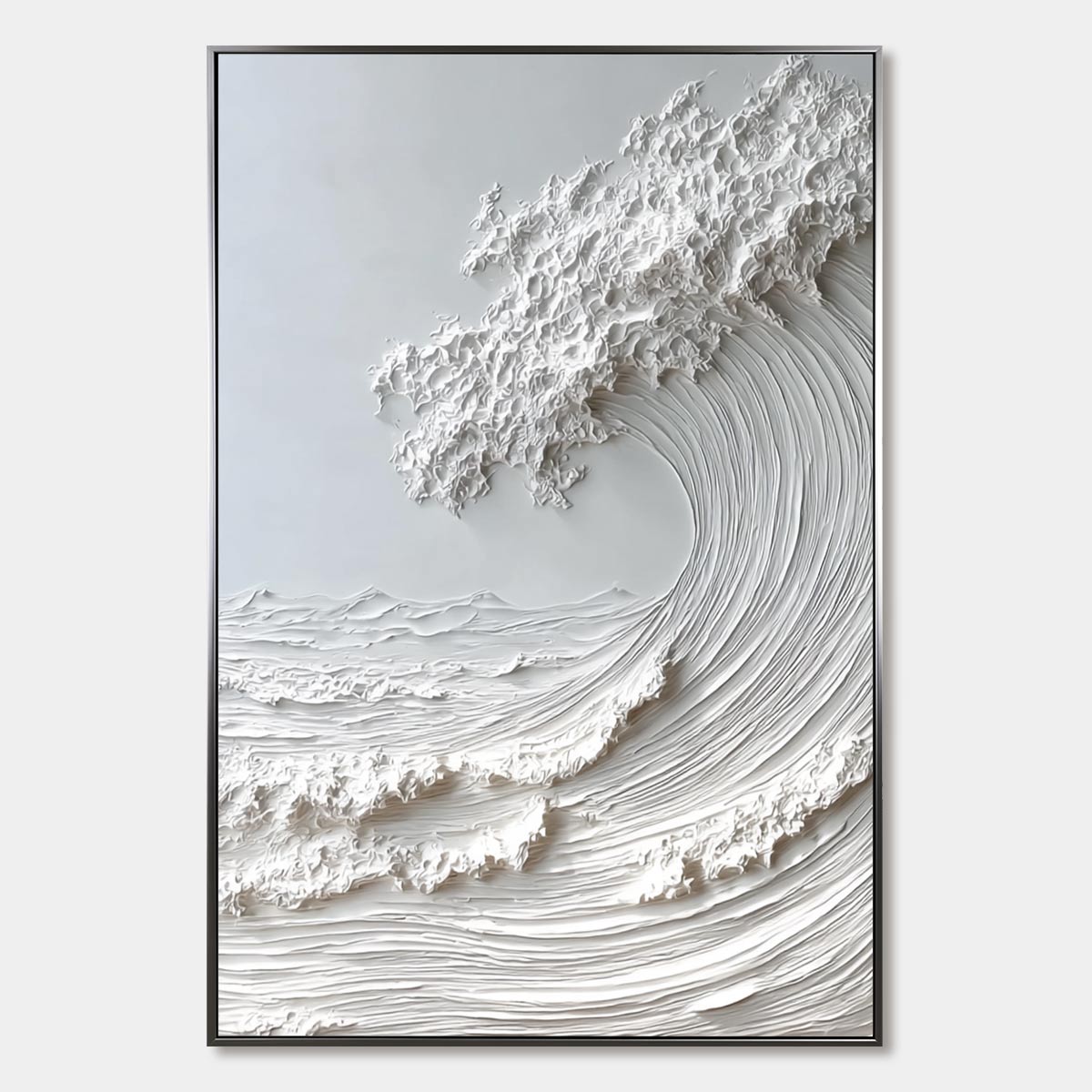
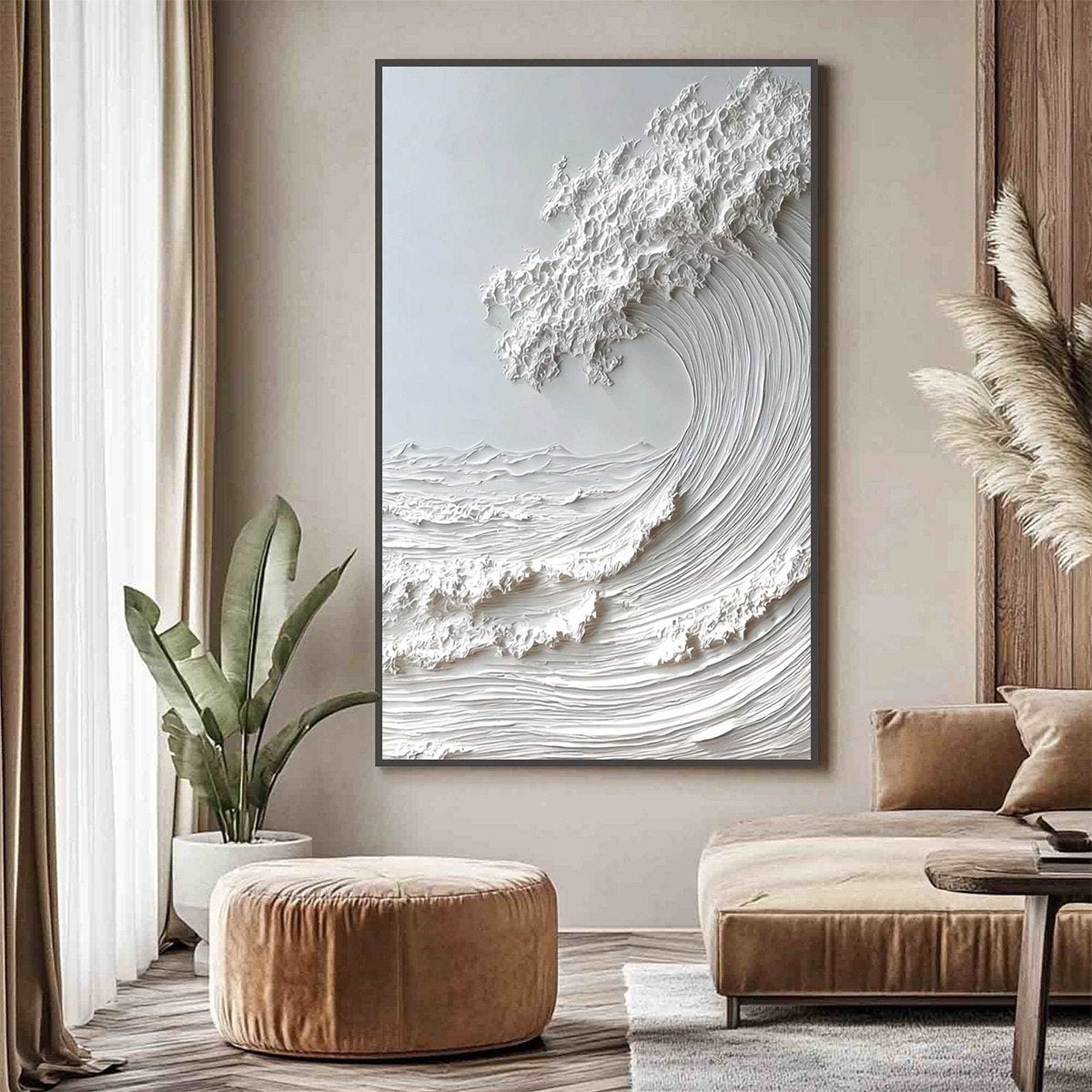
A beach scene brings a particular kind of space into a room: a long horizon, open sky and the steady movement of water. Beach scene artwork works best when you decide which part of the coast you want to live with, whether that is a quiet shoreline, a breaking wave, a sunset or a busy summer day, because each one sets a different mood.
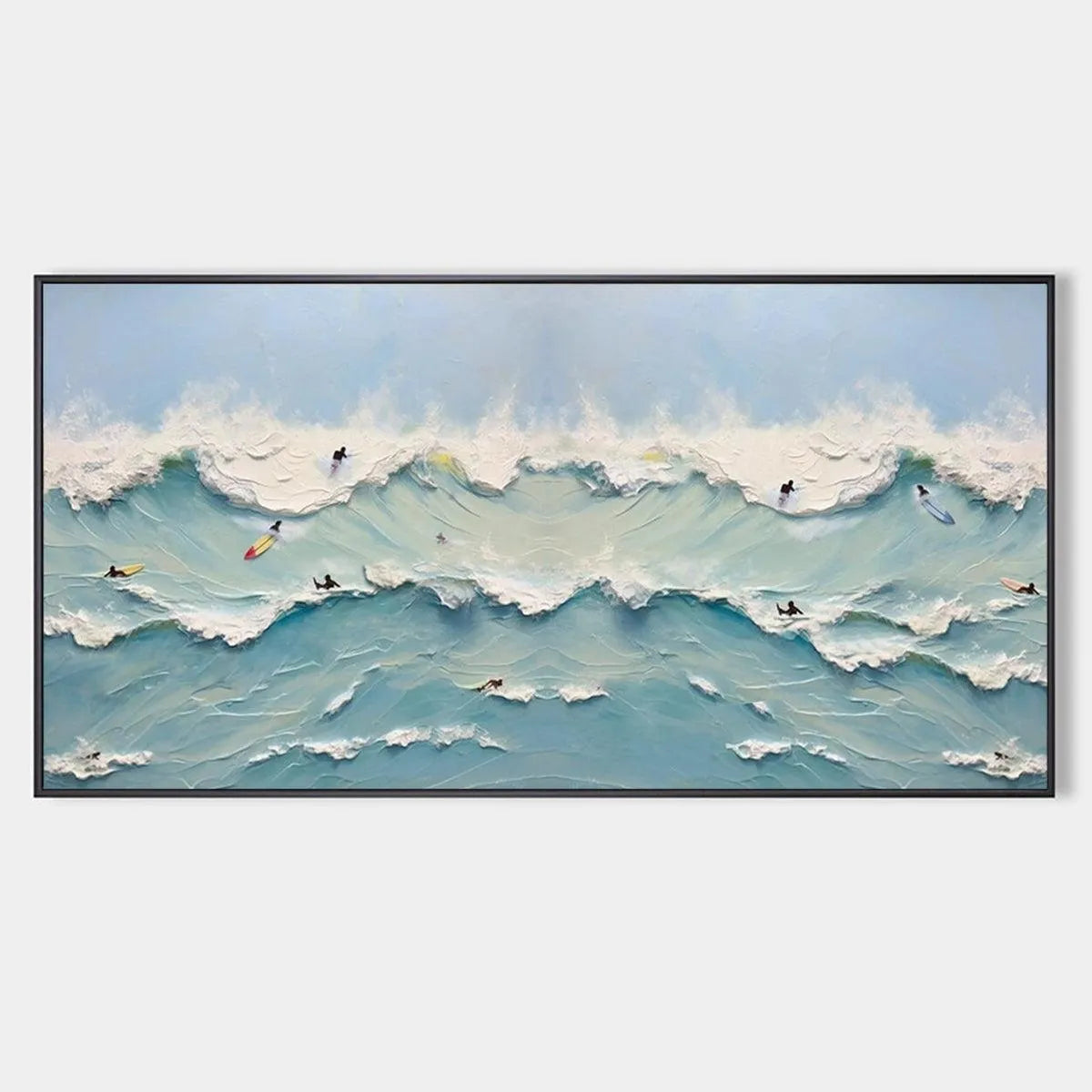
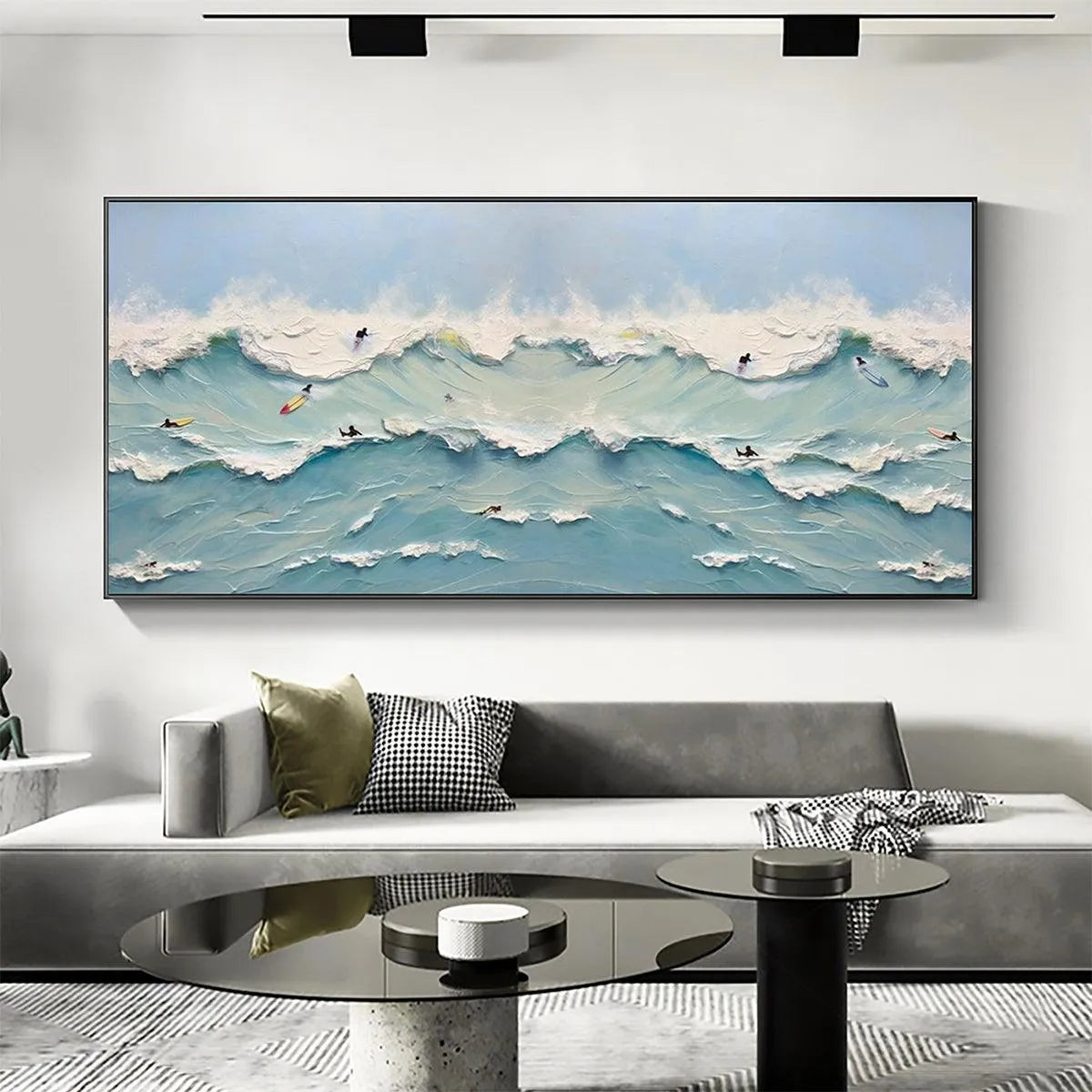
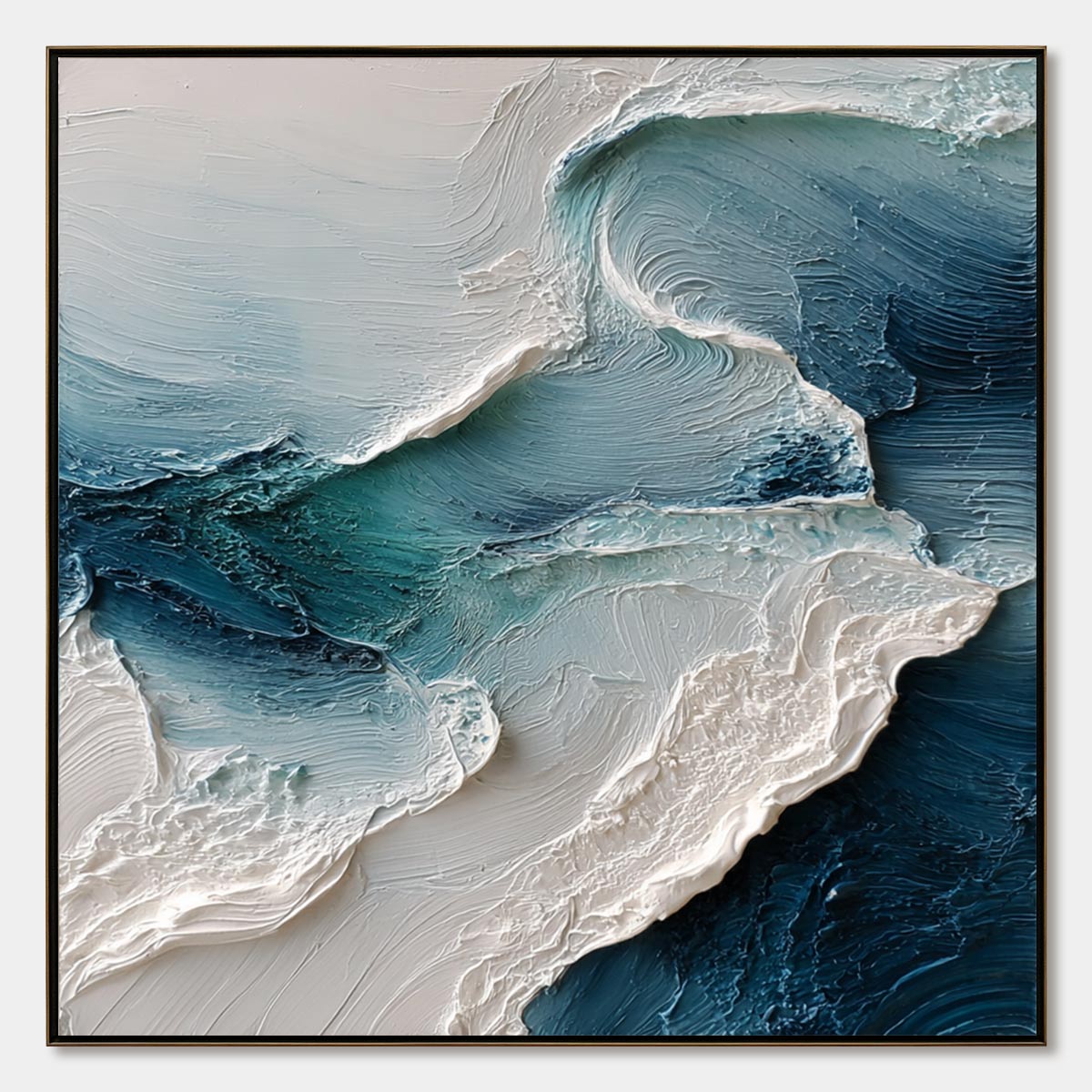
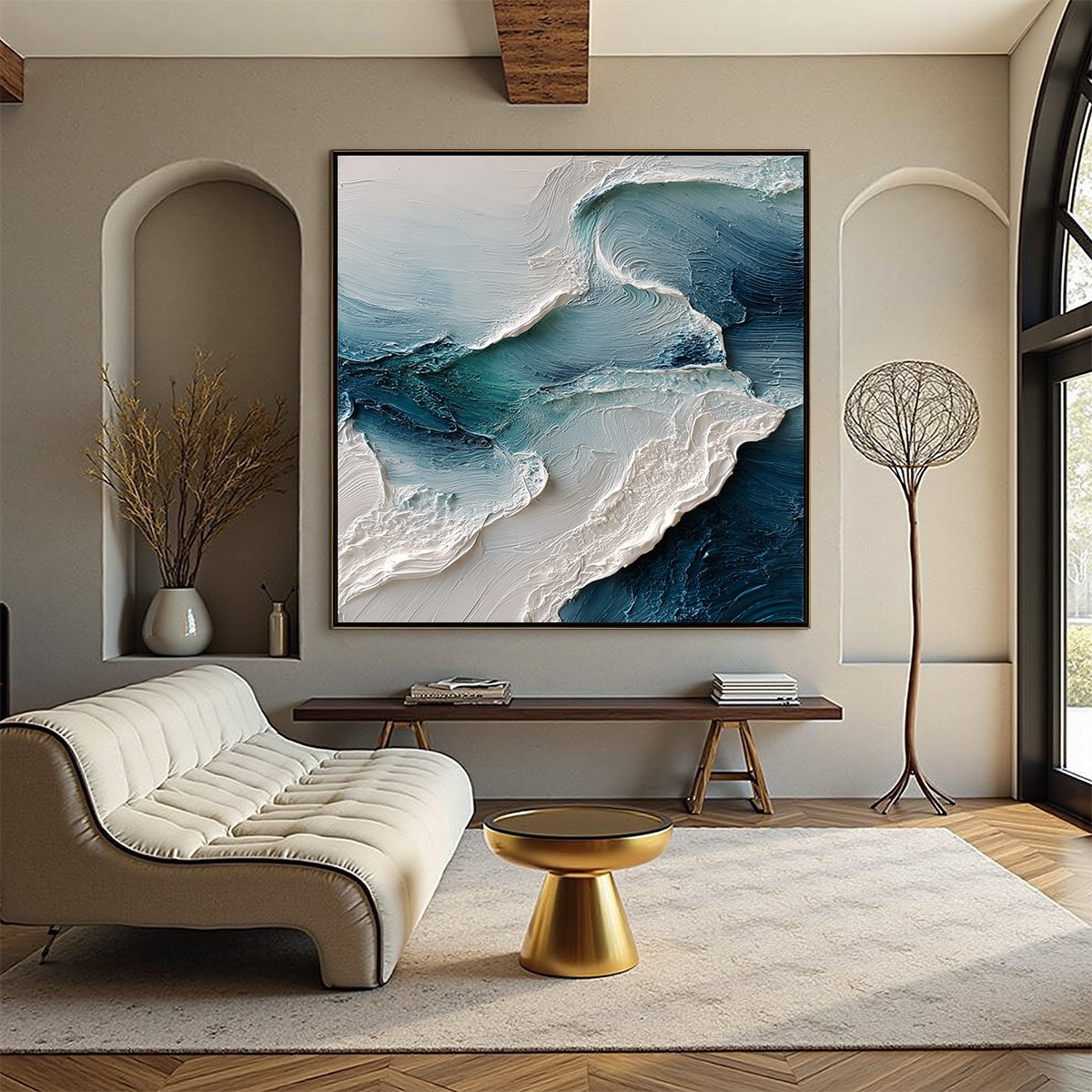
MontCarta's beach scene artwork collection includes textured seascapes, shorelines, sunsets, night scenes, surfing views and more abstract coastal compositions, in blues and whites as well as sandy beiges and warmer golden tones. Use the orientation, subject, style, color and room filters to narrow the selection, then open each painting to compare its available sizes and frame finishes.
Decide which coastal moment you want
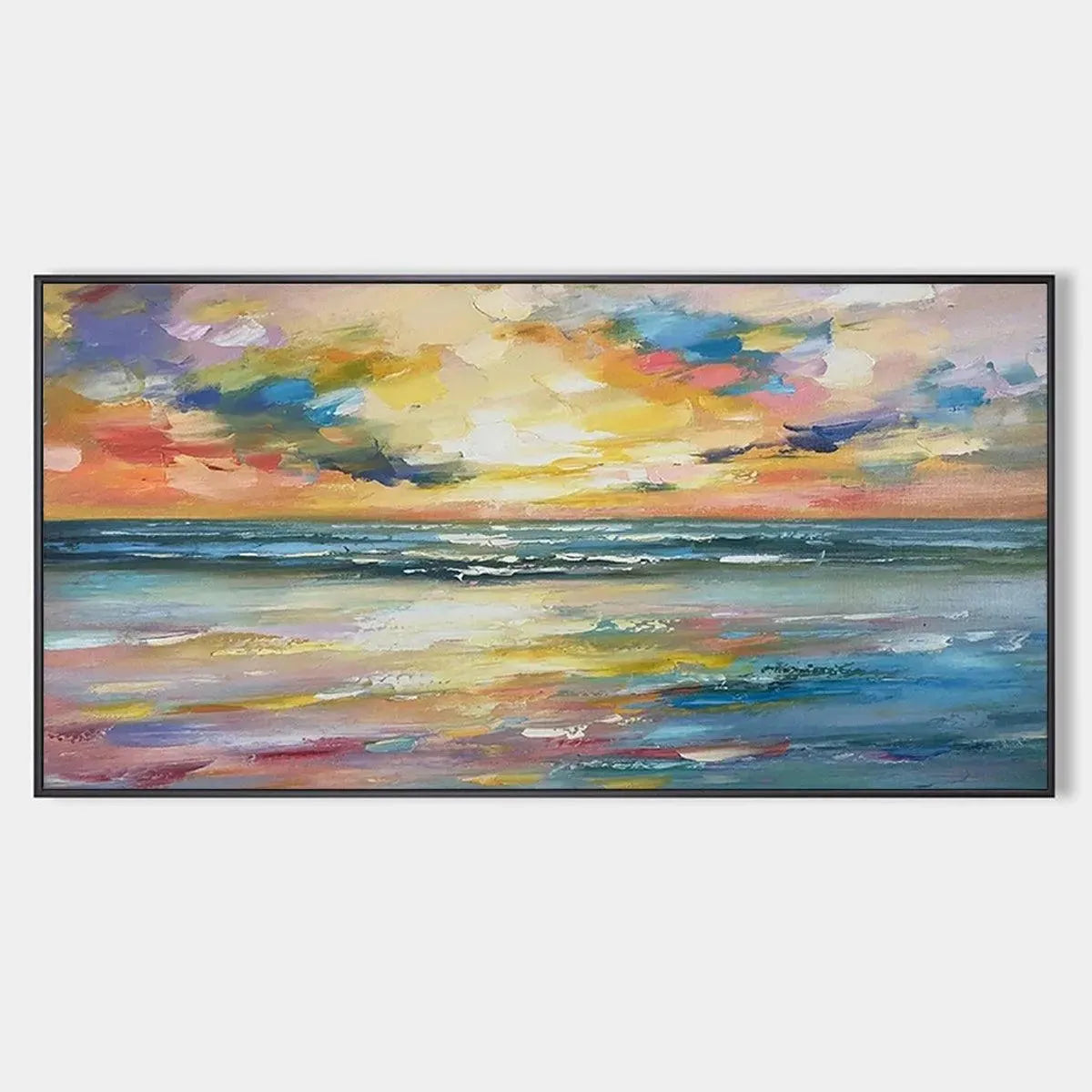
Time of day changes a beach painting more than almost anything else. Daylight scenes with pale sand and clear water feel fresh and open. Sunsets bring gold, orange and stronger contrast. Night scenes are darker and quieter, relying on moonlight and deep blue.
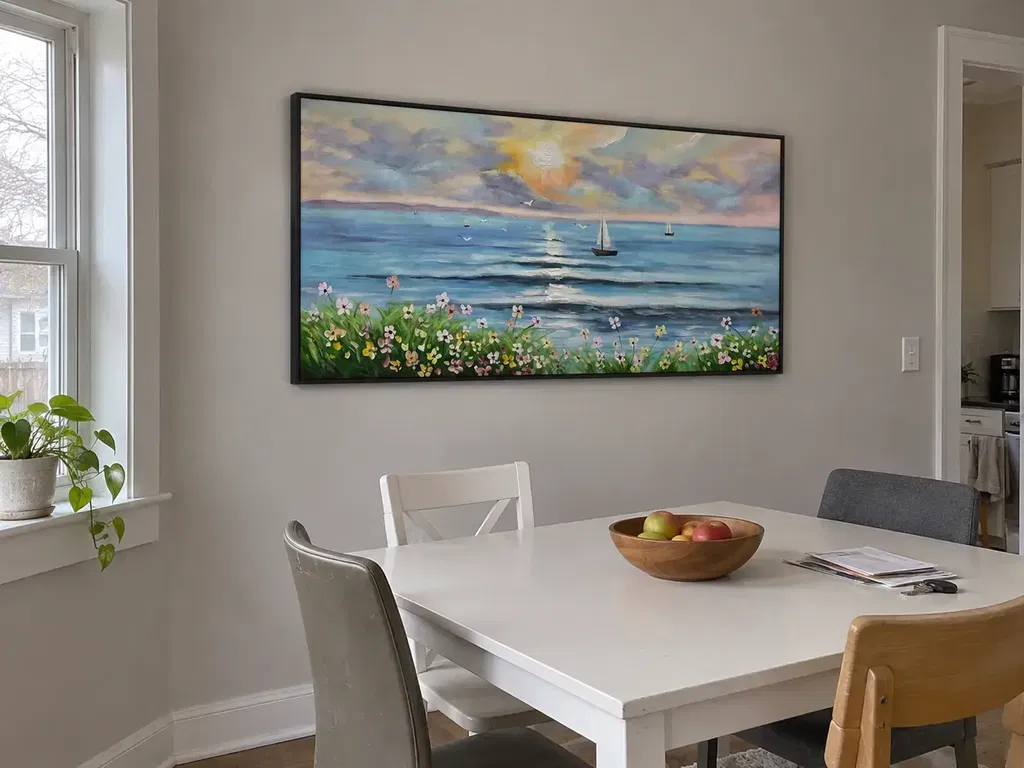
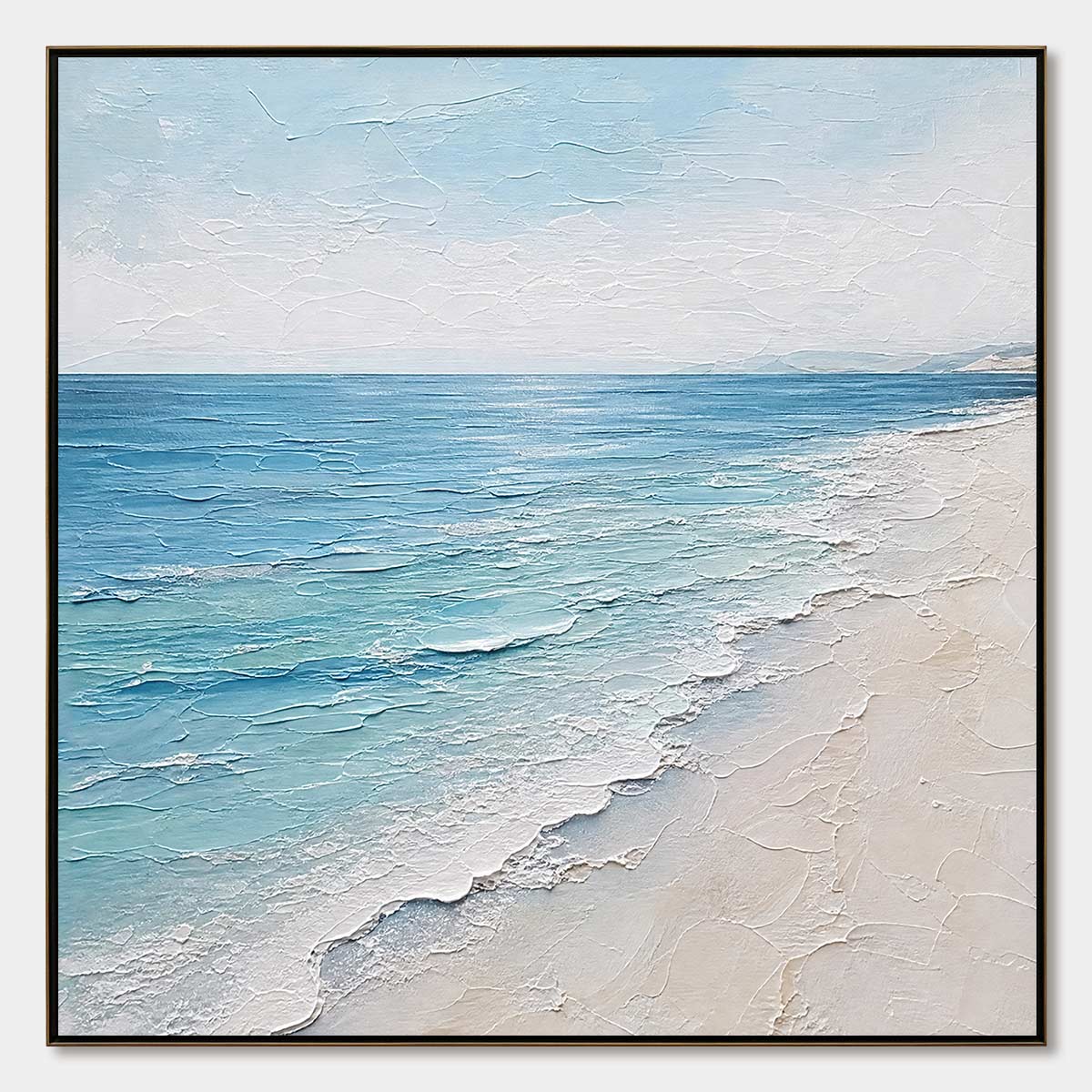
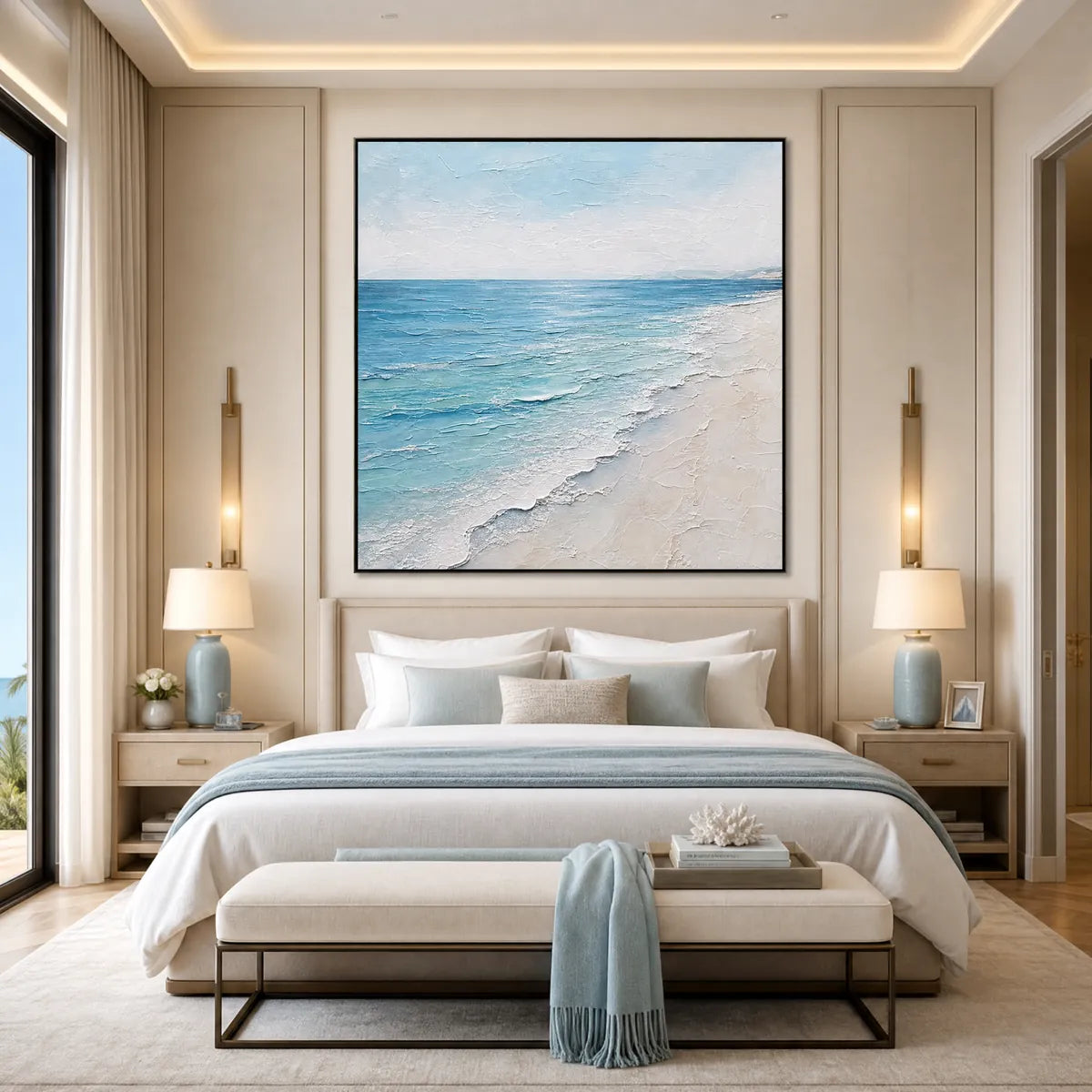
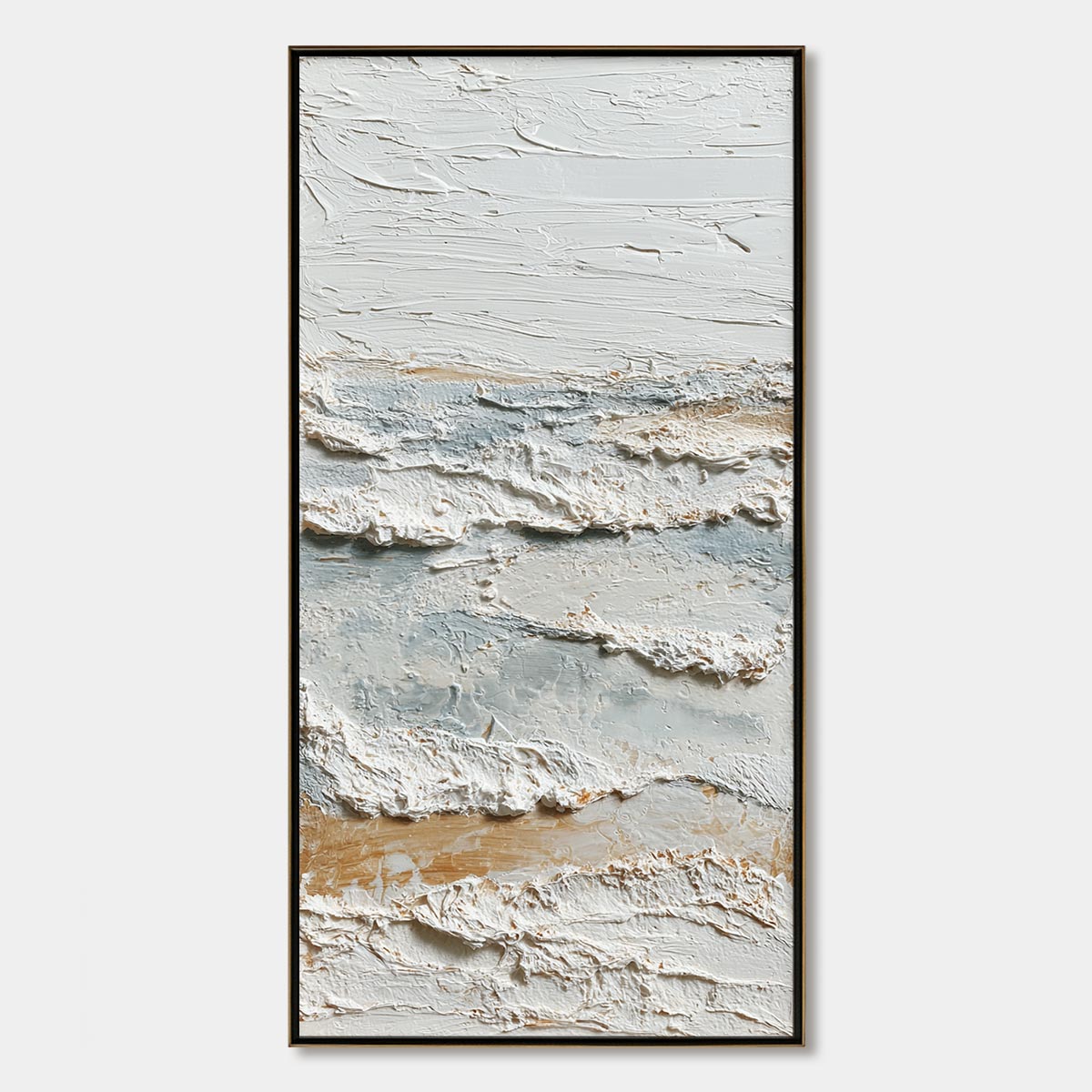
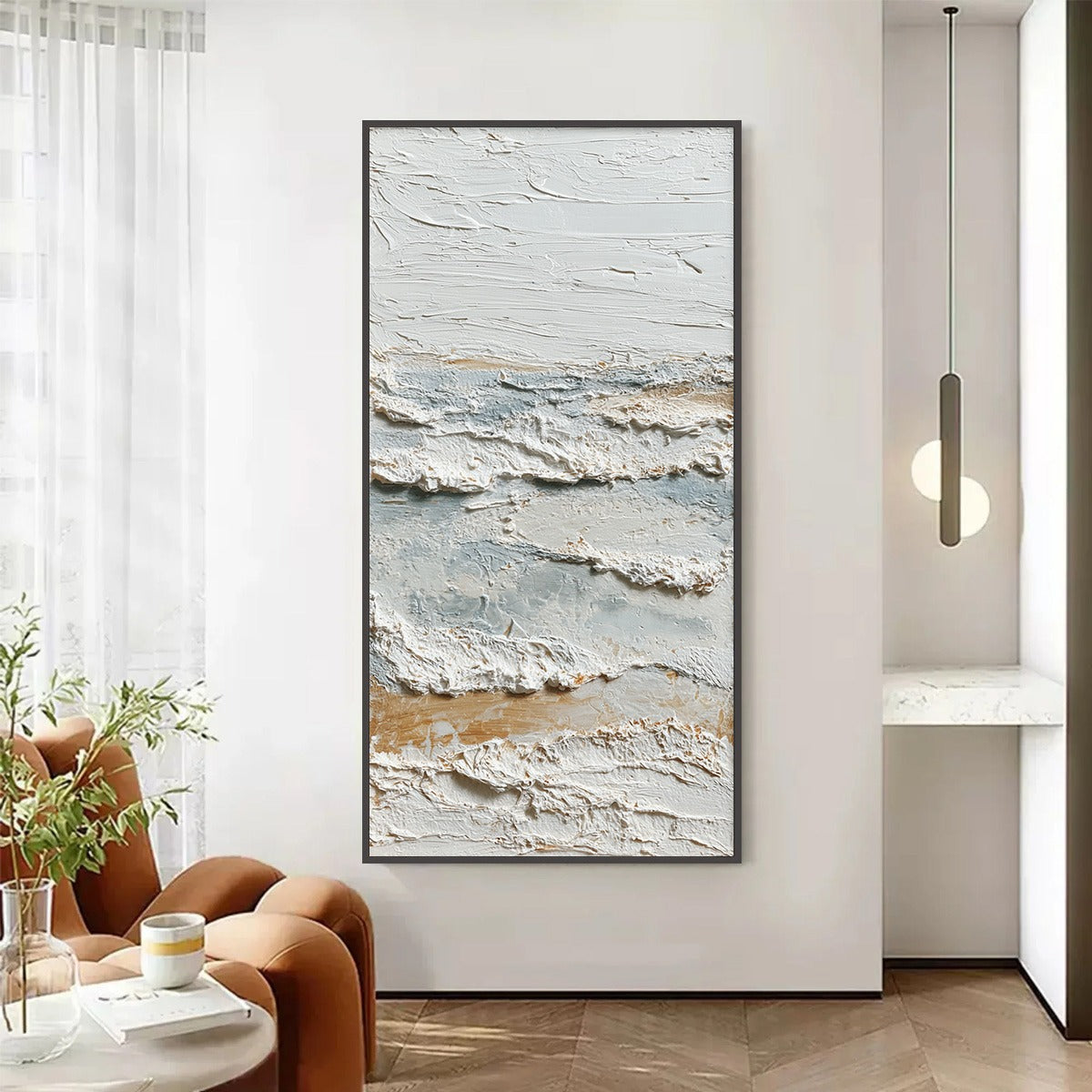
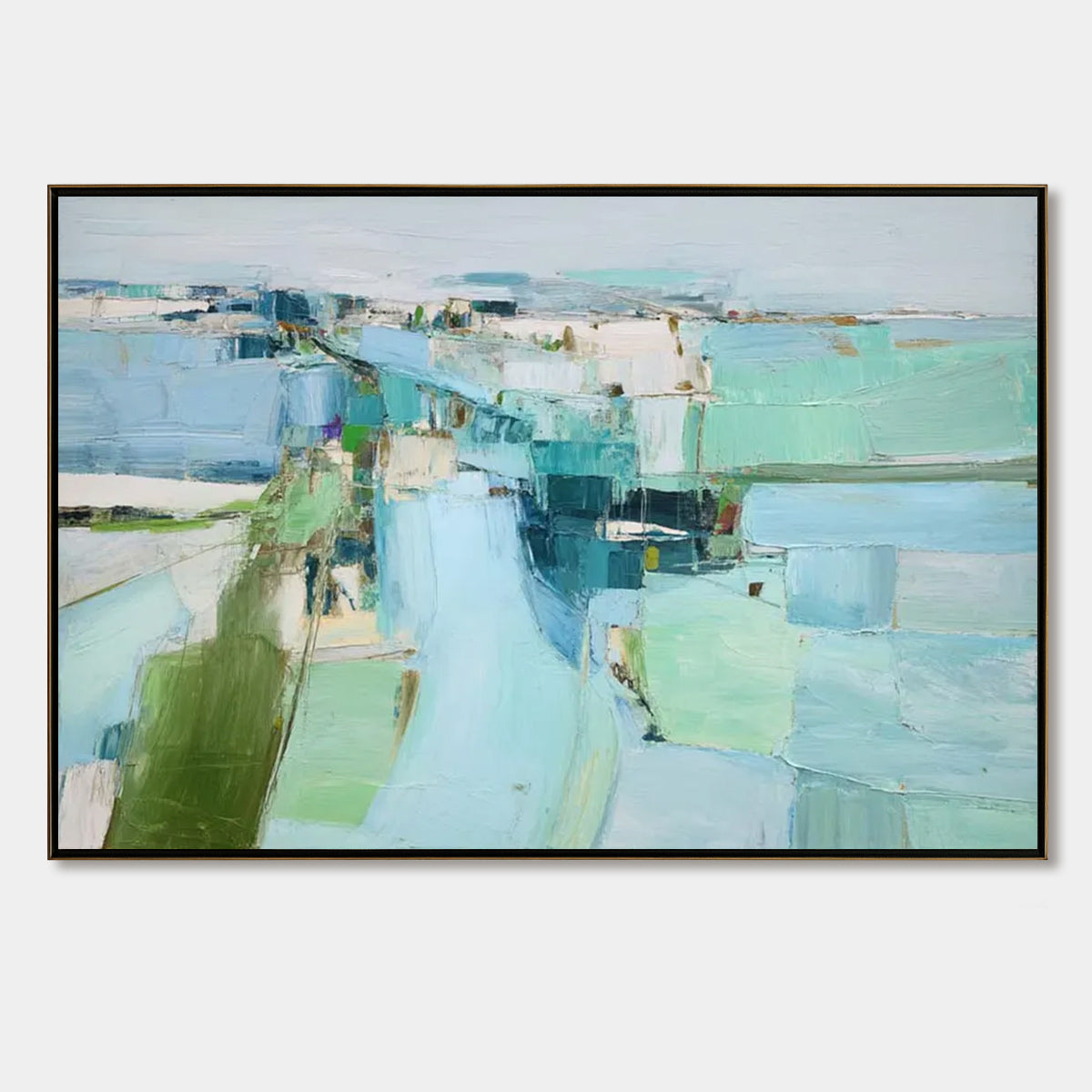
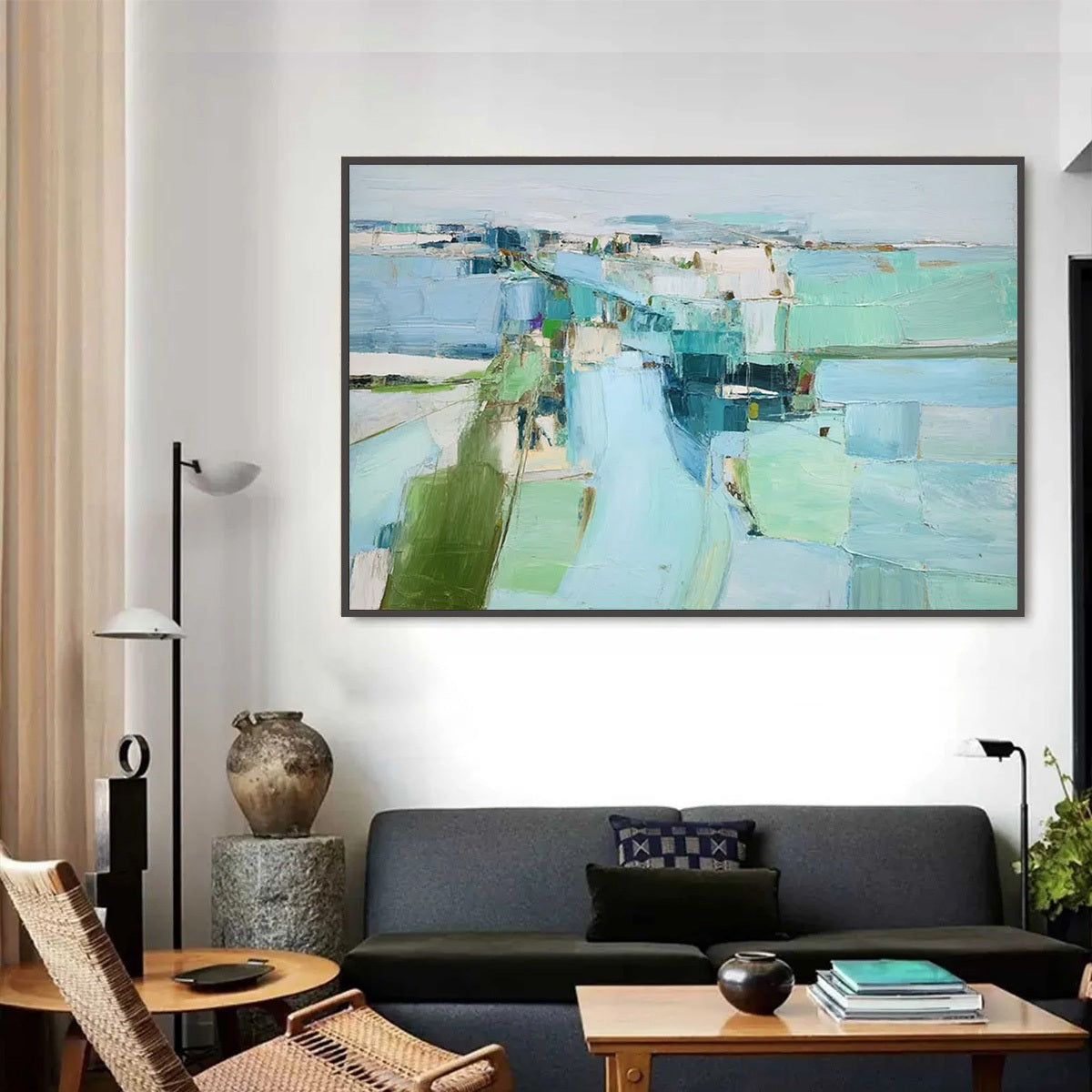
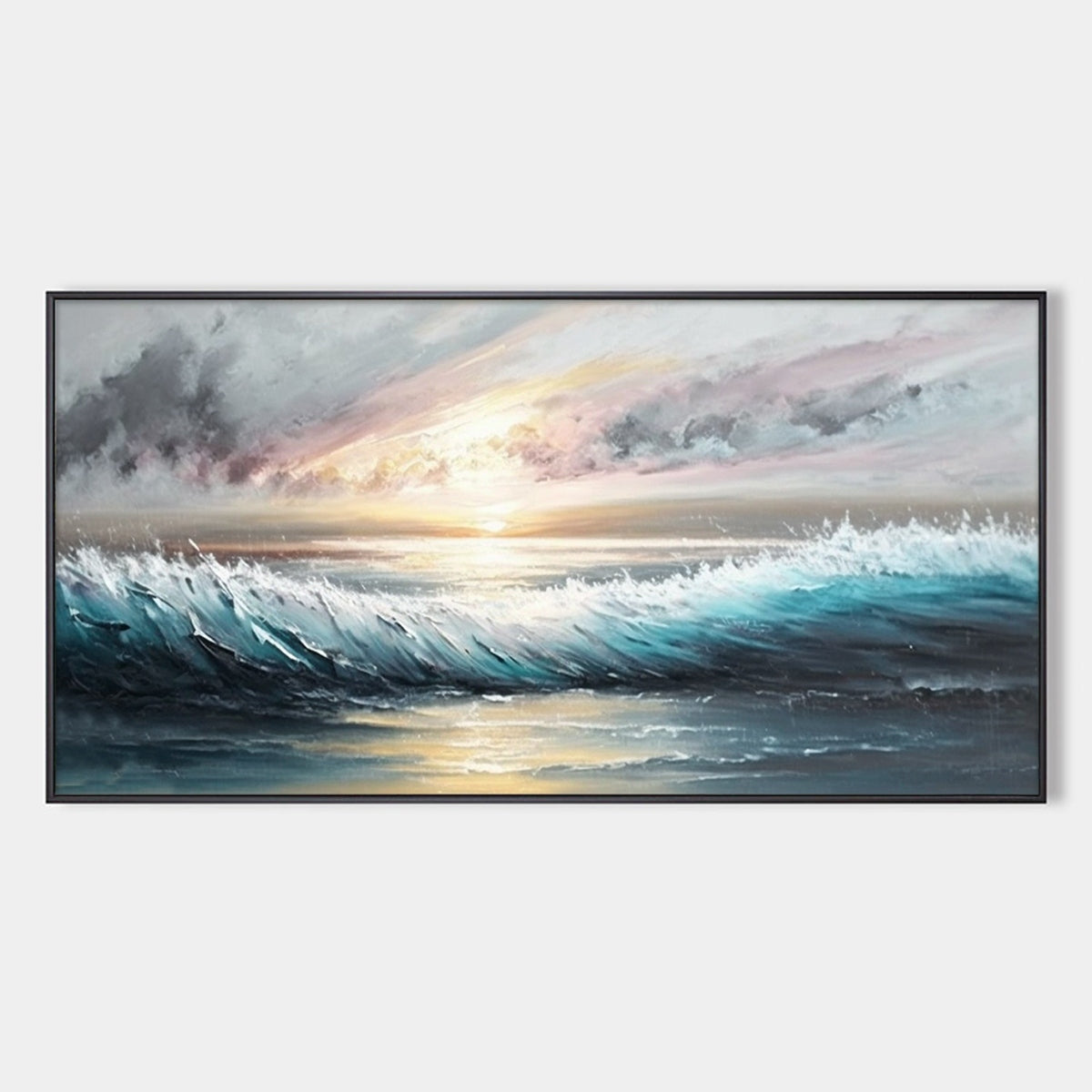
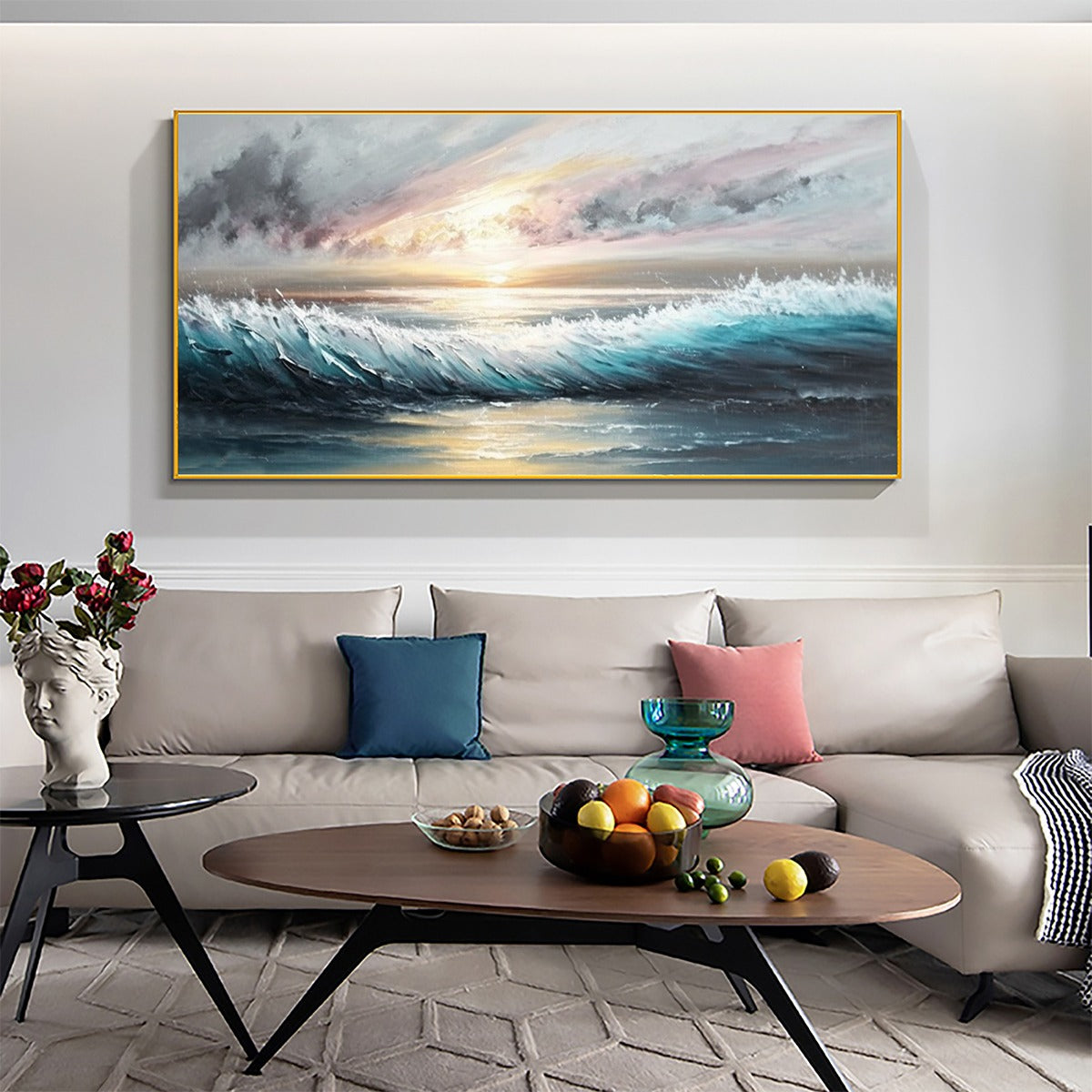
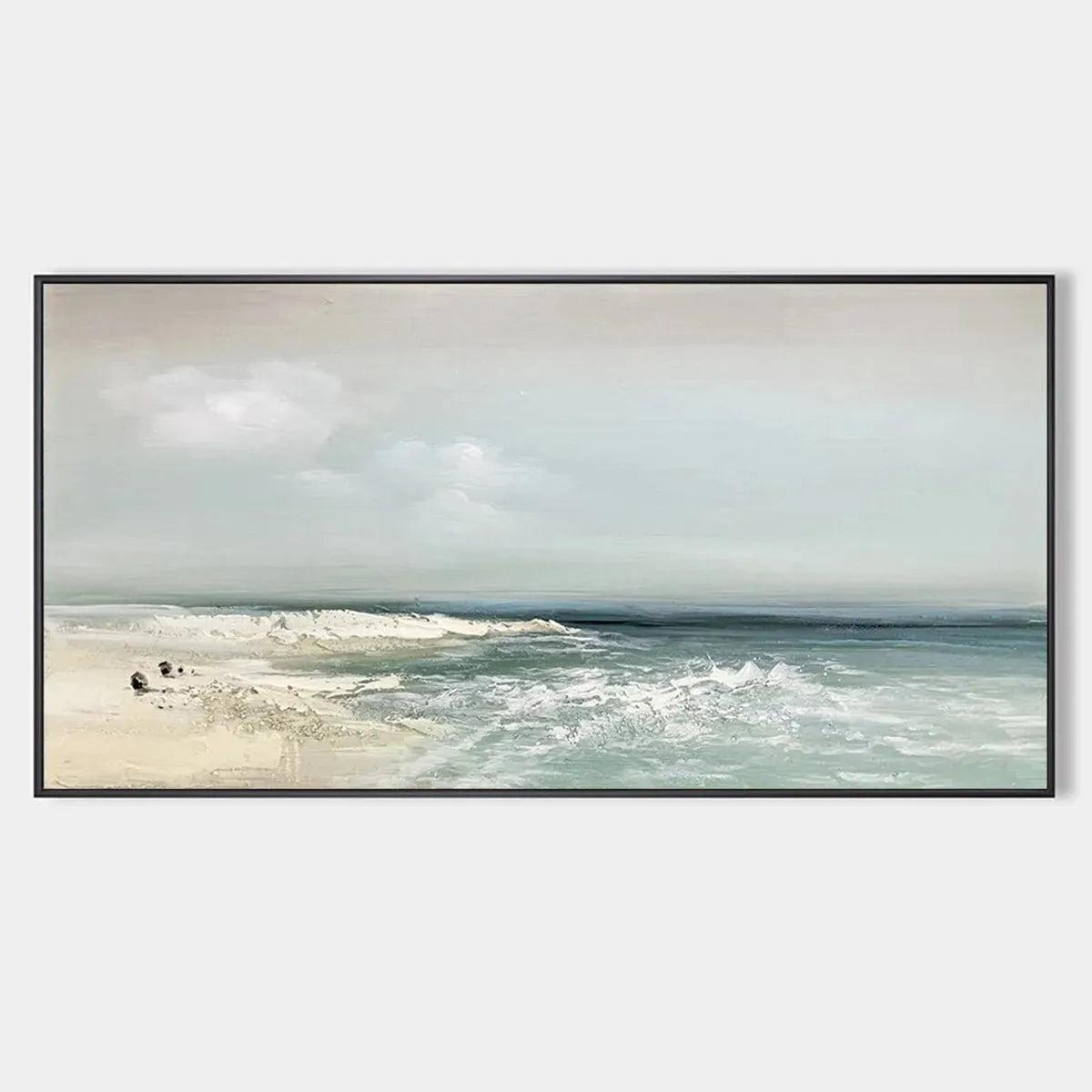
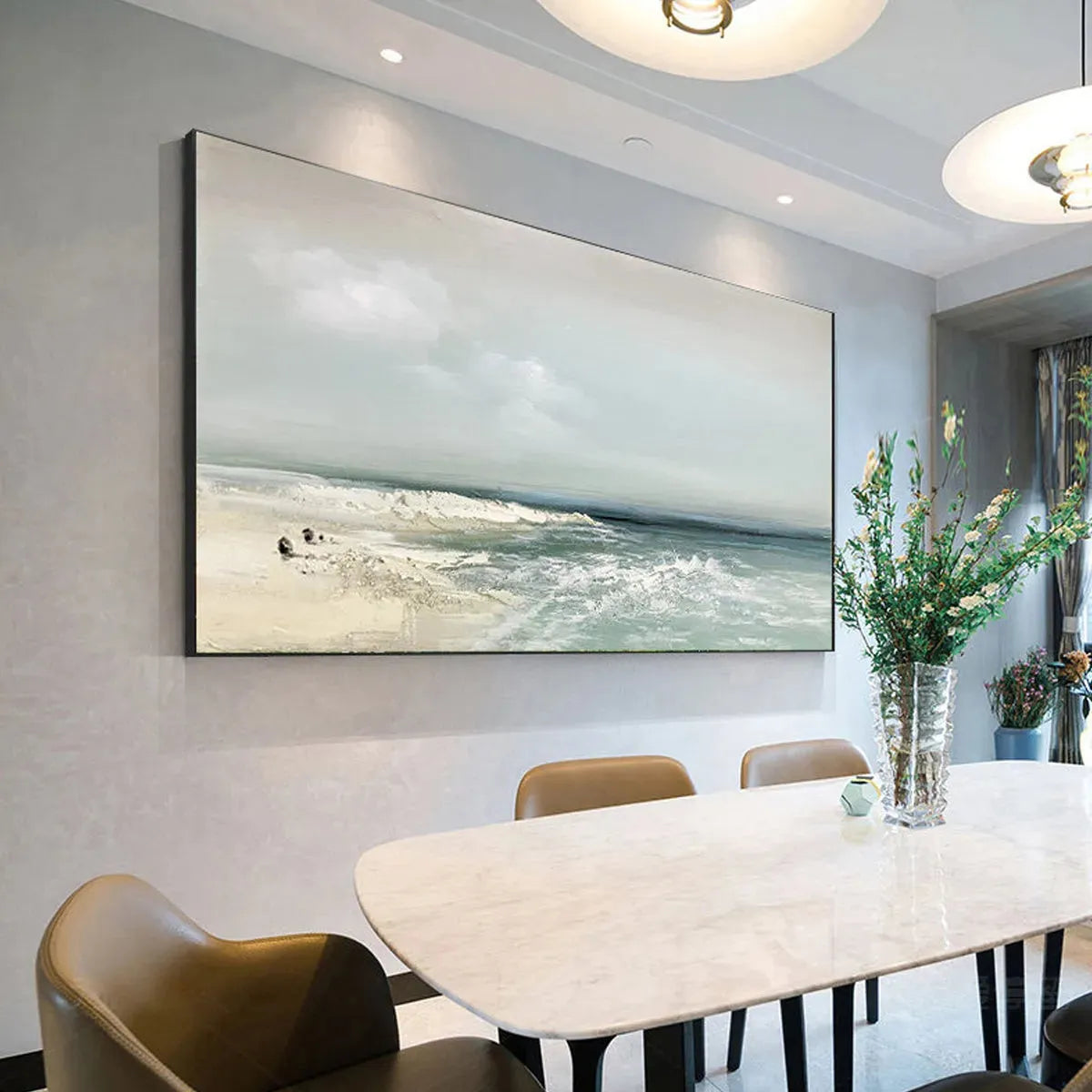
Seaside Serenity by Liam O'Connell captures a tranquil coastal landscape with textured brushstrokes and a soft palette. It is a horizontal painting offered from 16''x32'' up to 48''x96'', so the shoreline can stretch across a sofa, bed or console in the same way the coast stretches along the horizon.
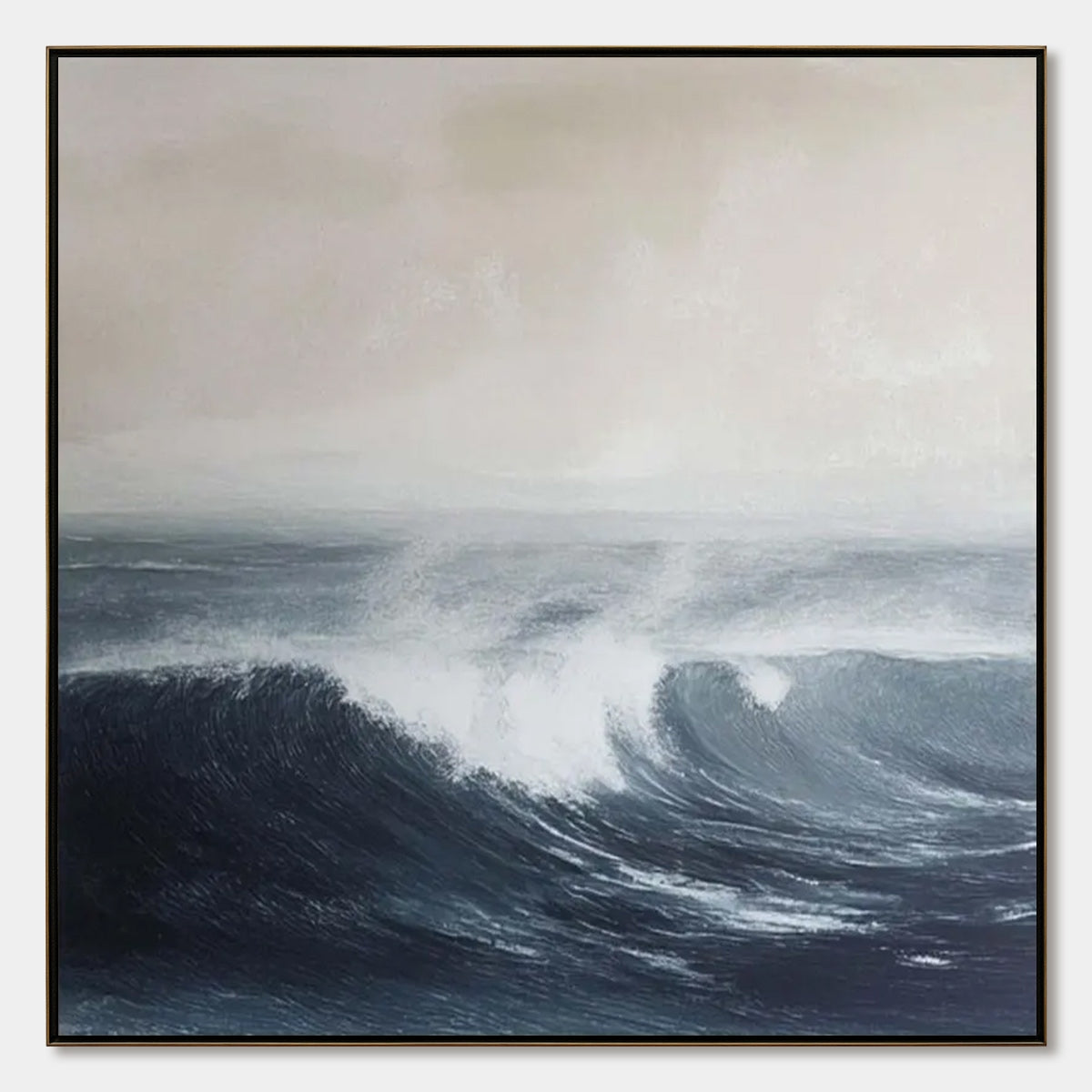
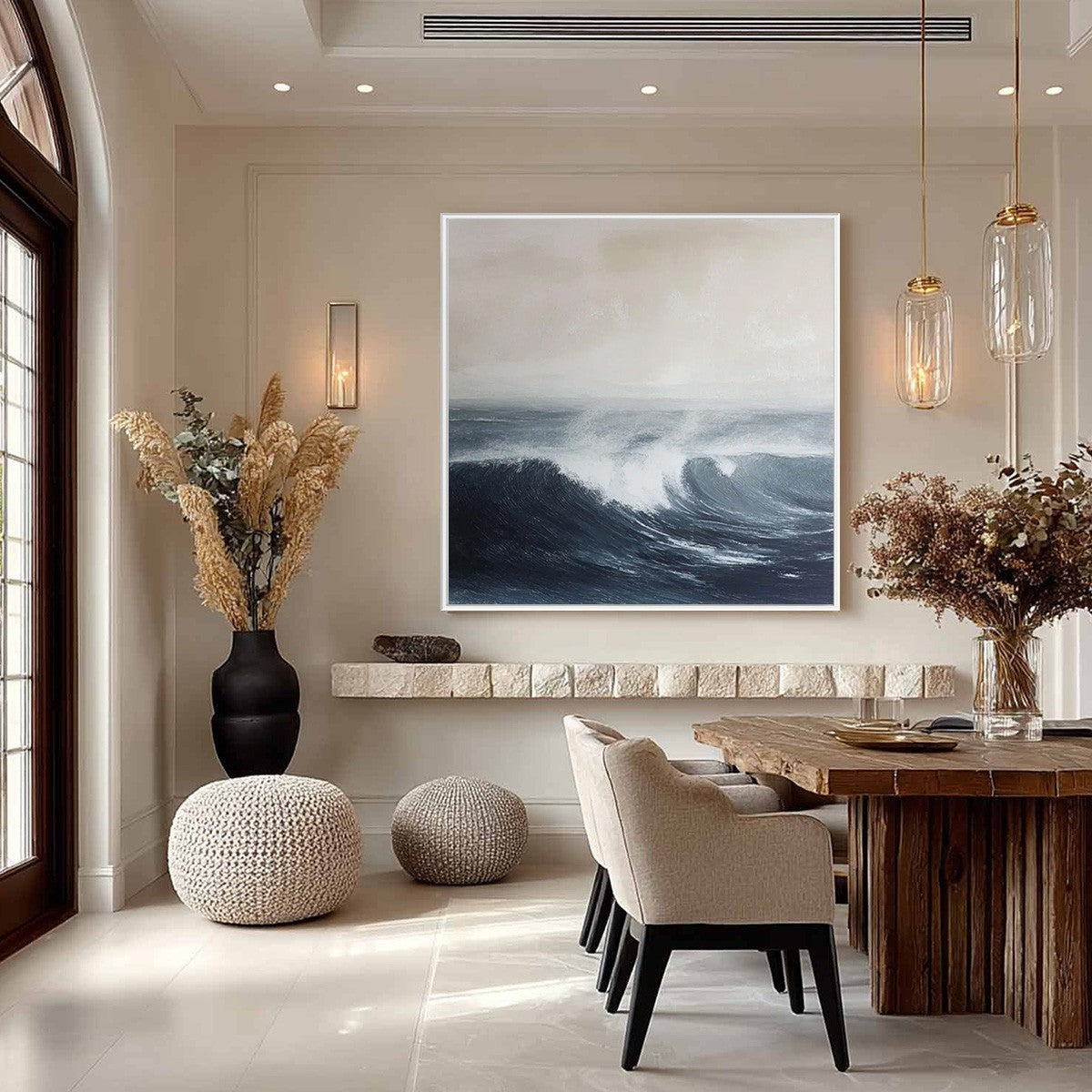
Moonlit Serenity, also by Liam O'Connell, shows a moonlit beach in deep blue tones with expressive, impressionist texture. Its square format, offered from 20''x20'' to 48''x48'', draws the light toward the center of the canvas. It suits a bedroom or reading corner where a darker, calmer painting is welcome.
Choose between a calm shore and an active scene
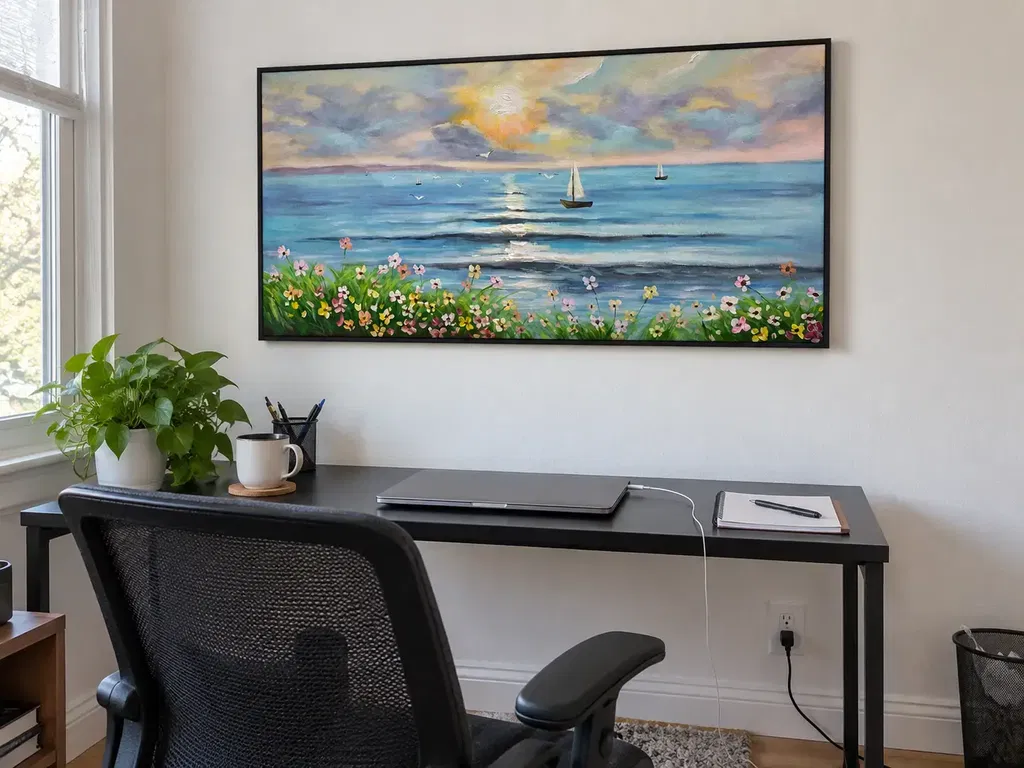
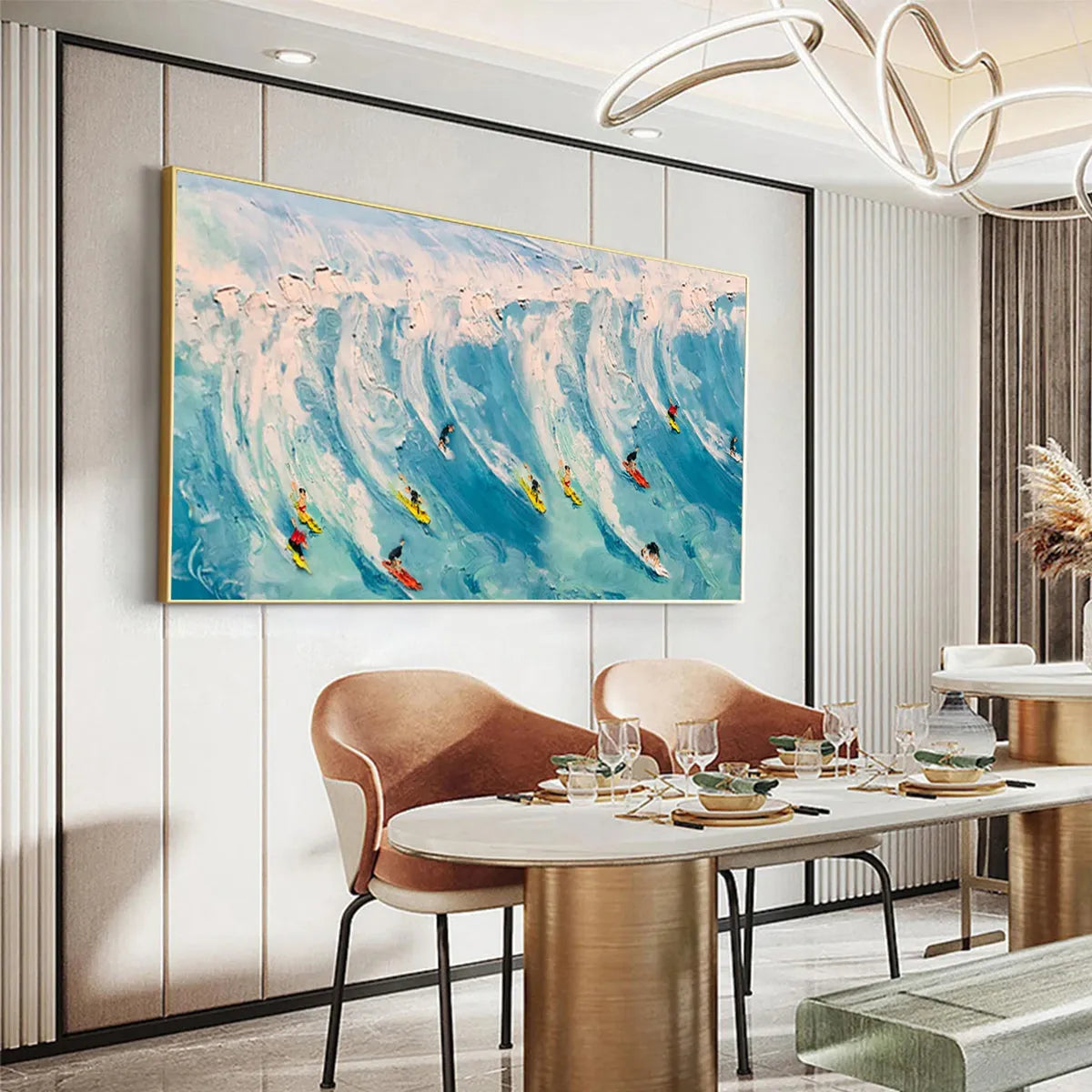
Some beach paintings are about stillness: an empty stretch of sand, gentle surf, a low horizon. Others are about movement, with crashing waves, surfers or swimmers. Think about how the room is used. A bedroom or a quiet sitting room usually benefits from a slower scene, while a hallway, family room or home office can take more energy.
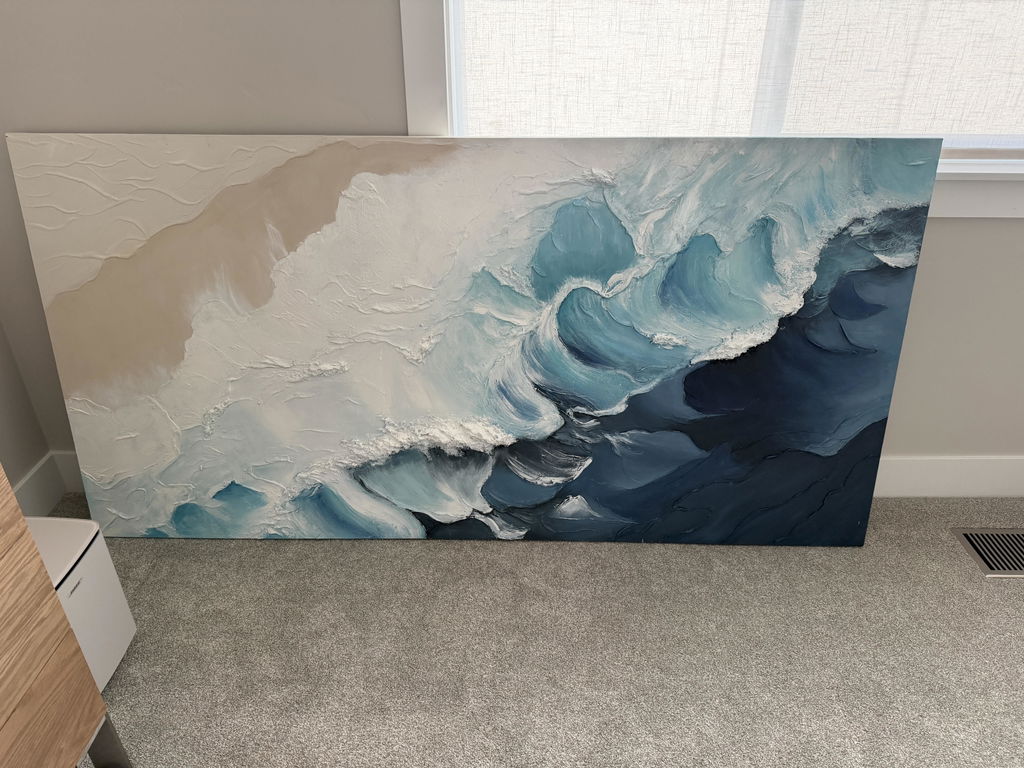
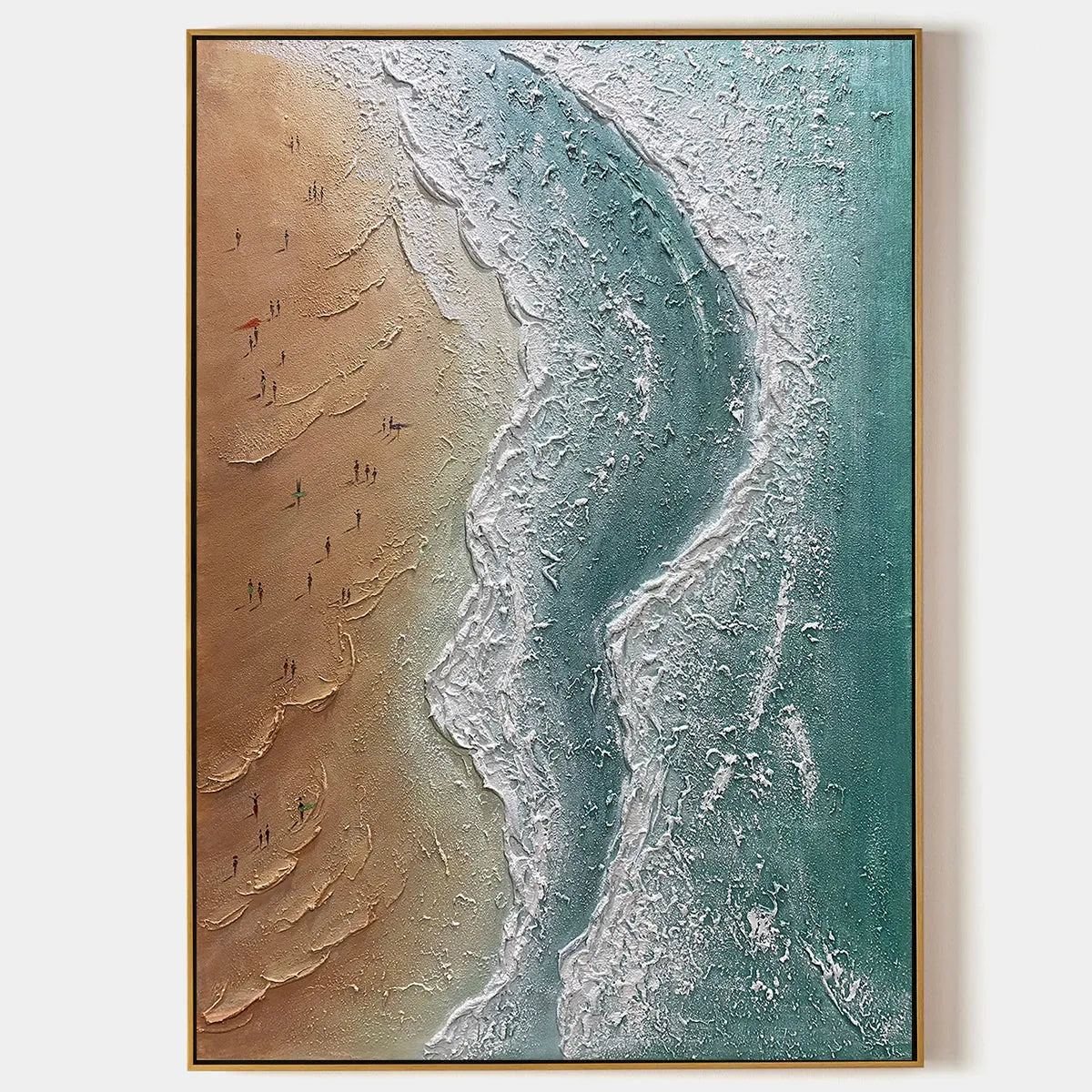
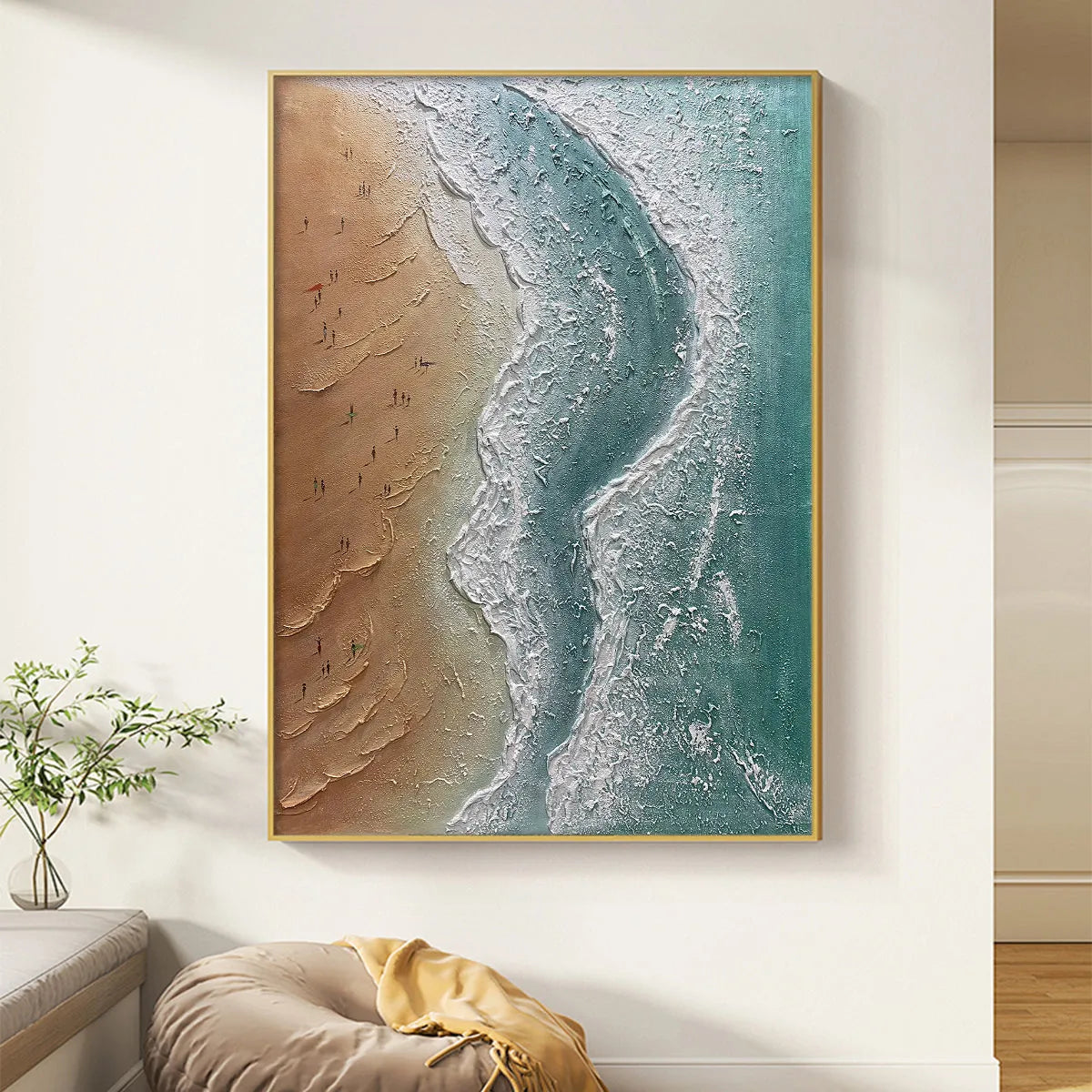
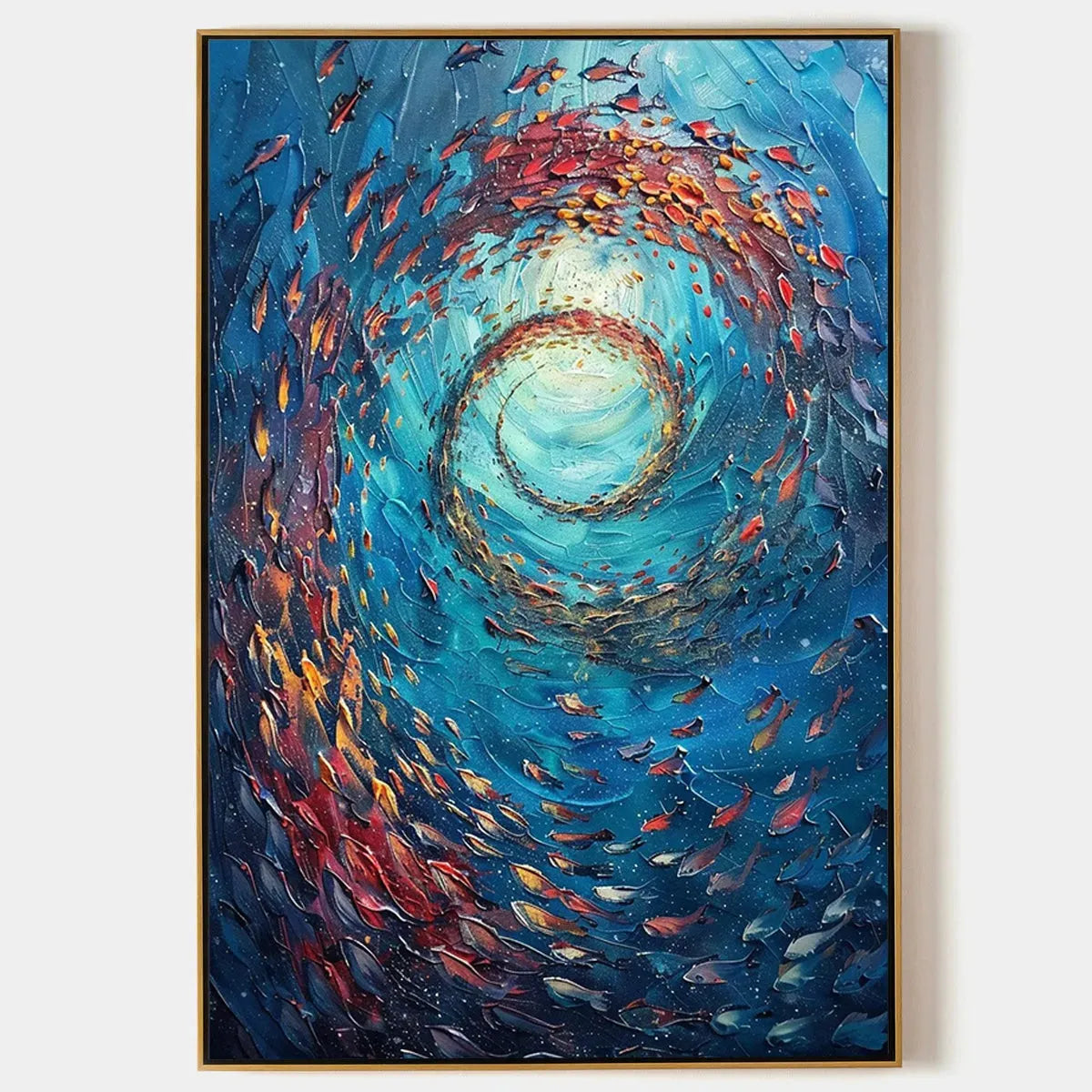
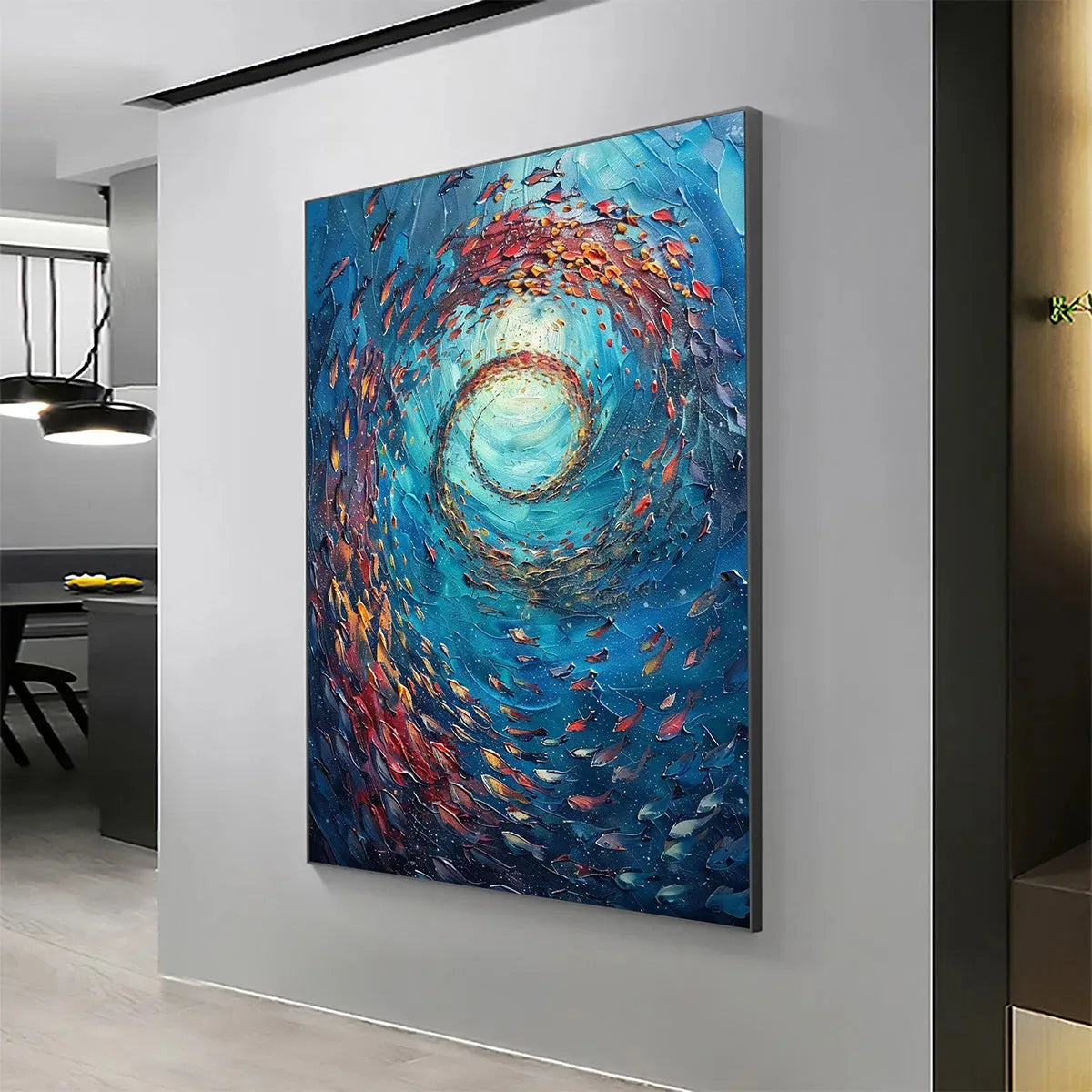
Surf's Up by Isabella Rossi looks down on surfers from above, with textured waves filling the canvas. The aerial viewpoint removes the horizon entirely, so the painting reads almost like a pattern of water and figures. It is a vertical piece offered from 20''x28'' to 48''x80'', which suits a narrower wall or the space beside a doorway.
If you are choosing for a restful room, the bedroom collection lets you compare beach scenes with other calm subjects suited to that setting.
Watch the horizon line
In most beach scenes, the horizon is the strongest line in the painting, and where it sits changes how the work relates to the room. A low horizon gives more space to the sky and feels airy. A high horizon puts the emphasis on sand and water.
When you hang the painting, try to keep the horizon roughly parallel to nearby lines such as the top of a sofa, a shelf or a window frame. A horizon that runs with those lines looks settled; one that competes with them can make the arrangement feel slightly off.
Balance blue with sand and neutral tones
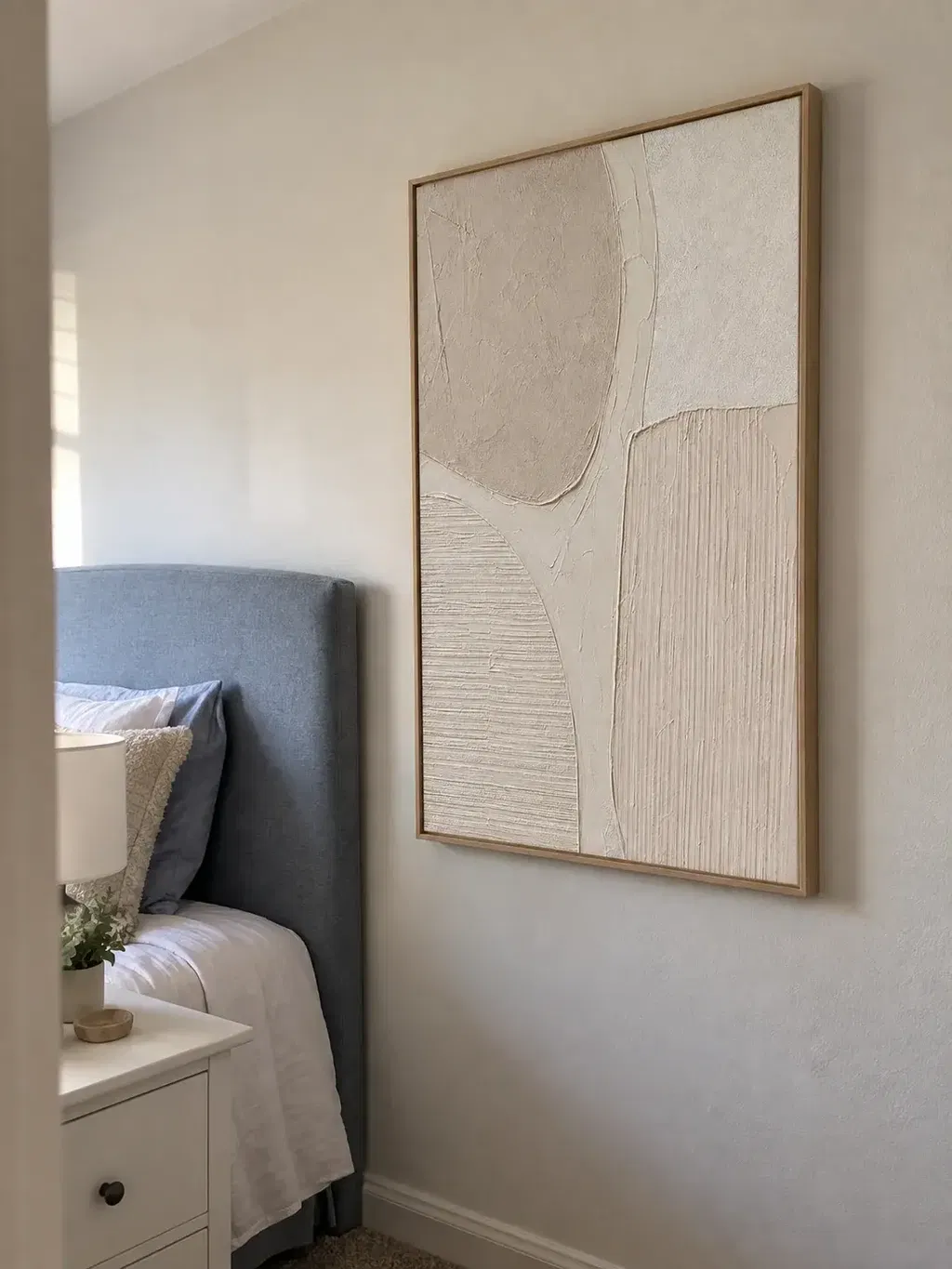
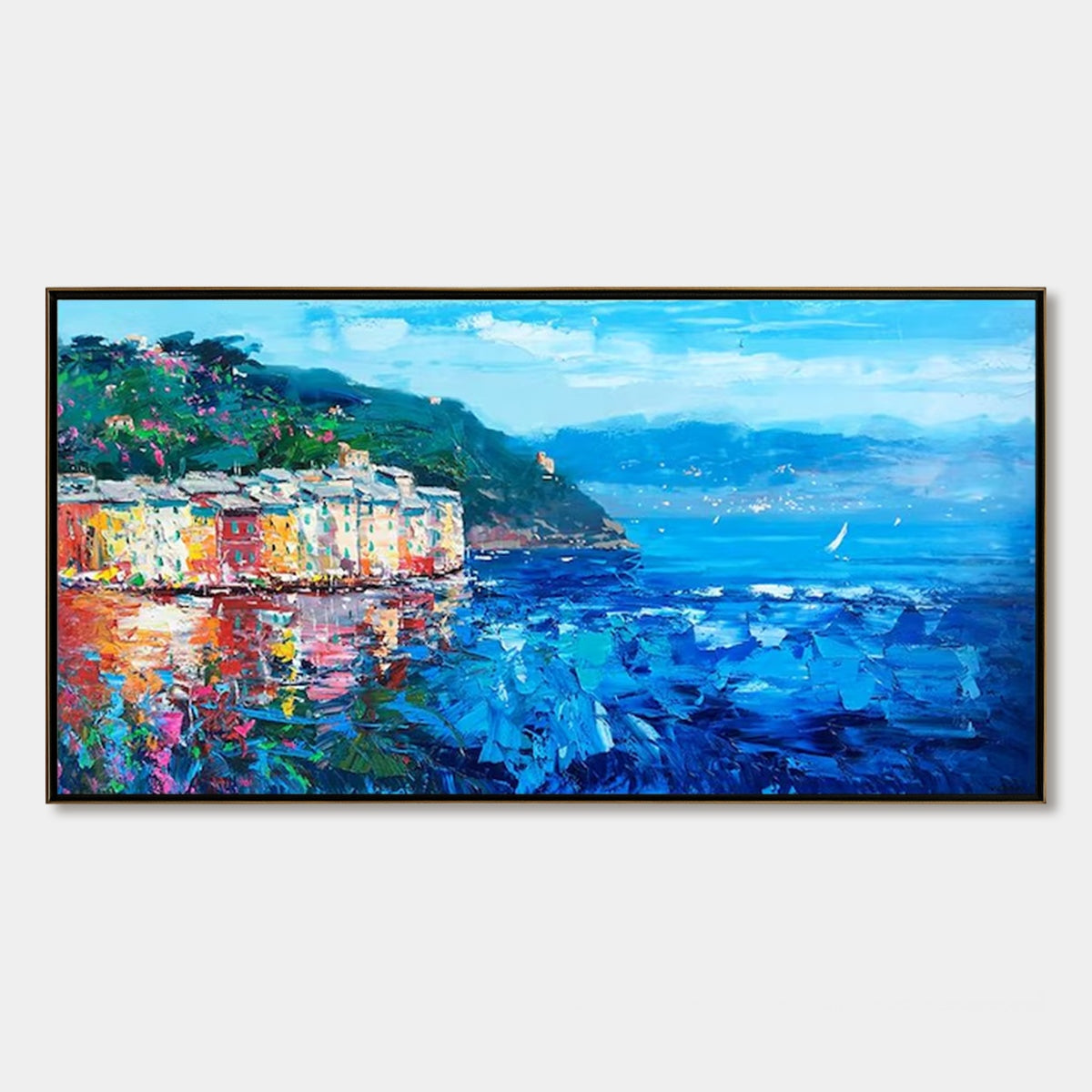
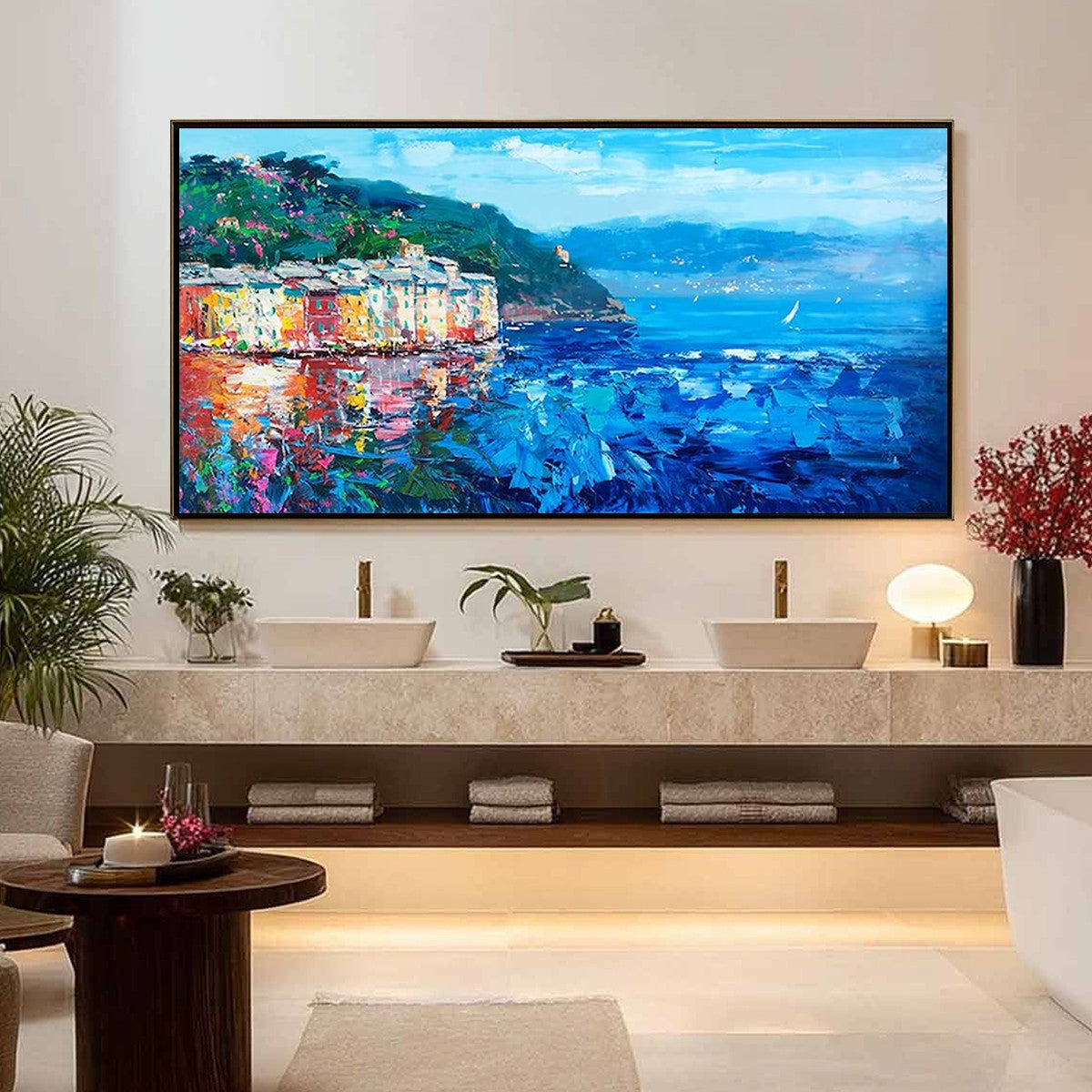
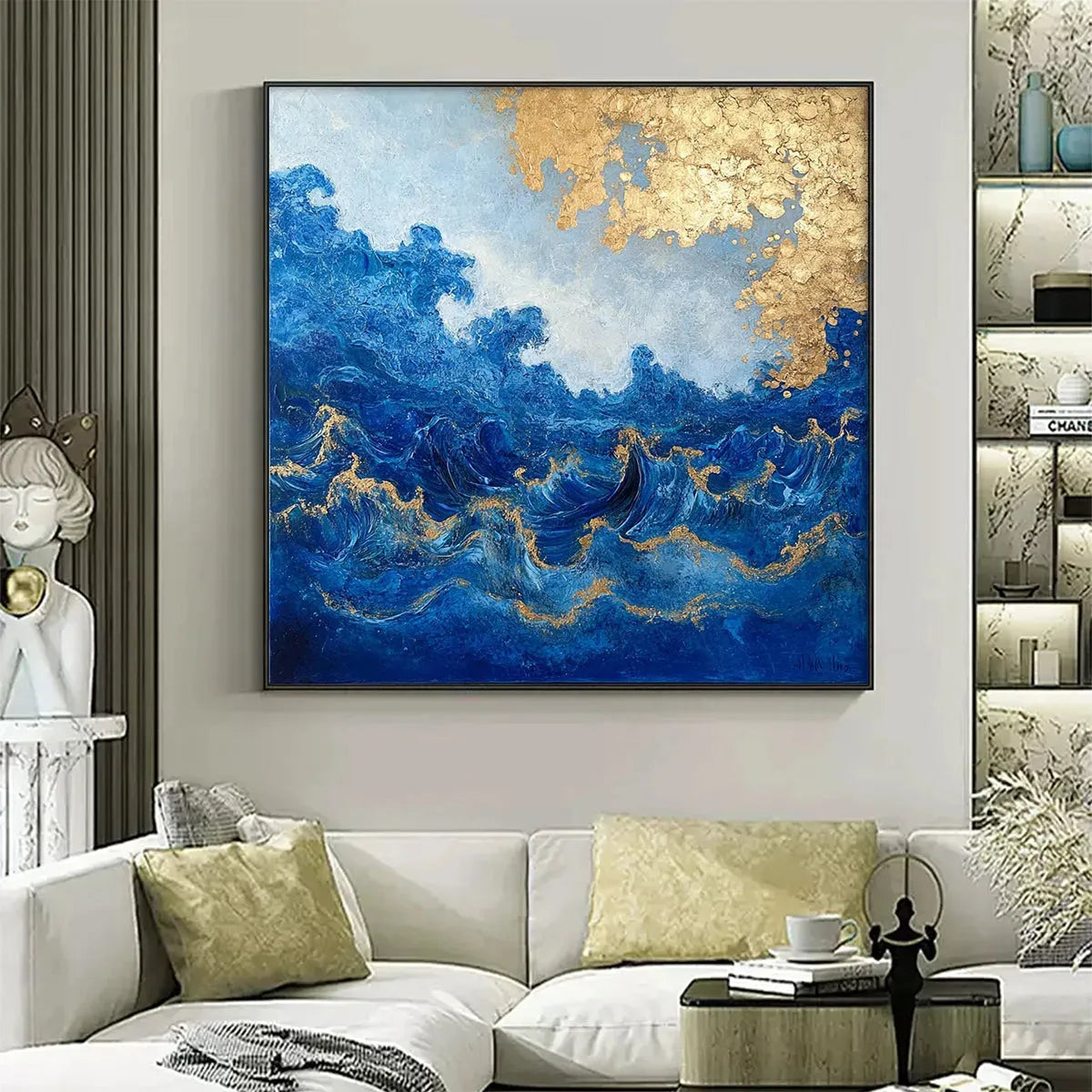
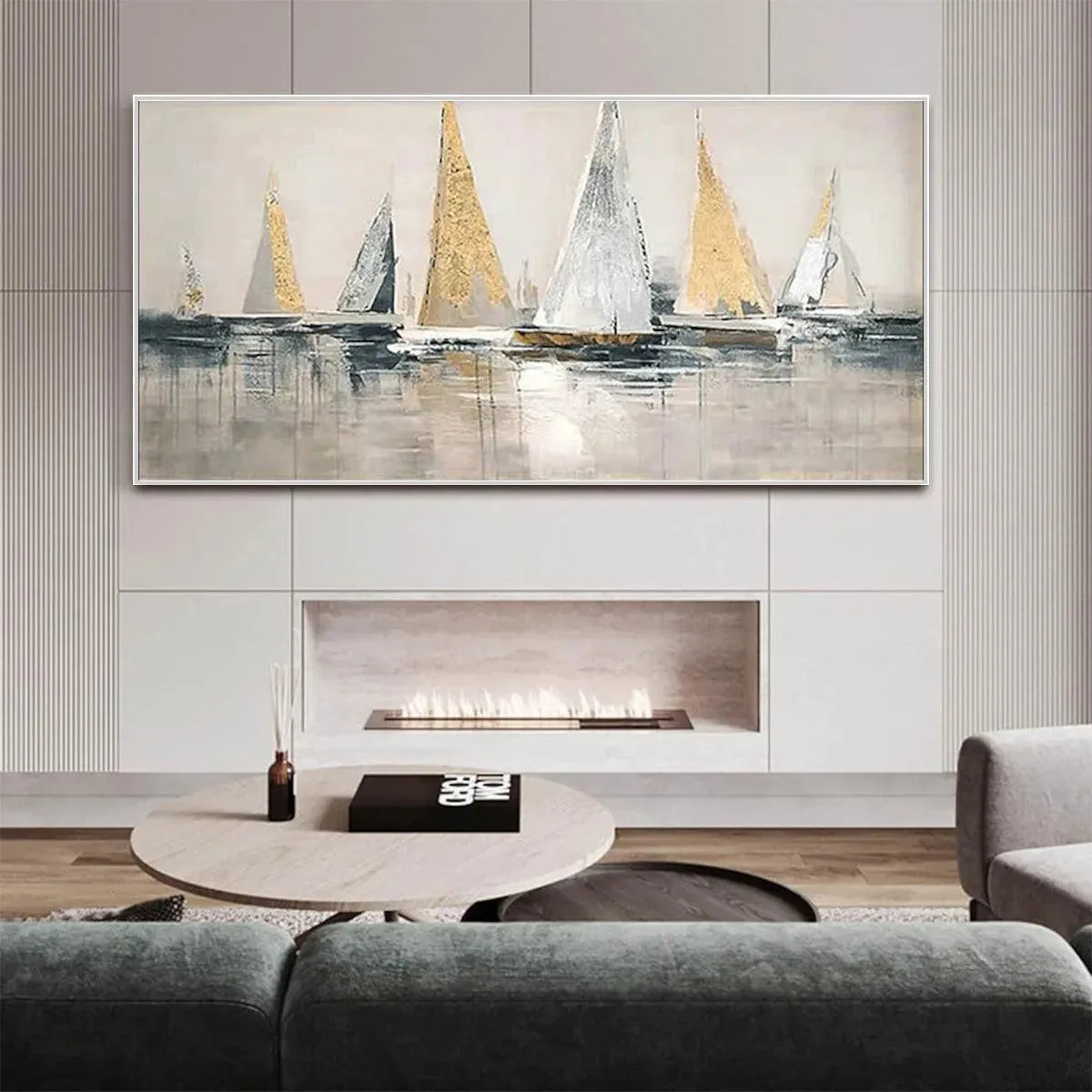
Blue and white lead many coastal paintings, but a beach also includes sand, driftwood and the warm light of late afternoon. Look at how much of each canvas is water, how much is sky and how much is sand. A mostly blue painting adds a cool, fresh note. One with more sandy beige or gold feels warmer and sits more easily beside wood floors and linen upholstery.
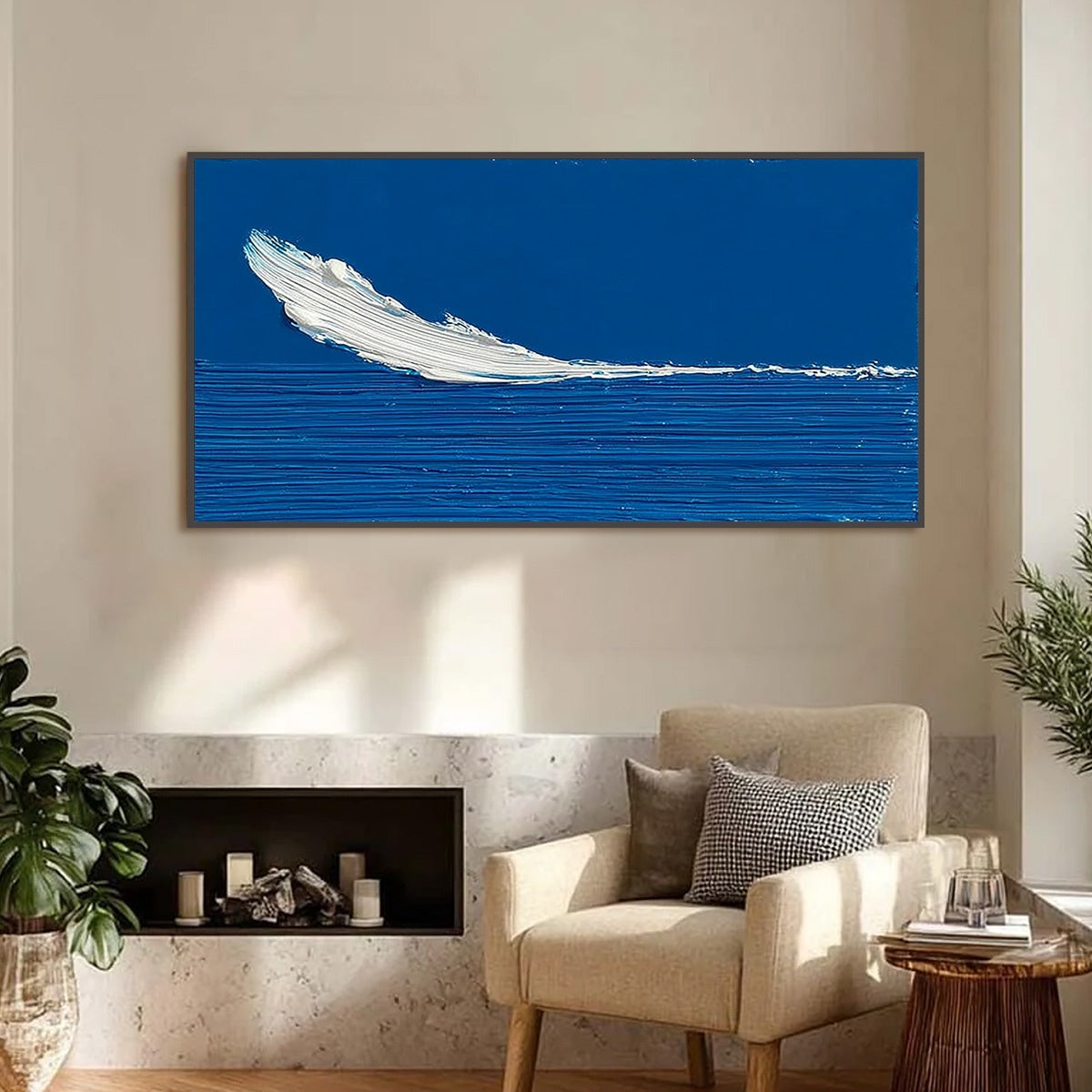
If your room already has a lot of blue in cushions, rugs or tiles, a painting with more neutral sand tones keeps the color from becoming overwhelming. If you want blue to lead, the blue collection brings together blue-led work beyond coastal subjects.
Match format and size to the wall
Beach scenes are often horizontal because the coast itself is horizontal, and the collection also offers other shapes. Wide canvases follow the line of long furniture, square works concentrate attention, vertical pieces suit narrow walls and stairwells, and sets of two or three spread a coastline across several panels. For very long walls, compare the panoramic collection, which includes wide beach and seascape compositions.
| Room or wall | Scene to consider | Confirm before ordering |
|---|---|---|
| Above a sofa | A wide shoreline or seascape | Width relative to the sofa below |
| Bedroom | A calm or night scene in softer tones | How the colors look in evening light |
| Narrow wall or hallway | A vertical scene with movement | Comfortable viewing distance |
| Long open wall | A panoramic coast or a set of panels | Total outline and the gaps between panels |
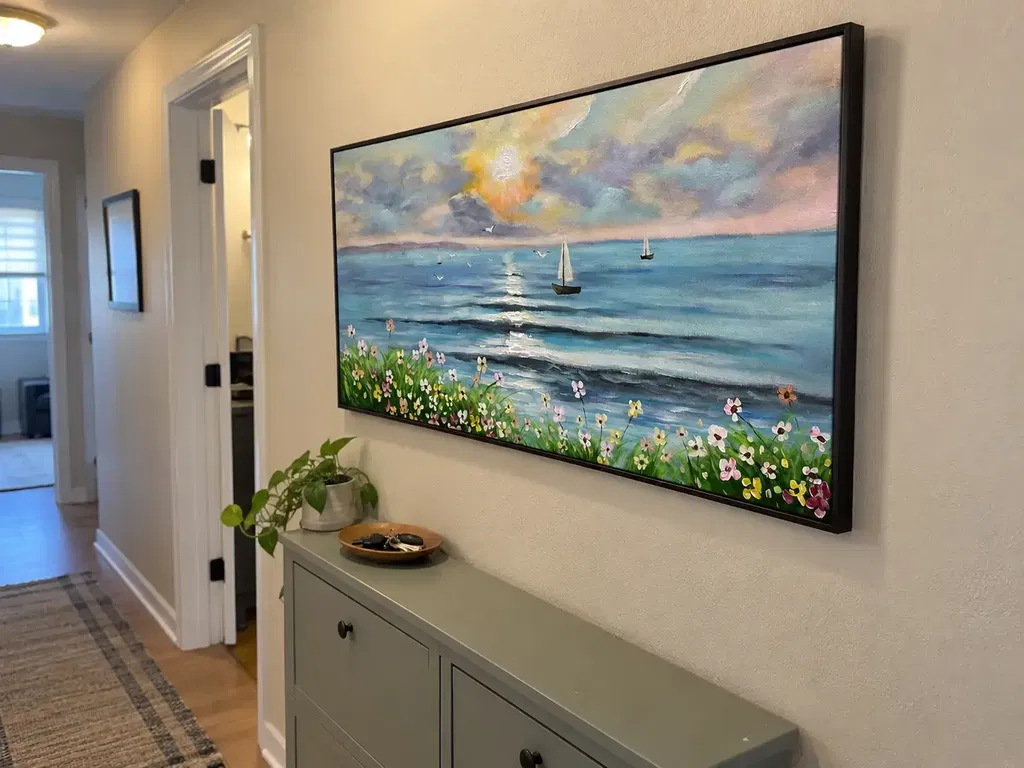
Each of the featured paintings is offered as rolled canvas, as frameless stretched canvas, or stretched with a gold, silver, white, black or wood frame. White and wood frames often suit the light, relaxed feel of a coastal room, while a black frame gives a sharper outline.
Questions about beach scene artwork
What counts as beach scene artwork?
Paintings in which the coast is the main subject: shorelines, waves, sunsets over water, beach activities and abstract compositions based on sand, sea and sky. In this collection they range from textured, recognizable seascapes to looser, more abstract coastal work.
Does beach art only suit a coastal home?
No. A beach scene can bring a sense of space and light to an apartment or a city home. Choose a palette that fits your furnishings, and the painting will feel at home well away from the sea.
Which beach scene works best in a bedroom?
Calmer scenes usually suit a bedroom: a quiet shoreline, gentle surf or a night scene in deep blue. Check how the colors look in the lamp light you use most in the evening.
Can I hang a beach painting alongside other art?
Yes. Look for a shared color or a similar level of texture so the pieces relate to one another, and leave enough space around the beach scene for its horizon to read clearly.
★ Reviews